
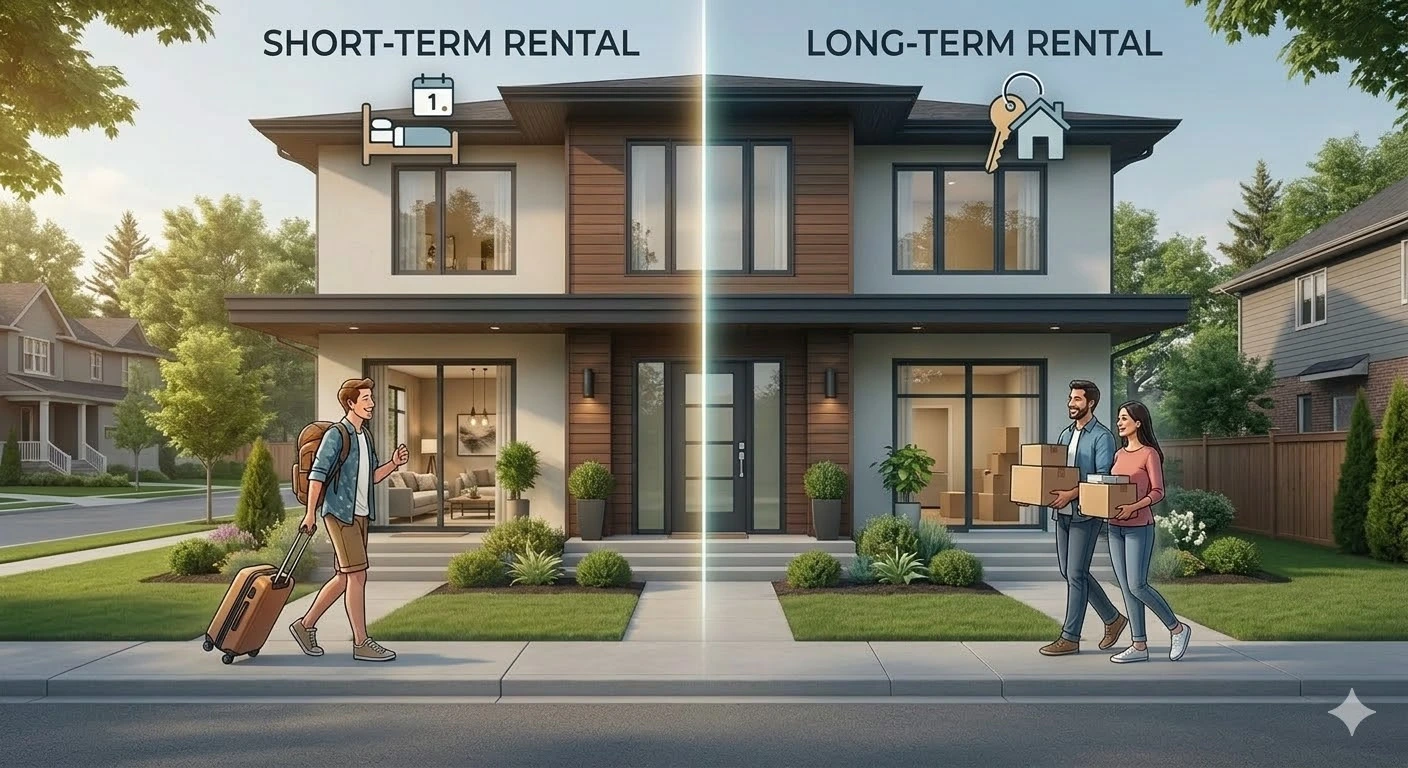
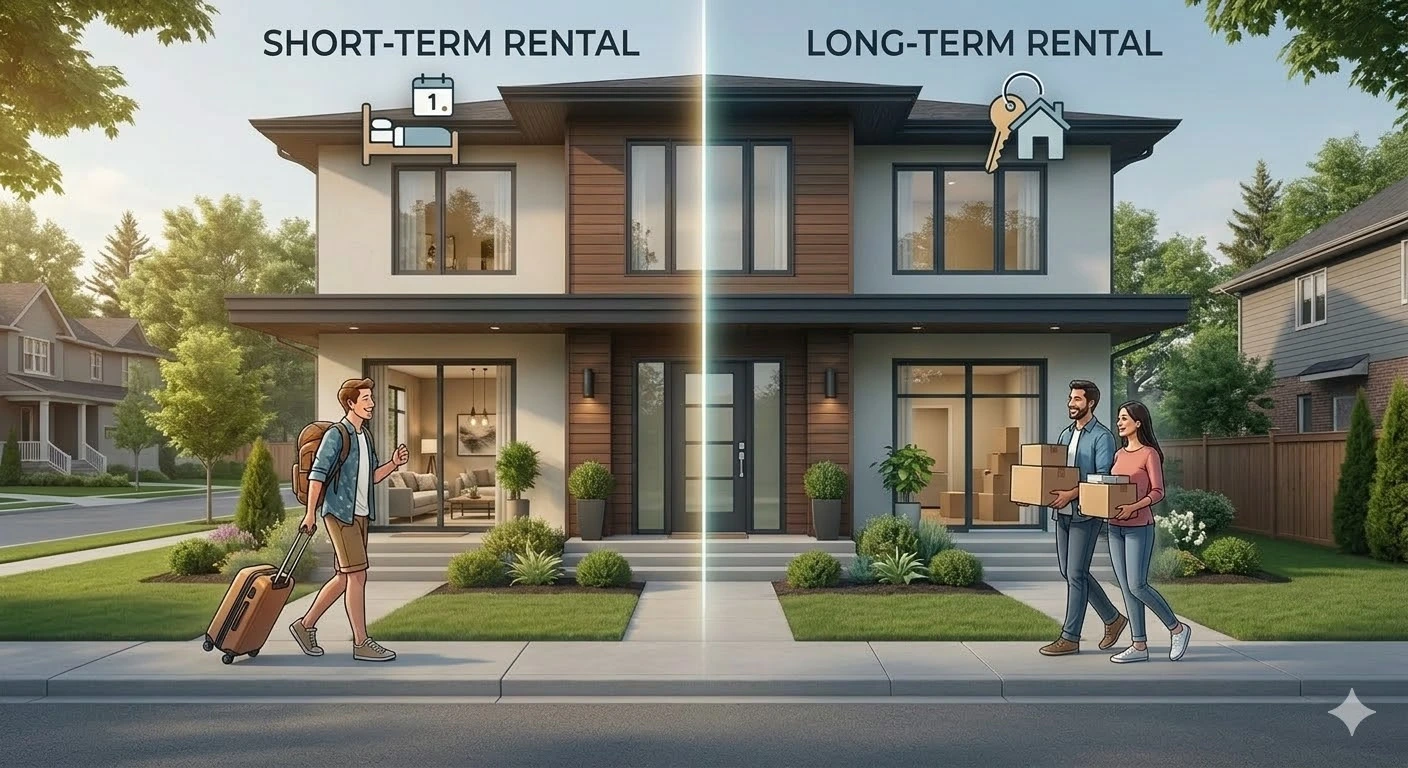
Just a few years ago, the allure of short-term rental properties, particularly through platforms like Airbnb, promised a straightforward path to passive income. The narrative was simple: secure a property, list it online, and watch the cash flow in, a strategy that even saw college students successfully monetizing spare bedrooms. This perception was significantly amplified during the post-pandemic travel surge of 2021-2022, a period when the short-term rental market experienced unprecedented attention from real estate investors. The prevailing sentiment was that almost any location could serve as a lucrative Airbnb, instantly transforming a property into a valuable cash-flow asset. This optimism was not unfounded, as market averages from that era frequently showed short-term rentals outperforming their long-term counterparts in numerous U.S. markets, according to analyses of rental data.
However, as we navigate 2026, the investment climate for rental properties has undergone a significant transformation. The once-rosy picture of effortless passive income from short-term rentals has become considerably more complex. Occupancy rates and revenue growth have seen a noticeable deceleration in many key markets, paralleled by a substantial increase in regulatory oversight. The notion that operating a short-term rental is a passive endeavor has largely been dispelled; it is now unequivocally a business requiring strategic management and significant operational effort.
Simultaneously, the traditional long-term rental market, while often perceived as the more stable alternative, is also presenting its own set of challenges and complexities. Amidst this evolving environment, a third significant category has emerged and gained considerable traction: the mid-term rental. This diversification of options means that the clear-cut winner of yesteryear is no longer apparent, compelling real estate investors to meticulously re-evaluate their strategies. The current market demands a more nuanced approach, where careful consideration of various factors is paramount before committing to any specific rental strategy.
This article delves into the critical elements that real estate investors must now re-evaluate when making the pivotal decision between short-term, long-term, and mid-term rental property investments in 2026.
Re-Evaluating the Pillars of Rental Property Investment in 2026
The landscape of real estate investment has shifted, forcing a comprehensive reassessment of traditional strategies. What was once a straightforward decision between short-term and long-term rentals is now a more intricate calculus, influenced by evolving regulations, economic pressures, and shifting consumer demands.
1. The Evolving Regulatory Frameworks
Historically, the regulatory environment for short-term rentals lagged significantly behind their burgeoning popularity. This lack of initial oversight made it relatively easy to enter the market. However, by 2026, most housing markets, particularly those popular with tourists, have implemented stringent short-term rental regulations. Cities like New York City, Honolulu, Santa Monica, New Orleans, and San Francisco are often cited as having "de-facto" bans, where the regulations are so restrictive that they effectively prohibit the operation of most short-term rentals.
These regulations span a wide array of operational aspects, including:
- Licensing and Permit Requirements: Many municipalities now mandate specific licenses and permits to operate a short-term rental, often involving annual fees and rigorous application processes.
- Zoning Restrictions: Certain residential zones may be off-limits for short-term rentals, or limited to a specific number of properties within a neighborhood.
- Occupancy Limits: Strict rules are often in place regarding the maximum number of guests allowed per rental.
- Safety Standards: Mandates for smoke detectors, carbon monoxide detectors, fire extinguishers, and emergency exits are common.
- Taxation: Local occupancy taxes, hotel taxes, or specific short-term rental taxes are increasingly being levied.
- Noise and Nuisance Ordinances: Regulations aimed at mitigating guest-related disturbances, such as noise levels and parking issues, are frequently enforced.
- Minimum Stay Requirements: Some areas have introduced minimum stay durations, effectively pushing out very short-term bookings.
For investors considering a vacation rental property in 2026, a thorough assessment of their capacity to comply with these complex legal requirements is no longer optional but essential. Resources like Mashvisor’s portal, which offers a comprehensive database of U.S.-wide short-term rental regulations, are becoming indispensable tools for due diligence.
While the tightening regulations on short-term rentals have steered many away from this sector, the traditional long-term rental market is also experiencing its own set of legislative changes. Landlords have long been accustomed to adhering to location-specific rental laws, dating back to the early 20th century in the U.S., which typically covered:
- Landlord-Tenant Acts: Governing the rights and responsibilities of both parties.
- Fair Housing Laws: Prohibiting discrimination.
- Habitability Standards: Ensuring properties are safe and livable.
- Eviction Procedures: Outlining legal processes for removing non-paying tenants.
However, 2026 is witnessing the emergence of new laws that increasingly favor tenants, thereby escalating costs and operational difficulties for landlords.
California, for instance, has seen significant legislative shifts, including:
- Rent Control Measures: Laws like the Tenant Protection Act of 2019 (AB 1482) cap annual rent increases and limit the reasons for eviction, providing greater tenant stability but reducing landlord flexibility.
- Just Cause Eviction Ordinances: Requiring landlords to provide specific, legally recognized reasons for terminating a tenancy, adding complexity to tenant removal processes.
- Increased Tenant Protections: Legislation continually strengthens tenant rights regarding issues like security deposits, lease renewals, and property conditions.
In Washington State, similar trends are emerging:
- Just Cause Eviction Laws: Cities like Seattle and Tacoma have implemented or strengthened "just cause" eviction rules, making it harder for landlords to remove tenants without specific, justifiable reasons.
- Rent Stabilization Policies: While not statewide, some local jurisdictions are exploring or enacting rent stabilization measures.
- Tenant Protections During Emergencies: Legislation has been enacted to provide additional protections to tenants during public health or economic emergencies, impacting landlord recourse.
The ripple effect of these legislative changes in major states like California and Washington is significant. As successful tenant-protection models gain traction, other states are likely to follow suit, creating a more tenant-centric rental market nationwide. Consequently, real estate investors must conduct thorough legal reviews for both short-term and long-term rental properties, understanding that the regulatory landscape is dynamic and requires continuous monitoring.
2. Escalating Costs Across the Board
The financial calculus for rental properties has become more demanding in 2026. While short-term rentals have historically been the more expensive investment, costs have now risen for both strategies. Beyond the general increase in U.S. home prices, property taxes, mortgage rates, and insurance premiums have all seen upward adjustments.
For short-term rental properties, the escalating costs are multifaceted:
- Regulatory Compliance Fees: Annual fees for permits, registrations, and inspections add to operational overhead.
- Fines and Penalties: The risk of hefty fines for violations of increasingly complex regulations is a significant concern.
- Additional Taxation: Beyond standard property taxes, specific short-term rental taxes or increased sales taxes can impact profitability.
- Platform Fees: Airbnb introduced new platform fees in 2025, further increasing the cost for hosts.
- Market Competition and Amenities: The market is saturated, and to stand out, hosts are compelled to invest in premium amenities. For example, a hot tub is often considered a baseline requirement for an Airbnb in popular destinations like Gatlinburg, Tennessee, representing a substantial upfront and ongoing maintenance cost. This competitive pressure necessitates continuous upgrades and higher operating expenses to attract and retain guests.
The cumulative effect is that owning and operating a vacation rental property in 2026 is considerably more expensive than just a few years prior.
For long-term rental properties, the cost increases are also notable:
- Increased Overhead from New Laws: Mandates for upgraded appliances, such as working stoves and refrigerators, or improved energy efficiency can raise initial setup and ongoing maintenance costs.
- Energy Efficiency Investments: As tenants become more environmentally conscious and energy costs rise, landlords are increasingly expected to invest in making their rental properties more energy-efficient, potentially through better insulation, modern HVAC systems, or energy-efficient windows.
- Maintenance and Repairs: General inflation affects the cost of materials and labor for routine maintenance and unexpected repairs.
The startup and ongoing costs associated with both rental strategies are significantly higher than in previous years. Real estate investors must move beyond general estimations and obtain precise cost estimates, alongside reliable income projections, to accurately determine which strategy will yield the best cash flow before making a decision.
3. The Crucial Role of Location in a Shifting Market
The importance of location remains paramount, but the criteria for evaluating it have evolved. Beyond the legal implications, which have already been discussed, investors must now consider broader market dynamics.
Travel trends are highly dynamic, and the issue of market oversaturation adds another layer of complexity. For traditional rentals, demographic shifts indicate a strong migration towards the Southeast and Mountain West regions (the Sunbelt), a contrast to the preference for larger cities seen a decade ago. Understanding where people are moving or traveling is only part of the equation; effectively positioning an asset within those markets is the real challenge.
Daryl Fairweather, Chief Economist for Redfin, offers insights into market dynamics:
When asked about potential conversions from short-term to long-term rentals, Fairweather notes, "Conversions are most likely where short-term economics weaken or regulations tighten. If short-term rental revenue growth slows down, but the demand for long-term rentals remains strong, investors might find it more advantageous to switch. This often occurs in markets where the initial boom of short-term rentals has led to oversaturation or where local governments are imposing stricter rules on vacation rentals."
She elaborates on the conditions for such conversions: "The key indicator is a softening in short-term rental revenue growth coupled with robust fundamentals for the long-term rental market. This means looking at vacancy rates for apartments, job growth, and population increases that suggest sustained demand for traditional housing."
Regarding markets where short-term rentals might still outperform, Fairweather states, "Yes, some markets will still favor STRs. These are typically areas with consistent, high tourist demand, such as major vacation destinations or cities with significant event tourism, where professional management is readily available and dynamic pricing can be effectively implemented. Passive Airbnb investments in random towns, without a clear understanding of the local demand drivers and operational needs, are increasingly risky."
She emphasizes the factors contributing to STR success: "STR success depends on professional management, dynamic pricing, and consistent demand. Markets with a steady stream of tourists, business travelers, or event attendees are more likely to sustain higher occupancy rates for short-term rentals. Effective management and dynamic pricing strategies are crucial for maximizing revenue in these competitive environments."
Therefore, investors must meticulously research which locations are best suited for short-term versus long-term rentals, recognizing that trends are constantly shifting and require continuous adaptation.
4. Understanding the Occupant: Expectations and Realities
One of the initial appeals of short-term rentals was the perceived ease of dealing with temporary guests. The assumption was that transient occupants would present fewer issues than long-term tenants, avoiding common landlord headaches such as:
- Long-Term Tenant Screening: The rigorous process of vetting potential long-term renters for creditworthiness and rental history.
- Evictions: The often lengthy and legally complex process of removing tenants for non-payment of rent or lease violations.
- Tenant Turnover: The logistical and financial effort involved in preparing a unit for a new long-term tenant after one moves out.
- Property Damage: The potential for significant damage caused by long-term tenants.
- Late Rent Payments: The financial strain and administrative burden of dealing with overdue rent.
The Airbnb guest was initially envisioned as the ideal occupant, bringing minimal complications. However, the reality has proven to be more nuanced. A growing number of online accounts and anecdotal evidence highlight "Airbnb horror stories," including instances of:
- Property Damage and Vandalism: Guests causing extensive damage to properties, often exceeding security deposit limits.
- Parties and Disturbances: Rented properties being used for unauthorized large gatherings, leading to noise complaints and neighbor disputes.
- Theft: Guests stealing personal belongings or fixtures from the rental.
- Disruptive Behavior: Guests engaging in behavior that negatively impacts the community or the property itself.
Beyond these issues, the operational costs associated with hosting short-term guests are substantial. High-speed internet, hotel-like amenities (premium toiletries, linens, coffee makers), and professional cleaning services after every turnover contribute significantly to the overall expense.
In 2026, it’s no longer a simple matter of one type of occupant being inherently "better" than the other. Both short-term guests and long-term tenants require distinct management approaches and incur specific costs. Real estate investors must carefully assess their capacity to manage these unique demands, evaluate risk mitigation strategies, and develop robust plans for addressing the potential challenges associated with each.
5. The Effort Required: Active Investment, Not Passive Income
A primary driver for many early adopters of short-term rentals was the promise of passive income. However, a prevalent complaint within online communities and forums for Airbnb and short-term rental hosts is the realization of the substantial effort involved in running a hospitality business. For hosts who manage their properties directly, short-term rentals are unequivocally an active investment.
Similarly, being a landlord for a long-term rental is also considered an active job. While often perceived as more passive than short-term rentals, traditional rentals demand significant effort at various points, including:
- Tenant Acquisition and Screening: The continuous process of finding and vetting new tenants.
- Lease Management: Handling lease renewals, modifications, and ensuring compliance.
- Rent Collection: Managing timely payments and addressing delinquencies.
- Maintenance and Repairs: Responding to tenant requests for repairs and performing routine upkeep.
- Tenant Turnover: The logistics of move-outs and preparing the unit for new occupants.
- Evictions: Navigating the legal complexities of tenant removal when necessary.
Both short-term hosting and long-term landlording can be transformed into more passive ventures through the hiring of a professional property manager. However, this comes at a cost that can significantly impact cash flow. Typically, property management fees for long-term rentals (single-family homes) range from 8% to 12% of the monthly rental income. For short-term rentals, these fees are considerably higher, often falling between 15% and 25% of the monthly income, reflecting the more intensive management required.
The critical takeaway is that neither hosting short-term rentals nor managing long-term rentals is inherently passive. Real estate investors must honestly assess their tolerance for day-to-day operations and their available time commitment. Alternatively, factoring in the costs of professional management upfront when conducting investment property analysis is crucial for achieving a truly passive rental income stream.
6. The Emergence of the Mid-Term Rental: A Hybrid Solution
The decision-making process for rental strategies is no longer confined to the binary choice between short-term and long-term. The mid-term rental, also known as a monthly rental, has emerged as a significant player in the market. These rentals typically span periods of one to six months, and sometimes up to twelve months, occupying a middle ground between the fleeting nature of short-term stays and the extended commitment of long-term leases.
Mid-term rentals cater to a specific demographic, including:
- Traveling Healthcare Professionals: Nurses and other medical staff on temporary assignments.
- Business Travelers: Individuals on extended work assignments or projects.
- Digital Nomads: Remote workers seeking temporary accommodations.
- Individuals Relocating: People in transition between permanent residences.
- Those on Extended Holidays or Sabbaticals.
This unique tenant profile makes mid-term rentals particularly successful in specific locations:
- Cities with Large Healthcare Systems: Proximity to hospitals and medical centers is a significant draw.
- Areas with a Strong Corporate Presence: Business districts and hubs for temporary corporate housing needs.
- Universities and Colleges: Accommodations for visiting scholars, faculty, or students on short-term programs.
- Military Bases and Installations: Housing for military personnel on temporary duty.
A key advantage of mid-term rentals is their ability to often sidestep the stringent regulations that plague short-term rentals. While not entirely unregulated, they generally face fewer restrictions. Furthermore, while short-term rentals may command higher average daily rates (ADRs), mid-term rentals often boast higher occupancy rates. This, combined with lower turnover costs and reduced cleaning fees compared to short-term rentals, can translate into more consistent and potentially higher overall profits within the same real estate market.
Compared to traditional long-term rentals, mid-term rentals offer greater flexibility for both the investor and the tenant. Because these properties are typically furnished and offer a more comfortable, home-like experience, tenants are often willing to pay a premium. Data suggests this premium can range from $600 to $800 more per month compared to a standard long-term lease in the same market.
With the introduction of this third viable rental strategy, real estate investors now face the complex decision of which option best aligns with market conditions and their investment goals, especially in areas where all three are feasible.
Navigating the Choice: Short-Term vs. Mid-Term vs. Long-Term
The ultimate decision on which rental strategy to adopt hinges on a thorough analysis of location and individual risk tolerance. However, the overarching objective remains consistent: identifying the strategy that promises the highest cash flow and return on investment. Leveraging reliable market data, including short-term rental occupancy rates, long-term rent estimates, and historical performance trends, is crucial for investors to accurately assess profitability before acquiring a property.
Platforms like Mashvisor offer real estate investment tools that utilize extensive short-term and long-term rental data, enabling investors to quickly evaluate the potential performance of listings. For mid-term rentals, a combination of existing data and specialized tools can assist in calculating future earnings.
7. Strategic Next Moves: Conversion or Sale
For some real estate investors, 2026 may necessitate a critical re-evaluation of their existing rental portfolios. A short-term rental property that was once highly profitable might now be situated in an oversaturated market, leading to significantly reduced profit margins. Alternatively, new regulations may have rendered the operation of such a business legally untenable or financially unviable.
If an investor decides to exit the short-term rental market, two primary options emerge: convert the property to a long-term rental or sell the property outright. This decision is not as straightforward as it might initially appear and requires a deep dive into current real estate market trends and the investor’s financial situation. Key considerations include:
- Market Timing: Is it currently an opportune moment to sell, or could holding onto the property for a period lead to greater profits?
- Holding Costs: Can the investor afford to hold the property while awaiting a sale, or will carrying costs result in negative cash flow?
- Long-Term Rental Performance: How are long-term rentals performing in the same housing market?
Daryl Fairweather of Redfin provides guidance on when to consider selling a vacation property instead of converting it:
"An investor should consider selling when the property no longer justifies the complexity and risk of short-term rentals or when the capital could be better used elsewhere," Fairweather advises. "If the returns are no longer compelling compared to other investment opportunities, or if the ongoing operational challenges outweigh the financial benefits, selling becomes a prudent option. Market conditions also play a crucial role; if property values have appreciated significantly, cashing out might be the most strategic move."
She further elaborates on the conditions for selling: "Sell if the property no longer provides strong returns, market prices are favorable, or regulations make your STR strategy unprofitable. The decision should be based on a clear financial analysis that weighs the potential upside of holding or converting against the certainty of capital gains from a sale."
If the market analysis indicates that converting a short-term rental to a long-term rental is a viable and potentially profitable strategy, Fairweather offers key recommendations:
"If converting makes sense, focus on these four things," she suggests. "First, understand the local long-term rental market demand thoroughly. Second, adjust the property’s amenities and presentation to appeal to long-term tenants, which may mean depersonalizing it. Third, establish clear lease agreements and tenant screening processes that align with long-term rental best practices. Fourth, budget for the transition costs, including potential vacancy periods and any necessary upgrades for long-term living."
Her concluding remark emphasizes the strategic shift: "Bottom line: Long-term rentals offer predictability over upside. Treat the conversion as a strategic business decision, focusing on stable, consistent income rather than the potentially higher but more volatile returns of short-term rentals."
Final Considerations for Real Estate Investors
The rental market in 2026 presents a complex but opportunity-rich environment. Both short-term and long-term rental sectors have evolved significantly, demanding a more discerning and data-driven approach from investors. The key to success lies in meticulous research, careful analysis, and strategic adaptation to market dynamics. Investors who are steadfast in their preferred strategy must diligently identify the right real estate markets and properties that align with their chosen approach. Tools such as Mashvisor can be invaluable in this process, providing the data necessary to make informed decisions and maximize returns.
Frequently Asked Questions
Can short-term rentals still be profitable in 2026?
Yes, short-term rentals can still be profitable in 2026, but profitability is highly contingent on factors such as location, local regulations, occupancy rates, and operating costs. In tourism-driven markets with robust demand, Airbnb rentals may indeed generate higher income than traditional leases. However, investors must conduct thorough due diligence regarding local laws and competitive landscapes before committing to this strategy.
What is the difference in profitability between short-term and long-term rentals?
Short-term rentals often yield higher revenue per night due to dynamic pricing and premium rates. However, long-term rentals offer more stable monthly income and generally lower management costs and fewer turnovers. The most profitable strategy ultimately depends on a confluence of local tourism demand, rental regulations, property prices, and projected occupancy rates.
What is the difference between short-term, mid-term, and long-term rentals?
Short-term rentals are typically booked for a few nights or weeks through platforms like Airbnb. Mid-term rentals generally range from one to six months and are popular with traveling professionals or digital nomads. Long-term rentals are traditional leases lasting six to twelve months or more, providing consistent income for landlords.
Is Airbnb still a good investment in 2026?
Airbnb can generate higher income in high-demand markets, particularly tourist destinations. However, it also demands more active management, incurs higher operating costs, and requires strict compliance with local regulations. Long-term rentals, conversely, tend to offer more predictable cash flow and fewer day-to-day management responsibilities.
How should investors choose between a short-term and long-term rental strategy?
Investors typically compare projected rental income, expected occupancy rates, operating costs, and local regulations before selecting a rental strategy. Analyzing historical rental data and current market trends is essential to determine whether a property is likely to perform better as a short-term or long-term rental.

