
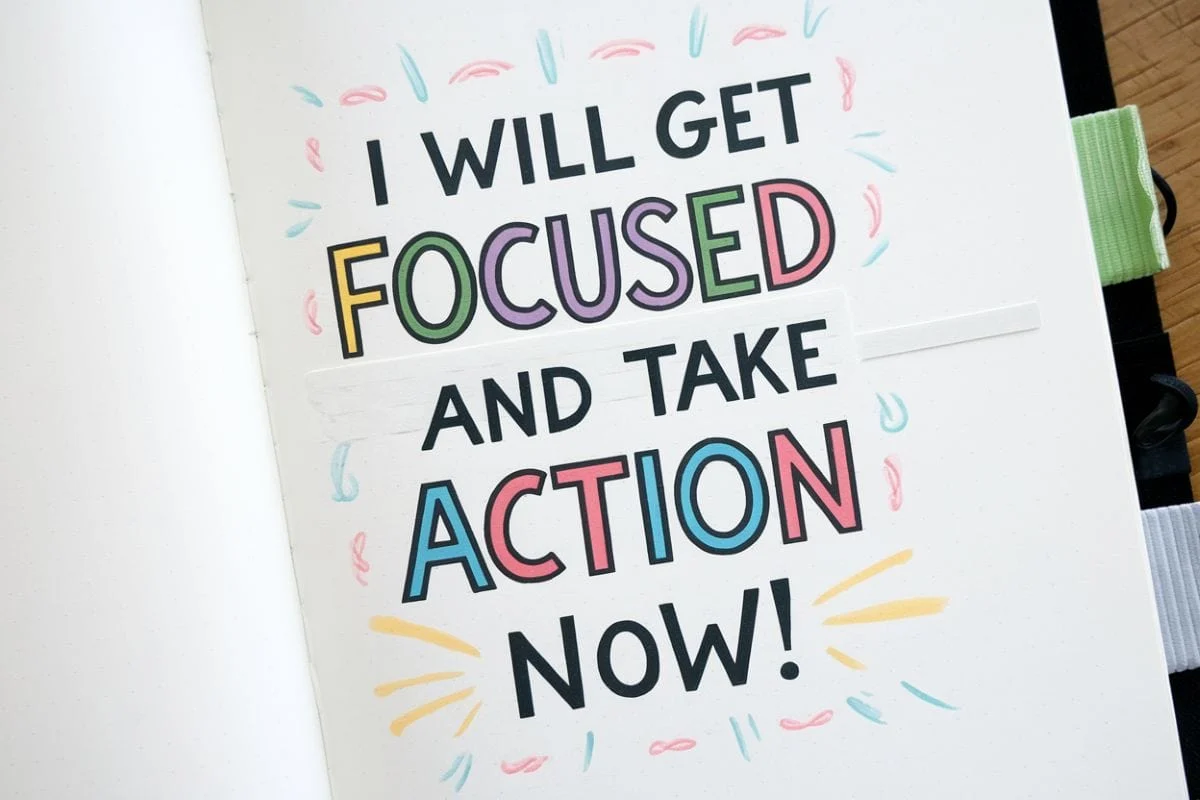
The bullet journal, a customizable analog system for organization and productivity, has gained significant traction among individuals seeking a more tangible and mindful approach to task management. At the core of its versatility lies the humble to-do list, a fundamental tool that, when integrated into a bullet journal, can unlock unprecedented levels of efficiency and organization. This article delves into the multifaceted nature of to-do lists within the bullet journaling framework, exploring various creative layouts and strategies designed to enhance productivity and bring order to daily, weekly, and monthly planning.
The Foundational Role of To-Do Lists in Bullet Journaling
For many practitioners of the bullet journal method, the to-do list is the cornerstone of their system. Its inherent flexibility allows for adaptation to individual needs, whether that involves prioritizing tasks by urgency, allocating them by time blocks, or categorizing them by project or life area. The ability to visually represent tasks, mark them as complete, migrate them to future dates, or even schedule them for specific times transforms a simple list into a dynamic productivity tool. This adaptability is crucial in a world where demands are constantly shifting, making a rigid planning system less effective than a fluid and responsive one.
The bullet journal’s appeal lies in its ability to cater to diverse planning styles. Some users prefer highly structured layouts with defined sections and clear visual cues, while others thrive on more minimalist and adaptable formats. Regardless of preference, the to-do list can be tailored to fit, ensuring that the system serves the user rather than dictating their workflow.
Creative Bullet Journal To-Do List Layouts for Enhanced Productivity

The following sections explore a range of innovative to-do list spread ideas, each offering a unique approach to organizing and tackling tasks, ultimately contributing to a more productive and streamlined personal or professional life.
1. The Simple To-Do Planner Page: A Foundation for Focus
The most straightforward and often most effective method is the simple to-do list. This approach emphasizes clarity and directness, allowing users to capture tasks as they arise without unnecessary complexity. Whether rendered in a minimalist style with basic checkboxes or a more structured format with designated areas for specific task types, a simple to-do list in a bullet journal provides a clear overview of immediate responsibilities. This method is particularly beneficial for those who feel overwhelmed by elaborate planning systems and prefer a direct, actionable approach to task management. The act of writing down tasks can itself be a powerful cognitive tool, helping to solidify intentions and commitments.

2. The Power of Color: Color-Coded To-Do List Bujo Pages
Color coding transforms a standard to-do list into a visually intelligent system, enabling rapid prioritization and category identification. By assigning specific colors to different types of tasks—such as urgent matters, essential projects, personal errands, or leisure activities—users can quickly ascertain the nature and importance of each item at a glance. For instance, red might signify critical deadlines, yellow for high-priority tasks, and blue for optional activities. This visual coding system not only enhances organization but also contributes to a more intuitive and less mentally taxing planning process. Studies on visual perception suggest that color can significantly improve information recall and processing speed, making color-coded lists a potent tool for busy individuals.
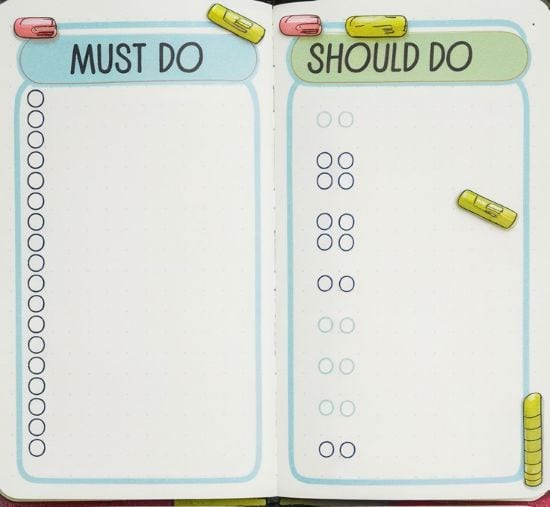
3. Prioritization Made Easy: "Must Do," "Should Do," and "If I Have Time" Formats
For individuals who struggle with task prioritization, the "Must Do – Should Do – If I Have Time" format offers a structured yet flexible solution. This system categorizes tasks based on their urgency and importance, ensuring that critical items are addressed first.
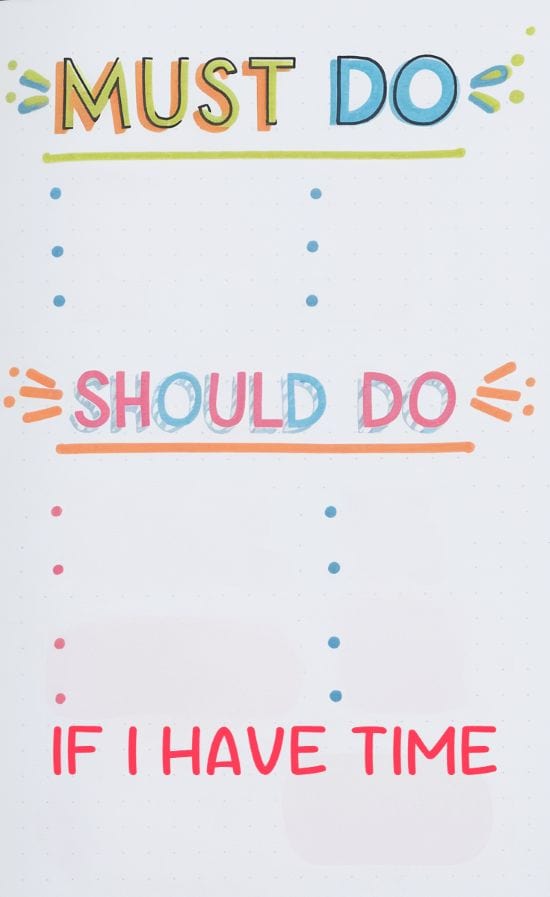
- Must Do: These are non-negotiable tasks that require immediate attention or have significant consequences if delayed.
- Should Do: These are important tasks that contribute to larger goals but are not as time-sensitive as the "Must Do" items.
- If I Have Time: This category encompasses tasks that are desirable but can be deferred without significant impact, offering flexibility and preventing the feeling of being overwhelmed.
This tiered approach helps users to focus their energy on what truly matters, promoting efficient time allocation and reducing the likelihood of crucial tasks being overlooked.
4. Streamlined Prioritization: The "Must Do – Should Do" Approach
A simplified variation of the above, the "Must Do – Should Do" format further distills the prioritization process by focusing solely on the essential and the important. This method is ideal for those who prefer a more focused approach and may find the "If I Have Time" category less critical for their immediate planning needs. By concentrating on two tiers of priority, individuals can ensure that their most critical tasks are consistently addressed, fostering a sense of accomplishment and progress.
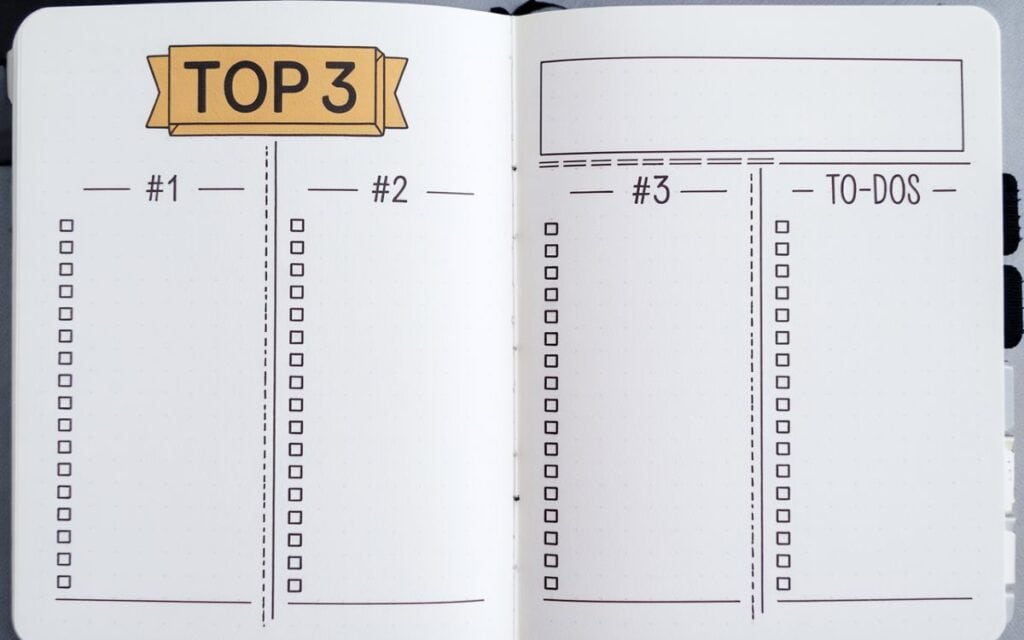
5. The Daily Top 3: Concentrated Focus for Maximum Impact
The "Daily Top 3" method is a powerful strategy for maintaining focus on the most impactful tasks each day. By identifying and committing to completing just three key objectives, individuals can avoid the paralysis of too many options and ensure consistent progress on their most important goals. This spread can be integrated into a daily planner or stand alone, providing a clear and manageable target for daily productivity. Research in productivity suggests that focusing on a small number of high-leverage tasks can yield greater results than attempting to tackle a long, unprioritized list.
Adapting To-Do Lists for Different Planning Horizons
The effectiveness of a to-do list can be amplified by aligning its structure with the user’s planning timeframe. Whether the focus is on daily, weekly, or monthly objectives, the bullet journal offers versatile layouts to accommodate these needs.
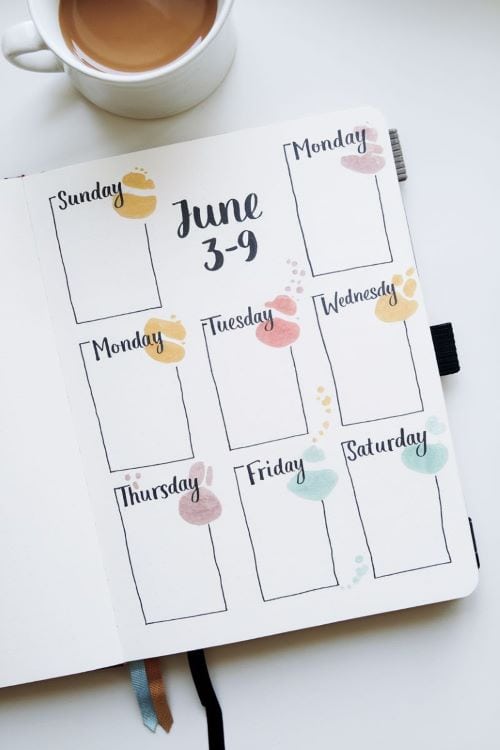
6. Weekly Overview: Daily To-Do List Spread for the Week
A weekly spread that incorporates daily to-do lists provides a holistic view of commitments over a seven-day period. This layout allows users to allocate tasks to specific days, anticipate potential conflicts, and maintain a consistent workflow. Each day can have its own dedicated section for listing tasks, making it easy to track progress and adjust plans as needed. This approach is particularly useful for managing recurring weekly routines and project milestones.
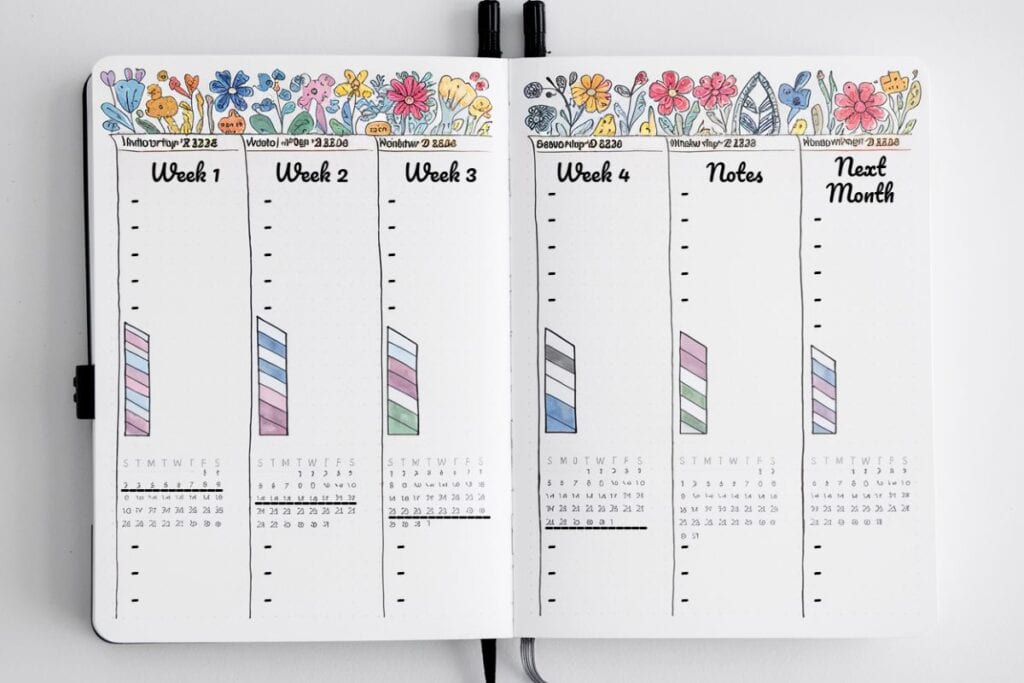
7. Monthly Outlook: Weekly Spread Integrated with Monthly Goals
For a broader perspective, a weekly spread can be designed to align with monthly objectives. This integration helps users to see how their weekly tasks contribute to larger, long-term goals. By mapping out weekly priorities within the context of a monthly calendar, individuals can ensure that they are making consistent progress towards their overarching aims. This method is invaluable for project management and strategic planning, allowing for adjustments and optimizations over a longer horizon.
8. The Monthly Grid: A Comprehensive Monthly To-Do List
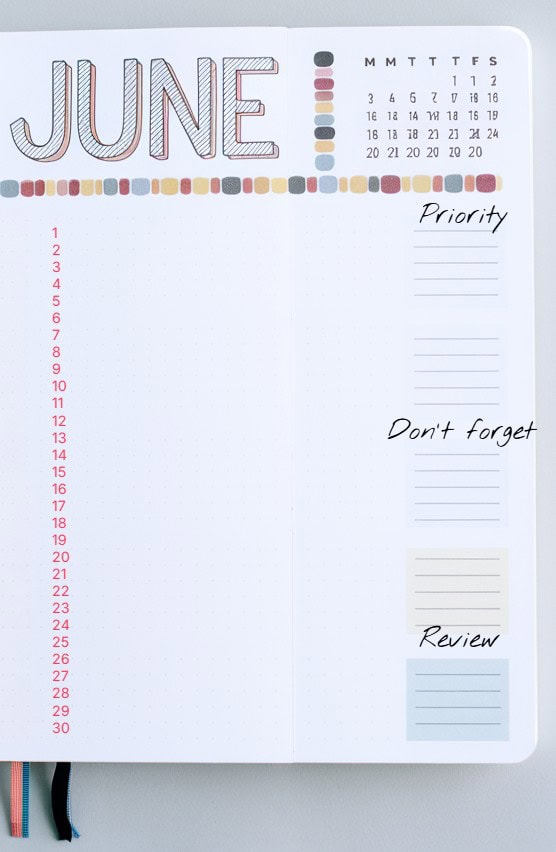
A dedicated monthly spread serves as a powerful tool for long-term planning and task management. This layout typically features a calendar grid where users can jot down tasks, appointments, and deadlines for the entire month. The visual representation of the entire month allows for a strategic overview, enabling users to identify potential busy periods, schedule important events, and allocate resources effectively. This spread is particularly beneficial for tracking project timelines, planning for upcoming events, and ensuring that no critical dates are missed.
Routine Task Management: Building Consistency with Bullet Journals
Routine tasks, though often less demanding, are crucial for maintaining order and efficiency in both personal and professional life. Dedicated bullet journal spreads for these recurring activities can foster accountability and ensure that essential habits are maintained.
9. Time-Based Task Scheduling
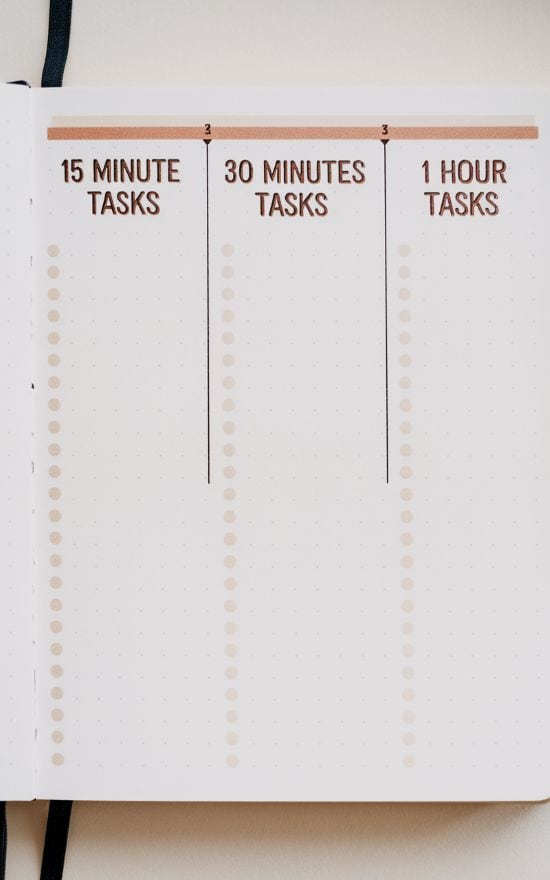
For individuals who manage their time in discrete blocks, a time-based task list is highly effective. This format allows users to allocate specific tasks to particular time slots throughout the day, ensuring that work is completed during opportune moments. This approach is especially beneficial for those who have flexible schedules or need to incorporate tasks around existing commitments, such as meetings or appointments. The visual representation of time blocks can also help in identifying potential inefficiencies or areas where time is being underutilized.
10. Weekly Recurring Tasks Tracker
A dedicated spread for tracking recurring weekly tasks provides a structured way to ensure that consistent habits are maintained. By listing these tasks once, users can simply check them off each week as they are completed. This eliminates the need to rewrite the same tasks repeatedly, saving time and reducing mental clutter. This method is particularly useful for household chores, personal care routines, or regular work-related duties that occur on a weekly basis.
11. Rotating Weekly Tasks Log
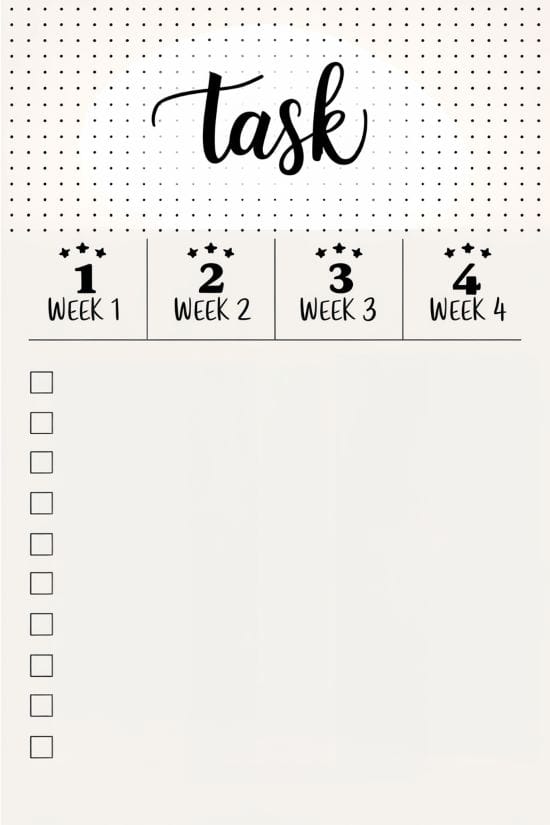
For situations where weekly tasks vary, a flexible rotating task log is essential. This spread allows users to dynamically list their tasks for each week, providing adaptability without sacrificing organization. As the weeks progress, new tasks can be entered and checked off, ensuring that a dynamic to-do list remains current and effective. This approach is ideal for freelance work, project-based roles, or any situation where the weekly workload is subject to change.
12. Project Planner To-Do List: Deconstructing Big Goals
Managing large projects can seem daunting, but breaking them down into smaller, actionable steps is key. A project planner to-do list within a bullet journal facilitates this process. By outlining project milestones, setting deadlines for individual tasks, and prioritizing sub-goals, users can systematically approach complex projects. This method not only makes projects more manageable but also provides a clear visual representation of progress, fostering motivation and a sense of accomplishment as each stage is completed. The ability to link daily tasks to larger project objectives ensures that all efforts are aligned with the overarching vision.
Conclusion: The Enduring Value of Bullet Journal To-Do Lists
A well-crafted to-do list within a bullet journal is far more than a simple list of obligations; it is a strategic tool for cultivating clarity, reducing cognitive load, and driving consistent progress towards personal and professional objectives. The adaptability of the bullet journal system ensures that individuals can find or create layouts that resonate with their unique needs and preferences, whether that involves minimalist designs, vibrant color-coding, or intricate project breakdowns.
The bullet journal, in essence, becomes a reflection of an individual’s time management strategies, their ability to prioritize, and their commitment to building productive habits. By embracing experimentation and refining their approach, users can leverage the inherent flexibility of bullet journaling to create spreads that not only organize tasks but also inspire action and facilitate the accomplishment of goals. Ultimately, the most effective bullet journal pages are not necessarily the most aesthetically complex, but rather those that empower users to organize, act, and effectively "get things done."

