
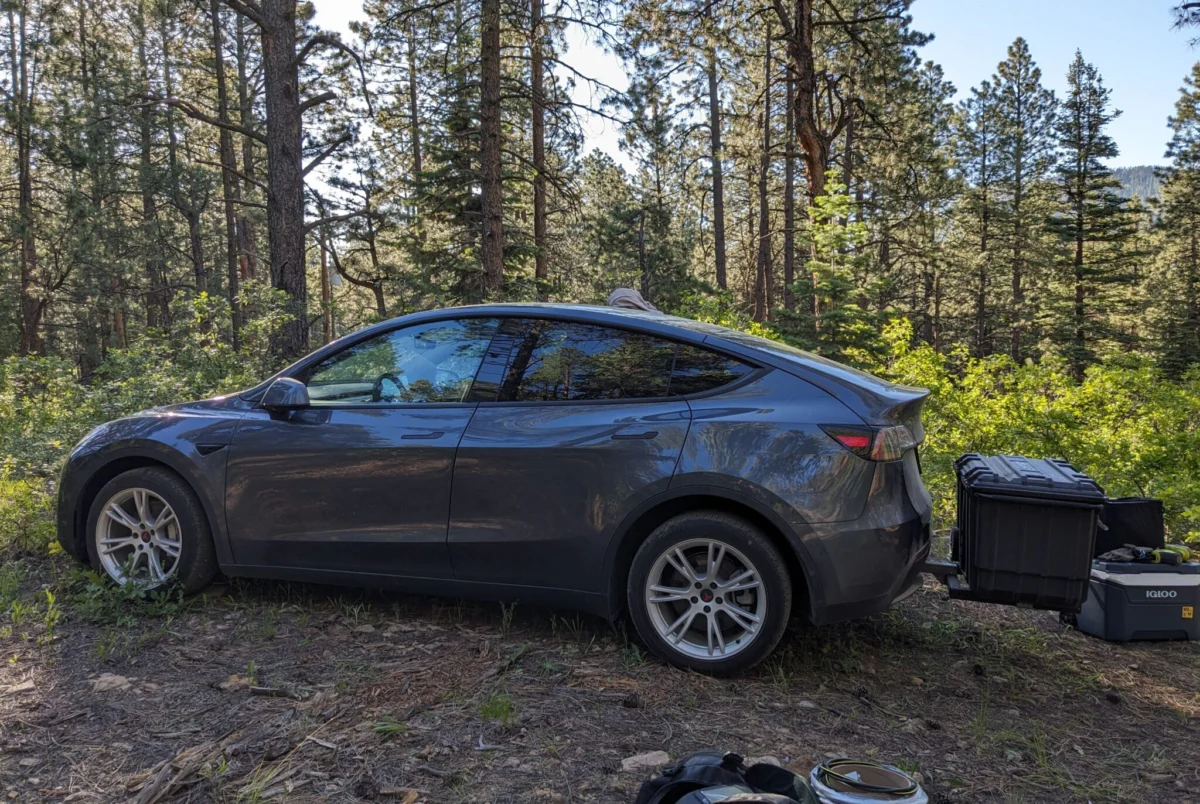
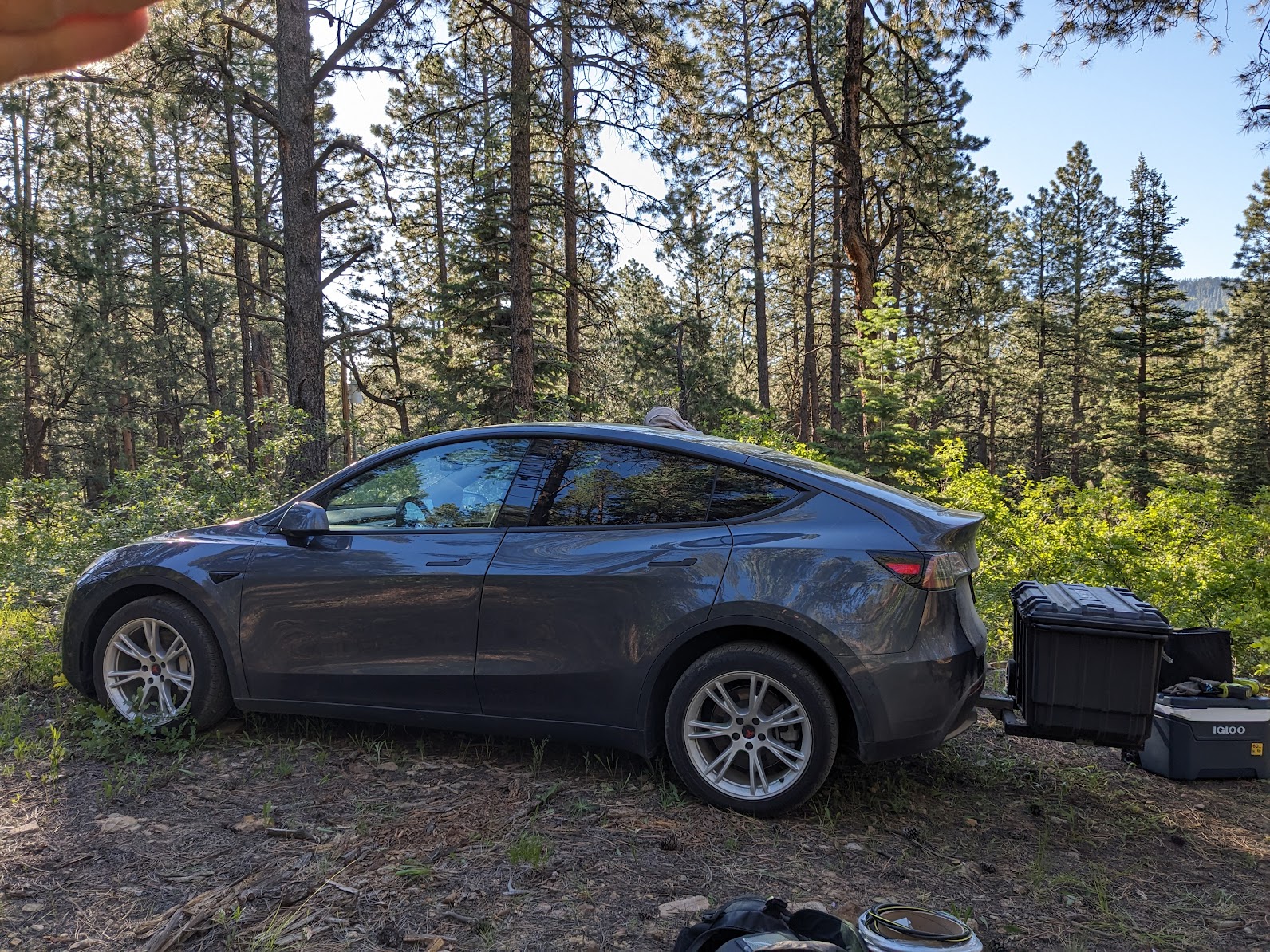
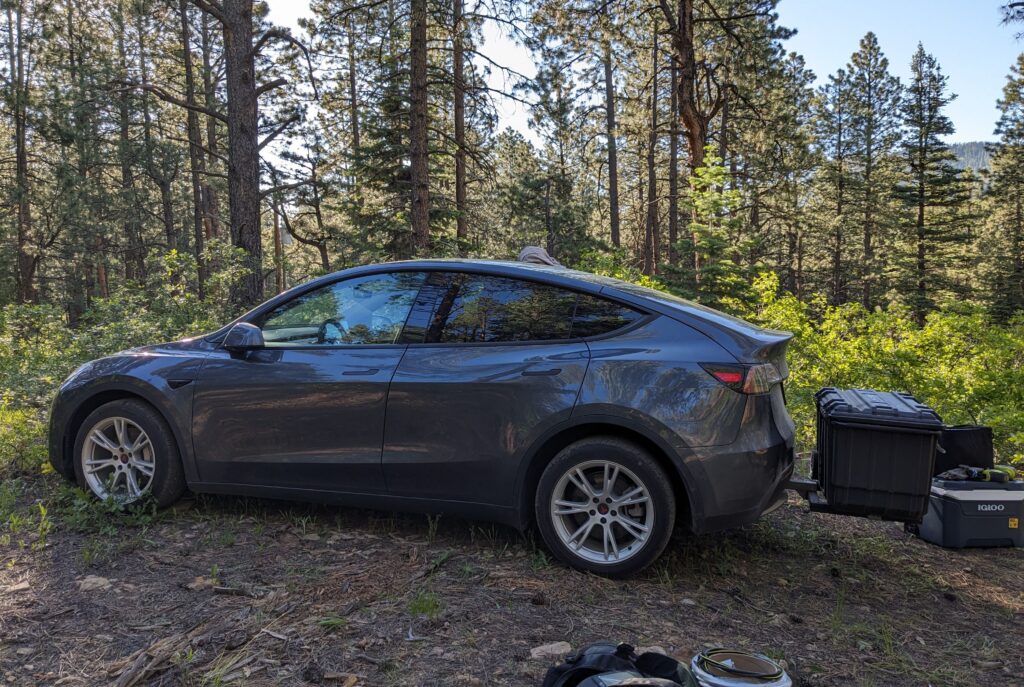
In a move that has sparked significant discussion within the financial independence community, Peter Adeney, widely known as Mr. Money Mustache (MMM), has acquired a 2023 Tesla Model Y, a luxury electric crossover. This purchase marks a notable departure from his long-standing advocacy for extreme frugality and aversion to car culture, replacing a Honda van he bought for $4,500 twelve years ago. The net cost of the Tesla, after various taxes and credits, is approximately $52,000, a sum Adeney himself describes as "stunningly higher" than its predecessor. This acquisition, which he frames as "The Model Y Experiment," signals an evolving philosophy on spending for those who have achieved financial independence.
The Frugality Paradox: A Shifting Philosophy
For over a decade, Mr. Money Mustache has been a pivotal figure in the Financial Independence, Retire Early (FIRE) movement. His blog, mrmoneymustache.com, gained renown for its candid, often provocative advice on aggressive saving, minimizing expenses, and optimizing daily life for financial freedom. Adeney retired from his software engineering career at age 30, eighteen years ago, by embracing a lifestyle characterized by cycling, DIY projects, minimal consumption, and a deep skepticism towards consumerism, particularly car ownership. He famously quipped that most people use cars "about ten times more often than they need to" and drive vehicles they "can’t afford." This history makes his acquisition of a brand-new, high-tech Tesla a fascinating study in the psychological complexities of wealth management post-retirement.
Adeney openly acknowledges the apparent contradiction, expressing "plenty of self-mockery and ridicule" over the purchase. He understands that many of his long-time followers, who share his frugal mindset, might find the decision perplexing or even hypocritical. Yet, he posits that the philosophy that "got you here won’t get you where you’re going," suggesting that the rigorous saving habits necessary to achieve early retirement may not be the optimal framework for enjoying the wealth accumulated thereafter. This pivot is not a rejection of frugality but rather an evolution, recognizing that an excess of caution can sometimes hinder quality of life, even for the financially secure.
From Honda Van to Tesla Model Y: A Chronology of Change
The journey to the Tesla Model Y began with the venerable Honda van, affectionately nicknamed "Vanna." Purchased off Craigslist for a mere $4,500, Vanna served Adeney and his family dutifully for twelve years, traversing mountains and deserts, and even aiding in community rebuilding efforts. Its longevity and utility were a testament to MMM’s core values of maximizing value and minimizing waste.
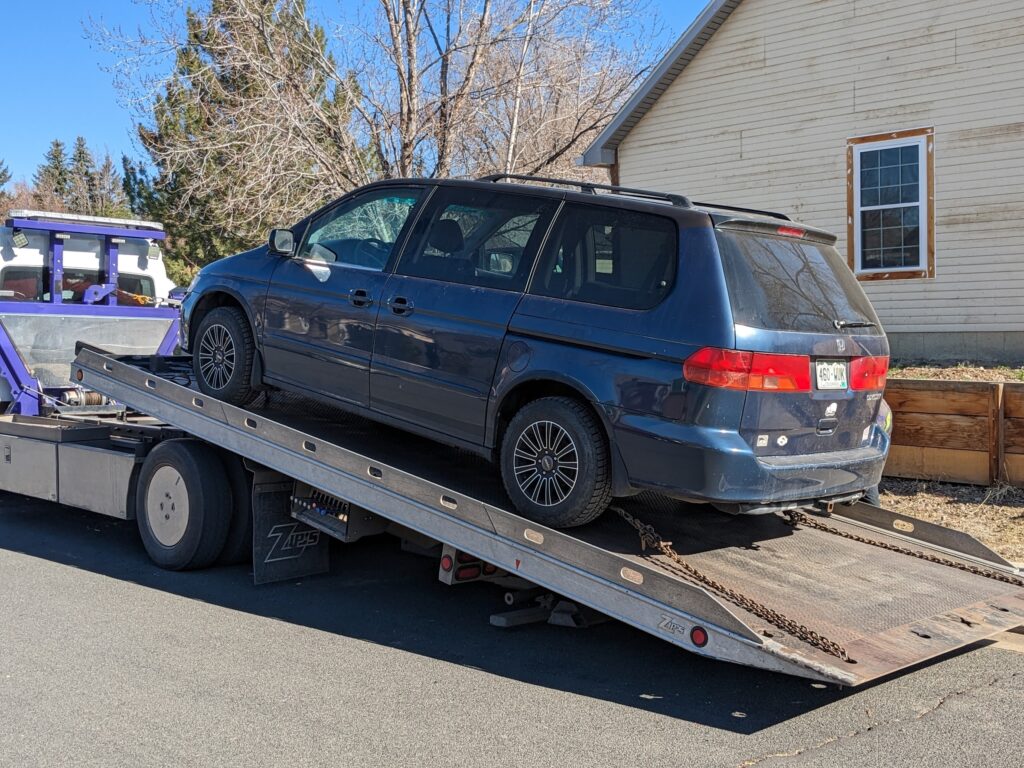
However, as all machines do, Vanna reached the end of its practical life. The van, now 23 years old, was becoming increasingly unreliable. Its "desperately underpowered wheezing and gear shifting and noise" on mountain passes became a source of consistent stress. The final catalyst came during a trip home from a new vacation rental project in Salida, Colorado, when Vanna suffered a "hot and smelly transmission failure" on a mountain pass. This event, rather than being a setback, was the "nudge" Adeney needed.
The decision to purchase a Tesla Model Y was not impulsive. Adeney admits to "procrastinating" on buying an expensive car for four years, despite encouragement from friends and online commenters. His other vehicle, a Nissan Leaf, while "wonderful to drive," lacked the range for long-distance travel beyond the Denver metropolitan area. This left a gap in his transportation needs for extended adventures, camping trips, and visits to the newly acquired "Friends Mountain Resort" in Salida. The Model Y, with its long-range capabilities, all-wheel drive, and ample space for seven, offered a solution to this persistent source of "negative stress."
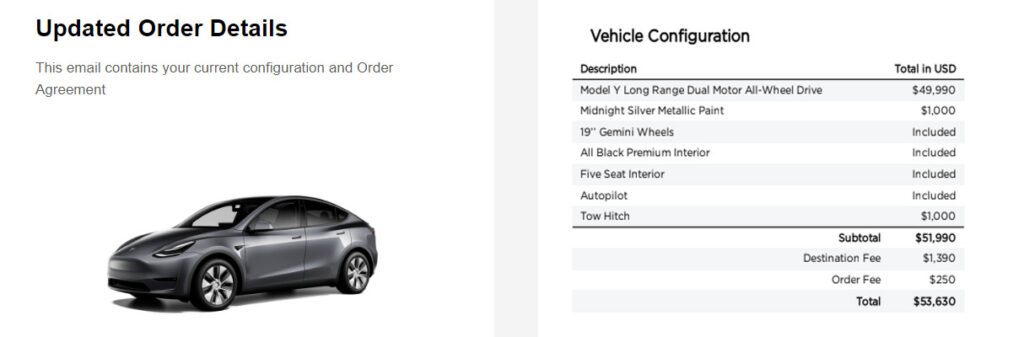
The acquisition process itself involved navigating the various hoops of a modern car purchase. The Tesla Model Y Long Range All-Wheel Drive, with a base price of $50,490, saw additional costs for upgraded paint ($1,000) and the 7-seat interior ($1,000). After factoring in a $7,500 federal tax credit, a $1,000 referral discount (which he offers his own code for), and a $500 Colorado state tax credit, the total net cost settled around $52,000. The old Honda van was sold for $715 through the online salvage service Peddle, with the cash specifically allocated to "splurges" like dinners out, aligning with his new spending philosophy.
Deconstructing the Purchase: Costs and Context
The financial implications of moving from a $4,500 van to a $52,000 electric crossover are substantial, particularly for someone whose financial philosophy hinges on extreme efficiency. Adeney projects that the Tesla will cost him approximately $10,000 more per year than his old van, primarily due to increased depreciation, insurance, and the opportunity cost of having $50,000 tied up in a depreciating asset.
However, he contextualizes this within his broader financial picture. As an early retiree with significant wealth, his annual spending was "several times" less than his potential sustainable withdrawal rate. For a hypothetical individual with a $2 million investment portfolio, the 4% rule suggests a safe annual spending of $80,000. Even with a conservative 3% withdrawal rate, $60,000 is available annually, often supplemented by side income, future inheritances, and social security. Adeney admits that he and many "Mustachians" often live on $40,000 or less, leaving a substantial "spending deficit." The $10,000 annual increase for the Tesla, while significant in isolation, is seen as a "solid first step" towards utilizing his accumulated wealth for enhanced life experiences, such as "epic camping trips, dream dates, and long adventures around the country."
The choice of a Tesla also aligns with modern environmental consciousness, transitioning from a gasoline-powered vehicle to an electric one. While the Model Y is a premium EV, its adoption by a prominent figure like MMM could subtly influence his audience to consider electric vehicles, balancing the frugality of energy costs with the initial capital outlay.
The Psychological Battle of the Affluent Frugalist
A core insight of Adeney’s narrative is the deep-seated psychological resistance to spending, even when financially secure. He vividly recounts a "mental battle" over a $6.99 loaf of Dave’s Killer Bread at a grocery store, a price significantly higher than his usual Costco purchase. This internal monologue, which he terms "Grocery Shopping With Your Middle Finger," involves questioning, boycotting, and seeking substitutes before ultimately conceding to the purchase. The realization that "you are never going to wake up in the future and look at your bank account and think, shit, if only I had an extra $2.49 in there I would be a happier person" encapsulates the essence of this shift.
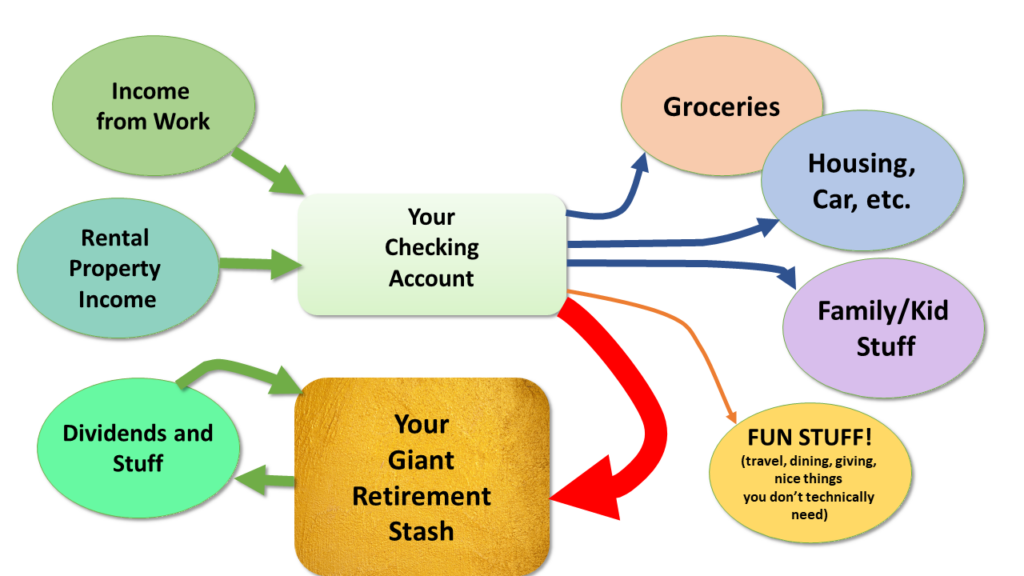
This struggle is not unique to him. A wealthy friend, also an early retiree through disciplined frugality, confessed to similar mental hurdles, despite a net worth "several times higher." This friend, a generous philanthropist, still grappled with the decision to take an Uber to the airport instead of a longer, cheaper bus ride. This shared experience underscores a pervasive challenge among those who have successfully mastered wealth accumulation: the difficulty of transitioning from a scarcity mindset to an abundance mindset. The ingrained habits of optimization and conservation, while crucial for achieving financial independence, can become counterproductive once that independence is firmly established, leading to a form of "being too cheap with ourselves."
New Principles for Intentional Spending
To navigate this psychological landscape, Adeney and his friend developed three principles designed to encourage a more intentional and enjoyable use of their life savings:
-
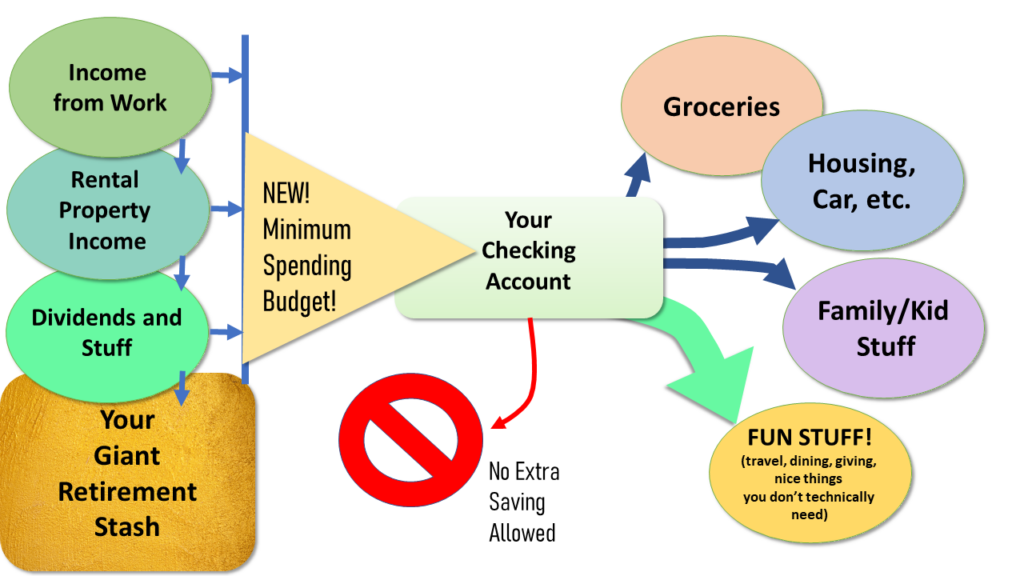
The Minimum Spending Budget: This principle encourages individuals to establish a baseline spending level that is comfortably supported by their accumulated wealth, even with conservative withdrawal rates. For someone with a $2 million portfolio, this might be $60,000 annually. The idea is to acknowledge this financial capacity and allow oneself to spend up to this level without guilt, rather than defaulting to the ultra-low spending habits of the accumulation phase. This challenges the tendency to perpetually "stash it away on top of the already-too-big pile."
-
The Dedicated Money Wasting Account: Recognizing that spending one’s own "hard-earned money on things that seem frivolous" can be psychologically difficult, this principle suggests compartmentalizing funds. By making a portion of one’s money "feel like somebody else’s," similar to spending on a business trip where the bill is unseen, the emotional barrier to "wasting" it can be lowered. This psychological hack aims to detach the emotional baggage from spending decisions for non-essential items.
-
The Splurge Accountability Buddy: This involves teaming up with like-minded frugal friends who are also grappling with similar spending habits. The buddies can "question each other’s decisions, call out cheapness when we see it, and cheer on splurges when we know the other guy would enjoy it." This social support mechanism helps individuals overcome ingrained habits, providing external validation and encouragement for judicious spending. Adeney cites his friend Carl (Mr. 1500 Days), who replaced his old minivan with a Chevrolet Bolt EV, as an example of this principle in action.
Addressing Criticisms and Redefining Philanthropy
Adeney anticipates and directly addresses potential criticism regarding his "privileged rich folk talk," particularly concerns about charity. He asserts that while encouraging philanthropy through positive examples is beneficial, "whiny people who constantly send complaints like this out to strangers on the Internet really need to get a life." He considers such negativity unproductive and counterproductive, especially when shaming individuals for not aligning with specific personal value systems.

He highlights his own significant charitable contributions, noting he has "donated over $500,000 to the best causes I could find during the years I’ve been writing this blog." This substantial giving stands in stark contrast to his reluctance to replace his aging van. This paradox, where he was generous to others but restrictive with himself, led to a "scarcity mentality" that even distorted his perception of his own spending. He recounts an internal dialogue: "Damn, I’m spending $100 on this dinner date which sounds like a lot, but I also spent ONE THOUSAND TIMES more on donations last year… Maybe I am spending too much and need to cut back on EVERYTHING!" This fear-driven thinking, he argues, is illogical when one possesses ample resources.
Ultimately, he advocates for a "happy medium": being a responsible steward of savings, giving generously to charity, and also allowing for a portion of money to be spent "frivolously on yourself and those closest to you." This isn’t about being a "bad person for having a few nice things" but about finding balance. Examples include choosing a more comfortable airplane seat, buying convenience items like Whole Foods berries despite higher cost, and in his case, finally embracing the advanced capabilities of a Tesla for smoother, stress-free travel.
Strategic Splurging: Identifying True Value
Adeney offers a "useful tip for more effective splurging": focus on improving truly negative aspects of one’s life rather than just reducing hardship or upgrading things that are already good. Reducing hardship too much can diminish life satisfaction derived from overcoming challenges, while upgrading already-good things might not yield significant happiness returns.
Instead, spending should target things that cause "regular angst and stress." For instance, a leaky roof, a long commute, or an unreliable vehicle. In his car situation, the Nissan Leaf’s limited range and the Honda van’s increasing unreliability created a "small but consistent source of negative stress," leading him to avoid certain trips and miss "positive lifetime experiences." The Tesla Model Y directly addresses this pain point, transforming dread into "excitement rather than dread at the prospect of all the road trips in the coming decades."
The Road Ahead: The Model Y Experiment and Broader Implications
The purchase of the Tesla Model Y is more than just a car acquisition; it is an "experiment in spending more." Adeney has launched a dedicated "The Model Y Experiment" page on his blog to track ongoing findings, reliability, customer service experiences, quirks, and any modifications or upgrades. This transparent approach maintains his journalistic integrity within the FIRE community, offering real-world data and reflections on how this significant purchase impacts his life and financial philosophy.
The transition from a 23-year-old Honda van to a state-of-the-art electric vehicle encapsulates a broader shift, not just for Mr. Money Mustache, but potentially for the FIRE movement itself. As early retirees age and their accumulated wealth continues to grow, the challenge moves from how to save to how to spend wisely and enjoyably. This "frugality paradox" highlights the psychological hurdles of letting go of deeply ingrained habits and embracing the freedom that financial independence was meant to provide. Adeney’s "experiment" could serve as a guide for many in the community grappling with similar dilemmas, advocating for a balanced approach where responsible stewardship, generous giving, and intentional self-enjoyment can coexist harmoniously. The "desperately underpowered wheezing and gear shifting and noise of the gasoline era" are, for him, now "forever" left behind, making way for a future of graceful, electric mountain passes and a redefined sense of financial freedom.

