
The pursuit of Financial Independence, Retire Early (FIRE) has long captured the imagination of individuals seeking an accelerated path to freedom from traditional employment. However, recent economic shifts, particularly escalating housing costs and persistent income disparities, have prompted a critical re-evaluation of the movement’s foundational tenets. A recent comment from a long-time follower of the popular blog Mr. Money Mustache (MMM) ignited a pertinent discussion, reflecting a growing sentiment that the original FIRE playbook—often characterized by high-earning tech careers and opportune real estate purchases—may no longer be universally applicable in the current climate. This critique underscores a broader concern: whether the core principles of financial independence are genuinely becoming obsolete, or if adaptability and a return to fundamental "Mustachian" ideals are the key to navigating today’s challenging economic terrain.
The reader’s comment articulated a widely felt frustration: "While I still find some of MMM’s advice relevant, it seems like every FI blogger out there worked in tech 20 years ago, pulled down a 6 figure salary and bought a house for a bag of potatoes before 2019. I wasn’t smart enough to find FI when I was young so I sometimes feel like a lot of their advice is not going to help me or others who don’t already own a home and don’t have six-figure salaries in this post-pandemic world." This statement succinctly captures the perceived chasm between the FIRE pioneers’ experiences and the current realities faced by aspiring adherents. The commenter further highlighted the difficulty of traditional "house hacking" or "fixer-upper" strategies due to prohibitive prices, rising interest rates, and restrictive zoning laws, citing examples like accessory dwelling unit (ADU) prohibitions and limitations on alternative living arrangements even on privately owned land.
The Genesis and Evolution of the FIRE Movement
The FIRE movement gained significant traction in the early 2010s, largely popularized by individuals who achieved early retirement through aggressive savings, strategic investments, and a minimalist, frugal lifestyle. Many of these early proponents, often from high-income sectors like technology, benefited from a period of robust economic growth, rising stock markets, and relatively affordable housing. The narrative frequently centered on maximizing income, minimizing expenses, and investing the difference in low-cost index funds, aiming for a portfolio large enough to cover annual expenses indefinitely. The ability to purchase homes at lower price points, sometimes "house hacking" by renting out spare rooms or units, allowed for accelerated equity building and reduced housing costs, a critical component of a lean FIRE budget.

However, the movement has always faced scrutiny, adapting through various economic cycles. Critics during bull markets often dismissed FIRE as overly restrictive, while downturns questioned the sustainability of early retirement portfolios. The current environment, marked by unprecedented inflation, supply chain disruptions, and a post-pandemic recalibration of work and life, presents a fresh set of challenges. The core question now is whether the underlying principles—conscious spending, maximizing savings, and strategic living—remain robust enough to weather these new storms, or if they require significant modification.
Deconstructing Modern Financial Independence Challenges
The contemporary critique of FIRE primarily revolves around two interconnected issues: the perceived necessity of high incomes and the escalating cost of housing.
Income Disparities: Beyond the Six-Figure Myth
The idea that FIRE is exclusive to high-earners is a persistent myth. While a substantial income undoubtedly accelerates the journey to financial independence, it is not a prerequisite, nor is it a guarantee of success. Data consistently shows that high incomes alone do not equate to financial security if accompanied by equally high or higher spending. A 2023 report by the Federal Reserve indicated that a significant portion of high-income households still report financial stress, illustrating that spending habits often outpace earnings, regardless of the salary figure. This phenomenon is precisely what Mr. Money Mustache often refers to as "mathematically impossible to earn so much for almost 30 years and not have an absolute shit-ton saved, unless you are also spending an absolute shit-ton of money the whole time."
The core Mustachian philosophy emphasizes that financial independence is less about the absolute amount earned and more about the gap between income and expenses—the savings rate. For individuals with moderate incomes, this means a hyper-focus on eliminating waste and optimizing spending to derive maximum value and joy from every dollar. This includes scrutinizing discretionary purchases, embracing DIY solutions, and prioritizing experiences over material possessions. These skills are universally applicable and, in fact, become even more critical further down the income ladder, demonstrating that the principles are not obsolete but rather more vital than ever for a broader demographic.
The Housing Conundrum: A Data-Driven Analysis
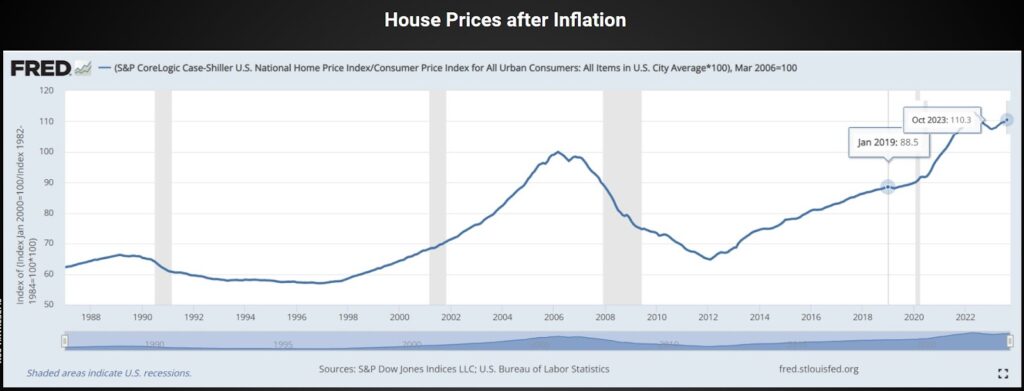
The most potent challenge to the FIRE movement in recent years has been the dramatic shift in the housing market. The commenter’s observation about housing affordability post-2019 is supported by hard data. The St. Louis Federal Reserve provides invaluable information on real estate trends, revealing a significant increase in inflation-adjusted house prices. Since the beginning of 2019, U.S. house prices have effectively "felt" about 25% more expensive relative to average salaries and the overall cost of goods and services. While this increase is notable, it’s also worth noting that prices are only up approximately 10% since the last peak in early 2006, suggesting a complex, cyclical market rather than an entirely unprecedented surge.
However, national averages can mask significant regional disparities. In highly desirable areas, the increases have been far more dramatic. For instance, the median home price in Longmont, Colorado—a city referenced by Mr. Money Mustache—has surged from around $200,000 in 2005 to an astonishing $540,000 today. This tripling in price far outpaces average wage growth over the same period, rendering homeownership virtually unattainable for many average-income individuals in such locales. Compounding this challenge are the rising interest rates that have characterized the post-pandemic recovery, pushing monthly mortgage payments even higher and further eroding affordability. According to Freddie Mac, the average 30-year fixed mortgage rate, which hovered around 3-4% for much of the 2010s, has seen significant increases, sometimes exceeding 7% in recent periods, drastically increasing the cost of borrowing and monthly housing expenses.
Strategic Relocation: The Mustachian Imperative
In the face of these formidable housing challenges, the Mustachian response is not to surrender but to adapt through strategic decision-making and geographic flexibility. The core philosophy dictates a shift from viewing oneself as a victim of external forces to an empowered agent of change. Housing, like any other product or service, is subject to market forces of supply and demand, and its cost is a variable, not a constant.
Re-evaluating Housing as a Choice
The initial step is to adopt a critical mindset, applying the fundamental Mustachian purchasing decision framework to housing:
- Do I need this? (Do I truly need to own, or can renting fulfill my needs?)
- Can I borrow/share? (Can I live with roommates, or in a co-living arrangement?)
- Can I buy it cheaper? (Are there more affordable properties in different neighborhoods, cities, or even countries?)
- Can I make it myself? (Less applicable to housing ownership, but relevant to home improvements or alternative structures if zoning allows).
- Can I live without it? (Can I drastically reduce my housing footprint, or choose a lifestyle that requires less traditional housing?)
This framework encourages a departure from ingrained assumptions, particularly the notion that one must own a home in their birthplace or current city regardless of cost. Urban economists and demographic researchers note a growing trend of "geographic arbitrage," where individuals leverage remote work capabilities or a willingness to relocate to areas with a lower cost of living, thereby significantly boosting their financial independence timeline.
Leveraging Data for Informed Decisions
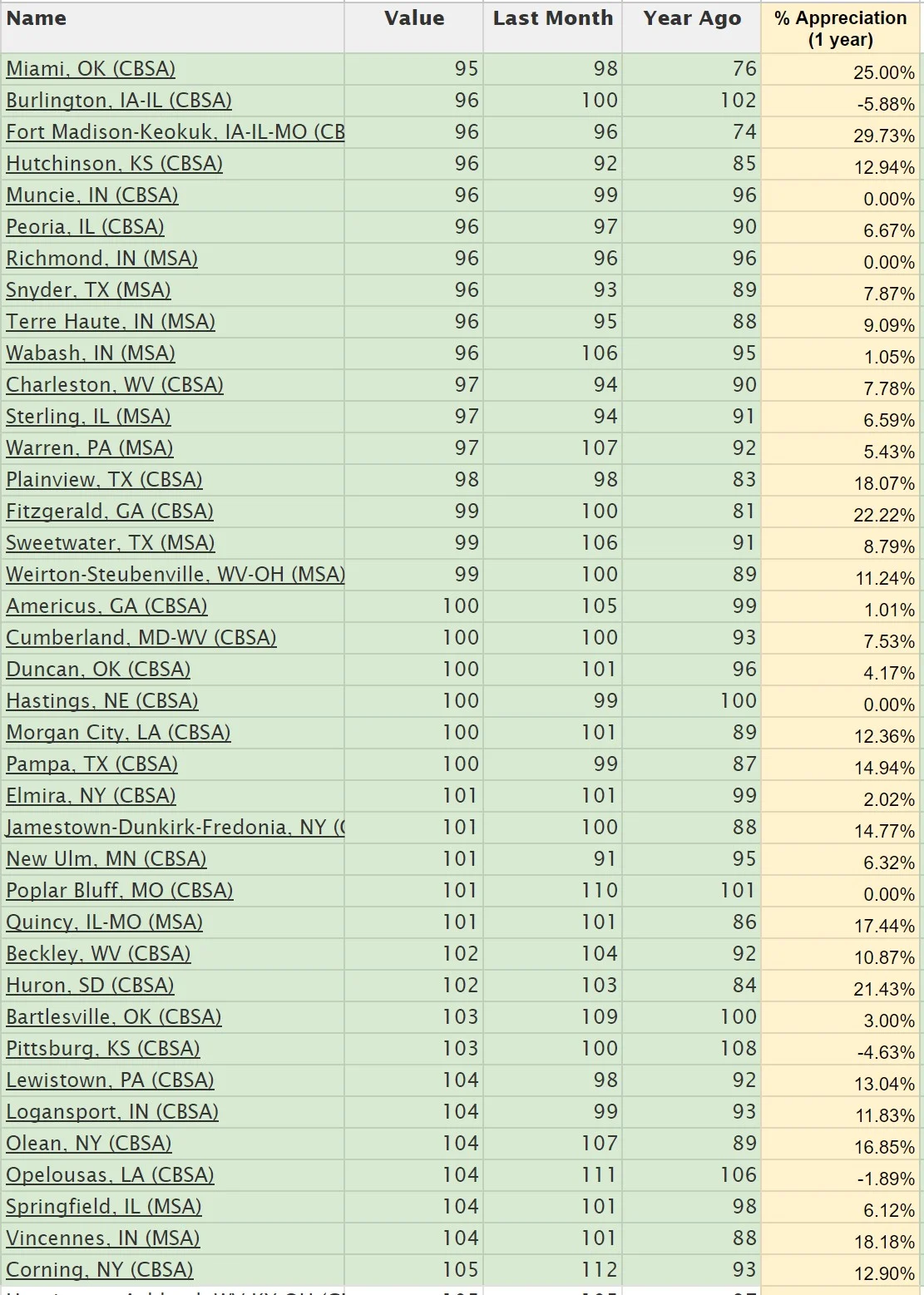
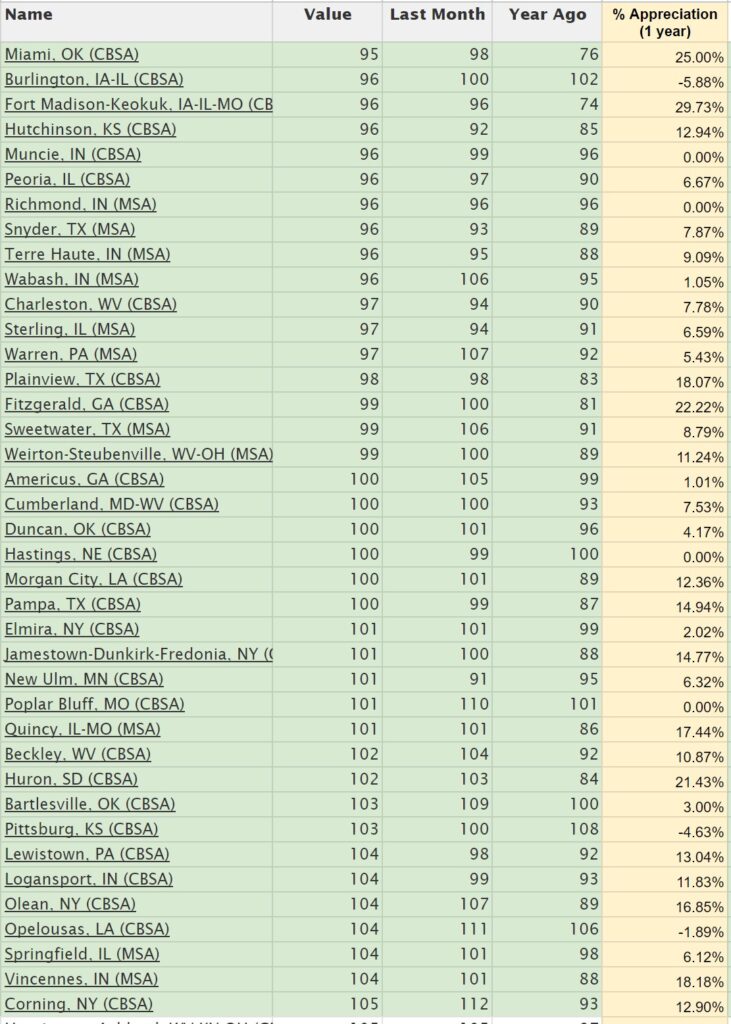
The internet offers a wealth of tools to facilitate this strategic relocation. The St. Louis Fed’s detailed list of the top 1,000 U.S. metro areas, complete with price per square foot data, serves as an excellent starting point. This data allows for objective comparisons, moving beyond anecdotal evidence or emotional attachment to a particular location. For example, comparing Longmont, CO (approx. $450/sq ft) to other cities reveals a broad spectrum of affordability. One could identify cities like Wichita, KS ($100/sq ft), Tulsa, OK ($110/sq ft), or Cleveland, OH ($120/sq ft) where a 2,000 sq ft home might cost $200,000-$240,000—a fraction of the price in high-cost areas. The data also provides insights into year-over-year price changes, helping identify markets that are appreciating, depreciating, or remaining stable.
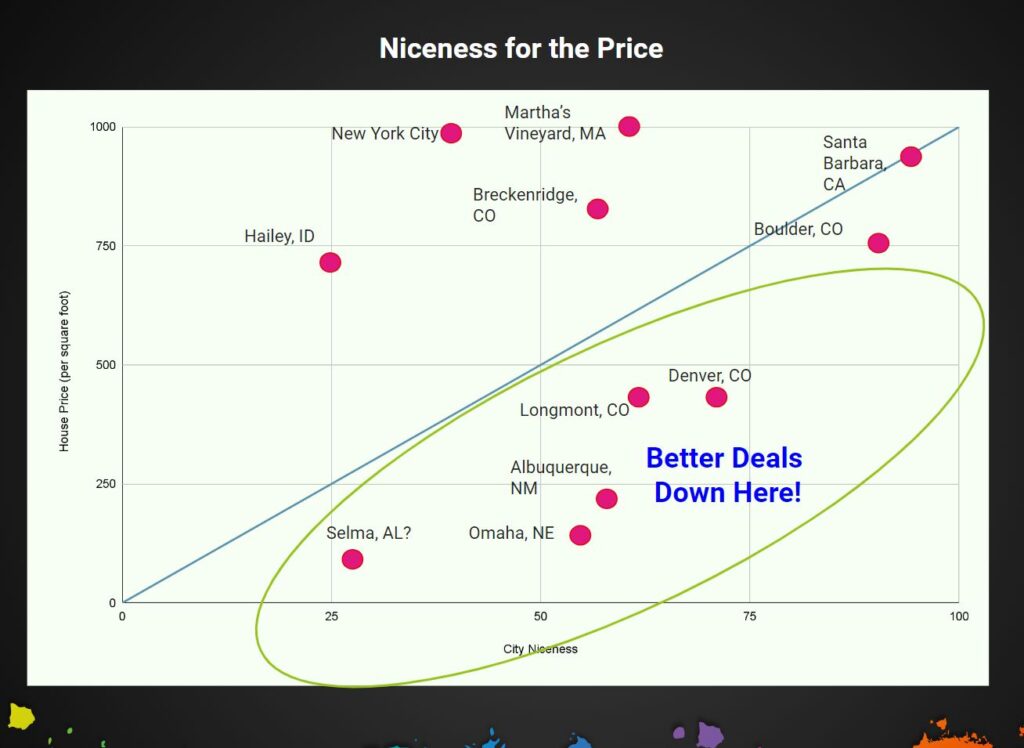
The subjective element of "niceness" for the price is also crucial. A personal assessment of factors like climate, access to nature, cultural amenities, and community vibe must be layered onto the cost data. This allows individuals to identify locations that offer a high quality of life at a significantly lower cost, potentially trading a higher housing expense in one city for superior amenities in another within the same price bracket. For instance, a person prioritizing sunny climates and outdoor recreation might consider Albuquerque, NM, as a more affordable alternative to pricier Colorado cities, or even explore Denver, CO, as a potentially "nicer" option than Longmont for a similar price point today.
Expanding Horizons: The Global Landscape
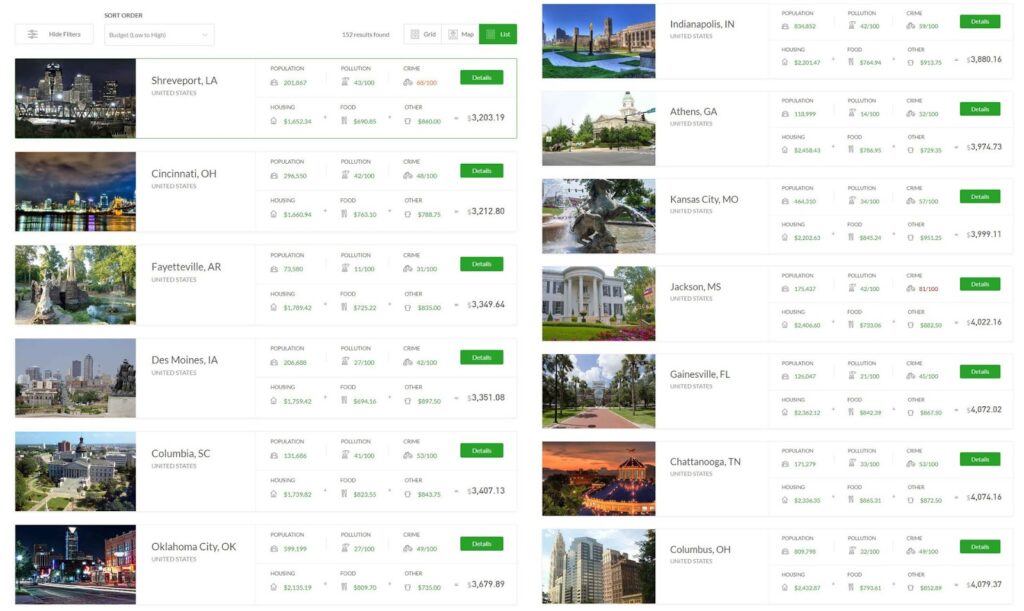
Beyond domestic relocation, the internet facilitates exploration of international options, further expanding the realm of possibility. Websites like "The Earth Awaits," created by FIRE bloggers, allow users to input detailed preferences (budget, family size, apartment type, desired climate) and generate lists of cities worldwide that meet their criteria.
A hypothetical search for a two-person family on a budget of up to $6,000 monthly, seeking a two-bedroom apartment outside a city center in North America, with January lows not colder than 10°F, could yield a diverse list including places like Fayetteville, AR; Columbia, MO; Athens, GA; and Chattanooga, TN. Each entry typically includes population data, giving a quick sense of the city’s scale and "feel." Such a search might reveal that Chattanooga, known for its vibrant outdoor scene and burgeoning arts community, offers a similar cost of living to Columbus, OH, providing valuable insights for further research.
Similarly, an adventurous search for South American locations under the same parameters might present options like Medellin, Colombia; Quito, Ecuador; or Buenos Aires, Argentina. These cities often boast significantly lower costs of living, vibrant cultures, and appealing climates, potentially offering an accelerated path to financial independence or a significantly enhanced retirement lifestyle.
The "Adulting Puzzles" of Relocation
The primary hurdle to relocation, especially internationally, is often not financial but psychological. Deep-seated ties to family, friends, and community, coupled with an innate human fear of change, can create significant resistance. However, viewing relocation as a series of "Adulting Puzzles" rather than insurmountable obstacles can reframe the challenge. Tasks such as researching visa requirements, understanding local laws, navigating healthcare systems, and learning new customs are indeed administrative efforts. Yet, they are largely research-based and procedural, akin to other life transitions. Mr. Money Mustache’s personal experience of moving from Canada to the U.S. alone after high school serves as a testament to the feasibility of such transitions, even for those initially daunted by bureaucracy.
The perceived "hassle" of a few weeks or months of administrative work pales in comparison to the "hassle" of working an extra 10-15 years to afford an inflated cost of living, or enduring a suboptimal living environment indefinitely. The personal growth derived from navigating new cultures, languages, and systems is an invaluable, often overlooked, benefit of international relocation, contributing to a richer, more adaptable life.
Case Studies and Broader Implications
The practical application of geographic flexibility is evident in various scenarios. A comparison between the Phoenix and Denver metropolitan areas illustrates that even within the U.S., regional differences, while sometimes subtle in price per square foot (e.g., Phoenix at $272 vs. Denver at $299), can offer distinct lifestyle advantages. Both regions offer abundant sunshine and mountain recreation, but their climates differ significantly. This allows for advanced strategies like seasonal living, where individuals might spend winters in Phoenix and other seasons in Colorado, optimizing for climate preferences without being tied to a single, high-cost location year-round.
The broader implications of this trend are significant. For individuals, it democratizes financial independence, making it accessible to a wider range of income levels through strategic choices. For cities and regions with lower costs of living, it represents an opportunity for revitalization, attracting new talent, investment, and diverse populations, particularly in the era of remote work. Conversely, high-cost cities may face challenges in retaining their middle-class residents and essential workers if they cannot address affordability issues.
From a macroeconomic perspective, the increasing fluidity of labor and capital enabled by remote work and digital tools could lead to a more balanced distribution of wealth and population across geographical areas. Financial advisors increasingly counsel clients on the benefits of geographic arbitrage, noting that it can drastically alter retirement timelines and quality of life. Urban planners, too, are grappling with how to adapt infrastructure and services to accommodate potential population shifts driven by cost-of-living considerations.
Conclusion: A Call for Adaptability and Choice
The current economic landscape, particularly the dramatic surge in housing costs and interest rates, undoubtedly presents new hurdles for those pursuing financial independence. However, the foundational principles of the FIRE movement—conscious spending, aggressive saving, and strategic investment—remain profoundly relevant. The key lies not in abandoning these principles, but in embracing adaptability and a willingness to challenge conventional wisdom, particularly regarding housing.
Housing, a fundamental pillar of personal finance, is ultimately a choice. By leveraging data, exploring diverse geographic options both domestically and internationally, and reframing the challenges of relocation as opportunities for personal growth, individuals can regain agency over their financial destiny. The journey to financial independence in 2024 and beyond demands not just financial acumen, but also an adventurous spirit and a readiness to make informed, courageous choices about where and how one chooses to live. The planet, with its myriad affordable and appealing locales, truly awaits those willing to look beyond their immediate surroundings and commit to a thoughtful, data-driven approach to their most significant living expense.

