
Prominent personal finance blogger and early retirement advocate, Mr. Money Mustache (real name Peter Adeney), has recently addressed recurring criticisms that his accumulated wealth has detached him from the realities of the "common person." These critiques often suggest that his once-radical money-saving advice no longer applies to his current lifestyle, implying a departure from the very principles he espoused to achieve financial independence. However, Adeney asserts that his fundamental approach to living an enjoyable and efficient life remains largely unchanged, demonstrating that the core tenets of Mustachianism are not merely about initial sacrifice but about cultivating a sustainable, fulfilling, and inherently frugal way of living that persists irrespective of net worth.
Background: The Rise of Mustachianism and the FIRE Movement
Mr. Money Mustache rose to prominence over a decade ago as a leading voice in the Financial Independence, Retire Early (FIRE) movement. Through his widely read blog, launched in 2011, Adeney chronicled his journey to early retirement at age 30, advocating for aggressive savings, mindful spending, and a rejection of consumerist culture. His philosophy, dubbed "Mustachianism," encourages readers to question societal norms around work and consumption, emphasizing self-sufficiency, efficiency, and a deep appreciation for experiences over material possessions. This approach resonated with millions, inspiring a generation to rethink their relationship with money and work.
Over the years, as Adeney’s blog gained massive traction and his personal wealth grew through investments and business ventures, a common criticism emerged: that his considerable financial success had rendered his advice impractical for those still striving for financial stability. Critics often hypothesize that individuals who achieve such wealth inevitably adopt more lavish lifestyles, abandoning the very frugality that propelled them to independence. This recent article serves as a direct rebuttal, offering concrete examples of how ingrained these "money-saving things" remain in his daily life, not as sacrifices, but as preferred ways of living.
Mustachianism: Beyond Mere Sacrifice to Cultivated Efficiency
Adeney draws a clear distinction between what he terms "Standard Advice" and the Mustachian philosophy. Standard financial advice, he argues, often focuses on a temporary period of austerity—slashing spending and making sacrifices solely to reach a specific savings percentage. Once that goal is achieved, the advice typically suggests that further spending choices are entirely personal, potentially leading to a "FatFIRE" scenario where increased income justifies increased consumption.
In contrast, Mustachianism advocates for a deeper, more transformative approach: "Cultivate a love of efficiency, creativity, self awareness, and self improvement. Use this knowledge to improve your life in all ways, including those which help you live better even as your monthly expense rate drops over time." This perspective positions frugality not as a chore, but as an integral part of a richer, more intentional existence. The pursuit of financial independence becomes intertwined with a commitment to personal growth, environmental consciousness, and community engagement.

To illustrate these enduring principles, Adeney outlines six key practices that continue to define his lifestyle, each offering substantial financial benefits while simultaneously enhancing quality of life. He quantifies the long-term impact of these habits by estimating their savings potential over a decade, utilizing a "rule of 172" multiplier (monthly expense multiplied by 172 to estimate compound savings over ten years, assuming consistent investment returns).
1. Self-Sufficiency in Home Maintenance and Renovation
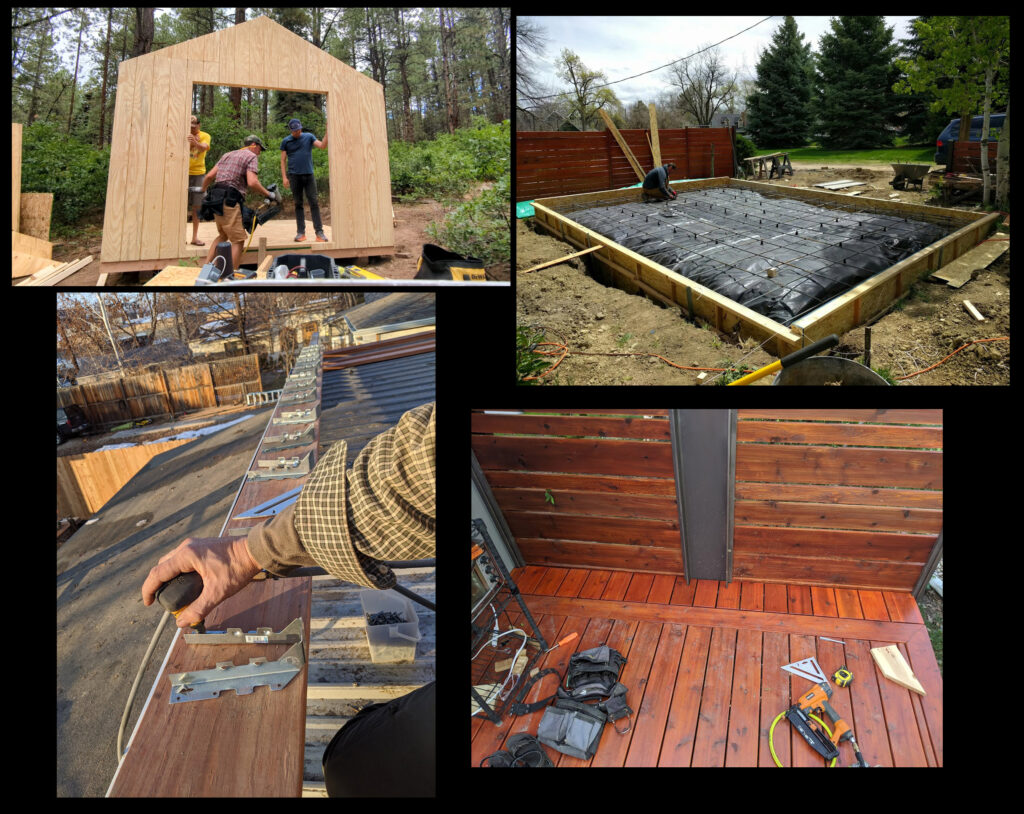
A cornerstone of the Mustachian ethos is self-reliance, particularly concerning home ownership. Rather than outsourcing every repair or renovation, Adeney emphasizes developing the skills to manage one’s own living spaces. This is presented not just as a cost-saving measure but as a source of immense personal satisfaction and empowerment. His enjoyment of "solving problems and redesigning old buildings to become new again" translates into a significant financial advantage.
The average homeowner in the United States can spend thousands annually on maintenance and repairs, with major renovations easily costing tens of thousands. By actively engaging in DIY projects, from minor fixes to extensive remodels, individuals can bypass contractor fees, which often include substantial labor markups. Furthermore, the ability to improve and customize one’s home fosters a deeper connection to the living environment. This practice, he estimates, saves an average of $20,000 per year, compounding to approximately $287,000 per decade. This figure underscores the profound economic impact of self-sufficiency, allowing homeowners to retain significant capital that would otherwise be spent on external services.
2. Leveraging Second-Hand Markets and Community Sharing
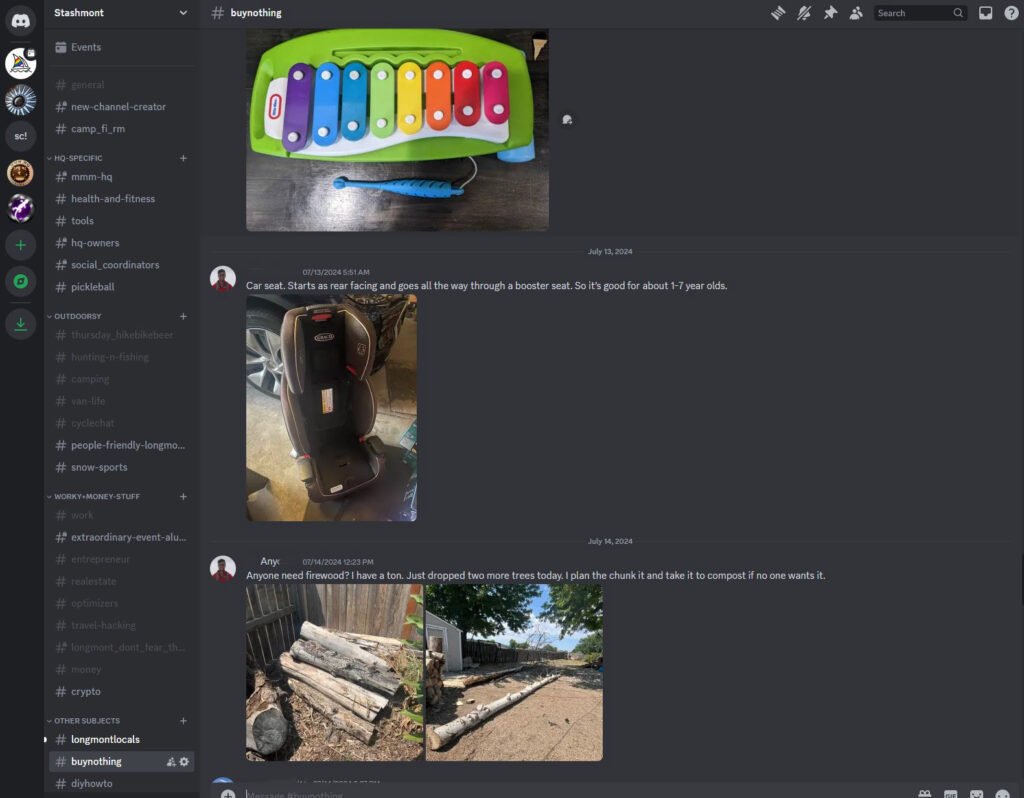
In an age of instant gratification and readily available new products, Mustachianism champions the circular economy. The act of acquiring items through platforms like Craigslist, Facebook Marketplace, or local "Buy Nothing" groups is presented not as a compromise, but as a superior alternative to conventional retail. This approach reduces waste, fosters community connections, and yields substantial financial savings.
The average American household often spends hundreds, if not thousands, annually on new household goods, furniture, and electronics. By opting for pre-owned items, consumers can acquire high-quality goods at a fraction of their original cost, or even for free. Beyond the transactional benefits, engaging with these platforms often leads to the formation of local networks and friendships, enriching social capital. Adeney highlights his participation in the MMM-HQ community’s Discord server, where members actively swap goods and offer DIY advice, illustrating the social dividends of this practice. He estimates annual savings and earnings from this habit at several thousand dollars, totaling around $42,000 per decade. This figure reflects the cumulative power of small, consistent choices in reducing consumption and maximizing resource utility.
3. Prioritizing Active Transportation: Bikes Over Cars
Perhaps the most iconic tenet of Mr. Money Mustache’s philosophy is the fervent advocacy for bicycle transportation. This choice is portrayed not merely as a mode of travel but as a holistic lifestyle decision that positively impacts finances, health, and environmental footprint. The "True Cost of Commuting" analysis, a seminal blog post, meticulously details how car ownership incurs costs far beyond fuel, including depreciation, insurance, maintenance, and parking, collectively amounting to at least 50 cents per mile.
By choosing bikes or walking for the vast majority of local trips, individuals drastically reduce their transportation expenses. While Adeney’s specific context (living in a small city center) limits his annual bike mileage to around 2,000 miles, this still translates to an estimated savings of $14,000 per decade. More broadly, the U.S. Bureau of Labor Statistics indicates that transportation is often the second-largest household expenditure after housing. Reducing car dependency can free up significant financial resources. Beyond the immediate monetary benefits, active transportation profoundly impacts physical and mental health, reducing the likelihood of sedentary lifestyle-related illnesses.
4. Embracing Physical Activity: Muscle Over Motor
Extending the principle of active transportation, Mustachianism encourages the integration of physical effort into daily routines, favoring "muscle over motor" whenever possible. This means choosing stairs over elevators, manual labor over automated machinery for household tasks, and generally seeking opportunities for incidental exercise. This approach is framed as a conscious decision for better health and fitness, rather than a forced regimen.

While direct monetary savings from such habits are harder to quantify precisely, the long-term health benefits are undeniable. The Centers for Disease Control and Prevention (CDC) consistently highlights the link between physical activity and reduced risk of chronic diseases such as heart disease, diabetes, and certain cancers. The average annual healthcare spending in the U.S. is substantial, exceeding $13,000 per person. By maintaining a high level of physical fitness through daily activity, individuals can significantly reduce their risk of incurring future medical costs, medication expenses, and productivity losses due to illness. Adeney conservatively estimates this practice yields $10,000 in annual savings and benefits, equating to an impressive $140,000 per decade. This underscores the profound economic value of preventative health and active living.
5. Sustainable Home Management: The "Glamping Retreat" Approach
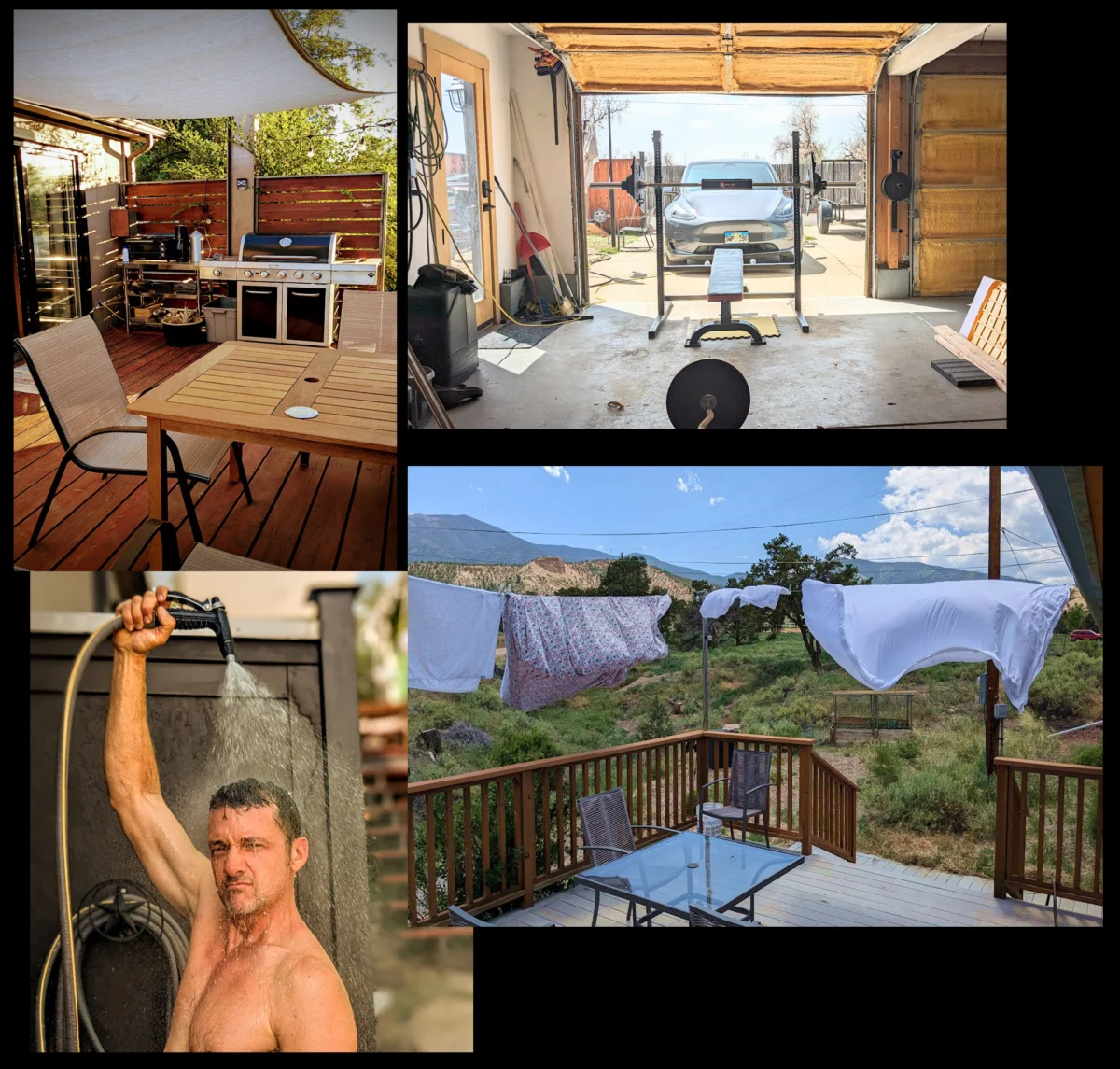
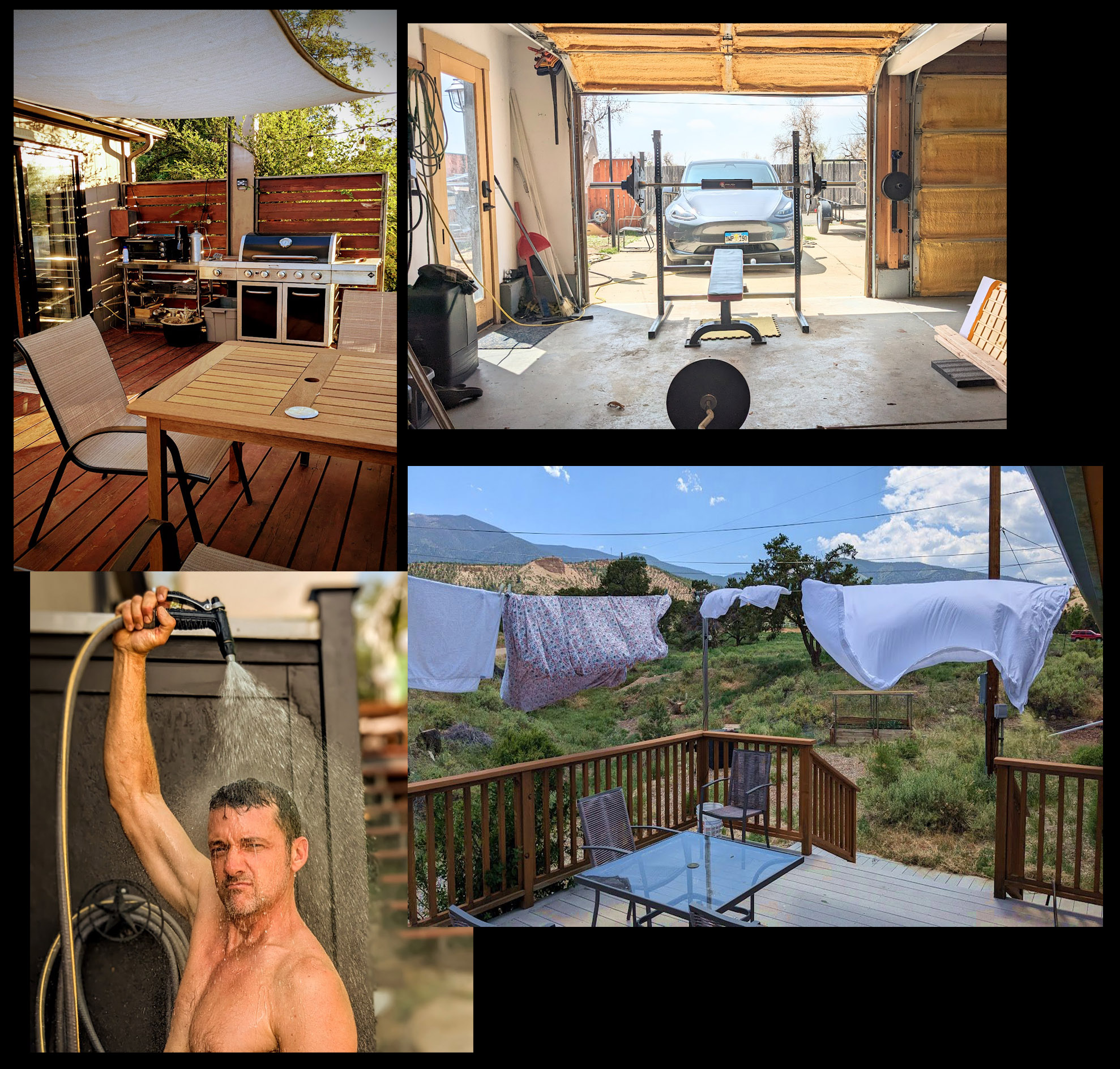
This practice highlights creative and often unconventional methods of energy conservation, blending engineering principles with a desire for seasonal living. Adeney describes running his home like a "glamping retreat," incorporating elements such as passive solar design, outdoor showering and cooking during warmer months, and line-drying laundry. These choices significantly reduce reliance on conventional utilities.
The average American household spends hundreds of dollars monthly on gas and electricity. By contrast, Adeney’s combined utility usage is significantly lower, demonstrating the potential for substantial savings. While specific energy-saving modifications like installing large windows for passive solar gain might involve initial investments, they yield long-term returns through reduced heating and cooling costs. The commitment to living in harmony with seasonal changes, such as embracing cooler indoor temperatures in winter or utilizing outdoor spaces for daily activities, not only saves money but fosters a more mindful and resilient lifestyle. These collective efforts, while seemingly minor individually, contribute to an estimated savings of $30,000 per decade. This illustrates how a playful, experimental approach to home efficiency can create both financial value and an enhanced living experience.

6. Prioritizing Local Living Over Constant Travel
In a culture that often equates constant travel with a fulfilling life, Mustachianism offers a counter-narrative: the profound value of local living and community engagement. While acknowledging the enriching aspects of travel, the philosophy advocates for discerning choices, balancing exotic adventures with a deep appreciation for home and local connections. The costs associated with travel—flights, accommodation, dining out, and activities—can quickly escalate, particularly for families.
By consciously choosing to spend more time at home and engaging with local friends and community events, individuals can save significantly on travel expenses. Beyond direct monetary savings, local living fosters stronger community bonds, reduces environmental impact (particularly carbon emissions from air travel), and cultivates a deeper appreciation for one’s immediate surroundings. The benefits extend to reduced stress from travel planning, more predictable routines, and enhanced well-being through familiar comforts. Adeney estimates that replacing just two weeks of family travel with equivalent time at home could save $5,000 annually in direct costs, with an additional $5,000 in incidental benefits such as improved health and local friendships. This conservative estimate results in a striking $143,000 increase in wealth per decade, highlighting the often-overlooked financial and lifestyle advantages of savoring home life.
Cumulative Impact and Broader Implications
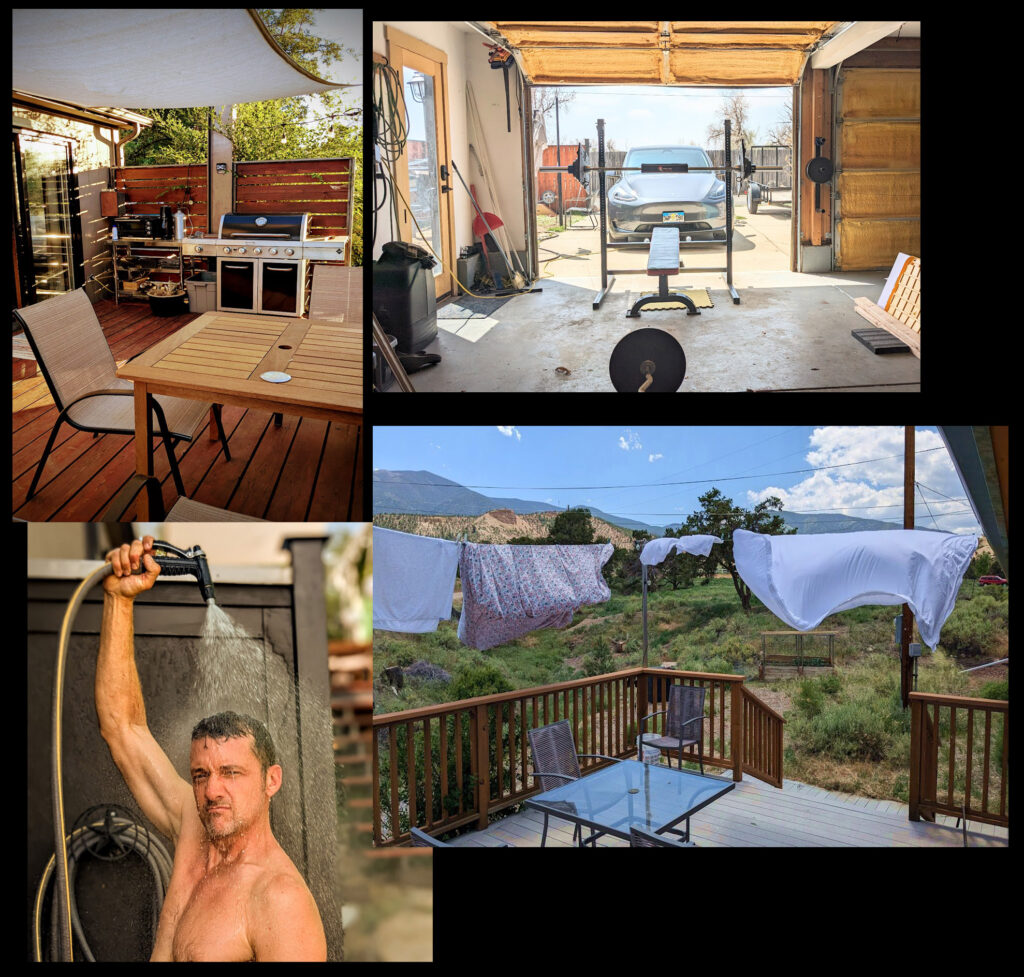
Taken collectively, these six lifestyle choices, which Adeney insists he genuinely enjoys, represent a compounding wealth increase of approximately $656,000 every decade. To put this into perspective, this figure alone more than doubles the median wealth of most American seniors as they enter retirement, often after over 40 years in the workforce. This powerful demonstration challenges the notion that frugality is merely a temporary phase or a hardship endured for future gain. Instead, it posits that a life built on efficiency, self-sufficiency, and community can be inherently joyful and financially empowering, irrespective of one’s current net worth.
The enduring relevance of Mr. Money Mustache’s philosophy lies in its reframing of financial success not as an endpoint, but as an ongoing journey intertwined with a chosen way of life. His continued adherence to these principles, even after achieving significant wealth, serves as a powerful testament to their efficacy and sustainability. It suggests that true financial independence is less about reaching a monetary threshold and more about cultivating habits that enhance both personal well-being and fiscal health. In an era grappling with consumer debt, environmental concerns, and the pursuit of meaningful living, the Mustachian approach offers a compelling blueprint for a life that is both financially secure and deeply satisfying.

