
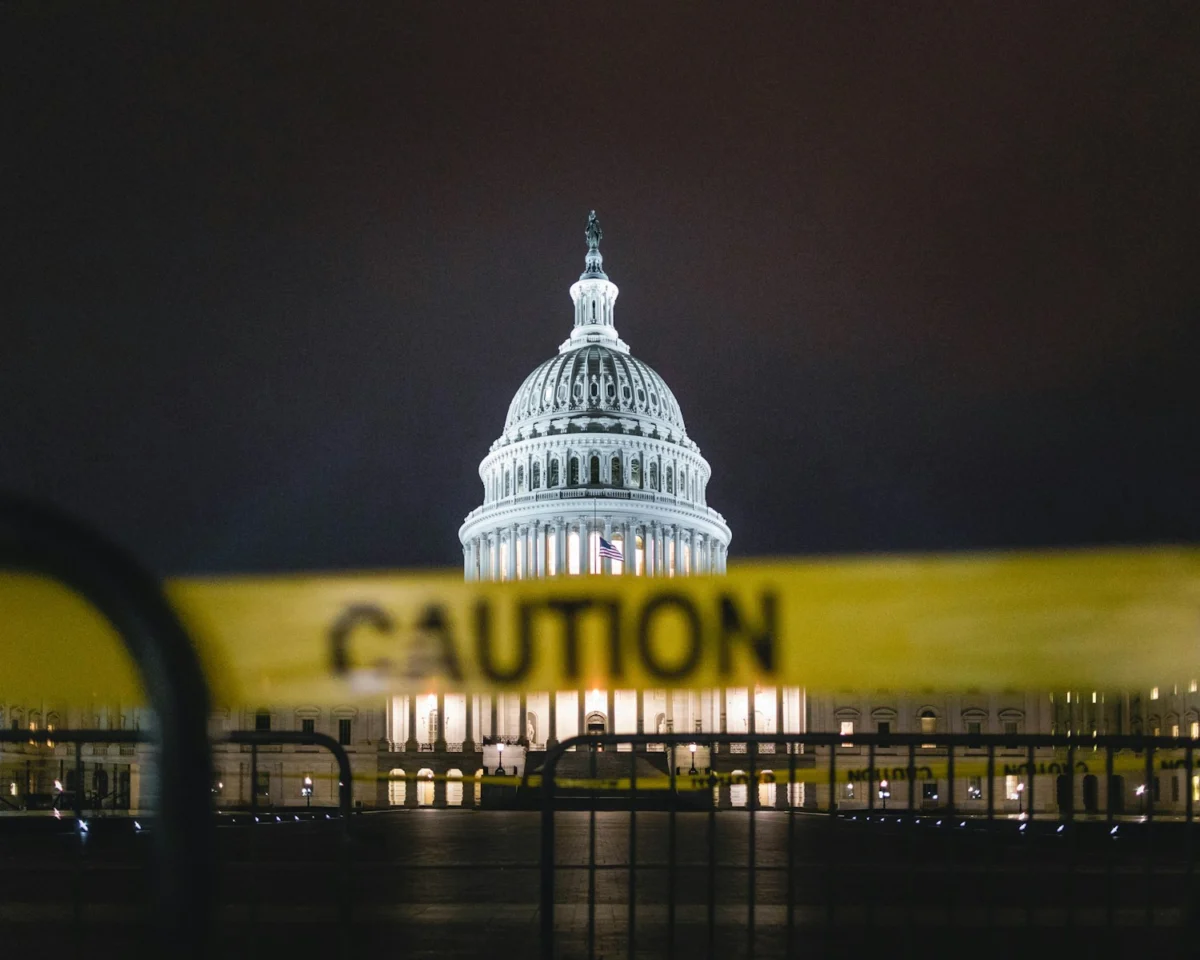
When you file a complaint about a debt collector or a credit report error, you expect it to be addressed. This fundamental expectation hinges on the continued operation of the Consumer Financial Protection Bureau (CFPB), an agency currently embroiled in a protracted legal battle over its funding. This struggle has persisted through federal courts for more than a year, culminating in significant rulings in 2026 that dictate the agency’s immediate future and profoundly impact the millions of consumers it serves. As of October 2026, the CFPB remains operational, but the path forward is still contested, with a critical appeal pending before the Ninth Circuit.
The CFPB’s Unique Funding Mechanism and Its Historical Challenges
To understand the current legal quagmire, one must first grasp the CFPB’s origins and its distinct funding model. Established in the wake of the 2008 financial crisis through the Dodd-Frank Wall Street Reform and Consumer Protection Act, the CFPB was designed to be an independent agency tasked with protecting consumers in the financial marketplace. Its mandate is broad, covering everything from mortgages and credit cards to student loans and debt collection. A cornerstone of its independence was its funding structure: unlike most federal agencies that rely on annual congressional appropriations, the CFPB draws its budget directly from the Federal Reserve, up to a statutorily defined cap. This design was intended to shield the agency from political interference and enable it to pursue its mission without constant budgetary pressures.
However, this unique funding mechanism has been a source of contention since the agency’s inception. Critics, primarily from conservative legal circles and some financial industry groups, have argued that this arrangement violates the Constitution’s separation of powers by insulating the CFPB from congressional oversight through the appropriations process. They contend that it grants the agency unchecked power, allowing it to operate without sufficient accountability to elected representatives.
This constitutional challenge reached its apex with the landmark Supreme Court case, CFPB v. Community Financial Services Association of America (CFSA), decided in May 2024. In a pivotal ruling, the Supreme Court ultimately upheld the CFPB’s funding structure, affirming that drawing funds from the Federal Reserve does not violate the Appropriations Clause. The Court concluded that Congress had, in fact, appropriated these funds by establishing the mechanism in the Dodd-Frank Act. This decision was widely seen as a major victory for the CFPB and consumer protection advocates, seemingly settling the fundamental debate over the agency’s existence and funding source.
The Resurfacing of the Funding Fight in 2026: A New Angle of Attack
Despite the Supreme Court’s 2024 affirmation, the CFPB’s funding fight has resurfaced in 2026, taking on a new, more nuanced dimension. Rather than challenging the source of funding, the current legal battles center on the process by which the agency requests and receives those funds, and the discretion of its leadership in doing so. This new wave of litigation suggests an ongoing effort to curtail the agency’s operational capacity, even if its constitutional structure has been upheld.
The genesis of this renewed conflict traces back to the Trump administration’s tenure, specifically to actions taken by former acting Director Russell Vought. Vought argued that the agency possessed the discretion to skip its routine funding requests from the Federal Reserve, citing the Federal Reserve’s own non-profit status as justification. This maneuver was interpreted by opponents as an attempt to effectively defund the agency from within, bypassing congressional and judicial oversight by simply refusing to draw its allocated budget.
On March 13, 2026, a federal judge, Edward Davila, delivered a significant blow to this argument. Judge Davila ruled that Vought’s decision to forgo routine funding requests violated federal law, asserting that the CFPB is legally obligated to request the funds necessary for its operation. He issued an order mandating the CFPB to continue its funding requests without setting an end date, ensuring the agency’s financial lifeline.
The CFPB, under its current leadership, appealed Judge Davila’s ruling to the Ninth Circuit in May 2026, indicating that the agency itself sought to retain the flexibility to manage its funding requests. This appeal remains pending, casting a shadow of uncertainty over the long-term resolution of the issue.
Compounding this complex legal landscape, a separate case emerged, leading to another setback for the agency. On September 28, 2026, a federal court in Oregon ruled against the current acting director, Mark Paoletta. This ruling, initiated by a coalition of state attorneys general, including Minnesota’s, similarly ordered Paoletta to request the necessary funding from the Federal Reserve. The consistency of these two independent court decisions — both rejecting the agency’s discretionary funding maneuver — underscores a judicial consensus that the CFPB must actively seek the funds it requires to operate under existing law. These rulings highlight that while the Supreme Court affirmed the legality of the Fed funding, the obligation to request that funding is now also firmly established by lower courts.
The CFPB’s Indispensable Role: A Lifeline for Millions of Consumers
The significance of these legal battles cannot be overstated, given the critical role the CFPB plays in the daily financial lives of American consumers. The agency serves as a vital conduit for complaints against banks, lenders, debt collectors, and other financial entities, pushing these companies to respond and resolve issues. Its consumer response function is not merely bureaucratic; it is a mechanism that provides tangible relief and accountability in an often-complex and intimidating financial landscape.
The sheer volume of complaints handled by the CFPB illustrates its necessity. In 2025 alone, the agency processed an astonishing 6.6 million complaints. This figure represents a staggering increase, more than double the 3.2 million complaints filed in 2024, reflecting both growing consumer awareness of the CFPB’s services and an ongoing need for intervention in financial disputes.
A granular look at the complaint data reveals the areas where consumers most frequently seek help. Credit and consumer reporting complaints have consistently topped the list for five consecutive years, accounting for a dominant 88 percent of all complaints in 2025. These often stem from critical issues such as inaccurate information on credit reports, identity theft, or disputes over credit card charges. Other significant categories include debt collection, mortgages, and bank accounts, encompassing a wide array of problems from missed refunds and denied disputes to erroneous fees and predatory lending practices. For individuals grappling with problems related to their credit cards, loans, or banking services, the CFPB often represents the primary, and sometimes only, effective avenue for resolution.
The agency’s efficiency in processing these complaints is also remarkable. According to the CFPB’s 2025 Consumer Response Annual Report, the Bureau forwarded over 5.9 million complaints to more than 4,000 companies. A staggering 97 percent of these complaints were sent to companies within one business day, demonstrating the agency’s rapid response capabilities. Furthermore, companies responded to 99.6 percent of these complaints on time, indicating the significant leverage and influence the CFPB holds over financial institutions. A disruption in this system, such as a shutdown or severe scaling back of operations, would not merely delay paperwork; it would effectively dismantle the most reliable federal channel through which millions of consumers gain redress and accountability from financial service providers.
Beyond individual complaints, the CFPB also uses the aggregated data from these interactions to identify systemic issues, conduct market research, and inform its enforcement actions. These insights are crucial for proactive regulation, allowing the agency to target predatory practices, issue new rules, and impose penalties on companies that violate consumer protection laws. The agency’s enforcement actions have resulted in billions of dollars in monetary relief for consumers and significant changes in industry practices, demonstrating its broader impact beyond individual case resolution.
The Perilous Implications of a Funding Interruption
The ongoing Ninth Circuit appeal, with its uncertain outcome, casts a long shadow over the CFPB’s future. Should the appellate judges side with the administration’s funding theory – that the agency has the discretion to cease requesting funds – the implications would be severe and far-reaching.
-
Impact on Consumers: A funding cessation would inevitably force the Bureau to drastically scale back its operations. Millions of pending complaints, covering everything from erroneous credit report entries to aggressive debt collection tactics, would be put at risk of delay, indefinite suspension, or outright abandonment. New complaints might not be processed at all. This would leave consumers without a crucial federal avenue for recourse, potentially leading to increased financial distress, prolonged disputes, and a greater vulnerability to unethical financial practices. The trust in the financial system itself could erode if consumers feel they have no recourse against powerful institutions.
-
Strain on State-Level Protections: State attorneys general and state consumer protection offices heavily rely on the CFPB’s complaint data, expertise, and enforcement actions. They use this federal intelligence to spot patterns of bad lending and fraudulent activities within their own states, enabling targeted state-level interventions. If the CFPB’s operations are curtailed, states would be forced to shoulder a significantly heavier burden of oversight and enforcement. The reality, however, is that not every state possesses the staff, budget, or jurisdictional reach to effectively take on the full scope of this federal responsibility. This would create a patchwork of protection across the country, leaving many consumers in states with fewer resources dangerously exposed.
-
Regulatory Vacuum and Industry Response: A weakened CFPB could create a regulatory vacuum. While some financial institutions might welcome reduced oversight, others might face increased uncertainty and potentially a proliferation of state-level lawsuits if federal intervention declines. Responsible businesses might even find themselves at a disadvantage against less scrupulous competitors who exploit the diminished regulatory environment. The absence of a strong federal watchdog could also lead to a resurgence of the very predatory practices that prompted the CFPB’s creation in the first place.
-
Economic Stability: Consumer financial health is intrinsically linked to broader economic stability. A robust consumer protection framework helps prevent systemic risks by ensuring fair play and accountability in financial markets. A significant weakening of this framework could introduce new vulnerabilities into the financial system, potentially impacting economic growth and stability.
Voices from the Front Lines: Reactions and Perspectives
The ongoing legal fight has elicited strong reactions from various stakeholders:
-
Consumer Advocates: Organizations like the Consumer Federation of America and Public Citizen have consistently voiced alarm over any attempts to undermine the CFPB. They emphasize the agency’s vital role in leveling the playing field between individual consumers and large financial institutions, particularly in complex areas like credit reporting and debt collection where individuals often lack the resources or expertise to fight on their own. They argue that any disruption to the CFPB’s funding is a direct attack on consumer rights.
-
State Attorneys General: The fact that state attorneys general initiated the Oregon lawsuit against Acting Director Paoletta underscores their profound reliance on the CFPB. Statements from these officials often highlight their concerns about diminished access to crucial complaint data and the increased burden that would fall on already stretched state resources. They view the CFPB as a necessary partner in a collaborative effort to protect citizens.
-
Financial Industry Associations: While some segments of the financial industry have historically supported efforts to rein in the CFPB, others express a desire for regulatory clarity and stability. A fragmented or unpredictable regulatory environment, even one with less federal oversight, can create its own set of challenges for businesses seeking to operate compliantly across state lines. Their public statements often balance concerns about regulatory burden with an acknowledgment of the need for consumer trust in the financial system.
-
CFPB Leadership: Despite the legal challenges, the CFPB’s acting director, Mark Paoletta, and other agency officials have consistently affirmed their commitment to the agency’s mission. Their public statements and actions, including the appeal to the Ninth Circuit, indicate a determination to maintain operational flexibility while continuing to serve consumers, even under intense judicial scrutiny.
Protecting Yourself Amidst Uncertainty: Proactive Consumer Steps
While the courts deliberate on the CFPB’s future, consumers do not have to wait passively. Proactive steps can significantly mitigate potential risks and provide a personal safety net:
-
Dispute Errors Directly: The primary line of defense against credit report errors or billing mistakes remains disputing them directly with the source. For credit reporting inaccuracies, contact the three major credit bureaus – Equifax, Experian, and TransUnion – in writing. This process is independent of the CFPB’s funding status. Ensure you follow their specific dispute procedures and deadlines.
-
Maintain Meticulous Records: Keep a comprehensive paper trail of every interaction related to a financial dispute. This includes copies of letters, emails, screenshots of online communications, dates, times, and names of individuals you spoke with. Strong documentation is invaluable if a dispute escalates or requires external intervention.
-
Leverage State and Federal Alternatives: If a direct dispute with a company proves unsuccessful, and the CFPB’s capacity is uncertain, turn to other governmental bodies. Your state attorney general’s consumer protection office is a vital resource. Additionally, the Federal Trade Commission (FTC) accepts complaints about a wide range of consumer issues, including those involving lenders, debt collectors, and credit reporting. While their powers may differ from the CFPB’s, they can still provide assistance and identify patterns of misconduct.
-
Build a Financial Cushion: One of the most effective personal protections against financial mishaps, such as a surprise charge or a disputed bill, is a robust emergency fund. Having a cushion of savings provides the flexibility to pay an unexpected charge while you dispute its legitimacy, preventing it from accumulating high interest or damaging your credit. This financial resilience becomes even more critical when the federal agency designed to be your primary backstop is engaged in its own fight for survival.
-
Stay Informed: The legal landscape is fluid. Bookmark the CFPB’s official newsroom page and follow reputable financial news outlets for updates on the Ninth Circuit appeal and any subsequent rulings. Court decisions can shift the timeline and operational reality of the agency rapidly.
Frequently Asked Questions About the CFPB Shutdown
-
Is the CFPB Shutting Down Right Now? No. As of October 2026, federal courts have repeatedly ordered the CFPB to continue requesting and receiving funding from the Federal Reserve. The agency remains open and operational while its appeal plays out at the Ninth Circuit.
-
What Happens to My Complaint If the CFPB Loses Funding? A loss of funding or a court ruling allowing the agency to cease funding requests could significantly delay or halt the processing of new complaints. Complaints already filed would technically remain in the system, but the staff and resources required to process them could drastically shrink, leading to indefinite delays or a lack of resolution.
-
Who Is Mark Paoletta? Mark Paoletta is the CFPB’s current acting director. A federal court in Oregon, on September 28, 2026, issued an order specifically directing him to request the necessary funding from the Federal Reserve, underscoring the legal obligation of the agency’s leadership.
-
Can I Still File a Complaint With the CFPB Today? Yes. The CFPB’s complaint portal remains open, and the agency is legally compelled by court orders to continue requesting funding from the Federal Reserve to maintain its operations. Consumers should continue to utilize this channel as it is still active.
-
What Should I Do if the CFPB Cannot Help Me? If the CFPB’s capacity is limited or you seek alternative avenues, immediately contact your state attorney general’s consumer protection division. The Federal Trade Commission (FTC) is also an important resource, accepting complaints about various financial service providers, debt collectors, and credit reporting errors.
Final Thoughts
It is entirely reasonable for consumers to feel unsettled by the spectacle of a critical federal agency, responsible for handling millions of financial complaints annually, entangled in lawsuits over its very funding. The current legal battles in 2026 represent a continuation of long-standing efforts to redefine the CFPB’s operational autonomy, even after the Supreme Court affirmed its constitutional funding structure.
However, amidst this legal uncertainty, a core truth remains: consumers retain the power to act proactively to protect their financial well-being. Disputing errors directly with credit bureaus, maintaining meticulous records, and building a financial emergency fund are timeless strategies that provide personal resilience. While courts will continue to rule on the CFPB’s funding and operational discretion, your diligent financial habits and awareness of alternative resources do not have to wait for those outcomes. Staying informed and proactive is the strongest defense in an evolving financial landscape.

