
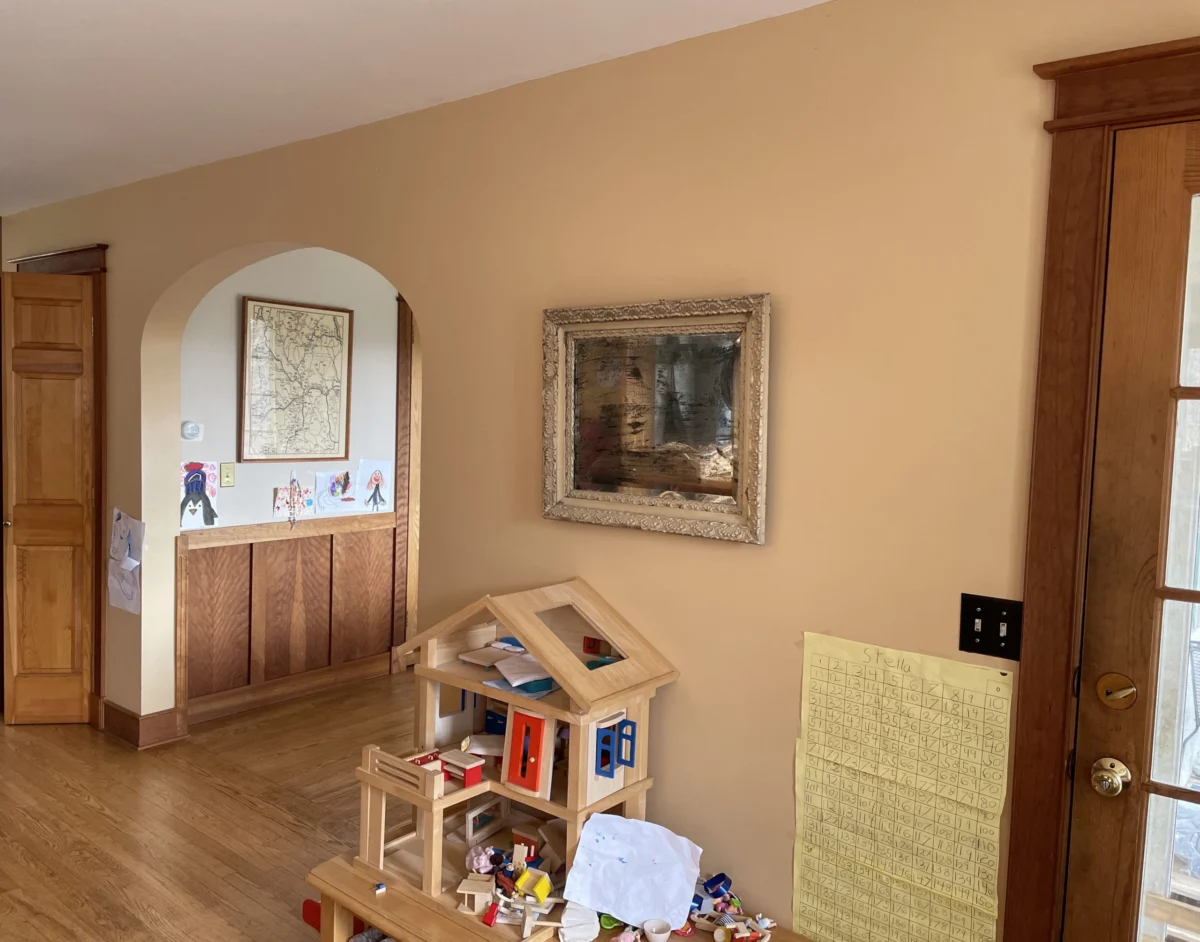
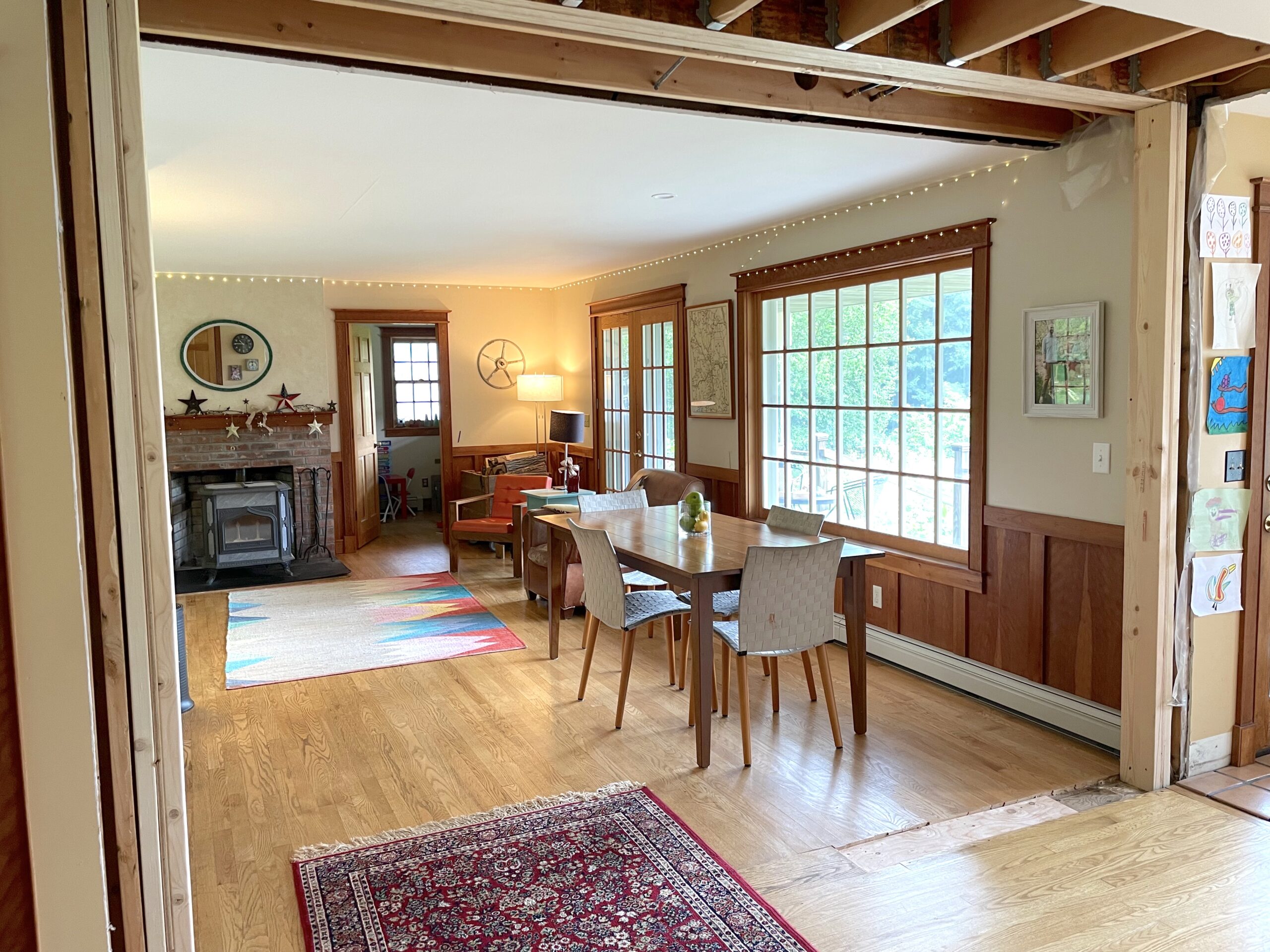
In a significant residential infrastructure project, a Vermont-based property owner has completed the removal of a primary load-bearing wall, a move designed to enhance interior flow and property valuation. The project, which represents the culmination of a multi-year renovation strategy, involved complex structural engineering, including the redirection of critical utility lines and the installation of a recessed support beam. This technical achievement was accompanied by a comprehensive monthly fiscal report, detailing a total expenditure of $5,044.63 for June, illustrating a strategic balance between high-cost capital improvements and disciplined household budgeting.
Technical Scope and Structural Execution
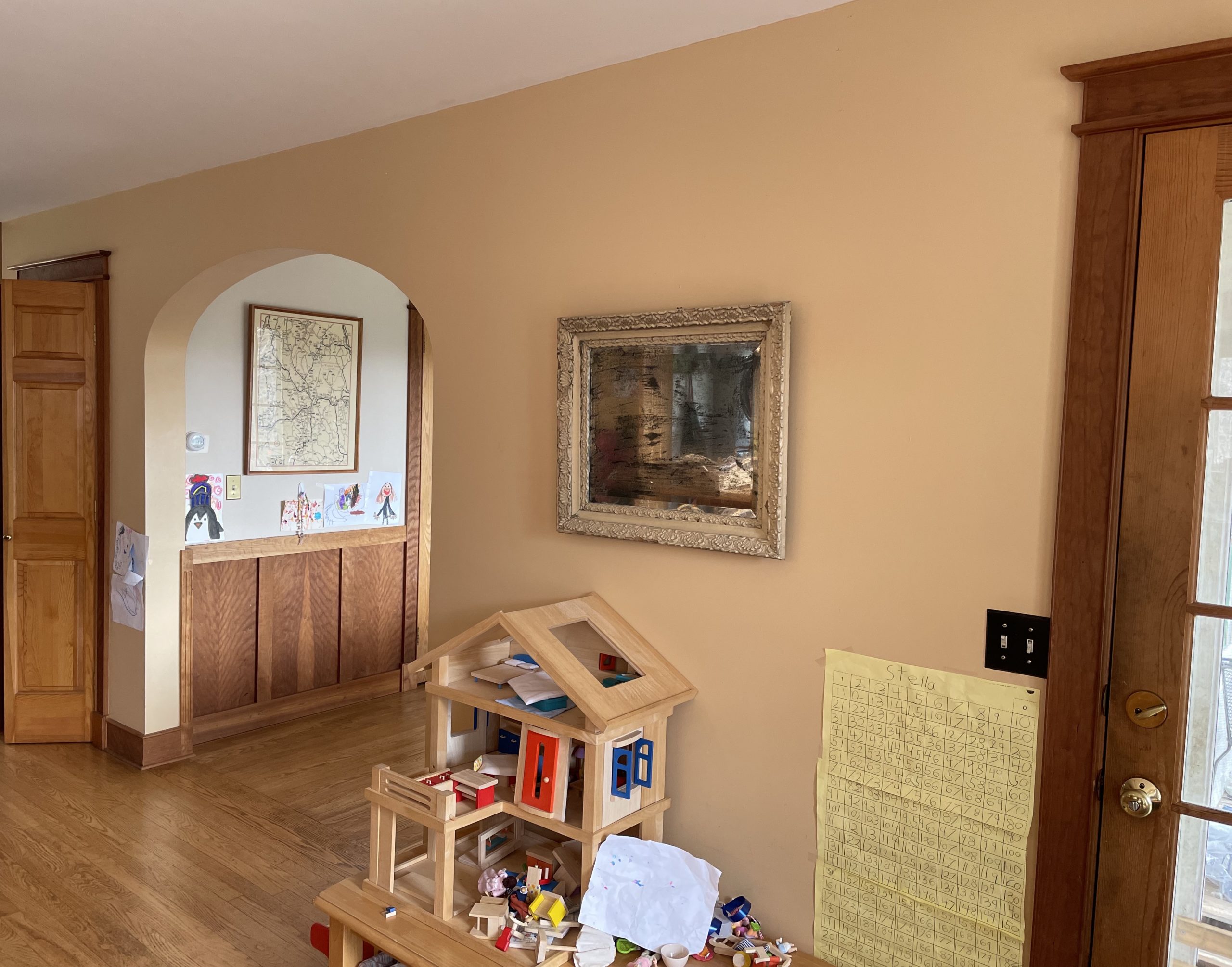
The renovation focused on a central wall constructed circa 1991, which originally partitioned the kitchen and dining areas from the main living space. From an architectural standpoint, the wall served as a vital conduit for the home’s infrastructure, housing the primary plumbing stack, a major electrical hub, and a significant HVAC return duct. The presence of these utilities made the removal process considerably more complex than standard non-load-bearing partitions.
The project timeline was divided into several distinct phases: demolition, utility relocation, and structural reinforcement. Initial demolition revealed the extent of the mechanical systems within the wall. To address the plumbing requirements, a licensed professional was contracted to re-route the plumbing stack through the ceiling in a specialized configuration, eventually descending through a pantry area. This modification necessitated the construction of a custom enclosure within the pantry, utilizing surplus materials from previous estate projects to minimize waste.

Following the plumbing phase, electrical systems were modernized. An electrician was engaged to re-route the main electrical box and wiring. This phase also included the installation of recessed lighting in the dining area, addressing a deficit in the original 1991 lighting plan which lacked overhead illumination in the living quarters.
The most critical technical challenge involved the installation of a recessed support beam. As the wall was load-bearing, the structural integrity of the upper floor depended on a precise transfer of weight. The execution required the construction of temporary support walls to hold the ceiling load while the original studs were removed. A heavy-duty beam was then hoisted into place using a "ladder" system and bottle jacks. To ensure compliance with safety standards and building codes, an architect was consulted to perform the necessary beam calculations, a move that mitigates the risk of structural failure.
Fiscal Analysis of Monthly Expenditures
The total expenditure for June reached $5,044.63, a figure heavily influenced by the peak of the renovation activities. A granular analysis of the spending reveals a strategic allocation of funds toward both essential maintenance and long-term asset improvement.
Infrastructure and Capital Improvements
Home improvement costs constituted a significant portion of the monthly budget. Lumber and drywall procurement accounted for $703.53, covering the materials for the temporary support structures and the final beam. An additional $600.61 was spent on specialized tools and hardware, including bottle jacks, Simpson brackets, and fasteners. Professional labor for the electrical phase totaled $494.98. These figures do not include the plumbing costs, which were settled in previous periods, or the anticipated costs of final drywall finishing and flooring.
Commodity and Subsistence Costs
Grocery expenses for the period were $1,147.44, supplemented by a $134.48 bulk purchase of organic oats and other dry goods from a local co-op. This reflects the inflationary pressures currently impacting the consumer price index (CPI) for food at home. In contrast, household utilities remained relatively low. The electricity bill was $36.42, representing the base connection fee for a grid-tied solar system. The property’s reliance on solar energy significantly offsets variable energy costs, providing a hedge against fluctuating utility rates.
Transportation and Maintenance
The household’s transportation costs included $194.85 for fuel and $59.50 for a mandatory annual vehicle inspection for a Subaru. These costs are consistent with rural Vermont living, where personal vehicle use is essential due to limited public transit infrastructure. To maintain the vehicles’ longevity, the owners prioritize regular maintenance over frequent replacement, a hallmark of their broader fiscal philosophy.
Strategic Financial Management and Revenue Optimization
Beyond direct spending, the June report highlights a sophisticated approach to cash flow management and passive income generation. The homeowners utilize several financial instruments to optimize their net worth and reduce recurring liabilities.
High-Yield Savings and Interest Income
The report emphasizes the utility of high-yield savings accounts (HYSA) in the current interest rate environment. With many online banking platforms offering rates near 4.00% to 5.00% APY, the homeowners advocate for moving idle cash out of traditional low-interest checking accounts. For example, a $5,000 balance in a high-yield account can generate approximately $200 in annual interest, whereas the same amount in a standard account might yield negligible returns. This "lazy money" strategy is a key component of their wealth-building framework.

Credit Card Arbitrage and Rewards
The household processes nearly all expenditures through rewards-based credit cards. In June, the use of a 2% cash-back Fidelity Rewards Visa resulted in $88.90 in rebates on $4,445.10 of spending. This practice effectively provides a 2% discount on all consumer goods and services. The homeowners manage this by paying the balance in full each month, thereby avoiding interest charges and capturing the "float" on their capital.
Communication Costs and MVNO Utilization
A notable data point in the report is the $28.24 monthly cost for two cellular phone lines. This is achieved through the use of a Mobile Virtual Network Operator (MVNO). Unlike major carriers that own and maintain cellular towers, MVNOs lease bandwidth at wholesale prices and pass the savings to consumers. By utilizing an MVNO and paying only for consumed data, the household has reduced its communication expenses by an estimated 70% compared to national average cell phone bills.
Broader Economic Implications and Property Valuation
The decision to perform a "slow renovation" and handle significant portions of the carpentry and demolition in-house reflects a growing trend in the American housing market. As labor costs for skilled trades continue to rise, homeowners are increasingly adopting a "hybrid DIY" model—hiring professionals for high-risk technical tasks (plumbing, electrical, structural engineering) while performing grunt work themselves.
The removal of the central wall is expected to have a positive impact on the property’s market value. Modern real estate trends heavily favor "open-concept" layouts, which provide better natural light distribution and improved social flow. By modernizing a 1991 floor plan to meet 2024 aesthetic standards, the homeowners are effectively "forcing" appreciation on the asset.
Furthermore, the integration of energy-efficient systems, such as the solar array and updated insulation during the drywall phase, aligns the property with regional sustainability goals. In Vermont, where heating and energy costs are a primary concern for buyers, these improvements serve as significant selling points.
Conclusion and Future Outlook
The June renovation update and financial summary provide a detailed look at the intersection of home engineering and personal finance. The successful removal of a complex load-bearing wall demonstrates that with proper architectural guidance and disciplined execution, significant structural changes can be achieved safely and cost-effectively.
As the project moves into the final stages of drywalling, flooring, and painting, the homeowners remain focused on a long-term vision of property improvement and fiscal independence. The next major phase of the renovation is expected to target the kitchen area, where the newly opened space will allow for a more functional and modern culinary environment. By documenting these processes, the homeowners provide a blueprint for others seeking to navigate the complexities of large-scale home improvements while maintaining a robust financial foundation. The data from June serves as a reminder that while major projects require significant capital outlays, a disciplined approach to daily expenses and the strategic use of financial tools can mitigate the impact on overall net worth.

