
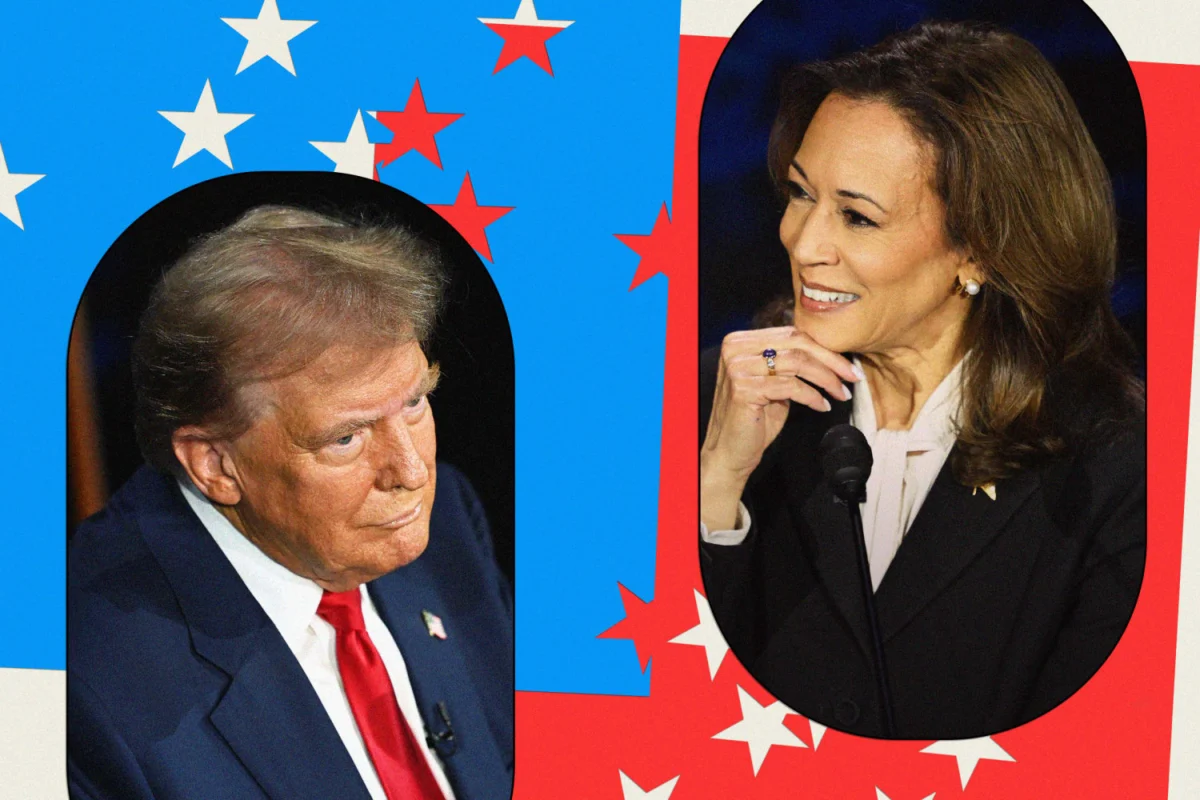
As the United States enters another pivotal election cycle, economic narratives once again dominate the political discourse, with candidates often presenting starkly contrasting views on the nation’s financial health. While voters are encouraged to engage in research and cast informed ballots, the sheer volume of politically charged economic claims necessitates a discerning approach to separate fact from rhetoric. This article aims to provide a factual analysis of common economic misconceptions propagated during election campaigns, offering a clearer understanding of the underlying realities that often get obscured by partisan messaging.
The Current Economic Landscape: A Data-Driven Perspective
Contrary to some prevailing political claims, the U.S. economy exhibits a robust performance across several key indicators. Official government data, such as those from the Bureau of Labor Statistics and the Bureau of Economic Analysis, frequently highlight a period of sustained growth and historically low unemployment rates. For instance, recent reports indicate unemployment hovering at levels not seen in decades, signifying a tight labor market where job opportunities are abundant. Gross Domestic Product (GDP) figures have consistently shown expansion, reflecting increased economic activity and productivity. This strong economic environment is, in fact, a foundational factor, with recent inflationary pressures often interpreted by economists as a sign of an overheated economy, necessitating the measured application of higher interest rates to stabilize price levels.
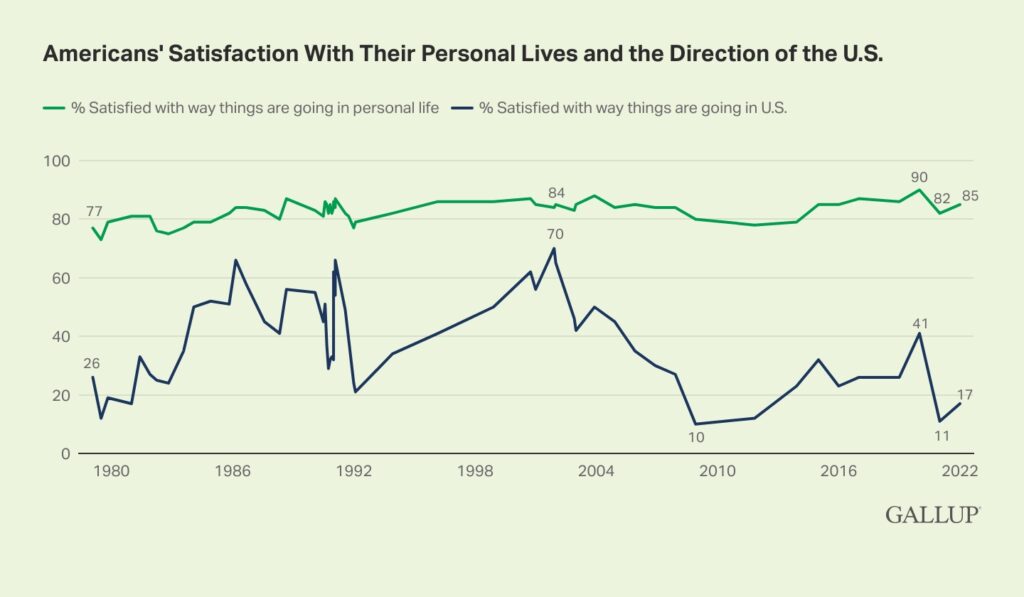
Despite these positive macroeconomic indicators, public perception, as revealed by surveys like the Gallup poll, frequently diverges from reality. A significant majority of individuals may report personal financial stability, yet a much smaller percentage expresses confidence in the overall national economy. This disconnect underscores a critical challenge: the susceptibility of public opinion to narratives, particularly those amplified by social media and political campaigns, that may not align with objective economic data. Understanding this divergence is crucial for voters aiming to make decisions based on accurate information rather than emotionally charged or politically motivated claims.
Debunking Common Economic Misconceptions

Political campaigns frequently simplify complex economic phenomena, often attributing credit or blame for economic conditions directly to the sitting president. A deeper examination reveals a more intricate reality.
1. The President’s Limited Control Over the National Economy
A prevalent myth in electoral politics is the idea that the President singularly controls the nation’s economic fate. While presidential policies can certainly influence economic direction through fiscal measures (taxation, spending) and regulatory frameworks, the U.S. economy is a vast, complex, and largely free-market system that operates far beyond the immediate command of any single office. With a GDP representing a significant portion of the global economy, the American economic engine is also inextricably linked to international trade, global supply chains, and geopolitical events.
Economic cycles of boom and bust are often driven by fundamental market forces, technological advancements, consumer sentiment, and investor confidence—factors that transcend presidential mandates. The "irrational exuberance" that can fuel asset bubbles, followed by periods of fear and retrenchment, illustrates how deeply ingrained human psychology and market dynamics are in economic fluctuations. Government policies act more like a rudder on a colossal ship, attempting to guide its course amidst powerful ocean currents and storms, with effects often delayed and subject to numerous external variables. Attributing every economic success or downturn directly to the White House oversimplifies a multifaceted system and misrepresents the true drivers of national prosperity.
2. The Independence of the Federal Reserve and Interest Rate Policy
Another common misrepresentation is the notion that the President directly controls interest rates. This claim often surfaces during periods of higher borrowing costs, with candidates promising to "fight" to lower them. In reality, monetary policy, including the setting of the federal funds rate, is the purview of the Federal Reserve, an independent central bank designed to operate free from political interference. Its dual mandate is to foster maximum employment and maintain stable prices (i.e., control inflation).
The Federal Reserve utilizes interest rates as a primary tool to manage economic activity. When inflation accelerates, the Fed typically raises rates to cool demand, making borrowing more expensive for consumers and businesses, thereby slowing economic growth and price increases. Conversely, during economic slowdowns, rates may be cut to stimulate borrowing and investment. Allowing a sitting president to dictate interest rate policy would introduce political expediency into a critical economic function, potentially leading to hyperinflation or other destabilizing outcomes, as observed in countries where central bank independence is compromised. The Fed’s independence is a cornerstone of economic stability, safeguarding monetary policy from short-term political pressures.
3. A Nuanced View of Inflation and Wage Growth
The recent period of elevated inflation following the COVID-19 pandemic has been a significant point of contention. While it’s true that prices rose sharply, leading to concerns about purchasing power, the narrative often omits crucial context. The inflation surge was a complex phenomenon, primarily driven by a confluence of factors: unprecedented government stimulus injecting liquidity into the economy, global supply chain disruptions limiting the availability of goods, and a shift in consumer demand towards goods rather than services during lockdowns.
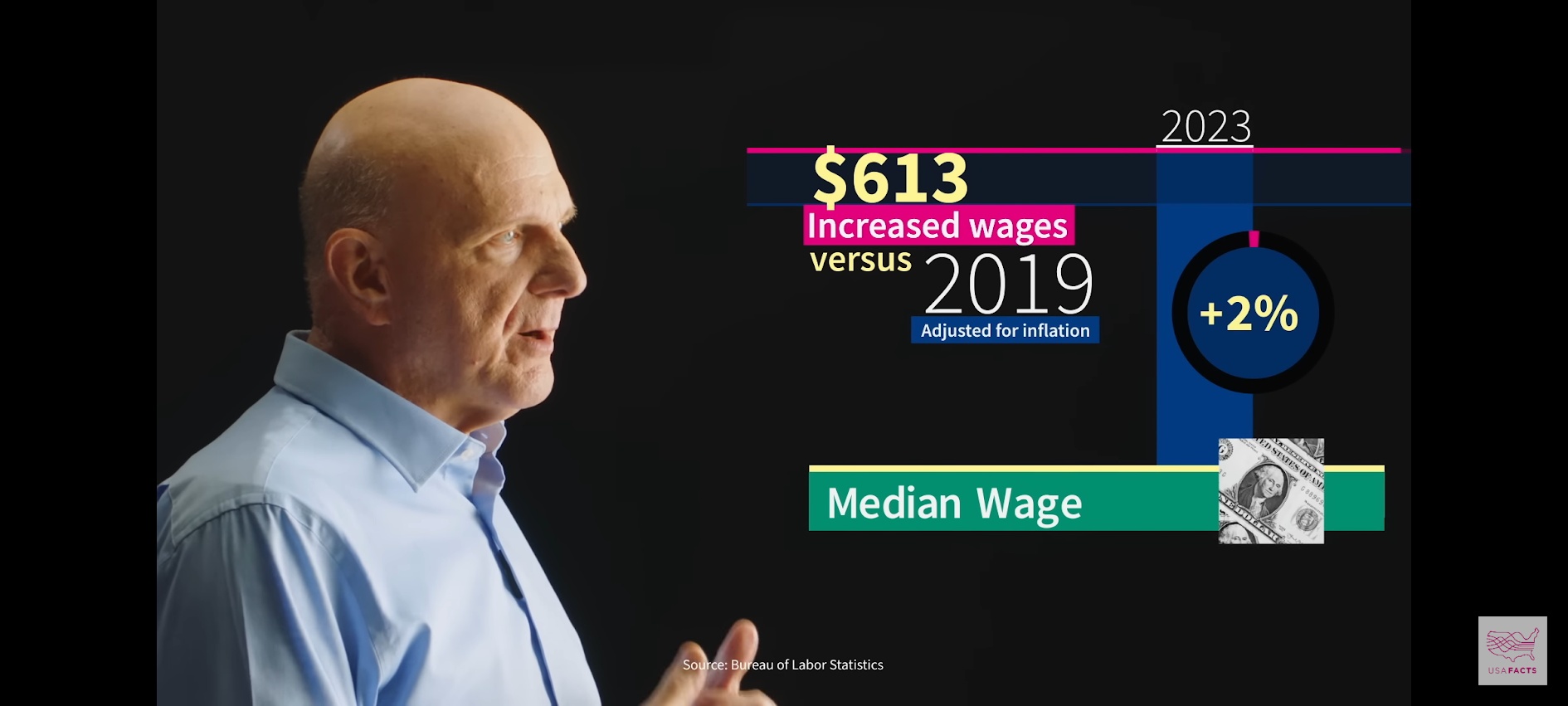
Critically, a comprehensive analysis of economic data reveals that average wage growth has largely kept pace with, and in many sectors even surpassed, the rate of inflation over recent years. For example, since 2019, while overall prices have increased, average hourly earnings have often shown a slightly higher percentage increase. This means that for many Americans, real wages (wages adjusted for inflation) have either remained stable or seen modest gains, challenging the widespread perception that inflation has universally made life harder without corresponding income adjustments. Political promises to "bring prices back down" also ignore the economic reality that price deflation (a sustained decrease in the general price level) can be a sign of economic contraction and can be highly detrimental, leading to reduced spending, investment, and employment. The healthy functioning of an economy typically involves a modest, stable rate of inflation, usually targeted around 2%.
Furthermore, the blame often cast upon "greedy corporations" for price increases is largely unsupported by economic analysis. While businesses adjust prices, competitive markets generally prevent widespread "greedflation." Studies, such as those examining the grocery sector, frequently show that profit margins did not experience windfall increases during the inflationary period, suggesting that price adjustments were primarily a response to increased input costs and supply-demand imbalances, rather than opportunistic price gouging.
4. Addressing the Housing Affordability Crisis
Housing affordability has become a pressing issue, with home prices and rents outpacing general inflation and wage growth over the past decade. This challenge is exacerbated by rising interest rates, which increase the cost of mortgages, making homeownership less accessible for many. Political discourse often centers on solutions like first-time homebuyer subsidies or interest rate reductions, which, paradoxically, could worsen the problem by artificially inflating demand without addressing the root cause.
The fundamental issue in the housing market is a severe supply-demand imbalance. Decades of restrictive zoning laws, cumbersome permitting processes, high building material costs, and labor shortages have constrained the construction of new housing units, particularly affordable options. Solutions that focus on increasing demand (like subsidies) without expanding supply will only drive prices higher. A more effective approach, supported by urban planners and economists, involves supply-side reforms: streamlining permitting, reforming exclusionary zoning practices (e.g., eliminating single-family-only zoning, reducing setback and parking requirements), and investing in infrastructure that supports higher-density development. These measures could significantly reduce construction costs and increase housing availability, offering a sustainable path to improved affordability.
5. Gasoline Prices: A Diminishing Economic Indicator
Gasoline prices frequently emerge as a contentious point in political debates, despite their diminishing relevance to the overall economic well-being of the average American household. Historically, when adjusted for inflation, gasoline prices have remained relatively consistent, fluctuating around the $3-$4 per gallon range in today’s dollars, a price point comparable to decades past. Moreover, due to improved vehicle fuel efficiency and shifts in consumer behavior, the percentage of disposable income spent on gasoline by the average household has steadily declined, often representing a small fraction compared to other car-related expenses (insurance, maintenance, depreciation).
Perhaps more significantly, the focus on gasoline prices overlooks a fundamental technological and economic shift: the accelerating transition to electric vehicles (EVs). With a growing market for both new and used EVs, many models are now economically competitive with, or even cheaper than, their gasoline counterparts when factoring in lower fuel and maintenance costs. EVs offer superior performance, reduced environmental impact, and freedom from fluctuating gas prices. The continued political emphasis on gasoline prices, therefore, increasingly appears anachronistic, akin to debating the cost of obsolete technologies rather than focusing on the future of energy and transportation.
6. Beyond Pure Economic Growth: The Pursuit of Well-being
While economic stability and growth are important, the incessant focus on these metrics in political campaigns often overshadows a deeper truth: that beyond a certain point of material security, additional wealth does not proportionally translate to increased happiness or well-being. The United States, having achieved a high level of economic development decades ago, now often grapples with issues of wealth inequality and societal contentment.
Addressing income and wealth disparities through progressive tax systems and social safety nets is crucial not just for fairness but for fostering a more peaceful and cohesive society. However, true societal well-being extends beyond financial metrics. Research consistently shows that factors like strong community ties, access to quality healthcare and education, work-life balance, and environmental quality contribute significantly to overall happiness. Politicians genuinely committed to improving the lives of their constituents might shift focus from purely economic growth to policies that cultivate these broader aspects of human flourishing.
Conclusion: The Imperative of Economic Literacy
In the current political climate, where economic information is often filtered through partisan lenses, economic literacy among voters is more critical than ever. The ability to distinguish between objective economic data and politically motivated narratives empowers citizens to make more informed decisions, hold their leaders accountable, and advocate for policies grounded in reality rather than emotion or misinformation. By understanding the complex interplay of market forces, government policies, and global dynamics, voters can look beyond superficial campaign promises and evaluate candidates based on their understanding of genuine economic challenges and their proposed, fact-based solutions. Casting a vote, in this context, becomes an act of informed participation, guided by a commitment to truth and long-term national prosperity.
Further Resources:
For voters seeking to deepen their understanding of economic data and trends, reputable non-partisan sources such as the Bureau of Labor Statistics, the Bureau of Economic Analysis, the Federal Reserve, and organizations like USAFacts.org (founded by former Microsoft CEO Steve Ballmer to provide data-driven insights) offer invaluable resources. Engaging with such factual information can help cut through the political noise and foster a more enlightened electorate.

