
In a significant update that offers insight into the evolving philosophies within the Financial Independence, Retire Early (FIRE) movement, prominent blogger and early retiree Mr. Money Mustache (Pete Adeney) has published a detailed account of his spending over the past two years. This period followed his deliberate attempt to shift from extreme frugality to an "abundance mindset," an experiment that notably began with the purchase of a Tesla Model Y in 2023, a move that stirred considerable discussion among his dedicated readership. Despite intentionally increasing his expenditures on travel, dining, and various leisure activities, Adeney’s latest financial review reveals his annual spending remains significantly below conventional benchmarks for affluent individuals, settling around $30,000. This figure, while higher than his previous frugal lifestyle, is still comfortably supported by an investment portfolio well exceeding the $1 million typically associated with financial independence.
Background to the Experiment: A Shift from Frugality
Mr. Money Mustache, widely recognized as a foundational figure in the FIRE movement, built his reputation on advocating for radical frugality, aggressive saving, and early retirement through mindful consumption and DIY resourcefulness. His blog, launched in 2011, became a beacon for those seeking to escape the traditional 9-to-5 grind by optimizing their finances. For years, his personal spending reports consistently showcased an impressively low annual expenditure, often hovering around $20,000 or even less, excluding the equity of his paid-off home.
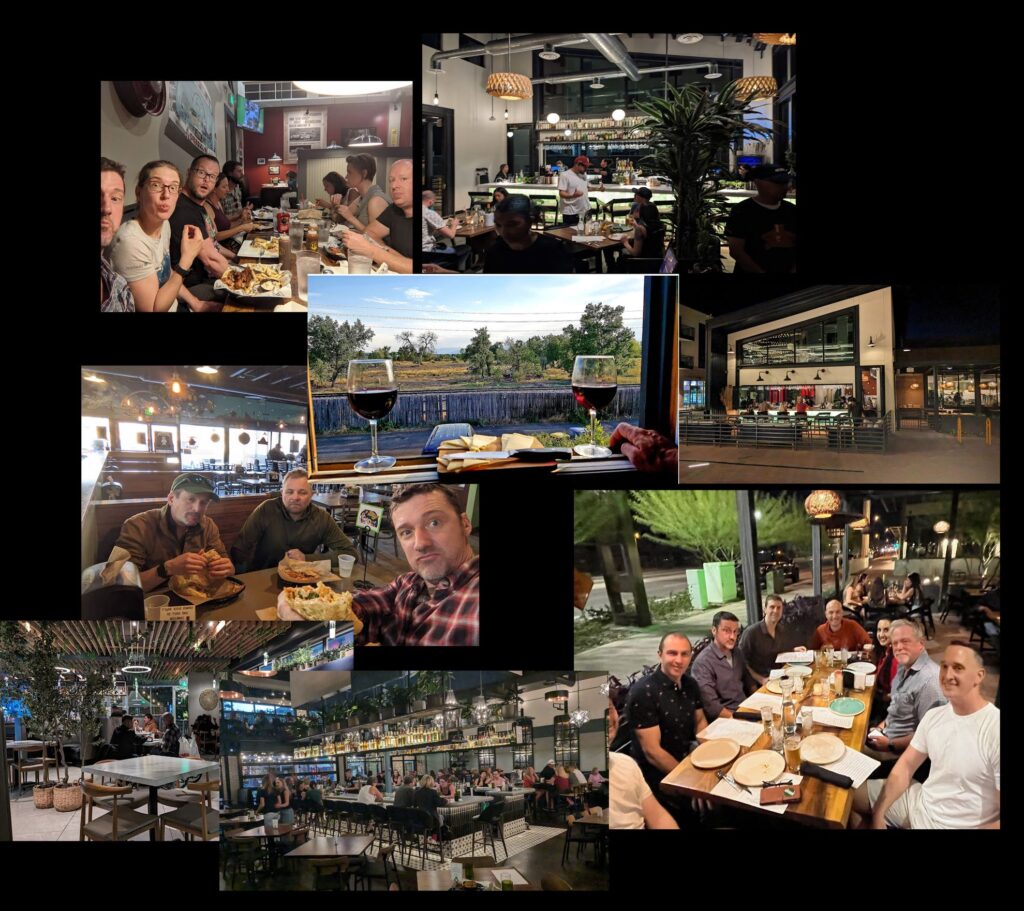
However, in April 2023, Adeney signaled a philosophical pivot. He announced his intention to consciously "try to spend a bit more money," acknowledging that his decades of extreme saving had left him with a substantial net worth far beyond his actual needs. The first tangible step in this new "abundance program" was the acquisition of a Tesla Model Y, an electric vehicle known for its premium pricing. This decision, while practical in terms of environmental impact and long-term operating costs, represented a departure from his previously minimalist approach to transportation and was met with a mix of curiosity and concern from his followers, some of whom perceived it as a "loss of credibility."
Adeney himself reflected on his mindset at the time, noting, "Look at me! I’m such an enlightened middle-aged Badass, adjusting habits and realigning myself at the snap of my fingers. Onward to the next forty eight years of the Good Life!" This self-aware commentary underscored a desire to explore the practicalities of living with greater financial freedom after years of disciplined saving.
Two Years of Deliberate Abundance: Lifestyle Changes

Following the Tesla purchase, the subsequent two years saw Mr. Money Mustache consciously embrace a more expansive lifestyle. He documented a period characterized by an "even greater feeling of abundance," focusing on enriching experiences rather than strict cost-cutting. This included:
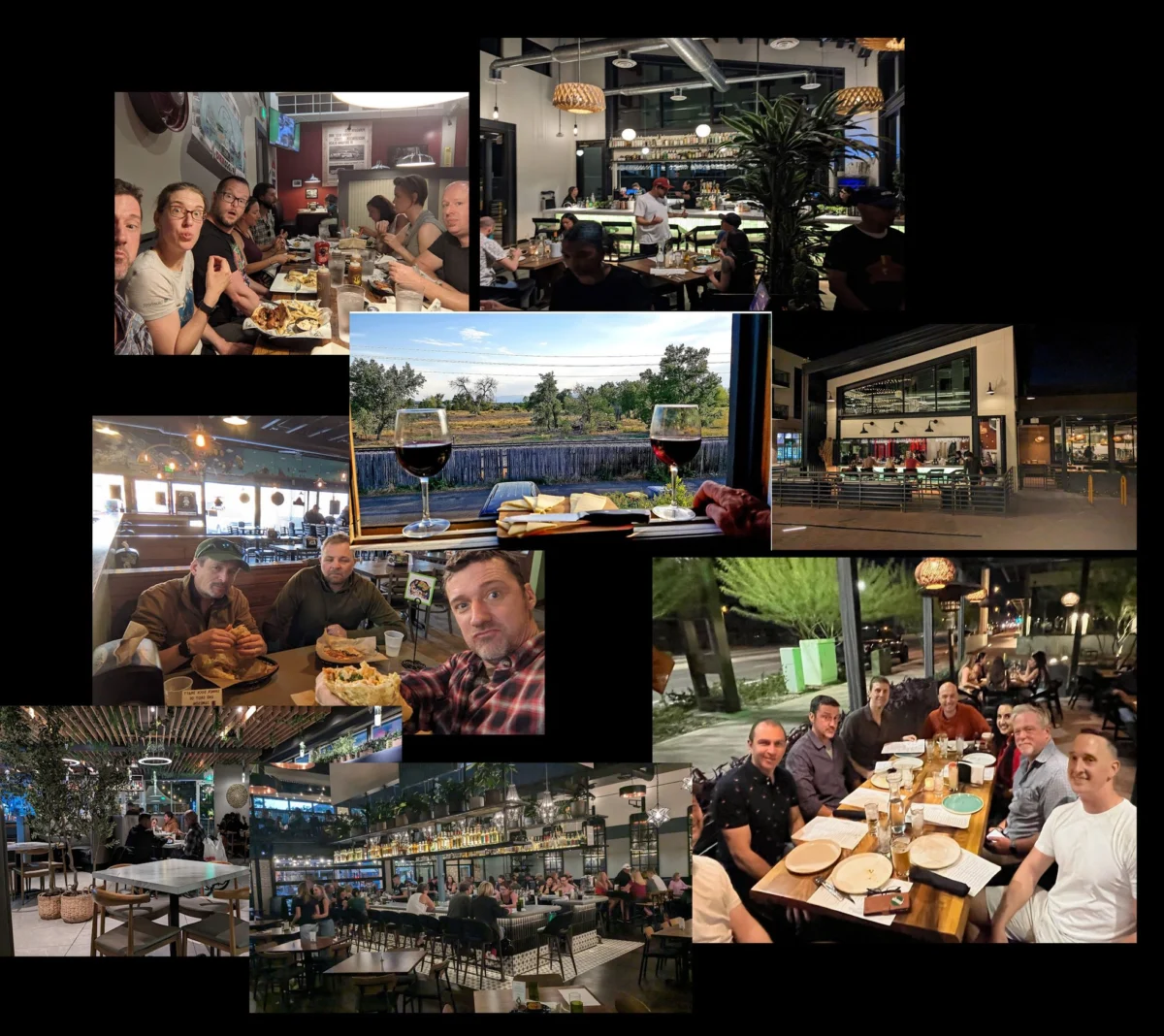
- Elevated Dining: A shift from budget-conscious meal preparation to dining out in "stylish restaurants," emphasizing enjoyment over mere sustenance.
- Enhanced Travel: Prioritizing comfort in accommodations, booking hotels based on "niceness rather than their cheapness." Air travel involved opting for "reduced torture seats," indicating a willingness to pay extra for improved experience.
- Premium Groceries: Abandoning his previous strict adherence to warehouse clubs like Sam’s Club and Costco, he permitted himself to shop at higher-priced retailers like Whole Foods, "giving zero fucks about paying double for groceries." Notably, he maintained memberships at both Sam’s Club and Costco, suggesting a flexible approach to sourcing essentials.
- Cultural and Social Engagements: Highlights included attending multiple late-night EDM concerts with his son and visiting three Meowwolf art venues, including a Christmas Day road trip from Tempe, Arizona, to Las Vegas.
- Increased Social Flexibility: Spending much of the year as a single individual, he leveraged his open schedule to meet friends, explore new places, and engage in spontaneous social opportunities. He described this period as a "year of adventurous transition," feeling longer and more fulfilling than a mere twelve months.
This period was a clear test of his ability to integrate discretionary spending without reverting to what he terms "full American Consumer territory." Despite the perceived lavishness of these activities, Adeney initially avoided tallying his expenses, enjoying the experiences without the immediate financial audit.
The Financial Revelation: Spending Stays Lean
The impetus to finally consolidate his financial data came during an informal coaching session with a friend, where both decided to compare their annual spending. This exercise prompted Adeney to meticulously sort his transactions into a spreadsheet. The results, he admits, were a "surprise."
His overall spending had indeed increased, particularly in travel and entertainment categories, but "the big-picture effect was still pretty minimal." His annual expenditure, depending on how business expenses and vehicle depreciation are accounted for, rose from approximately $20,000 to around $30,000. This increase, while 50% higher than his previous benchmark, still positions him far below the average American household expenditure, which often exceeds $60,000-$70,000 annually, not including mortgage payments.
Critically, this $30,000 spending level remains well within the sustainable withdrawal rate for a $1 million investment nest egg, typically estimated at 4% annually, which would allow for $40,000 in withdrawals. Given that his actual investments are "quite a bit higher" than $1 million, particularly after recent years of "crazy economic growth and the never-ending stock market rally," Mr. Money Mustache finds himself "still way under budget."
He concluded that despite "failing" to truly increase his spending to the levels he might have theoretically aimed for as a wealthy individual, he felt happier with the "abundance mindset" and could continue his "life experiments" in the future. This outcome reinforces a core FIRE principle: true financial independence offers the freedom to choose how to spend, not just how to save.
Detailed Spending Breakdown (Approximate Annual Figures):
A detailed table provided by Mr. Money Mustache breaks down his recent annual expenditures:
| Category | Total | Details |
|---|---|---|
| Groceries | $5,960.39 | For himself, his young adult son (about half the time), and guests. Reflects a slight increase due to less stringent shopping habits. |
| Restaurants | $2,243.59 | Dining out for "special fun" rather than everyday meals, showcasing a shift towards experiential spending. |
| Travel | $6,158.77 | Includes both personal trips and "business travel" for events like Camp Fi and other conferences, blurring the lines between leisure and professional development in the FIRE community. |
| Utilities | $1,909.51 | Standard home operating costs. |
| Amazon/House | $3,554.10 | Approximately 75% attributed to construction materials for clients (often friends), with reimbursements, indicating a continued engagement in practical, hands-on projects. |
| Booze | $250.67 | Primarily for entertaining, reflecting a modest social expenditure. |
| Healthcare | $3,536.66 | Achieved through a combination of Direct Primary Care (DPC) and a health-sharing organization (Sedera), significantly cheaper than traditional insurance. |
| Automobile | $2,425.21 | Covers insurance and registration for the Tesla. Depreciation, though a real cost, is not explicitly budgeted as a cash outflow. |
| Phone+Internet | $1,410.56 | Includes $50/month for gigabit internet and $25-30/month for Google Fi, demonstrating continued value-conscious choices in essential services. |
| Property Taxes | $2,577.30 | Reflects the cost of owning his paid-off home, noted as "surprisingly reasonable" for his neighborhood’s property values. |
| TOTAL | $30,026.76 |
Comparing this to his 2019 spending report, the current figure is "only a bit higher," even after significant inflation in recent years. While travel and entertainment increased, home renovation costs decreased, partly due to his increased travel. Health insurance also became a new line item, as he was self-insured prior to this period.
Key Savings Strategies: Housing and Healthcare
Mr. Money Mustache’s ability to maintain a relatively low overall budget, even with increased discretionary spending, hinges on two fundamental pillars: housing and healthcare.
-
Paid-Off Housing: The most significant saving for Adeney is the absence of housing costs, as his home was paid off years ago. This eliminates mortgage payments, which constitute the largest expense for most households. Furthermore, his preference for DIY home maintenance means he incurs no costs for lawn care, plumbing, or handyman services. While he acknowledges that taking out a large mortgage at 3% interest in 2021 and investing the principal in stock index funds would have been "optimum financial" strategy due to market growth, he prioritizes the "peace of mind" from having no mortgage debt. An additional benefit is not needing house insurance, saving him another estimated $2,000 annually.
-
Alternative Healthcare Model: His healthcare expenses are notably low for an individual not covered by an employer plan. He attributes this to "good health and good luck," having no significant medical expenses. However, he maintains a two-tiered system:
- Direct Primary Care (DPC): A membership with a DPC medical clinic costs $107 per month. This model provides unlimited access to a primary care physician, often with same-day appointments and personalized service, bypassing many traditional insurance complexities and co-pays for routine care.
- Health Sharing Organization (Sedera): A high-deductible plan with Sedera, a health sharing organization, costs $201 per month. These organizations are faith-based or community-based alternatives to traditional insurance, where members share medical costs. They are generally cheaper but come with different regulatory frameworks and coverage scopes.
The combined cost of $308 per month ($3,696 annually) is less than the cheapest Bronze plan in standard health insurance markets, offering "personalized support with zero deductible for almost all typical medical needs, plus some protection from larger medical bills." Adeney, however, provides a disclaimer, noting his limited experience with the broader medical system and his proactive focus on maximizing health to avoid medical needs altogether.
Philosophical Reflections and Future Optimizations
Mr. Money Mustache views money as a tool for survival and "self-actualization," constantly evaluating how to maximize his good fortune. He adheres to a principle of happiness: "Fixing your persistent problems is more effective than just doubling down on things that are already good in your life."
He identifies his "physical chaos" as his primary remaining "annoyance." With space-intensive hobbies like construction and music, his current "pretty small house" and 440-square-foot garage are "maxed out." He envisions needing to double his workshop space to about a thousand square feet. However, he remains deeply attached to his current location, including "views, neighbors or current place," making a move difficult. He therefore continues to "optimize what I’ve got unless some perfect opportunity comes up for a bigger place right on my block."
In the longer term, he entertains the idea of a "mountain compound with its own cliffs and stream," a concept he illustrates with an AI-generated image he calls his "future ‘Friends Mountain Resort.’" Yet, he remains pragmatic, acknowledging that his current life is "overbooked with joyful things" and his existing properties (house and HQ Coworking space) already have extensive to-do lists. He questions whether adding "another place to my portfolio" would genuinely increase his happiness, suggesting this grander vision remains "on the shelf" until he is willing to trade it for an existing commitment.
Implications for the FIRE Community and Beyond
Mr. Money Mustache’s latest spending report offers several key takeaways for the FIRE community and those interested in financial wellness:
- Flexibility in Retirement: It demonstrates that financial independence is not a static state of permanent frugality but allows for evolving priorities and increased spending as desired, without necessarily jeopardizing long-term security.
- The Power of Core Savings: The foundation of a paid-off home and optimized healthcare costs provides immense financial leverage, enabling greater discretionary spending on experiences without significantly increasing the overall budget.
- Mindset Matters: The experiment highlights the psychological shift from a scarcity mindset to one of abundance, where spending is viewed as a tool for enjoyment and self-actualization, rather than a necessary evil.
- Continuous Optimization: His reference to the 2019 "Optimization Council" article underscores the importance of continuous learning, comparing notes, and refining strategies to maximize life satisfaction.
As Mr. Money Mustache looks ahead to 2025, he expresses excitement for "loads abundance and piles of challenging stuff on my to-do list," signaling an ongoing commitment to active living and personal growth within the framework of his unique financial philosophy.

A Timely Note on Electric Vehicles
In a separate, but related, addendum, Adeney highlighted the current market for electric vehicles (EVs), specifically the Tesla Model Y and Model 3. He noted a prevailing rumor that the $7,500 EV tax credit might be discontinued with an upcoming presidential transition, suggesting the immediate future could represent the "cheapest chance to buy what I feel are the best cars on the market." He also pointed out that both used and new Tesla prices are at "record lows," and offered a referral code for an additional $1,000 off a new vehicle, aligning with his past advocacy for sustainable transportation and shrewd consumer choices. This serves as a reminder that even in an "abundance mindset," value and strategic purchasing remain key tenets of his approach.
The ongoing narrative of Mr. Money Mustache continues to provide a real-world case study for the FIRE principles, demonstrating how financial independence can evolve, adapt, and ultimately serve as a robust platform for a well-lived life, balancing prudence with newfound freedom.

