
By Joe Casey
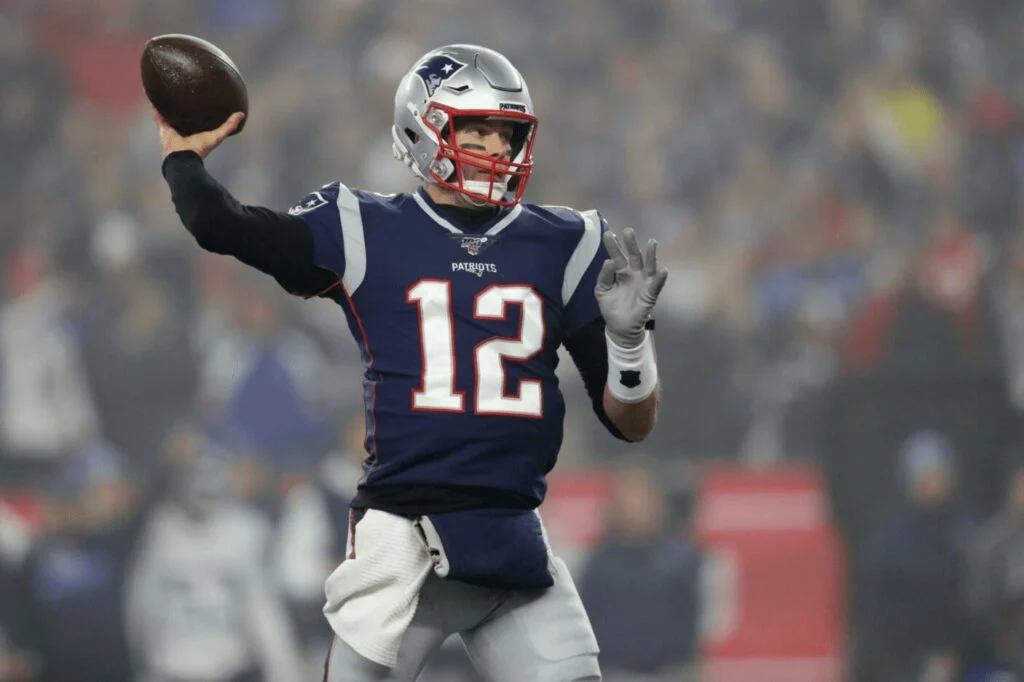
Tom Brady’s decision to retire from the National Football League, announced in February 2022, offers a wealth of insights applicable far beyond the realm of professional sports. While his extraordinary career achievements, unparalleled wealth, and iconic status may seem distant from the everyday realities of most individuals, the underlying principles guiding his transition from a demanding profession hold universal relevance. Examining the strategic and personal considerations behind Brady’s departure can provide a valuable framework for individuals contemplating their own career endings and the subsequent chapters of their lives. The core takeaway is that proactive planning, self-awareness, and a considered approach can transform retirement from a potential cliff edge into a thoughtfully orchestrated new beginning.
Recognizing the Right Moment: A Calculated Departure
Brady’s retirement marked the end of a storied 22-season career, a duration that itself is a testament to his remarkable longevity and sustained excellence. He had publicly expressed a desire to play until at least age 45, a goal he ultimately fell one year short of achieving. This deviation from his stated ambition underscores a critical lesson: the importance of internal assessment and the ability to adapt plans when circumstances or personal feelings shift. While a definitive retirement date might be a target for some, regular reflection on one’s professional satisfaction and readiness for a new phase is paramount. Unlike many in the workforce who face involuntary retirement due to economic downturns or health issues – approximately half of retirees, according to various studies, are compelled to leave their jobs earlier than planned – Brady’s decision appeared to be a conscious choice. This highlights the advantage of retaining agency over one’s exit strategy. The ability to step away on one’s own terms, even if it means adjusting pre-set timelines, allows for a more controlled and potentially more fulfilling transition.
The Art of Exiting at the Peak: Maintaining Legacy
A significant factor in Brady’s retirement narrative was his continued high level of performance. In his final NFL season, he led the league in passing yards and was a strong contender for MVP, demonstrating that he was far from a diminished player. This decision to retire while still at the pinnacle of his profession contrasts with the common tendency for athletes and professionals alike to continue in their roles past their peak effectiveness. The desire to avoid a gradual decline or the indignity of being unable to perform at a desired level is a powerful motivator for many who choose to step down while their contributions are still highly valued. This principle encourages individuals to consider not only when they will retire but also how they wish to be remembered in their professional capacity. The proactive choice to leave on a high note preserves a legacy of excellence and avoids the potential for diminished respect that can accompany a prolonged decline.
Architecting the Next Chapter: Preemptive Planning for Post-Career Life
Brady’s retirement was not an abrupt severance from his professional identity but rather a carefully orchestrated transition, a process he had begun years in advance. During his playing career, he strategically invested in building ventures outside of football, including a successful health and fitness company, a lifestyle apparel brand, and a production company. This foresight serves as a compelling example of how to lay the groundwork for one’s "next act" while still fully engaged in a demanding primary career.
The implication for the broader public is clear: it is wise to begin conceptualizing and developing post-career pursuits while still employed. This doesn’t necessitate launching a multi-million dollar enterprise. It can encompass exploring interests in part-time work, volunteering, consulting, pursuing long-held creative ambitions like writing a book, or planning for extensive travel. The key is to dedicate time to research, understand the realities of these chosen paths, and identify the necessary steps to achieve them. A practical approach involves scheduling regular informal meetings – monthly lunches or coffee breaks – with individuals who have successfully transitioned into retirement and are engaged in activities similar to one’s aspirations. These conversations offer invaluable insights, demystify potential challenges, and provide a realistic preview of what these new endeavors truly entail. Such proactive engagement ensures that the transition is not a leap into the unknown but a well-informed progression.
Prioritizing Family: A Shared Retirement Journey
It is widely speculated that familial considerations played a significant role in Brady’s decision to retire. For many individuals, particularly those in relationships or with families, this aspect of retirement planning is profoundly relatable. Retirement is rarely a solitary decision; it impacts spouses, partners, and children. Despite this, couples often postpone in-depth discussions about retirement, leading to significant misalignment. A notable survey by Fidelity revealed that a substantial 57% of respondents had inaccurate perceptions of their significant other’s retirement timeline.
This data underscores the critical importance of open and ongoing dialogue between partners regarding retirement. It necessitates not only expressing one’s own desires and concerns but also actively listening to and understanding the perspectives of one’s spouse or partner. A series of conversations, rather than a single discussion, is often required to fully explore the multifaceted aspects of this life transition. Assuming a shared understanding without explicit communication can lead to unforeseen conflicts and disappointment.
Navigating the Exit with Grace: Preserving Relationships
Brady faced some criticism for the perceived omission of the New England Patriots, the franchise where he achieved his greatest successes, from his initial retirement announcement. While this aspect of his departure drew attention, the underlying principle of exiting with decorum remains paramount. Remaining above the fray and departing with grace is a strategic choice that avoids burning bridges. The temptation to engage in pettiness, spite, or vindictiveness during a departure can be powerful but is ultimately counterproductive.
The anecdote shared by Joe Casey, about a former employee’s “scorched earth style” resignation letter that went viral, serves as a stark cautionary tale. Such actions, driven by negative emotions, rarely benefit the individual in the long run and can significantly damage professional reputations. In contrast, maintaining a professional and respectful demeanor, even in the face of perceived slights or disappointments, fosters goodwill and preserves valuable professional networks. This approach ensures that future opportunities are not jeopardized by past acrimony.
The Open Door Policy: Embracing Future Possibilities
The notion of retirement as a permanent cessation of work is increasingly being challenged by the phenomenon of "unretirement." Pre-pandemic studies indicated that a significant percentage of retirees – over 20% in both the US and UK within five years of their initial retirement – returned to the workforce. Crucially, these decisions were often driven not by financial necessity but by a desire to regain a sense of purpose, reconnect with the camaraderie of a workplace, or maintain cognitive engagement.
Brady’s own retirement has been accompanied by speculation about a potential return, drawing parallels to Brett Favre’s career trajectory. The possibility of him forcing a move to his hometown team, the San Francisco 49ers, after securing his successor with his former team, exemplifies the "never say never" principle. This suggests that retirement should not be viewed as a definitive closing of doors but rather as a transition that allows for flexibility. Maintaining skills, staying engaged in relevant fields, and keeping professional connections active can facilitate a seamless return to work if desired or necessary. This adaptability is becoming an increasingly vital component of long-term career planning in a dynamic economic landscape.
In conclusion, Tom Brady’s retirement offers a comprehensive case study in strategic life transitions. The lessons learned from his deliberate approach to ending his NFL career – knowing when to step away, striving to do so at the peak of one’s abilities, proactively building for the future, prioritizing family, exiting with dignity, and leaving the door ajar for future possibilities – provide a robust framework for anyone navigating the complex landscape of career endings and the creation of fulfilling post-career lives. These principles, when applied with self-awareness and foresight, can empower individuals to approach their own retirements with confidence and intentionality.

