
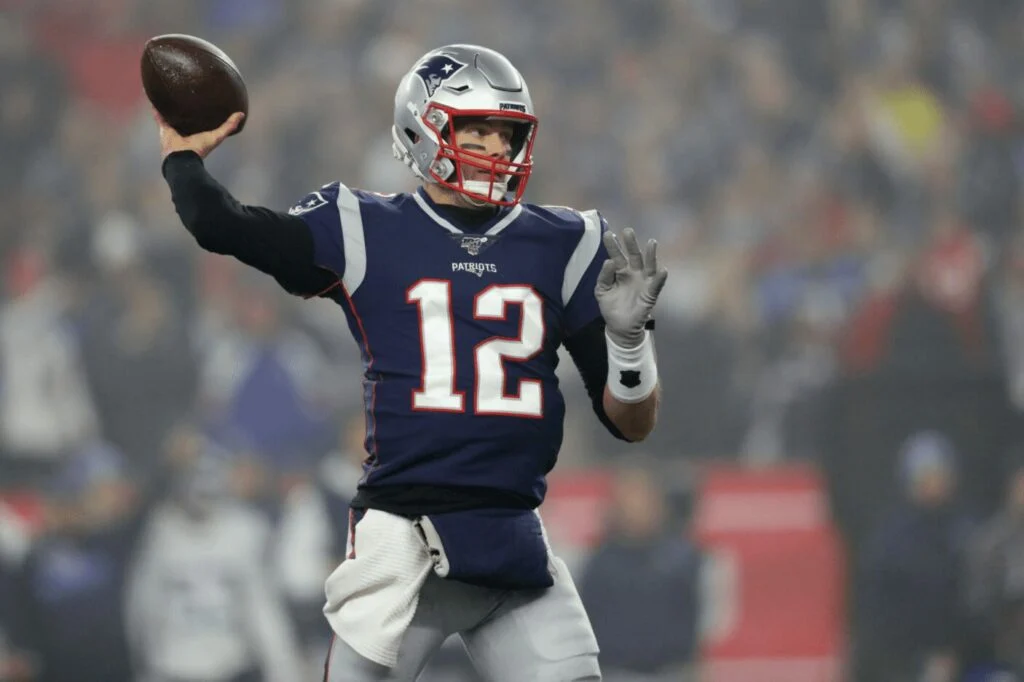
The decision by legendary quarterback Tom Brady to retire from the National Football League, announced on February 1, 2023, offers a wealth of insights for individuals contemplating their own career transitions and futures, regardless of their professional standing. While Brady’s unparalleled success, immense wealth, and iconic status might seem distant from the everyday experiences of most, the underlying principles guiding his retirement are universally applicable. Examining his career trajectory and his approach to stepping away from the game provides a valuable framework for personal planning, highlighting the importance of timing, performance, preparation, relationships, professional conduct, and maintaining future options.
Recognizing the Right Moment: A Strategic Departure
Tom Brady’s retirement marked the end of an illustrious 23-season NFL career, a tenure that saw him achieve unprecedented success, including seven Super Bowl championships and numerous individual accolades. Throughout his career, Brady had often expressed a desire to play until his mid-40s, a goal he came close to achieving, retiring at 45. His decision to step away, even a year shy of a self-imposed target, underscores a critical lesson: knowing when to leave is as important as knowing how to perform. This insight extends beyond professional sports. For individuals in any field, a proactive reflection on job satisfaction, physical and mental well-being, and personal goals is crucial. The NFL, like many demanding professions, takes a significant toll. While Brady’s departure was voluntary, it’s a stark reminder that financial realities and health concerns can force retirement for many, often well before their planned timeline. Data from the U.S. Bureau of Labor Statistics consistently shows that a significant portion of the workforce retires earlier than anticipated due to various factors, including health issues and economic downturns. Therefore, the ability to make a conscious, strategic choice about retirement, rather than being compelled by circumstance, is a privilege that requires foresight and adaptability.
The Art of Exiting at the Peak
One of Brady’s most striking achievements was his ability to maintain an elite level of performance well into what is considered the twilight of an athlete’s career. In his final season, he led the NFL in passing yards with 4,694 and was a strong contender for MVP, demonstrating that his skills had not significantly diminished. This ability to “go out on top” is a powerful message. It contrasts with the common scenario of individuals lingering in their careers past their prime, potentially diminishing their legacy and personal satisfaction. In the business world, this translates to leaving a role or industry while still valued and respected, rather than staying until performance declines or relevance fades. This approach allows individuals to preserve their professional reputation and transition into their next phase with confidence and agency. The decision to retire from the Buccaneers was made following a season where he still demonstrated exceptional leadership and skill, a testament to his commitment to excellence until the very end.
Building the Foundation for the "Next Act"
Brady’s retirement was not an abrupt cessation of activity but a carefully orchestrated transition. Years before his final season, he had begun diversifying his interests and building ventures outside of football. His portfolio included investments and leadership roles in health and wellness companies (TB12 Method), a clothing line (Brady Brand), and a production company (199 Productions). This proactive approach to establishing a post-playing career is a vital lesson for all. While not everyone can launch multi-million dollar enterprises, the principle of preparing for life after full-time employment is paramount. This involves identifying passions, exploring potential part-time work, volunteering, pursuing educational opportunities, or dedicating time to personal projects like writing or travel.
According to a 2022 survey by Fidelity Investments, a significant percentage of pre-retirees (over 60%) express concerns about having enough to do in retirement. This highlights the importance of planning not just financially, but also in terms of purpose and engagement. Brady’s example suggests that the groundwork for this "next act" should be laid while still actively engaged in one’s primary career. This allows for research, skill development, networking, and a gradual shift in focus. Regular conversations with individuals who have successfully navigated similar transitions can provide invaluable insights and practical advice.
The Indispensable Role of Family Considerations
It is widely understood that family considerations played a significant role in Tom Brady’s decision to retire. The demands of professional football, particularly at his level, require immense dedication and time away from home. For individuals with partners and families, retirement planning cannot be a solitary endeavor. Couples often underestimate the importance of aligning their retirement visions. A survey by Fidelity revealed that a substantial portion of couples (57%) had inaccurate assumptions about their partner’s retirement timeline. This underscores the necessity of open, honest, and ongoing communication.
Retirement affects not only the individual but also their spouse or partner. Joint financial planning, discussions about lifestyle changes, and mutual understanding of expectations are critical for a harmonious transition. Brady’s decision, speculated to be influenced by a desire to spend more time with his children and support his wife Gisele Bündchen’s career, emphasizes that personal and professional lives are intertwined. Prioritizing family well-being and making decisions that honor those relationships is a fundamental aspect of a fulfilling retirement.
Navigating Departures with Grace and Professionalism
Tom Brady’s retirement announcement, while widely celebrated, did draw some criticism for its initial omission of the New England Patriots, the team with which he achieved his greatest success and spent two decades. While the subsequent messaging clarified his gratitude, the initial reaction serves as a reminder of the importance of professional conduct during departures. Regardless of any perceived slights or disagreements, maintaining a dignified and gracious exit is crucial. "Burning bridges" can have long-term negative repercussions, impacting future opportunities and professional relationships.
Anecdotal evidence, such as the widely circulated story of a former employee’s "scorched earth" resignation letter that went viral, demonstrates how such actions can backfire, causing reputational damage. In any career transition, whether voluntary or involuntary, the focus should be on leaving with integrity. This involves expressing gratitude, acknowledging contributions, and maintaining positive relationships. Such an approach fosters goodwill and preserves an individual’s reputation within their industry and beyond.
Keeping the Door Ajar: The Possibility of Unretirement
Brady’s retirement was not his first. He initially retired in February 2022, only to reverse his decision 40 days later, citing unfinished business. This unprecedented reversal highlights the dynamic nature of career decisions and the possibility of returning to work after an initial retirement. Studies have shown that a significant percentage of retirees, often over 20% within five years in the US and UK prior to the pandemic, choose to unretire. The reasons are varied, frequently stemming from a desire for purpose, social connection, or cognitive stimulation, rather than solely financial necessity.
The ongoing speculation about Brady potentially playing for his hometown San Francisco 49ers further illustrates this point. While this scenario is purely conjectural, it underscores the idea that retirement does not necessarily mean a permanent closure of a professional chapter. For many, the concept of "retirement" is evolving into a more flexible arrangement, allowing for phased exits, part-time engagements, or a return to meaningful work when the time is right and the opportunity aligns with personal goals. The key takeaway is the wisdom of not irrevocably closing off all future professional avenues, unless that is a definitive and well-considered personal choice.
The lessons derived from Tom Brady’s career and his approach to retirement offer a profound blueprint for personal and professional planning. By embracing strategic timing, striving for peak performance, preparing diligently for future endeavors, prioritizing familial relationships, maintaining professional integrity, and remaining open to future possibilities, individuals can navigate their own career transitions with greater confidence and fulfillment, ultimately designing a retirement that is not just an end, but a new beginning.

