
Background: The Genesis and Evolution of the FIRE Movement
The FIRE movement, a lifestyle choice centered on aggressive saving and investing to achieve financial independence and early retirement, gained significant traction in the early 21st century. Its foundational principles, often popularized by blogs like Mr. Money Mustache, emphasize radical frugality, high savings rates (often 50-70% of income), diligent investing in low-cost index funds, and a conscious effort to minimize consumption and reduce waste. Proponents of FIRE aim to accumulate a "nest egg" large enough to cover their annual expenses indefinitely, typically following the "4% rule" (withdrawing no more than 4% of their portfolio annually).
For many years, the movement provided a clear roadmap for individuals seeking an alternative to traditional career paths and extended working lives. Early adopters frequently leveraged robust economic growth, particularly in sectors like technology, to accelerate their savings. Furthermore, the housing market prior to 2019 presented different dynamics, with more accessible property prices and lower interest rates enabling strategies like "house hacking" or purchasing "fixer-uppers" as viable pathways to reduce housing costs, often the largest expenditure for most households.

The Contemporary Critique: Economic Headwinds and Accessibility Concerns
A recent reader’s comment articulated a growing sentiment among aspiring FIRE enthusiasts: "While I still find some of MMM’s advice relevant, it seems like every FI blogger out there worked in tech 20 years ago, pulled down a 6 figure salary and bought a house for a bag of potatoes before 2019." This statement encapsulates a critical perspective, suggesting that the foundational advantages enjoyed by many early FIRE advocates—specifically high incomes and affordable housing—are no longer universally accessible.
The commenter further elaborated on the challenges faced by those who did not embark on their FIRE journey during a more economically favorable period. They noted, "I wasn’t smart enough to find FI when I was young so I sometimes feel like a lot of their advice is not going to help me or others who don’t already own a home and don’t have six-figure salaries in this post-pandemic world." This sentiment underscores a perception that current economic conditions, marked by significant inflation, elevated interest rates, and a historically tight housing market, have rendered traditional FIRE advice less practical. Specific difficulties cited include the impracticality of "house hacking" or purchasing "fixer-uppers" due to prohibitive prices and complex zoning regulations that restrict multi-unit conversions or alternative living arrangements.
Expert Analysis: Reaffirming Core Principles Amidst New Realities
In response to this critique, the financial independence advocate acknowledged the changing economic landscape but reaffirmed the enduring relevance of core Mustachian principles. The author distinguished between genuine obsolescence of principles and what was termed "Complainypants and/or Excuse-itis," suggesting that fundamental strategies for financial well-being remain potent, even if their application requires adaptation.
The discussion focused on two primary concerns raised by the critic: the role of high salaries and the impact of rising housing costs. While acknowledging that higher incomes certainly accelerate the path to financial independence, the advocate emphasized that income alone is not a guarantee of wealth. Decades of observing high-earning professionals (e.g., software engineers, doctors) still experiencing financial stress served as empirical evidence that significant income can be squandered without disciplined spending habits. The core tenet of Mustachianism, therefore, remains centered on "streamlining spending and living joyfully and efficiently without compromise," focusing on reducing waste to maximize the utility and benefits derived from expenditures. This approach, it was argued, becomes even more critical for individuals across the income spectrum, not just the highest earners.
A Deeper Dive into Housing Market Dynamics
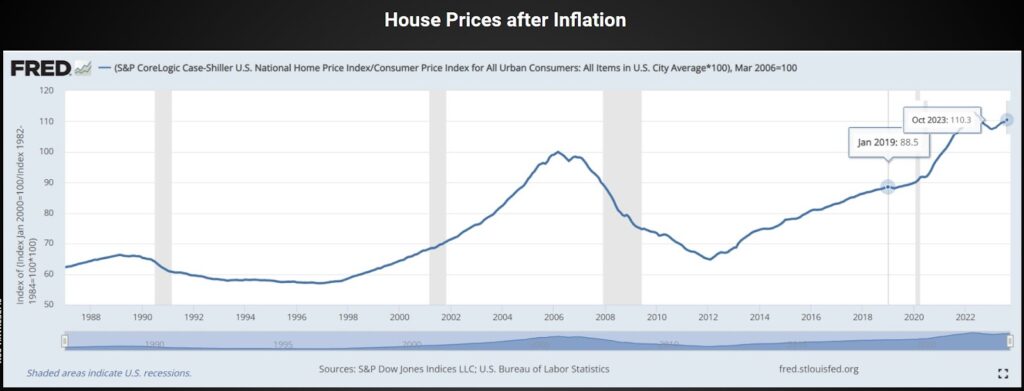
The most substantial part of the critique centered on housing affordability. To address this, a data-driven approach was employed, utilizing information from the St. Louis Federal Reserve (FRED), a highly respected source for economic data. An analysis of inflation-adjusted U.S. house prices revealed that while properties "feel" approximately 25% more expensive in 2024 compared to early 2019, relative to average salaries and overall inflation, the increase from the last peak in early 2006 (18 years prior) was only about 10%. This nuanced perspective suggests a significant, but perhaps not entirely "FIRE-extinguishing," blow to housing affordability on a national scale.
However, national averages often mask significant regional disparities. The article highlighted the specific example of Longmont, Colorado, where the median home price has surged to $540,000, roughly triple its price in 2011. This rapid appreciation far outpaces average salary growth in the area, rendering homeownership increasingly challenging for the average person in desirable locales. This phenomenon is not unique to Longmont but is reflected in many popular urban and suburban markets across the United States. The S&P CoreLogic Case-Shiller Home Price Index, for instance, consistently shows robust appreciation in major metropolitan areas, often fueled by strong demand, limited inventory, and demographic shifts.
Moreover, rising interest rates, a key factor in the post-pandemic economic landscape, have compounded the affordability crisis. The Federal Reserve’s aggressive rate hikes to combat inflation have translated into higher mortgage rates, significantly increasing the monthly cost of homeownership even for properties whose prices haven’t surged as dramatically. This dual challenge of elevated prices and higher borrowing costs presents a formidable barrier for prospective homeowners, especially those without substantial down payments or high incomes.
Strategic Relocation: Geographic Arbitrage as a Solution
The proposed solution to the housing dilemma aligns with a fundamental Mustachian principle: conscious choice and adaptability. Viewing houses as a manufactured product subject to supply and demand, the advocate argues against a victim mentality and instead promotes "house shopping with your middle finger" – a metaphorical approach to recalibrating expectations and actively seeking value. This involves a rigorous analysis of whether to rent or buy, and critically, whether to remain in one’s current city or explore alternative locations.
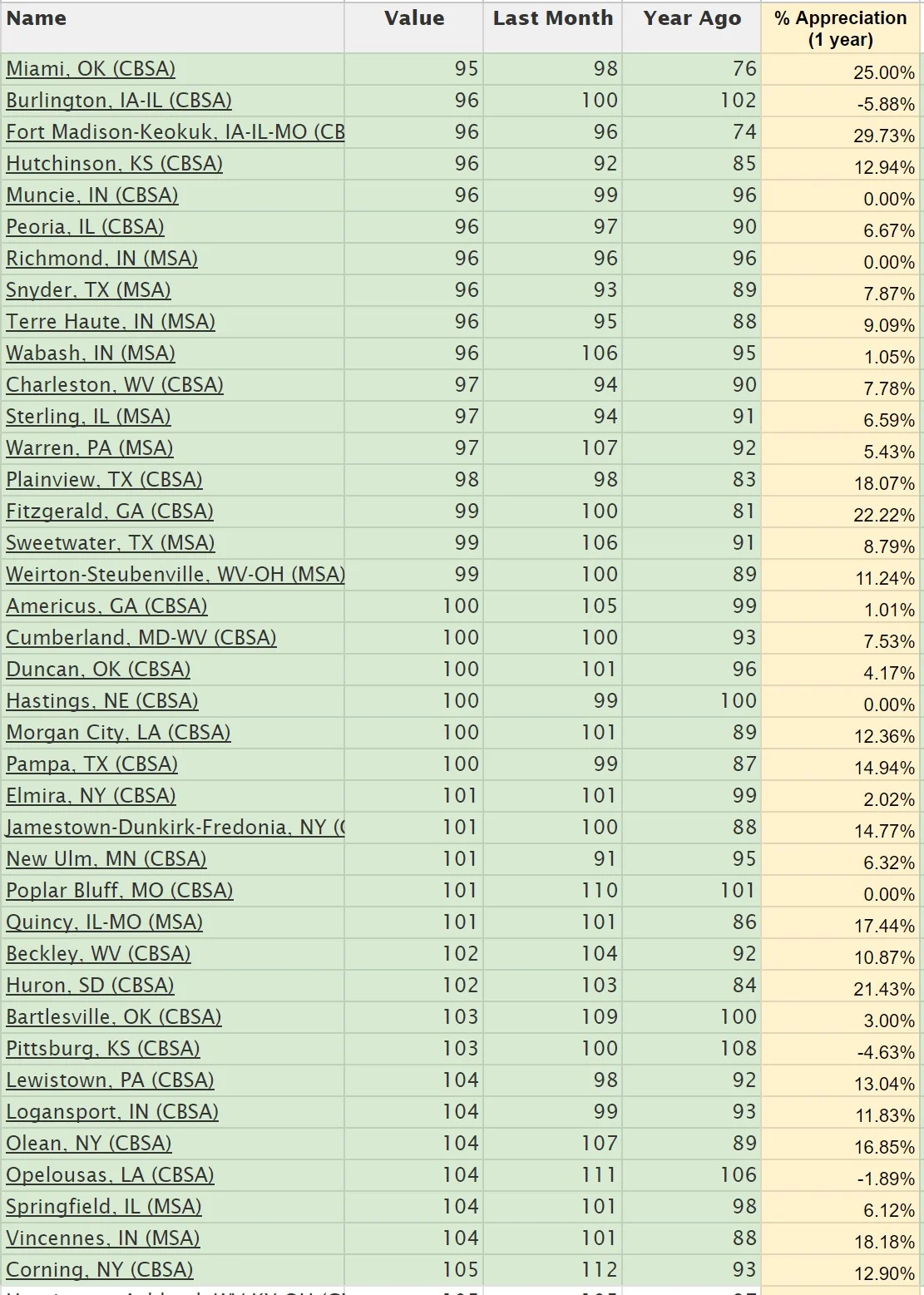
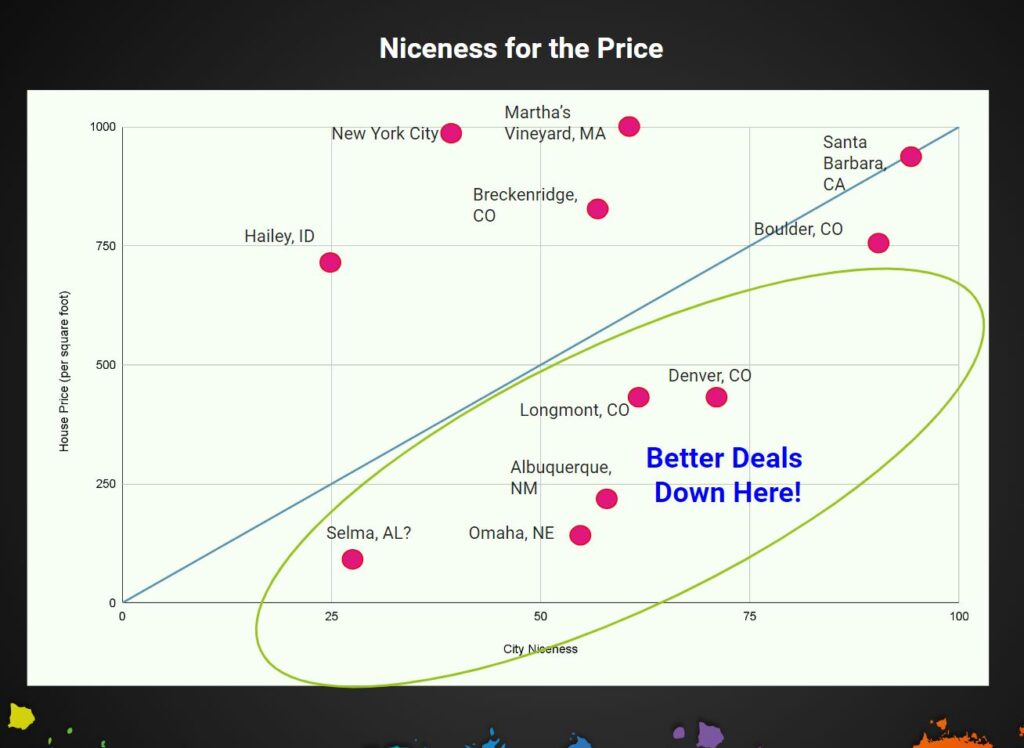
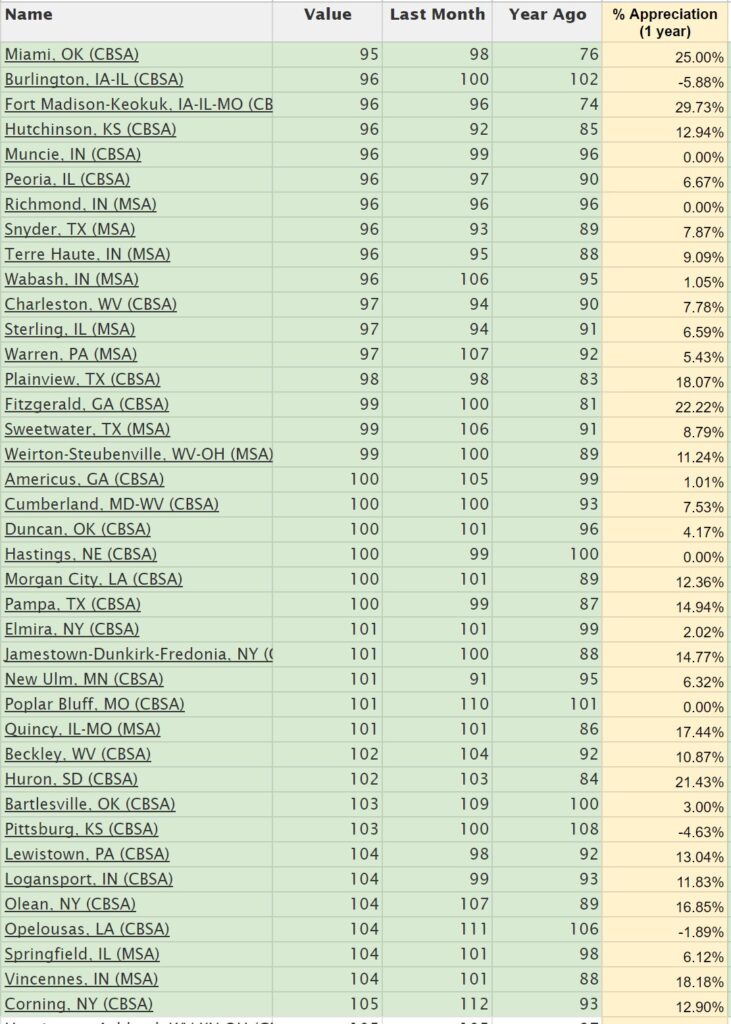
The concept of geographic arbitrage, moving from a high-cost-of-living area to a lower-cost one to stretch one’s savings and accelerate financial independence, becomes paramount. The article utilized FRED’s extensive database of 1,000 metro areas, plotting cities based on "desirability" versus price per square foot. This exercise demonstrated that while some cities, like Longmont or Boulder, Colorado, command premium prices, others like Albuquerque offer a more favorable balance of cost and amenities. The data also allowed for identifying "mid-cheap metros" with housing costs around $100 per square foot, making a 2,000 sq ft home achievable for approximately $200,000.
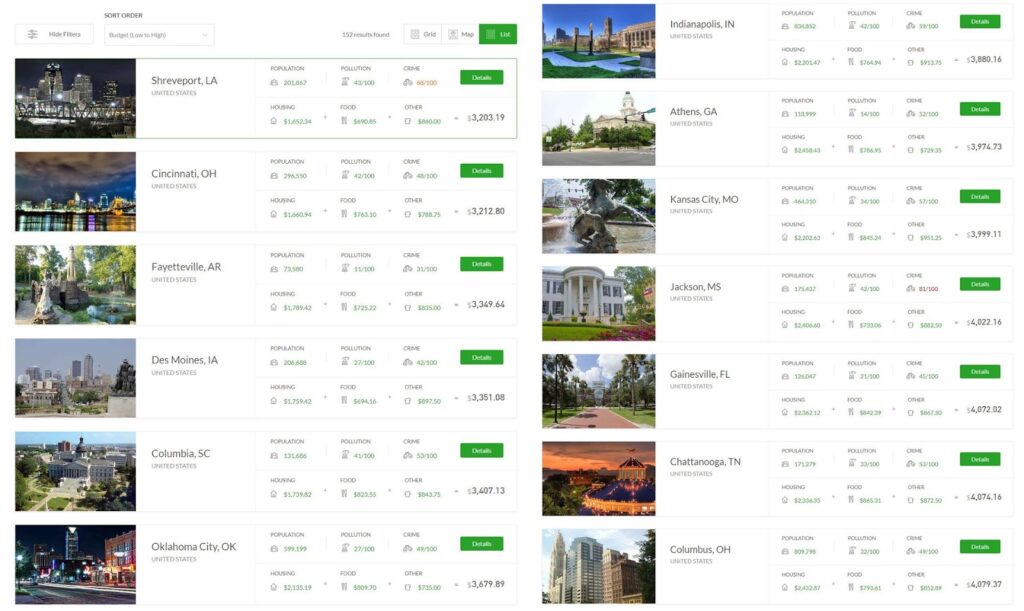
Another valuable tool highlighted was "The Earth Awaits," a FIRE blogger-created website designed to help users identify affordable living destinations globally based on customizable criteria such as budget, family size, housing type, and climate preferences. A hypothetical search for a two-person family in North America with a budget up to $6,000/month and mild winters yielded diverse results, including cities like Fayetteville, Arkansas; Columbia, Missouri; and Chattanooga, Tennessee. These examples underscore the vast spectrum of choices available beyond traditional high-cost hubs.
Overcoming the Hurdles of Relocation: Adulting Puzzles
The emotional and logistical barriers to relocation, particularly international moves, are acknowledged as significant. Personal ties, fear of change, and the perceived "hassle" of navigating new bureaucratic systems often deter individuals from considering such a fundamental shift. However, the advocate reframes these challenges as "Adulting Puzzles"—manageable tasks involving research, paperwork, and occasional official visits. The argument is made that the temporary effort required for relocation pales in comparison to the long-term "hassle" of living in an undesirable or unaffordable location, or the necessity of working an additional 15 years to maintain an expensive lifestyle. The author’s personal experience of moving from Canada to the U.S. as a young adult serves as an anecdotal testament to the feasibility of such transitions.
Broader Implications for Financial Independence and Quality of Life
Ultimately, the article posits that one’s physical environment—encompassing community, access to nature, urban amenities, and climate—is a primary determinant of a happy life. While cost is a factor, it is not the sole, or even the most important, consideration. The strategic application of Mustachian principles, particularly conscious decision-making regarding housing, allows individuals to optimize their "Nice for the Price" scale, enhancing life quality without compromising financial goals. This could range from a significant inter-state or international move to a smaller adjustment within one’s current city, such as relocating closer to work or essential amenities.
The dialogue initiated by the reader’s comment and the subsequent analysis reaffirms that while economic conditions evolve, the core tenets of financial independence—conscious spending, strategic saving, and adaptable living—remain robust. The present economic climate, characterized by higher costs and interest rates, necessitates a renewed emphasis on these principles, especially geographic flexibility and a willingness to challenge conventional assumptions about where and how one must live. By embracing data-driven decision-making and overcoming the inertia of comfort, aspiring FIRE adherents can continue to forge paths toward financial freedom, even in the face of contemporary economic challenges. The discussion concludes by inviting further community input on identifying optimal living locations and effective strategies for exploring new environments, reinforcing the collective effort inherent in the pursuit of financial independence.

