
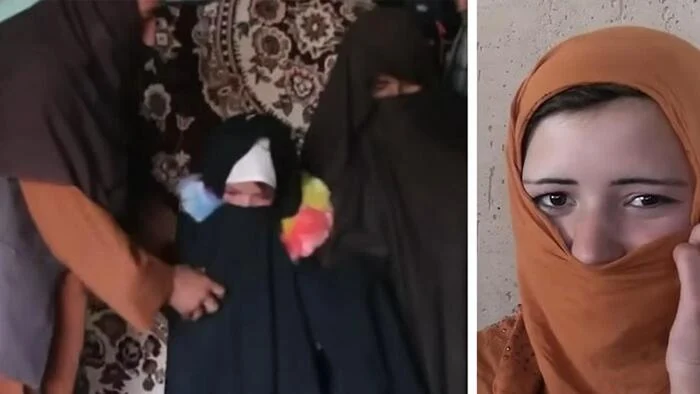
A recent parliamentary inquiry in the German state of Baden-Württemberg has cast a stark light on the persistent issue of child marriages within the country, revealing that authorities have officially recorded 358 such unions since April 2012. The data, brought to public attention by Alternative for Germany (AfD) lawmakers, indicates a troubling disparity between the number of reported cases and the limited legal interventions, with courts formally annulling a mere eight of these marriages between 2018 and 2024. This investigation underscores the complex challenges Germany faces in upholding its legal age of marriage while navigating the realities of integration and cultural differences, particularly in the wake of significant migration flows.
The findings, made public in early October 2026, emerged from a detailed response by the state government to questions posed by state parliament members Nikolaos Boutakoglou and Emely Knorr of the AfD. Their inquiry aimed to ascertain the true prevalence of underage marriages within Baden-Württemberg and to assess the efficacy of existing legal and administrative mechanisms designed to protect minors. The data points to an overwhelming majority of these cases involving individuals from migrant backgrounds, signaling a critical intersection of humanitarian, legal, and social policy challenges for German authorities.
The Troubling Statistics: A Deep Dive into Underage Unions
The 358 recorded child marriages represent a significant concern for child protection advocates and lawmakers alike. While the overall number spans a decade, a substantial portion of these cases have been documented since 2015, a period coinciding with a pronounced increase in migration to Germany. The low annulment rate—just eight out of 358 recorded instances—raises serious questions about the enforcement of Germany’s marriage laws and the ability of the state to effectively intervene and safeguard the rights of underage individuals.
Among the few annulled cases, several highlight the severe age discrepancies involved. In a particularly alarming instance from 2020, the marriage of an 11-year-old Iraqi girl to a 17-year-old Iraqi boy was formally dissolved. Another case in 2018 saw the annulment of a marriage between a 14-year-old Afghan girl and a 30-year-old Afghan man. More recent annulments in 2024 included a 16-year-old German girl married to a 25-year-old Pakistani man and a 16-year-old Syrian girl married to a 27-year-old Syrian man, as reported by Welt newspaper. The remaining annulled marriages involved individuals from diverse nationalities, including Afghanistan, Romania, Moldova, Croatia, and Serbia. Critically, the state Interior Ministry confirmed that no court proceedings for annulment were pending at the time of its reply, suggesting a static picture of legal intervention.
The vast majority of the remaining approximately 350 cases, documented by the government of Tübingen, were categorized under "other resolutions." This administrative designation encompasses various outcomes, including the death of a partner, a decision by authorities to forgo annulment for specific reasons, or instances where a subsequent marriage was contracted abroad. This category, however, offers limited transparency into the individual circumstances of these minors and the long-term implications for their well-being.
Within these "closed" files, striking examples of very young brides persist, underscoring the severity of the issue. In 2020, records show a 12-year-old Afghan girl married to an 18-year-old man. The trend continued with a 12-year-old Syrian girl married to a 28-year-old Syrian man in 2022, and in 2023, another 12-year-old Afghan girl was recorded as married to a 21-year-old Afghan man. The data further reveals multiple cases involving 13- and 14-year-old girls, with some reports noting nine marriages where the girl was under the age of 14 at the time of the union. These figures paint a grim picture of childhoods prematurely ended and fundamental human rights violated.
Demographic Patterns and the Migration Context
The demographic analysis of the recorded child marriages reveals a pronounced pattern, strongly linked to the origins of the individuals involved. Men from Syria account for the largest proportion, representing 132 of the recorded cases, or nearly 40 percent of the total. This is followed by nationals from Bulgaria, Turkey, Afghanistan, and Iraq, indicating a significant correlation with countries experiencing conflict, displacement, or differing cultural norms regarding marriage age.
In stark contrast, child marriages between two German citizens constitute a minuscule fraction of the total, making up only about 0.3 percent. While it remains unclear whether these German citizens have a migration background, the overarching pattern observed among foreign nationals strongly suggests a link to cultural practices brought from other regions. This demographic breakdown reinforces the argument put forward by the AfD lawmakers that mass migration has played a pivotal role in the rise of child marriage cases in Baden-Württemberg.
Nikolaos Boutakoglou underscored this point on social media, stating unequivocally, "Almost without exception, every child marriage in Baden-Württemberg since 2017 can be traced back to mass migration! Nearly 40% of the child marriages were contracted between Syrians, while child marriages between two Germans account for only 0.3%." This statement encapsulates the political dimension of the issue, framing it within the broader debate on immigration and integration policies in Germany.

Germany’s Legal Framework and the Challenges of Enforcement
Germany’s legal stance on child marriage is clear: the minimum marriage age was raised to 18 in 2017. This legislative change aimed to provide a robust legal framework to protect minors from forced or underage unions, aligning Germany with international human rights standards. Furthermore, German law generally does not recognize foreign marriages involving minors, especially when such unions contradict domestic public policy (ordre public) and the protection of minors.
However, the reality of enforcement is complex. The Tübingen authority, which deals with these cases, exclusively handles marriages contracted abroad that subsequently come to the attention of German registry offices. This means that if a marriage is not registered or if authorities are unaware of its existence, intervention becomes exceedingly difficult. The administrative category of "other resolutions" for the vast majority of cases further highlights the hurdles in effectively annulling these unions. Reasons for not pursuing annulment can be multifaceted, including difficulties in proving the minor’s age, lack of cooperation from families, or the complex legal status of marriages contracted in jurisdictions with different legal ages.
Emely Knorr, co-author of the government inquiry, articulated the fundamental principle at stake: "Child marriages are incompatible with our values. Children have a right to safety, education, and a self-determined future. That is why we need effective protection, early intervention, and decisive action against forced marriages." Her statement underscores the moral and ethical imperative driving the calls for more stringent measures.
Broader Societal Implications and Related Human Rights Concerns
The issue of child marriages extends beyond legal technicalities; it delves into fundamental questions of human rights, integration, and the clash of cultural norms within a diverse society. For the minors involved, child marriage often means the abrupt end of education, loss of personal autonomy, increased risk of domestic violence, early pregnancy, and severe psychological trauma. It represents a profound violation of their right to childhood and self-determination.
The AfD inquiry was partly spurred by a leaflet from Terre des Femmes, a prominent German human rights organization, which warned of the risk of forced marriage, particularly during school holidays. While the state government stated it had no financial involvement in the leaflet, the mention of Terre des Femmes highlights the crucial role played by NGOs and civil society in raising awareness and advocating for victims. These organizations often serve as the first point of contact for vulnerable individuals and provide essential support services, legal advice, and safe havens. Their warnings underscore that child marriages are not merely historical or distant phenomena but ongoing threats within German society.
This issue is not isolated. As Remix News has previously reported, mass migration has introduced other backward cultural norms to Europe that are fundamentally incompatible with European human rights standards. A significant example is female genital mutilation (FGM). In 2020, the German government admitted that at least 68,000 female genital mutilation victims resided in the country, a staggering 44 percent increase since 2017. Then-German Minister for Family Affairs Franziska Giffey attributed this massive increase primarily to migration, noting that many migrants arriving in Germany commonly practice FGM in their home countries. This practice, a severe human rights violation, involves the ritual cutting off some or all of the external female genitalia, causing lifelong physical and psychological suffering.
Germany is not alone in grappling with these trends. Other European nations face similar challenges. Remix News reported earlier this year on a significant female genital mutilation crisis in Paris, with over 140,000 such cases recorded across France. These parallel issues—child marriage and FGM—underscore a broader pattern where certain cultural practices, deeply entrenched in some communities, conflict directly with the secular, rights-based legal and social frameworks of European nations.
The Path Forward: Calls for Stronger Measures and Integration Efforts
The data from Baden-Württemberg serves as a critical call to action, demanding a re-evaluation of current policies and a more robust approach to protecting minors. Lawmakers and human rights organizations are advocating for several key measures:
- Enhanced Early Detection and Intervention: Strengthening the capacity of social services, youth welfare offices, and educational institutions to identify potential cases of child marriage and intervene swiftly. This includes better training for frontline workers and clear protocols for reporting.
- Streamlined Legal Processes: Expediting and simplifying the annulment process for child marriages, ensuring that legal obstacles do not prevent timely intervention and protection for minors.
- Cross-Agency Cooperation: Improving collaboration between registry offices, courts, immigration authorities, and police to share information and coordinate efforts in identifying and addressing these cases, particularly when marriages are contracted abroad.
- Community Engagement and Education: Developing targeted outreach programs within migrant communities to raise awareness about German laws, the illegality and harmfulness of child marriage, and the rights of children. This requires culturally sensitive approaches that promote integration without compromising fundamental human rights.
- Support for Victims: Ensuring comprehensive support systems for victims of child marriage, including access to safe housing, psychological counseling, legal aid, and educational opportunities to help them rebuild their lives.
The ongoing struggle against child marriages in Germany is a multifaceted challenge that transcends legal enforcement; it is deeply intertwined with successful integration, the protection of vulnerable populations, and the assertion of fundamental human rights within a diverse society. The revelations from Baden-Württemberg highlight the urgent need for sustained vigilance, decisive action, and a holistic strategy to ensure that every child in Germany can enjoy a childhood free from exploitation and a future defined by their own choices.

