
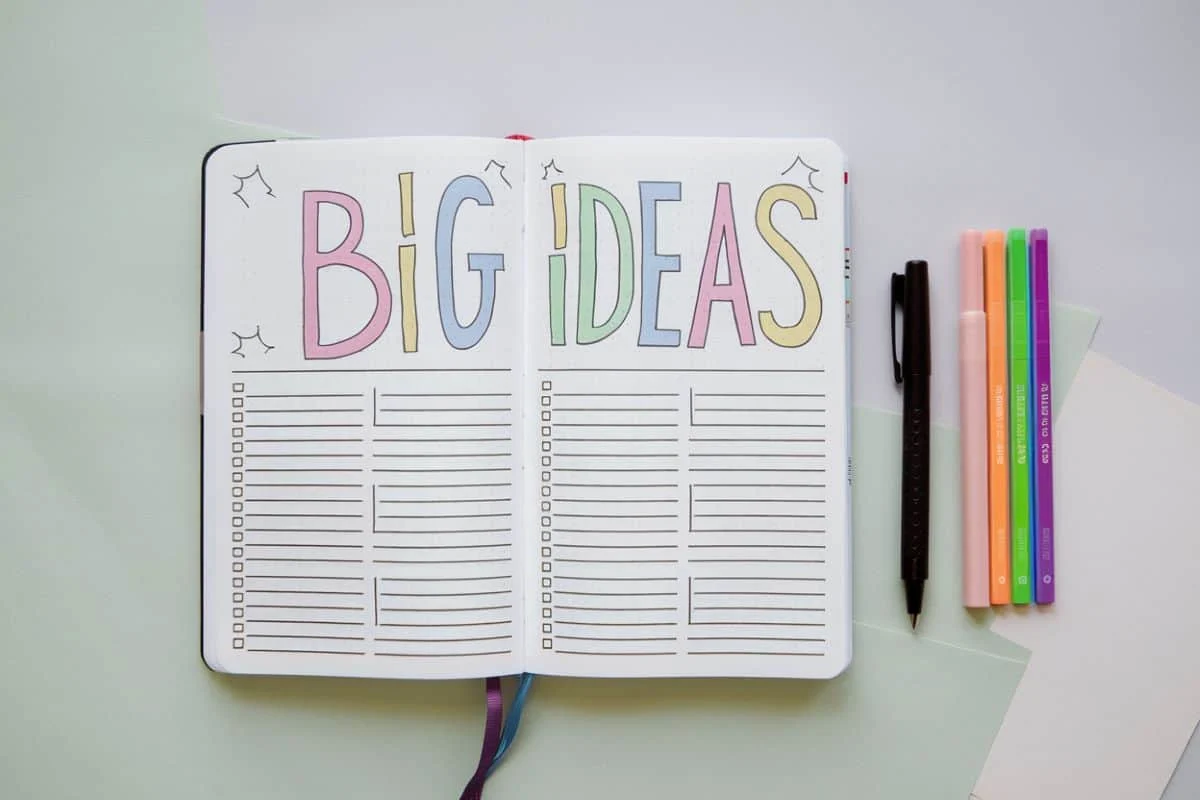
The world of personal organization and productivity has found a vibrant champion in the bullet journal, a customizable system that empowers individuals to meticulously track tasks, goals, and aspirations. As the popularity of "BUJO" continues to surge, many enthusiasts find themselves seeking fresh ideas and structured layouts to enhance their journaling experience. While the inherent flexibility of the bullet journal offers boundless possibilities, this very freedom can sometimes lead to feelings of overwhelm. The key, experts suggest, lies in a balanced approach: starting with foundational elements and progressively integrating pages that resonate with personal needs and interests. A bullet journal should ultimately serve as a reflection of its user, adapting to their unique workflow rather than dictating it. This curated guide aims to demystify the process, offering a comprehensive exploration of BUJO concepts and presenting 97 page ideas designed to ignite inspiration across various facets of life, from planning and productivity to creativity and personal growth.
Understanding the Bullet Journal System
At its core, a bullet journal is a method of organization developed by designer Ryder Carroll. It transcends the limitations of traditional planners by consolidating a wide array of organizational tools into a single, adaptable notebook. This system uniquely blends to-do lists, calendars, habit trackers, and personal reflections, all within a flexible framework. The foundational principles of the bullet journal system revolve around the strategic use of bullet points, symbols, and "rapid logging" – a technique for quickly capturing information. This minimalist approach allows users to efficiently document daily events, tasks, and thoughts. The adaptability of the bullet journal makes it an exceptionally powerful tool for anyone seeking to enhance their productivity, foster creativity, or drive personal development, offering a tangible pathway to achieving objectives.
The Enduring Appeal of Bullet Journaling
The widespread adoption of the bullet journal system can be attributed to its profound impact on clarity, structure, and mindfulness. In an increasingly chaotic world, the bullet journal provides a much-needed anchor, fostering a sense of control and intentionality. By engaging with the system, individuals often report a significant reduction in stress levels, a marked improvement in their productivity, and a more deliberate approach to achieving both personal and professional milestones. The act of physically writing down tasks and reflections can also enhance memory retention and encourage deeper introspection, contributing to overall well-being. Research has consistently shown that the physical act of writing can improve cognitive function and promote emotional processing, making the bullet journal a holistic tool for self-improvement.

Foundational Elements for a Successful Bullet Journal
To maximize the benefits of a bullet journal, a strategic approach to page selection is paramount. The advice from experienced practitioners is consistent: begin with a curated selection of key pages that directly address individual needs. This often means prioritizing functionality over elaborate design in the initial stages. The principle of "functional over perfect" is a guiding tenet, reminding users that their journal is primarily a tool for organization, not an art exhibit, unless artistic expression is a primary goal. The essential components for starting a bullet journal are remarkably simple: a notebook and a high-quality pen. The integration of symbols for quick organization is another fundamental aspect that streamlines the logging process. Crucially, flexibility remains the most important attribute; users are encouraged to adapt their BUJO pages and methodologies until they discover a system that truly resonates with their lifestyle and objectives.
Essential Supplies for Your Bullet Journal Journey
The journey into bullet journaling begins with acquiring the most basic, yet essential, supplies: a notebook and a pen. For many, a dot grid notebook emerges as a preferred choice due to its inherent structure, which guides writing and drawing without imposing rigid lines that can stifle creativity. These two items are sufficient to embark on the bullet journaling path. The selection of supplies can be tailored to individual budgets; a simple, cost-effective notebook can be just as effective as a premium journal. Ideally, the notebook pages should be pre-numbered, or users can manually add page numbers as they progress. When it comes to pens, the emphasis is on selecting a writing instrument that glides smoothly across the paper and exhibits minimal ink bleed-through, ensuring a clean and legible journal.
Establishing Core Layouts for Organization
Even a minimalist bullet journal relies on a few fundamental page layouts to maintain order and functionality. These foundational pages serve as the bedrock upon which more personalized spreads can be built, ensuring that the journal remains a practical organizational tool.
The Index: This is arguably the most critical page, serving as a table of contents for your entire journal. As you add new pages and collections, you’ll log their titles and corresponding page numbers here. This allows for quick retrieval of information, preventing the need to flip through every page. A well-maintained index transforms your notebook into a searchable database of your thoughts, plans, and achievements.
Future Log: Designed for long-term planning, the future log typically spans several months. It’s where you’ll record events, appointments, birthdays, and deadlines that fall outside the current month. This provides a bird’s-eye view of upcoming commitments, helping to prevent scheduling conflicts and ensuring that important dates are not overlooked.
Monthly Log: This spread is your command center for the current month. It usually consists of two parts: a calendar view for tracking appointments and events, and a task list for noting monthly objectives and responsibilities. The monthly log allows for a focused overview of immediate priorities.

Daily Log: The core of the rapid logging system, the daily log is where you capture the day’s events, tasks, and notes. Using the established bullet system (dots for tasks, circles for events, dashes for notes), you can quickly record information as it arises. This dynamic page evolves throughout the day, providing a real-time record of your activities and commitments.
These fundamental layouts are essential for any bullet journal, providing the necessary structure for effective organization.
Expanding Your Horizons: Creative BUJO Ideas
Once the basic framework is established, the bullet journal opens up a universe of possibilities for customization. The following categories offer a glimpse into the vast array of page ideas that can be incorporated to enhance personal well-being, financial management, creative expression, and more.

Wellness and Self-Care Page Ideas
Prioritizing mental and physical health is crucial for overall well-being. Bullet journals can serve as powerful tools for tracking habits, monitoring mood, and setting intentions for self-care.
- Mood Tracker: A visual representation of daily emotions, often depicted through colors or patterns, helping to identify emotional trends and triggers.
- Gratitude Log: A dedicated space to record things you are thankful for, fostering a positive mindset.
- Sleep Tracker: Monitoring sleep patterns can reveal insights into energy levels and overall health.
- Water Intake Tracker: Encouraging adequate hydration by visually tracking daily water consumption.
- Meditation/Mindfulness Log: Recording meditation sessions and reflections can support a consistent mindfulness practice.
- Workout Tracker: Logging exercise routines, duration, and intensity to track fitness progress.
- Meal Planner: Planning meals in advance can promote healthier eating habits and reduce food waste.
- Affirmation Page: A collection of positive affirmations to reinforce self-belief and combat negative self-talk.
- Digital Detox Tracker: Monitoring time spent away from screens to encourage a healthier relationship with technology.
- Self-Care Ideas List: A running list of activities that promote relaxation and rejuvenation.
Finance and Budgeting Pages
Gaining control over personal finances is a significant aspect of financial well-being. Bullet journals can be instrumental in tracking expenses, setting savings goals, and managing budgets effectively.
- Budget Tracker: A detailed breakdown of income and expenses, categorized for clarity. This allows for a comprehensive overview of spending habits.
- Savings Goals Tracker: Visualizing progress towards specific financial goals, such as a down payment, vacation, or emergency fund.
- Bill Payment Tracker: Ensuring all bills are paid on time by tracking due dates and payment status.
- Debt Payoff Tracker: A motivational tool to track progress in reducing and eliminating debt.
- Monthly Expenses Overview: A summary of spending for the month, allowing for analysis and adjustment of future budgets.
- Income Tracker: Recording all sources of income for a comprehensive financial picture.
- No-Spend Challenge Tracker: A fun way to challenge oneself to reduce unnecessary spending for a set period.
- Investment Portfolio Overview: A high-level summary of investment performance and asset allocation.
- Financial Goals: Clearly defining short-term and long-term financial aspirations.
- Subscription Tracker: Listing all recurring subscriptions to identify potential cost savings.
Personal Development Page Ideas
Continuous growth and self-improvement are key to a fulfilling life. Bullet journals can facilitate reflection, goal setting, and the tracking of personal development milestones.

- Goal Setting Pages: Defining specific, measurable, achievable, relevant, and time-bound (SMART) goals.
- Habit Tracker: Monitoring the consistency of desired habits, such as reading, journaling, or exercising.
- Skill Development Tracker: Logging progress in learning new skills, whether professional or personal.
- Book Reading List & Reviews: Keeping track of books read, along with personal reflections and ratings.
- Learning Journal: Documenting insights and key takeaways from courses, articles, or lectures.
- Personal Growth Reflections: Dedicated space for introspective journaling on lessons learned and areas for improvement.
- Bucket List: A compilation of experiences and achievements to aspire to.
- Journal Prompts: A collection of thought-provoking questions to stimulate deeper self-reflection.
- Progress Tracker: Visualizing progress on long-term projects or personal development journeys.
- Values Inventory: Identifying and reflecting on core personal values to guide decision-making.
Creative Outlet Pages
The bullet journal can be a canvas for artistic expression and a space to nurture creativity. These pages encourage exploration and experimentation with different forms of artistic endeavors.
- Doodle Pages: Unstructured space for freehand drawing and artistic exploration.
- Quote Collection: A curated list of inspiring quotes that resonate personally.
- Art Challenges: Participating in creative challenges and documenting the process and results.
- Color Swatches/Palettes: Experimenting with color combinations for future artistic projects.
- Creative Writing Prompts: Pages dedicated to sparking imaginative storytelling and writing exercises.
- Bullet Journal Setup Ideas: Documenting inspiration and layouts for future journal spreads.
- Brainstorming Pages: A free-flowing space for generating new ideas and concepts.
- Collage Space: Incorporating cutouts from magazines or other materials to create visual narratives.
- Lettering Practice: Dedicated pages for improving calligraphy and hand-lettering skills.
- Inspirational Images: A collection of visual inspirations for artistic endeavors.
Home and Organization Pages
Maintaining a well-ordered living space contributes to a sense of calm and efficiency. These pages can help manage household tasks and keep living areas organized.
- Cleaning Schedule: A detailed plan for regular household chores, ensuring a consistently clean environment.
- Decluttering Tracker: Setting goals and tracking progress in decluttering specific areas of the home.
- Home Maintenance Checklist: A record of routine maintenance tasks for appliances and home systems.
- Wardrobe Inventory: Listing clothing items to facilitate outfit planning and identify gaps.
- Recipe Collection: A curated list of favorite recipes for easy reference.
- Gardening Planner: Tracking planting schedules, watering needs, and harvest times for home gardens.
- Gift Ideas List: A running list of gift ideas for friends and family throughout the year.
- Party/Event Planner: Organizing details for hosting gatherings, from guest lists to menu planning.
- Contact List: Essential contact information for service providers, neighbors, or emergency contacts.
- Pantry Inventory: Keeping track of food items to reduce waste and streamline grocery shopping.
Travel and Adventure Page Ideas
Documenting travels and planning future adventures can be a rewarding aspect of bullet journaling. These pages capture memories and inspire future explorations.

- Travel Wishlist: A list of dream destinations and travel experiences.
- Trip Itinerary: Detailed planning for upcoming trips, including flights, accommodation, and activities.
- Packing List: A comprehensive checklist to ensure nothing is forgotten for a trip.
- Travel Journal Entries: Recording daily experiences, observations, and reflections during a trip.
- Souvenir Tracker: A place to note memorable souvenirs and where they were acquired.
- Budget for Travel: Planning and tracking expenses for specific trips.
- Restaurant Wishlist: A collection of restaurants to try in various locations.
- Places to Visit: A list of landmarks, attractions, or natural wonders to explore.
- Postcard Log: A record of postcards sent and received during travels.
- Travel Memories Page: A dedicated space to capture the essence of a memorable trip through writing, photos, or sketches.
Relationships and Social Life Pages
Nurturing connections with others is vital for a well-rounded life. These pages can help track social engagements, express appreciation, and strengthen relationships.
- Friendship Tracker: Noting important dates, like birthdays and anniversaries, and tracking the frequency of contact.
- Date Night Ideas: A collection of activities for couples to enjoy together.
- Family Tree/Genealogy: A space to document family history and connections.
- Gratitude for Loved Ones: Expressing appreciation for the people in your life.
- Social Event Planner: Organizing details for social gatherings and events.
- Contact Anniversary Tracker: Remembering the anniversaries of important friendships or relationships.
- Acts of Kindness Log: Recording instances of kindness given or received.
- "People I Want to Connect With" List: Identifying individuals you wish to foster stronger connections with.
- Conversation Starters: A list of engaging questions for social interactions.
- Relationship Goals: Defining aspirations for personal relationships.
Academic and Professional Pages
The bullet journal can be a valuable asset for students and professionals, aiding in academic pursuits, career development, and project management.
- Assignment Tracker: Keeping track of deadlines, project stages, and submission requirements.
- Study Schedule: Creating a structured plan for academic preparation.
- Exam Planner: Strategizing for exams, including topics to review and practice tests.
- Project Management Board: Outlining project phases, tasks, responsibilities, and timelines.
- Meeting Notes: Recording key discussions, action items, and decisions from professional meetings.
- Professional Development Goals: Setting objectives for career advancement and skill enhancement.
- Networking Tracker: Logging contacts made at professional events and follow-up actions.
- Brainstorming for Work/Projects: Generating ideas for business strategies or project solutions.
- Time Management Log: Analyzing how time is spent to identify inefficiencies and improve productivity.
- Skill Assessment: Evaluating current skills and identifying areas for professional development.
Miscellaneous and Fun Page Ideas
Beyond the practical, the bullet journal offers a space for whimsy, personal expression, and capturing fleeting moments.

- Wishlist: A general list of desired items or experiences.
- Favorite Quotes/Lyrics: A collection of inspiring words that hold personal meaning.
- Dream Journal: Recording and reflecting on dreams.
- "Things I Love" List: A compilation of favorite things, from hobbies to food.
- Bucket List Check-in: Regularly reviewing and updating personal aspirations.
- Seasonal Bucket List: Creating lists of activities to enjoy during specific seasons.
- Monthly Favorites: Documenting favorite books, movies, songs, or experiences each month.
- Funny Moments Log: Recording amusing anecdotes and lighthearted observations.
- Personal Achievements: Celebrating personal milestones and accomplishments.
- "If You Could…" Scenarios: Exploring hypothetical situations and creative responses.
Planning and Scheduling Page Ideas
Effective planning and scheduling are fundamental to productivity. These pages provide frameworks for organizing time and commitments.
- Yearly Overview: A bird’s-eye view of the entire year, useful for long-term planning.
- Quarterly Goals: Setting objectives for each three-month period.
- Weekly Spread: A detailed plan for the week, often including daily tasks and appointments.
- Time Blocking: Allocating specific blocks of time for various activities to optimize efficiency.
- Event Planning: Comprehensive layouts for organizing parties, weddings, or other significant events.
- Project Timeline: Visualizing the duration and sequence of tasks within a project.
- Commitment Tracker: Monitoring personal commitments and ensuring follow-through.
- Urgent/Important Matrix (Eisenhower Matrix): Categorizing tasks based on urgency and importance to prioritize effectively.
- "Do It Later" List: A designated space for tasks that are not a priority now but should not be forgotten.
- Daily Schedule Outline: A flexible template for structuring each day.
The Enduring Value of the Bullet Journal
In summation, the bullet journal stands as a remarkably versatile tool for organization, creativity, and personal growth. Whether the objective is to meticulously track goals, artfully plan daily activities, or simply provide an outlet for self-expression, the underlying principle remains constant: simplicity and personalization are key. By embracing the foundational elements and then courageously experimenting with new page ideas, individuals can sculpt a bullet journal that perfectly aligns with their unique requirements. The expansive potential of this system ensures that it can evolve into the ultimate companion for staying inspired, maintaining productivity, and fostering a profound sense of control over one’s life. The journey into bullet journaling is one of continuous discovery, where each new page offers an opportunity for enhanced self-awareness and intentional living.

