
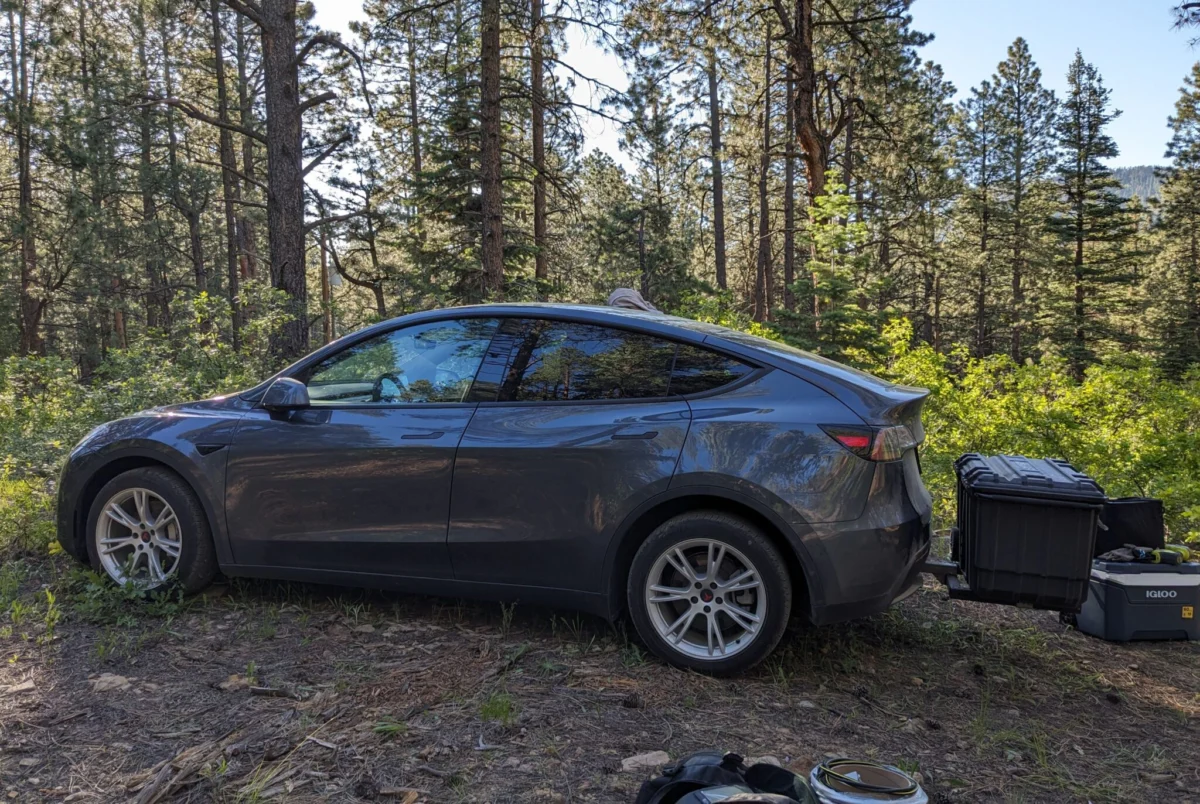
Mr. Money Mustache, the acclaimed figurehead of the Financial Independence, Retire Early (FIRE) movement, recently unveiled a significant and widely discussed shift in his long-standing financial philosophy: the acquisition of a 2023 Tesla Model Y. This purchase, a sophisticated electric crossover SUV with a net cost of approximately $52,000 after federal tax credits and referral discounts, represents a notable departure from his previous vehicle, a 23-year-old Honda van acquired for a mere $4,500 over a decade ago. The move has ignited considerable conversation within the FIRE community and beyond, as it challenges the conventional image of austerity often associated with the early retirement advocate, signaling a nuanced evolution in the approach to wealth management post-financial independence.
The Enduring Ethos of Frugality and the FIRE Movement
Pete Adeney, known globally as Mr. Money Mustache, established his prominence through a blog that champions a lifestyle defined by aggressive saving, conscious consumption, and a critical perspective on mainstream spending habits. His core message has consistently revolved around achieving financial independence to facilitate early retirement, often by meticulously reducing discretionary expenditures, embracing do-it-yourself solutions, and questioning societal norms surrounding consumerism. His personal journey to early retirement at the age of 30, built upon disciplined frugality and strategic investments, has inspired millions worldwide to reconsider their relationship with money and work.
A fundamental pillar of Adeney’s philosophy has been his outspoken disdain for "car culture," frequently criticizing excessive vehicle ownership, the allure of expensive cars, and the environmental impact of gasoline-powered transportation. For years, his personal vehicle, a 1999 Honda Odyssey van—purchased for a modest $4,500 via Craigslist—served as a tangible emblem of his unwavering commitment to practical, durable, and economical transportation. This van, affectionately dubbed "Vanna," was more than just a means of conveyance; it was a versatile tool, faithfully traversing the mountains and deserts of the United States for family adventures and contributing to community rebuilding efforts, embodying utility and longevity over luxury. The concept of "procrastinating" on luxury purchases, even when financially capable, was a key tenet of his teachings, as he often highlighted the psychological pitfalls of "hedonic adaptation" and the pursuit of material possessions that rarely deliver lasting contentment.
The Catalyst for Change: A Philosophical Evolution
The decision to purchase a high-end electric vehicle, described by Adeney himself as "absolutely loaded to the gills with excess"—featuring all-wheel drive, acceleration comparable to a Lamborghini, seating for up to seven people, and advanced computer gadgetry—underscores a deliberate and thoughtful evolution in his financial philosophy. This shift is deeply rooted in the pragmatic wisdom of the adage: "What got you here, won’t get you where you’re going."
Adeney articulates the internal conflict that many financially independent individuals encounter: the deeply ingrained habit of frugality, meticulously cultivated over years of disciplined saving, often persists long after its economic necessity has faded. He vividly recounts a relatable anecdote he terms "Grocery Shopping With Your Middle Finger," wherein he grappled with the perceived exorbitant price of a loaf of Dave’s Killer Bread ($6.99) at a conventional grocery store, a stark contrast to the $4.50 he typically paid in bulk. This seemingly trivial encounter laid bare the persistent "scarcity mentality" that can afflict even the wealthiest individuals who achieved their status through extreme thrift.
This psychological phenomenon is not exclusive to Adeney. He shares the experience of a similarly affluent friend who, despite possessing a net worth several times his own, struggled with the notion of opting for an Uber to the airport instead of a lengthier, more economical bus ride. This shared internal struggle highlights a critical insight: while the habits of accumulation are indispensable for achieving financial independence, they can become counterproductive if they prevent individuals from judiciously enjoying the fruits of their labor during an extended retirement. The financial challenge for these individuals transitions from how to save more to how to spend wisely for enhanced well-being.
Evolving Principles for Wealth Management and Enjoyment in Retirement
In response to this widespread challenge, Adeney and his friend collaboratively developed three guiding principles aimed at fostering a healthier relationship with accumulated wealth, encouraging enjoyment without compromising core values.
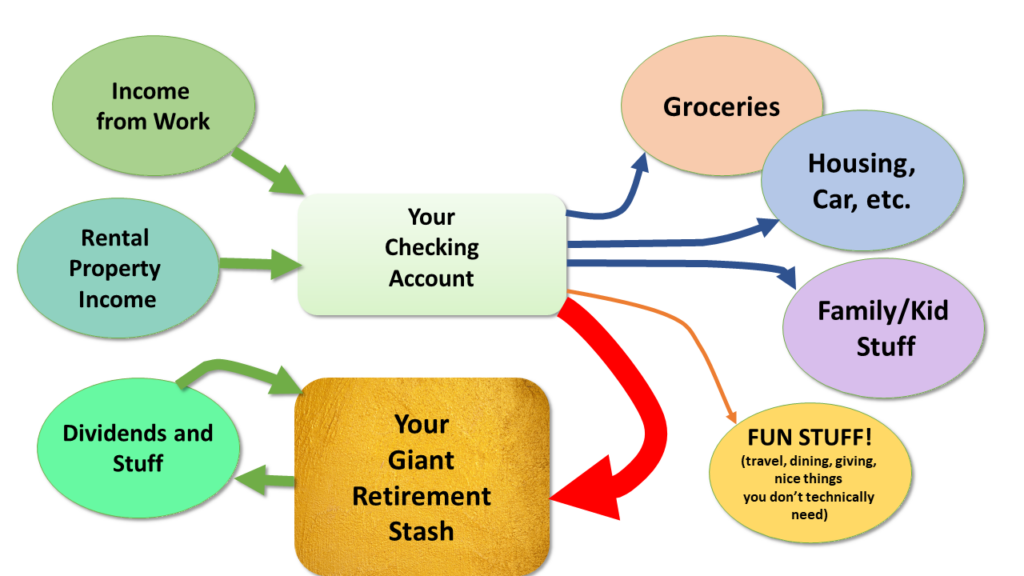
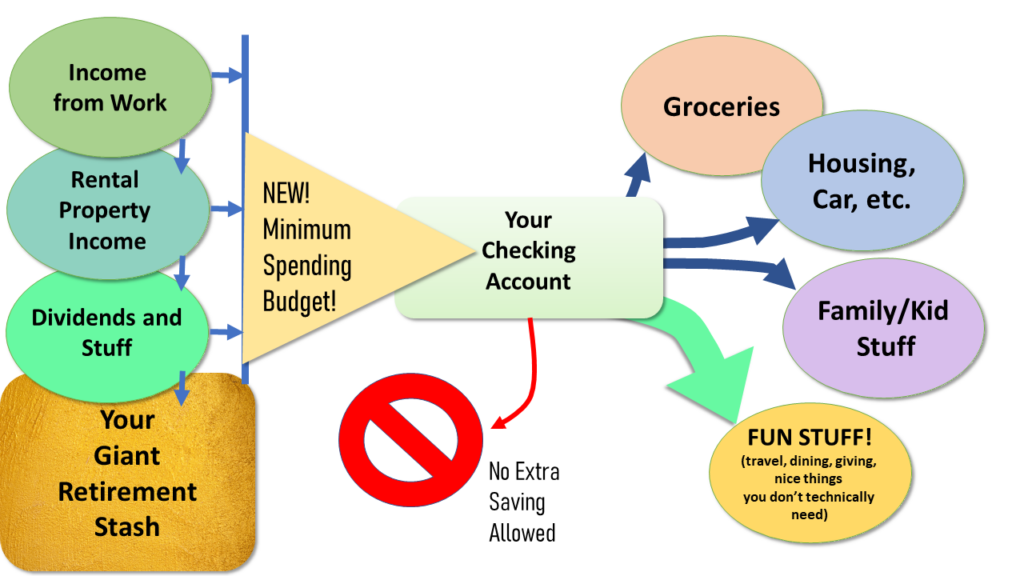
Principle #1: The Minimum Spending Budget. This concept directly addresses the tendency of financially independent individuals to underspend relative to their considerable means. The widely accepted "4% rule" suggests that a diversified investment portfolio of $2 million could safely support annual withdrawals of $80,000, even in the absence of additional income. By establishing a minimum annual spending target, such as $60,000 (based on a more conservative 3% withdrawal rate), individuals are encouraged to acknowledge and utilize their substantial financial capacity for life enrichment. A 2022 study by Fidelity, for instance, revealed that a significant number of retirees, particularly diligent savers, often spend considerably less than their financial plans permit, leading to a phenomenon of "underspending." This behavior is frequently driven by a lingering, often irrational, fear of depleting assets, despite robust actuarial evidence to the contrary. This principle advocates for a deliberate effort to overcome this ingrained apprehension and allocate funds towards experiences and goods that genuinely elevate life quality.
Principle #2: The Dedicated Money Wasting Account. This principle offers a practical psychological strategy to mitigate the guilt often associated with "frivolous" expenditures. By consciously designating a specific fund, distinct from core investments, for discretionary purchases, individuals can effectively reframe the act of spending. Adeney draws a parallel to spending "somebody else’s money," such as an employer’s budget on a business trip, where the emotional barrier to spending is significantly diminished. This concept aligns with theories in behavioral economics, particularly "mental accounting," where individuals categorize and treat money differently based on its perceived source or intended use. By establishing a distinct "money wasting" account, individuals psychologically distance themselves from their "hard-earned savings," thereby facilitating guilt-free enjoyment of non-essential purchases. This account functions as a permission slip, a designated reservoir for expenditures that can enhance daily life or facilitate memorable experiences.
Principle #3: The Splurge Accountability Buddy. Acknowledging that deeply entrenched habits are difficult to break, this principle underscores the transformative power of social support. Frugal individuals often gravitate towards like-minded peers, which can inadvertently reinforce conservative spending patterns. By collaborating with friends who are also actively striving to overcome excessive thrift, individuals can cultivate a system of mutual encouragement and constructive challenge. This dynamic has already demonstrated positive outcomes within Adeney’s immediate circle. His friend, Carl Jensen (known as Mr. 1500 Days), successfully replaced his aging minivan with a new Chevrolet Bolt electric car, embracing modern technology and convenience. Similarly, Adeney’s wealthy friend, initially reluctant to spend on convenience, now regularly opts for Uber over public transport for airport journeys, prioritizing time and comfort. This collective shift suggests a maturation of the FIRE movement, recognizing that true financial freedom extends beyond mere wealth accumulation to include the judicious deployment of assets to optimize happiness and well-being throughout the retirement phase.
The Tesla Model Y: A Detailed Examination of the Purchase
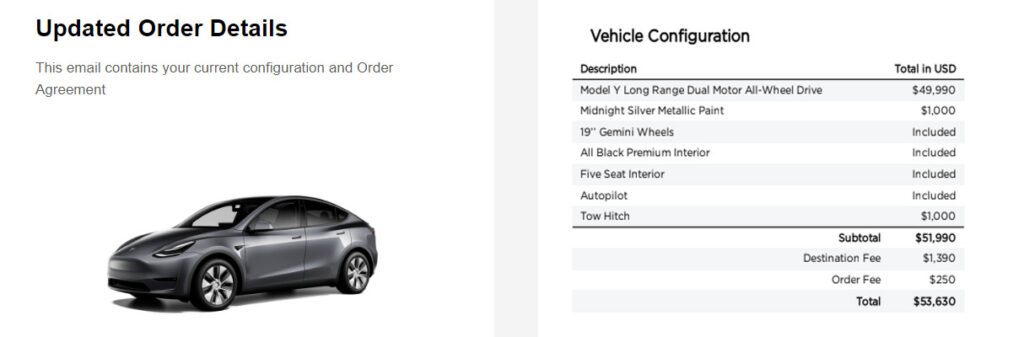
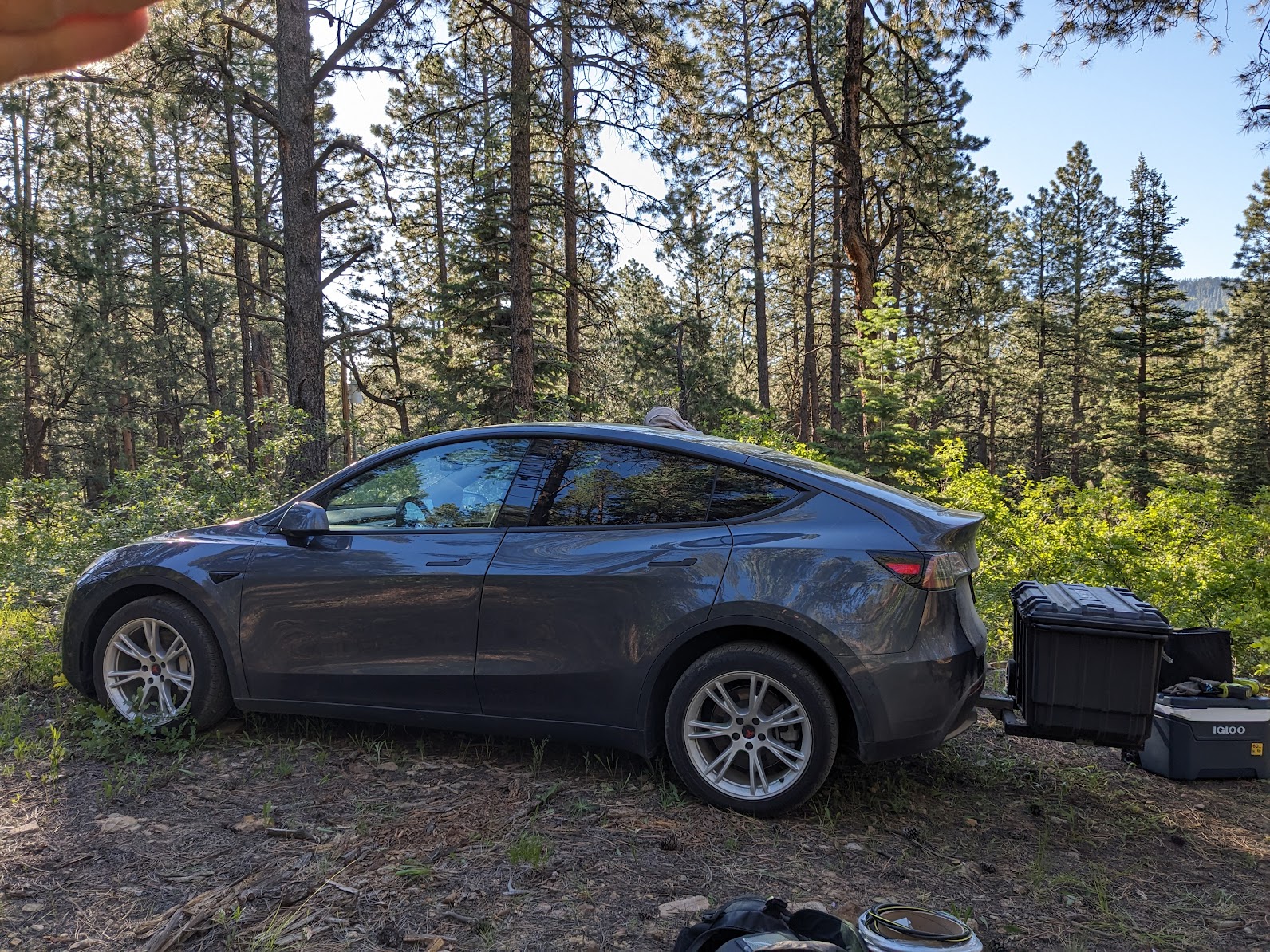
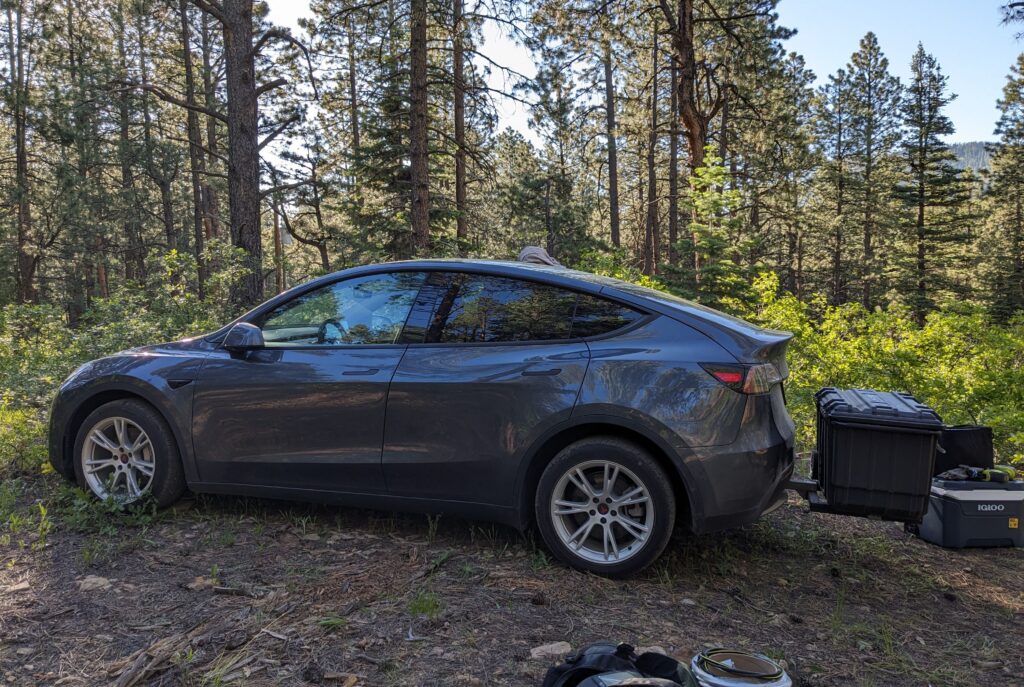
The 2023 Tesla Model Y Long Range All-Wheel Drive, the specific model selected by Adeney, represents a substantial technological and experiential upgrade. With an initial list price of $65,590 (including options such as the 7-seater configuration and Enhanced Autopilot), its final net cost to Adeney was approximately $52,000, after accounting for the $7,500 federal tax credit for electric vehicles and a $1,000 referral discount.
Vehicle Specifications: The Model Y is a high-performance electric crossover SUV renowned for its rapid acceleration (achieving 0-60 mph in 4.8 seconds for the Long Range variant), an advanced all-wheel-drive system, and a remarkably spacious interior designed to accommodate up to seven passengers. Its comprehensive technological suite includes Tesla’s advanced Autopilot features, a large central touchscreen interface, and continuous over-the-air software updates, effectively transforming the vehicle into what Adeney aptly described as a "small Google data center" on wheels. This advanced, feature-rich vehicle stands in stark contrast to the utilitarian simplicity of his previous Honda van.
Financial Implications and Cost Analysis: Adeney estimates that the Tesla will incur approximately $10,000 more in annual costs compared to his old van. This figure encompasses several key financial factors:
- Depreciation: While electric vehicles generally exhibit better value retention than some internal combustion engine (ICE) cars, a new, more expensive vehicle like the Model Y will inevitably incur a higher absolute depreciation cost annually compared to a nearly valueless 23-year-old van.
- Insurance: The higher purchase price and advanced technological features of the Model Y typically translate to higher insurance premiums.
- Fuel vs. Electricity: Although electricity is generally more cost-effective per mile than gasoline, the initial capital expenditure for the EV and potential home charging infrastructure upgrades contribute to the overall expenditure. The transition also eliminates the "wheezing and gear shifting and noise" characteristic of a gasoline engine, representing a significant experiential enhancement.
- Maintenance: While EVs typically feature fewer moving parts and generally incur lower routine maintenance costs than ICE vehicles, the advanced components and proprietary systems can potentially lead to higher repair costs should issues arise. According to AAA’s 2023 "Your Driving Costs" report, the average annual cost of owning and operating a new vehicle in the U.S. is approximately $12,182. While the Model Y may offer savings in fuel and some maintenance aspects, the depreciation and insurance for a premium model can substantially contribute to the overall ownership expenses.
The Rationale for the Purchase: The primary impetus for this long-deferred acquisition was the escalating unreliability of his cherished Honda van. After 23 years of dedicated service, the vehicle was succumbing to "several hard-to-fix ways," culminating in a "final hot and smelly transmission failure on a mountain pass" during a return trip from a new project in Salida, Colorado. This incident served as the decisive "nudge" Adeney needed.
Furthermore, a recent significant life change—co-owning a "fixer-upper vacation rental compound" in Salida—has "reignited the travel fire" within Adeney. This new venture, affectionately dubbed "Friends Mountain Resort," is designed to facilitate group gatherings, mountain biking excursions, and "Carpentourism" (a portmanteau combining carpentry with tourism). A reliable, long-range vehicle like the Model Y is indispensable for enabling these activities, transforming potential apprehension about unreliable travel into "excitement rather than dread at the prospect of all the road trips in the coming decades." The Tesla is thus positioned not merely as a car, but as a strategic enabler of enhanced life experiences and a reduction of stress.
Addressing Criticisms: Philanthropy Versus Personal Spending
A common criticism directed at affluent individuals, particularly those who advocate for frugality, is the contention that their financial resources should be exclusively channeled towards charitable causes. Adeney directly addresses this "Privileged Rich Folk Talk," acknowledging the overarching principle that "the richer you are, the more you should consider giving generously."
However, he simultaneously asserts the counterproductive nature of shaming individuals for their personal spending choices, especially when those individuals have demonstrated substantial philanthropic commitment. Adeney reveals that he has personally "donated over $500,000 to the best causes I could find during the years I’ve been writing this blog."
He elucidates a psychological paradox: for individuals deeply ingrained in frugal habits, significant charitable giving can inadvertently reinforce a "scarcity mentality" in their personal lives. Comparing personal expenditures (e.g., $100 for a dinner date) to massive charitable donations can foster an irrational fear of "running out of money," even when financial security is robust. This internal monologue, where the "fear side of my brain would illogically chime in: ‘Yeah and you’re going to make us run out of money and be poor forever! waaaah waaaah! Cut back and optimize and conserve!’" vividly illustrates the profound emotional challenges involved in transitioning from an accumulator to a thoughtful, purposeful spender.
Adeney advocates for a "happy medium": responsible stewardship of savings, generous charitable giving, and the deliberate allocation of funds for "frivolous spending on yourself and those closest to you." This balanced approach recognizes that personal well-being and the enjoyment of life’s journey are equally valid outcomes of financial independence. Examples such as paying extra for better airplane seats to alleviate travel stress or purchasing more expensive frozen berries to avoid an inconvenient trip highlight that strategic splurges can significantly enhance quality of life without compromising overall financial health or philanthropic endeavors.
"The Model Y Experiment": Looking Ahead
To comprehensively document this new chapter, Mr. Money Mustache has inaugurated a dedicated online tracker page titled "The Model Y Experiment." This initiative is designed to provide ongoing insights, findings, and a question-and-answer forum regarding the ownership experience of the Tesla Model Y. While Adeney has extensively driven and rented Teslas in the past, this long-term ownership will facilitate a thorough evaluation of the vehicle’s reliability, the quality of Tesla’s customer service, and any unique quirks, modifications, or upgrades he implements.
The "experiment" transcends mere vehicle ownership; it represents a public exploration of how deeply ingrained financial habits can be recalibrated in a post-FIRE life. For a movement occasionally critiqued for its potential to foster excessive self-deprivation, Adeney’s transparent journey offers a valuable case study. It suggests that financial independence is not solely an endpoint of austerity, but rather a platform for conscious choices that judiciously balance personal enjoyment, environmental responsibility, and sustained philanthropy. The "experiment" aims to demonstrate that intelligent spending can be a potent tool for enriching life, not merely for accumulating savings.
Disposal of the Old Vehicle and Refined Splurging Strategy
The transition was completed with the sale of his loyal Honda van, "Vanna," through an online car salvage service called Peddle. The process, described as remarkably quick and efficient, yielded $715 in cash, which Adeney deliberately allocated entirely to "splurges like dinners out," aligning perfectly with his new philosophy of mindful enjoyment.

This refined approach to spending emphasizes targeting "truly negative aspects of your life" for improvement. It distinctly differentiates between:
- Indiscriminately reducing hardship: Adeney cautions against outsourcing all daily chores, as overcoming routine challenges and achieving small accomplishments contribute significantly to overall life satisfaction.
- Upgrading already satisfactory aspects: He advises against investing time or money in improving areas where existing satisfaction is high, citing the example of a gourmet coffee setup when his current Costco coffee already brings him joy.
Instead, the focus should be on areas that cause "regular angst and stress," such as an unreliable vehicle that restricts travel and generates anxiety. The Tesla Model Y, in this context, is not merely a luxury but a strategic investment in mitigating stress and enabling desired life experiences, including mountain adventures and gatherings at his new Salida retreat.
Conclusion
Mr. Money Mustache’s acquisition of a Tesla Model Y signifies a pivotal, yet logical, evolution in his financial philosophy. Far from abandoning his foundational tenets of financial independence, this move underscores

