
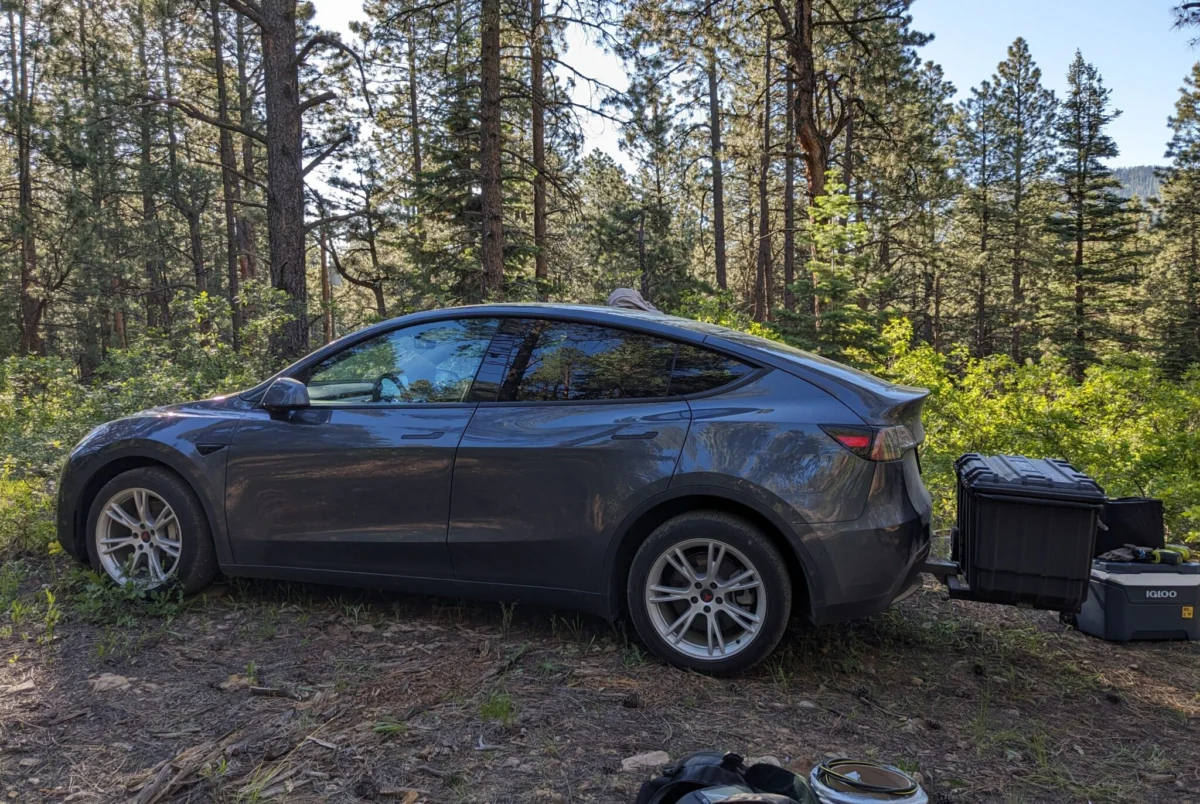
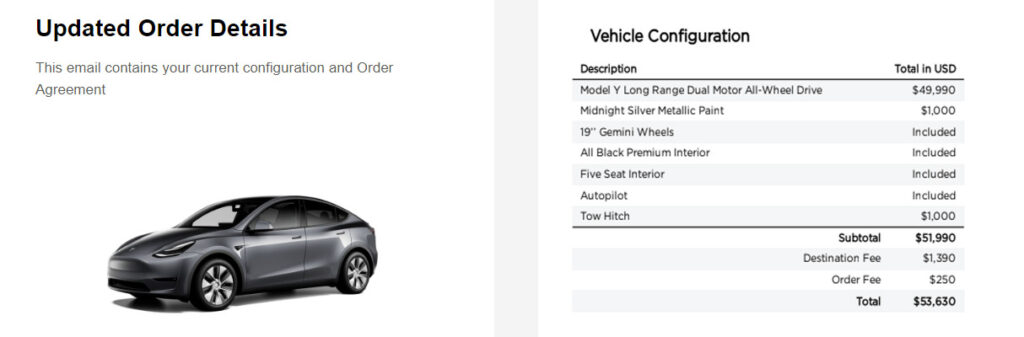
In a move that has garnered significant attention within the financial independence community, Peter Adeney, widely known as Mr. Money Mustache, a prominent figure in the Financial Independence, Retire Early (FIRE) movement, recently announced the purchase of a 2023 Tesla Model Y. This acquisition, valued at approximately $52,000 after taxes and tax credits, represents a substantial shift from his long-held philosophy of extreme frugality, which previously saw him drive a 23-year-old Honda van for over a decade. The decision has opened a broader discourse on the evolving spending habits and psychological challenges faced by individuals who have achieved early retirement through disciplined saving.
Background: The Mr. Money Mustache Phenomenon and the FIRE Movement
Mr. Money Mustache rose to prominence as a leading voice in the FIRE movement, which advocates for aggressive saving and minimalist living to achieve financial independence and early retirement. Since launching his blog in 2011, Adeney has championed a lifestyle characterized by conscious consumption, do-it-yourself ethos, and a strong aversion to unnecessary expenses, particularly those associated with car ownership and consumerism. His philosophy, often presented with a blend of humor and blunt practicality, has inspired millions globally to rethink their financial priorities and accelerate their path to freedom. Adeney himself retired at the age of 30, nearly two decades ago, having built a substantial investment portfolio. His previous vehicle, a Honda van purchased for $4,500 twelve years prior, epitomized his commitment to utilitarian, low-cost transportation, having served him for various personal and community projects, including extensive travel and neighborhood rebuilding efforts.
The Tesla Acquisition: A Departure from Tradition
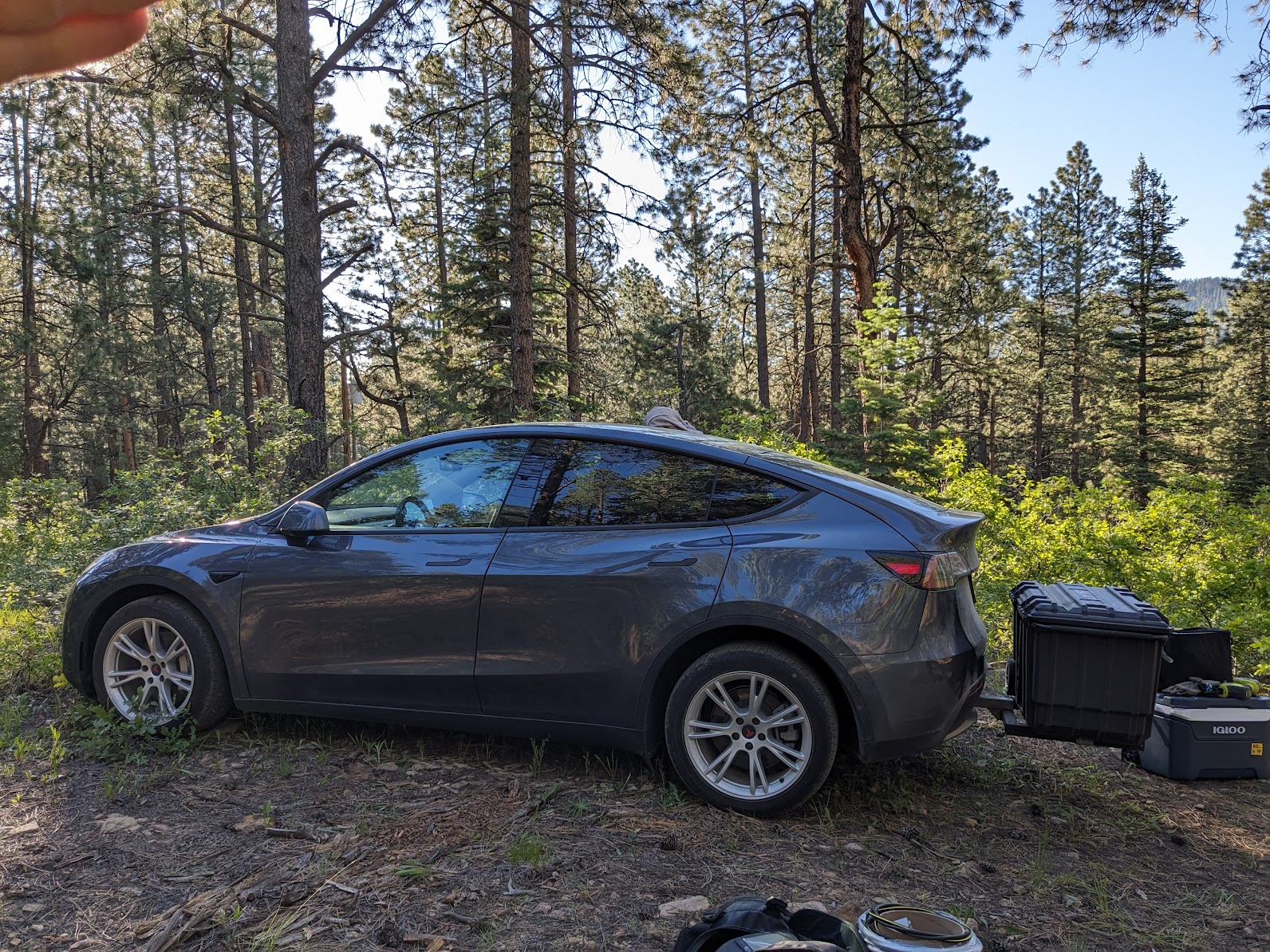
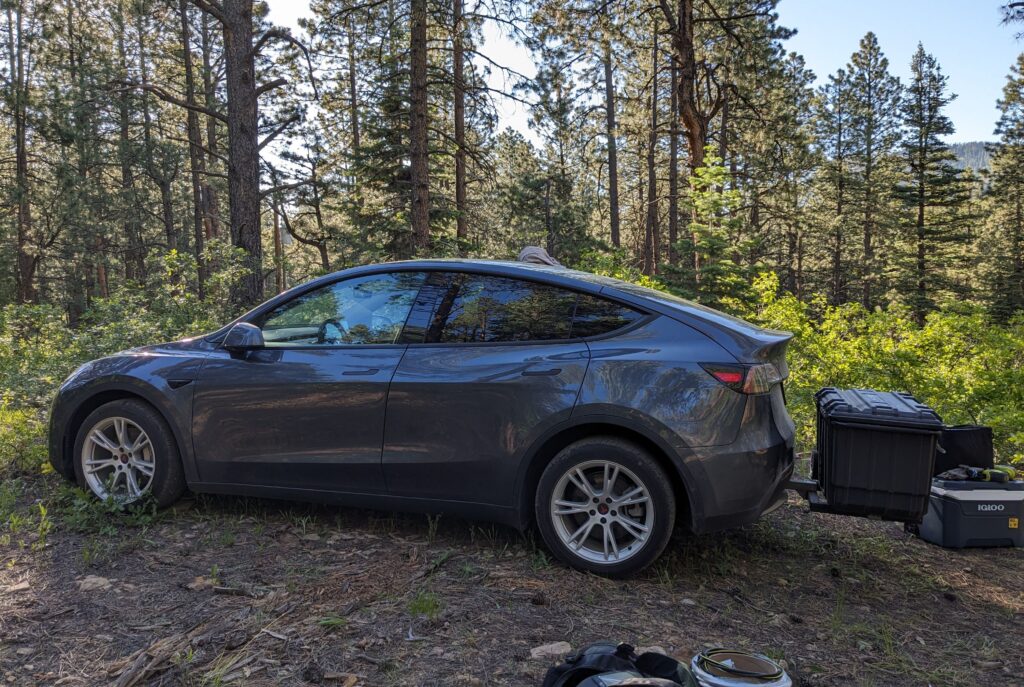
The 2023 Tesla Model Y, described by Adeney as a "luxury ‘crossover’ loaded to the gills with excess," starkly contrasts with his previous mode of transport. The electric vehicle boasts all-wheel drive, rapid acceleration, seating for seven, and advanced technological features. The net cost of $52,000 for the Tesla represents a significant investment, nearly twelve times the purchase price of his former Honda van. This purchase is particularly noteworthy given Adeney’s long-standing public criticism of "car culture," which he often describes as a major drain on personal finances and a symbol of excessive consumption. The blogger himself acknowledged the irony and anticipated "self-mockery and ridicule" from his devoted readership, many of whom identify with his staunch frugality.
The Rationale: "What Got You Here, Won’t Get You Where You’re Going"
Adeney’s decision to acquire the Tesla is rooted in a re-evaluation of his financial philosophy, encapsulated by the adage, "What got you here, won’t get you where you’re going." While acknowledging that his disciplined frugality enabled his early retirement and current freedom, he recognized that an overly restrictive mindset could inadvertently diminish his quality of life in retirement. He illustrated this internal conflict with a personal anecdote about purchasing a loaf of "Dave’s Killer Bread" for $6.99 – significantly higher than his usual bulk purchase price – and the mental battle against perceived "overspending" despite his substantial wealth.
This sentiment was echoed by a friend, also an early retiree with a net worth significantly higher than Adeney’s, who admitted to similar struggles with "splurging" on conveniences like an Uber to the airport instead of a longer, cheaper bus ride. Both individuals concluded that they were being "too cheap with themselves" and needed strategies to enjoy their accumulated wealth more freely.
New Principles for Post-Frugality Spending
To address this challenge, Mr. Money Mustache and his friend developed three guiding principles for more intentional and enjoyable spending in early retirement:
-
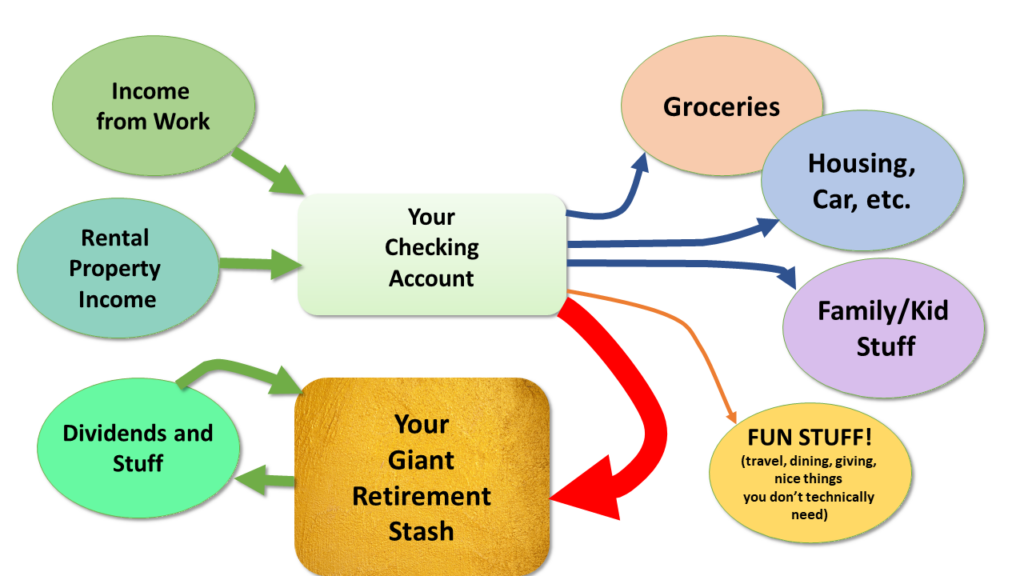
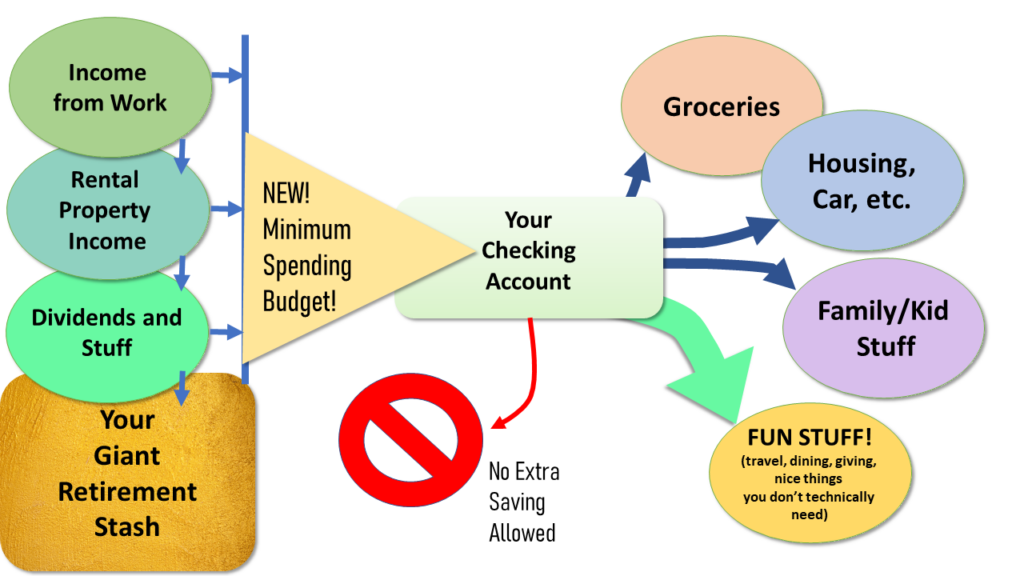
The Minimum Spending Budget: This principle suggests that individuals with significant wealth, such as a $2 million investment portfolio, should establish a reasonable minimum annual spending level. Applying the "4% rule" (a common guideline suggesting a safe withdrawal rate from retirement savings), a $2 million portfolio could safely support annual spending of $80,000. Even with a more conservative 3% withdrawal rate, this equates to $60,000 per year, excluding any side income, future inheritances, or social security benefits. Adeney notes that many "Mustachians" (his readers) with this level of wealth often continue to live on less than $40,000 annually, demonstrating an ingrained reluctance to utilize their financial freedom. The concept aims to counteract the habit of constantly saving more, even when the "pile" is already substantial, and encourages allocating funds towards "fun stuff."
-
The Dedicated Money Wasting Account: Recognizing the psychological difficulty of spending "hard-earned" money on perceived frivolous items, this principle advocates for creating a separate financial account specifically designated for discretionary spending. The idea is to mentally reframe this money as "somebody else’s," similar to how expenses are perceived on a business trip where the bill is not directly seen. By compartmentalizing these funds, individuals can overcome the ingrained frugality mindset and enjoy spending without guilt or internal conflict.
-
The Splurge Accountability Buddy: This strategy emphasizes the power of peer support in breaking lifelong habits. Frugal individuals often find solidarity with like-minded friends who understand their challenges. By teaming up, these "buddies" can question each other’s overly cautious decisions, call out unnecessary cheapness, and encourage beneficial splurges. Adeney cited examples of friends who, through this method, have improved their quality of life by investing in home upgrades, travel, or modern conveniences like electric vehicles. His co-owner at "HQ," Carl (Mr. 1500 Days), recently replaced a minivan with a Chevrolet Bolt EV, reflecting a similar evolution in spending.
Implications and Broader Impact
The acquisition of the Tesla Model Y and the subsequent articulation of these spending principles carry several implications:
- Evolution of the FIRE Movement: Adeney’s public shift acknowledges that the pursuit of financial independence is not solely about accumulation but also about strategically deploying wealth to enhance life quality. This could encourage a more nuanced approach within the FIRE community, moving beyond pure austerity to a balanced view of saving and spending.
- Behavioral Economics in Retirement: The article highlights the psychological inertia associated with ingrained frugal habits. Even after achieving financial freedom, the "scarcity mentality" can persist, preventing individuals from enjoying the fruits of their labor. The proposed principles offer practical tools to address these behavioral challenges.
- Reconciling Wealth with Well-being: For many high-net-worth individuals, the challenge shifts from earning money to effectively spending it in ways that maximize happiness and well-being. The "Minimum Spending Budget" and "Dedicated Money Wasting Account" aim to facilitate this transition, promoting experiences and conveniences that reduce stress and enhance life.
- Philanthropy vs. Personal Spending: Adeney also addressed criticisms regarding personal luxury purchases versus charitable giving. He revealed a significant history of donations, exceeding $500,000 to various causes, while still struggling with personal spending. He argued that a balanced approach is essential: responsible stewardship of savings, generous charitable giving, and also allowing for some "frivolous spending" on oneself and loved ones without guilt. He posits that this balance prevents a counterproductive "scarcity mentality" that can arise from constantly comparing personal spending to larger philanthropic figures.
The Tesla’s Role in a Reframed Lifestyle
For Mr. Money Mustache, the Tesla Model Y is not merely a luxury item but a solution to a specific source of "regular angst and stress" – the unreliability of his aging van for long-distance travel. His previous vehicle combination included a Nissan Leaf, suitable only for local trips due to its limited range, and the increasingly problematic Honda van. The Tesla, with its extended range and advanced features, promises to enable "epic camping trips, dream dates, and long adventures around the country," thereby facilitating experiences that were previously hampered by vehicle limitations. This aligns with his tip for effective splurging: focus on improving aspects of life that cause consistent stress, rather than merely reducing hardship or upgrading already satisfactory things.
The new car’s estimated annual cost of $10,000 more than the old van is considered a "solid first step" in his experiment to increase spending on experiences. This cost includes factors such as depreciation, insurance, and the opportunity cost of the invested capital, although electric vehicle charging costs are typically lower than gasoline.

Disposing of the Old and Embracing the New
The transition involved the sale of the 1999 Honda van, affectionately named "Vanna," which finally succumbed to a transmission failure on a mountain pass. Adeney utilized an online car salvage service, Peddle, which offered $715 for the vehicle and arranged for its prompt cash payment and tow. He made a point of dedicating this unexpected income to "splurges like dinners out," reinforcing his new spending philosophy.
The Tesla Model Y also leverages a referral program, offering a $1,000 discount to new buyers and points to the referrer, indicating a modern approach to vehicle acquisition in line with current market trends. Mr. Money Mustache has also initiated a new online tracker page, "The Model Y Experiment," to document his ongoing ownership experience, covering reliability, customer service, and any modifications or upgrades. This initiative provides transparency and continued engagement with his audience as he navigates this new chapter of post-frugality.

In conclusion, Mr. Money Mustache’s Tesla purchase is more than just a car acquisition; it is a public declaration of an evolving financial philosophy. It underscores the importance of adapting one’s approach to money as life circumstances change, particularly for those in early retirement who must reconcile years of disciplined saving with the desire to enjoy their accumulated wealth and enhance their quality of life. The principles he outlined offer a framework for the FIRE community and beyond to navigate the psychological complexities of spending after achieving financial independence.

