
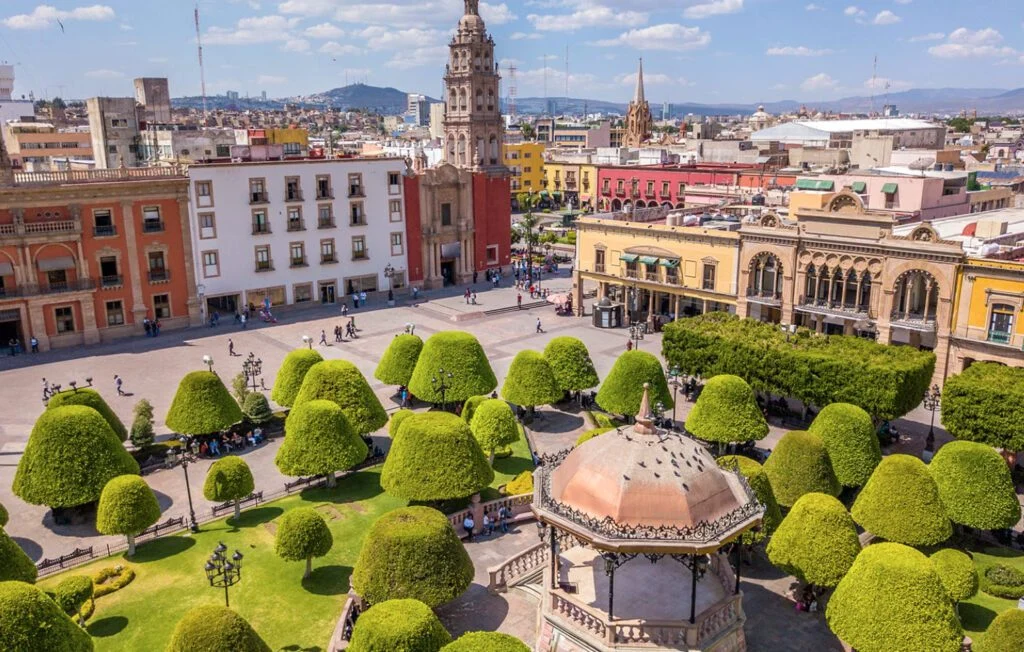
The allure of retirement often beckons with visions of sun-drenched beaches, vibrant cultures, and a slower pace of life. For an increasing number of Americans, this dream is being realized not within their native borders, but in foreign lands. Anne Nicolai, a seasoned writer and entrepreneur, embarked on such a journey in 2008, trading her corporate career and Minnesota residence for a new chapter as a freelance writer and karaoke host in San Miguel de Allende, Mexico. Her experiences, spanning over a decade, offer a compelling perspective on the realities and rewards of expatriate retirement.
Embracing the Unexpected: The Transformative Power of the Unknown
Nicolai’s first profound realization from her expat journey is the inherent capability residing within individuals, often underestimated by themselves. "You are capable of more than you give yourself credit for," she asserts, reflecting on her initial struggles with the Spanish language and currency conversion. Fourteen years later, she is not only bilingual but also a confident karaoke host, adept at navigating the local economy and social intricacies. Her personal transformation includes successfully managing complex bureaucratic processes, such as obtaining and renewing temporary and permanent residency visas – a testament to her resilience and problem-solving skills. This journey involved navigating the intricacies of immigration procedures, including multiple visits to the immigration bureau and extensive documentation.
The physical demands of her new life have also contributed to this self-discovery. Nicolai recounts undertaking the four-day car journey from San Miguel to Minneapolis more than twenty times, often solo. These extensive road trips, fraught with potential challenges like getting lost and encountering corrupt officials, served as significant catalysts for expanding her comfort zone. Each instance, she explains, presented an opportunity to test her mettle and reinforce her self-reliance, ultimately leading to a profound sense of accomplishment. This aligns with broader psychological research on personal growth, which consistently highlights the benefits of embracing challenging experiences to foster resilience and enhance self-efficacy.
The Compass of Community: Finding Security in Shared Experiences
The second key lesson from Nicolai’s expat narrative is the critical importance of community for safety and integration. Relocating to a foreign country inherently necessitates heightened awareness of personal security. In San Miguel de Allende, as in many parts of Mexico, visible security measures are common, including decorative ironwork on windows and doors, and reinforced garden walls, sometimes topped with broken glass or razor wire. The risk of petty theft, such as the opportunistic snatching of unattended electronics from vehicles, is a reality that expats must acknowledge and adapt to. Furthermore, navigating unfamiliar environments after dark often requires a greater degree of caution, emphasizing the importance of well-lit streets and awareness of surroundings.
However, Nicolai emphasizes that establishing oneself within a sizable expat community can significantly mitigate these concerns. Such communities often develop their own informal security networks and readily share information on local safety protocols. In San Miguel, for instance, the presence of English-speaking emergency services and a direct line to the American consular agency provides a crucial safety net. Beyond official channels, the social fabric of expat enclaves fosters mutual support. "Locals are accustomed to socializing and working with expats, many of them speak English, too," Nicolai observes, facilitating smoother interactions and a greater sense of belonging. She highlights the choice between living in mixed neighborhoods, expat-dominated gated communities, or fully Spanish-speaking areas, each offering different levels of immersion and security. For her, true safety is rooted in the deep connections forged with neighbors, enabling her to seek assistance without hesitation. This mirrors sociological studies on social capital, which demonstrate that strong community ties are directly correlated with increased individual and collective well-being, including enhanced safety and security.
Bridging Distances: Technology as a Lifeline to Home and New Horizons
The third transformative lesson Nicolai imparts revolves around the pervasive influence of technology in maintaining connections and facilitating daily life as an expatriate. In an era of global connectivity, the geographical distance between retirees and their loved ones is increasingly bridged by accessible and affordable communication tools. High-speed internet and mobile services are now globally widespread, empowering individuals to stay in touch through a plethora of applications such as WhatsApp, Duo, and FaceTime. These platforms enable free voice and video calls, allowing expatriates to participate in significant life events like birthdays and holidays with grandchildren, regardless of their physical location.
Beyond personal connections, technology plays a vital role in accessing essential services. Virtual healthcare options allow for remote consultations with doctors and therapists, a convenience that transcends borders. Managing financial affairs back home, including online bill payments and direct deposit of Social Security benefits into foreign bank accounts, has become remarkably straightforward. Furthermore, technology acts as a crucial connector to the new community. Online expat forums on platforms like Facebook serve as invaluable hubs for information exchange, ranging from local event listings and classified ads to crime alerts and recommendations for specialized goods. Navigational tools like Google Maps and Waze, particularly in areas with robust internet infrastructure such as San Miguel, provide real-time directions, simplifying exploration and daily errands. This technological integration underscores the diminishing impact of physical distance on social and practical aspects of life for modern retirees.
Cultural Alchemy: The Profound Impact of Immersion
Nicolai’s fourth pivotal learning centers on the profound and positive transformation that immersion in another culture can bring. While acknowledging her affection for her home state of Minnesota and the United States, she articulates a deliberate choice to move to Mexico driven by a desire for more sunshine, vibrant colors, ethnic diversity, and the intellectual stimulation of acquiring a new language. Her previous life as a "Type A" American, fully engaged in consumerism with a spacious home, multiple vehicles, and a penchant for expensive cocktails, was a stark contrast to her current existence.
After fourteen years in Mexico, Nicolai has embraced a lifestyle characterized by patience, humility, and simplicity. The relentless pursuit of material possessions has waned, with her needs largely confined to food and music. Her wardrobe, largely comprising clothes brought from her previous life, remains functional, partly due to a more active lifestyle that involves increased walking, dancing, and healthier eating habits. This shift in priorities and lifestyle is a common thread among expats across various global destinations, as reported by Nicolai’s international network of friends. This cultural assimilation fosters a deeper appreciation for experiences over material wealth, leading to a more balanced and fulfilling retirement. This phenomenon aligns with research on cross-cultural psychology, which indicates that prolonged exposure to different cultural norms can lead to cognitive flexibility, broadened perspectives, and enhanced personal adaptability.
The Open Door: Reassurance in the Option to Return
The fifth and perhaps most reassuring lesson Nicolai offers is the inherent flexibility of the expat decision: "You can always go home." This sentiment counters the common apprehension that moving abroad is a permanent, irreversible commitment. She points to numerous expat retirees in their eighties and nineties who have lived in Mexico for decades, while also acknowledging individuals who, after relocating, have chosen to return to their home countries due to health concerns or a desire to be closer to family. The pathways of retirement are diverse, with individuals moving between countries like Thailand, New Zealand, and Portugal, illustrating the fluid nature of these life transitions.
Nicolai frames retirement planning not as a quest for a singular "right" way or place, but as a process of exploration and adaptation. "It’s about trial and error, not success or failure," she emphasizes. While Mexico has become her home, she doesn’t rule out the possibility of living in the United States again. Her current plan is to remain in Mexico, yet she maintains the freedom to relocate should her desires or circumstances change. This adaptability is crucial for a successful retirement, as individual needs and priorities can evolve over time. Many who move abroad seek reinvention, healing, or the pursuit of artistic passions. Nicolai’s own motivation was a desire for a warmer climate and a new adventure, a goal she has demonstrably achieved. The consistent visits from friends and family attest to the enduring strength of her existing relationships, dispelling the notion of isolation. The ultimate message is one of empowerment: the decision to live abroad is not a point of no return, but a choice that can be revisited and revised, offering peace of mind and the freedom to pursue an authentic retirement.

