
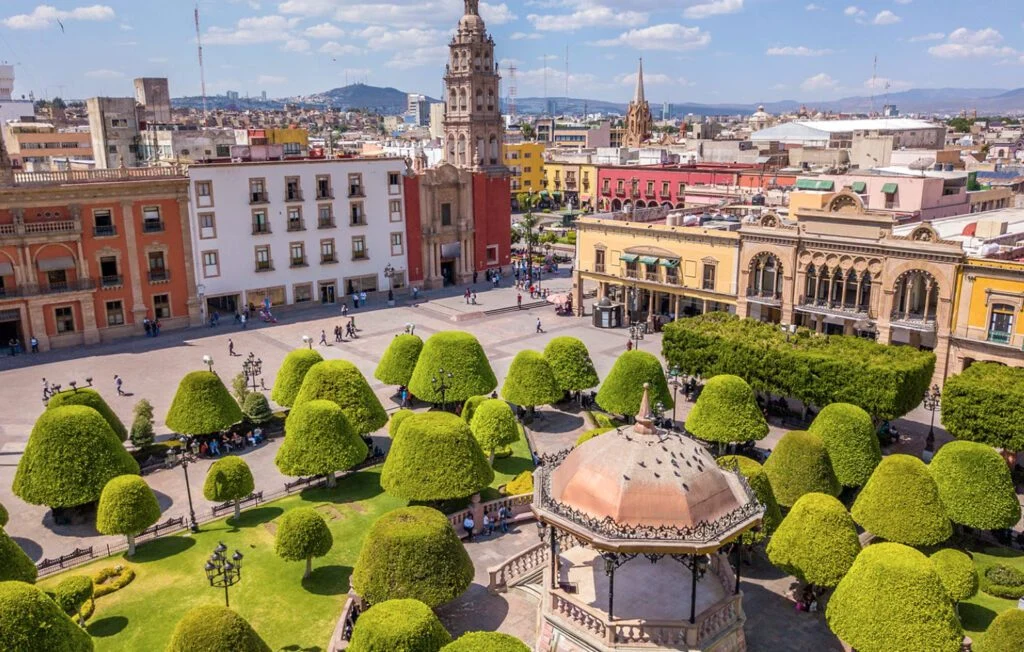
The allure of retirement often sparks dreams of warmer climates, lower costs of living, and new cultural experiences. For an increasing number of Americans, this dream translates into becoming an expatriate, trading familiar landscapes for the vibrant tapestry of life abroad. Anne Nicolai, a seasoned writer and entrepreneur, is one such individual who made the bold transition in 2008, leaving behind her corporate career and Minnesota home for the sun-drenched streets of San Miguel de Allende, Mexico. Now a part-time freelancer and karaoke host, Nicolai has cultivated a unique perspective on the challenges and profound rewards of retiring outside one’s native country. Her insights, shared with fellow writer Bev Bachel, offer a compelling roadmap for those contemplating a similar life-altering decision.
The Transformative Power of Embracing the Unknown
Nicolai’s journey began with a pragmatic assessment of her capabilities, leading to her first critical lesson: "You are capable of more than you give yourself credit for." The initial months in Mexico were a testament to this realization. Navigating a new language, grappling with currency conversions, and feeling like an observer in cultural festivities presented immediate hurdles. However, over fourteen years, these challenges have forged a new identity. Nicolai is now fluent in Spanish, no longer mentally converting pesos to dollars, and confidently participates in the local dance scene.
This personal growth extends to overcoming significant bureaucratic and logistical complexities. Nicolai successfully managed the intricate process of obtaining and renewing her temporary residency visa multiple times, culminating in the acquisition of permanent residency. This involved numerous visits to the immigration bureau, a process that often tests the patience of even the most resilient individuals. Furthermore, she has independently undertaken over twenty four-day road trips between San Miguel de Allende and Minneapolis. These journeys, fraught with the potential for getting lost and encountering unexpected challenges like bribe requests, have significantly expanded her comfort zone and reinforced her self-efficacy. The ability to navigate such situations independently, especially as a woman, speaks volumes about her adaptability and resilience.
Navigating New Environments: The Role of Community and Security
The transition to a foreign country invariably brings a heightened awareness of safety and security. Nicolai’s second key lesson emphasizes "There is safety in numbers." In Mexico, as in many countries, visible security measures such as decorative ironwork on windows and doors, and walls topped with broken glass or razor wire, are commonplace. The risk of opportunistic theft, even for brief moments, necessitates constant vigilance, particularly with personal belongings like cell phones and laptops. Furthermore, navigating unfamiliar urban environments after dark often requires strategic planning, favoring well-lit streets and avoiding solitary walks.
However, Nicolai highlights that joining an established expat community can significantly mitigate these concerns. Whether in Mexico, China, Nigeria, India, or Ecuador, these communities often develop their own security infrastructures. In San Miguel de Allende, for instance, the availability of English-speaking emergency services and a direct hotline to the American consular agency provides a crucial safety net. The integration of expats into local society also fosters communication, with many locals accustomed to interacting with foreigners and possessing varying degrees of English proficiency. This can lead to a more comfortable living situation, whether within a mixed neighborhood, a gated expat enclave, or an entirely Spanish-speaking community, as Nicolai herself has chosen. Her emphasis on knowing neighbors well enough to seek assistance in times of trouble underscores the human element of security within a community. This sentiment is echoed in global trends where expat hubs often see improved local infrastructure and community-led safety initiatives. For example, in Panama City, expat-heavy neighborhoods have seen a notable increase in private security patrols and neighborhood watch programs, contributing to a sense of collective safety.
The Ubiquitous Reach of Technology in Global Connectivity
The third fundamental lesson underscores the pervasive influence of technology in maintaining connections across vast distances: "Technology will keep you connected." The widespread availability of high-speed internet and affordable mobile services globally ensures that expatriates are far from isolated. Modern communication tools such as WhatsApp, Duo, and Facetime offer free voice and video calls, enabling families to remain intimately involved in each other’s lives, celebrating milestones like birthdays and holidays with grandchildren. This technological bridge also extends to essential services. Virtual healthcare options provide access to medical and therapeutic professionals remotely, and online banking facilitates easy bill payments back home. Furthermore, Social Security benefits can be directly deposited into many foreign bank accounts, offering flexibility in managing finances.
Beyond personal connections, technology plays a vital role in integrating into the new community. Online platforms, particularly Facebook groups and expat forums, serve as invaluable resources for information ranging from local events and garage sales to crime alerts and recommendations for specific goods and services. Navigating a new city is also simplified by digital mapping tools like Google Maps and Waze, providing real-time directions for walking, public transport, and driving. This digital infrastructure not only eases daily logistics but also fosters a sense of belonging and participation within the expat ecosystem. Data from Statista indicates that by 2023, over 5.3 billion people worldwide were internet users, with mobile internet access being a primary driver of this connectivity, underscoring Nicolai’s point about the global reach of these tools.
Cultural Immersion: A Catalyst for Personal Transformation
Nicolai’s fourth profound realization centers on the transformative impact of immersing oneself in a different culture: "Immersion in another culture will change you for the better." Her decision to move to Mexico was fueled by a desire for more sunshine, vibrant colors, ethnic diversity, and the intellectual stimulation of learning a new language. As a self-described "Type A" American, accustomed to a consumer-driven lifestyle, the shift to a different cultural paradigm has been deeply enriching.
Over her fourteen years in Mexico, Nicolai has cultivated virtues such as patience, humility, and simplicity. Her purchasing habits have shifted significantly; the need for material possessions has diminished, with expenditures primarily focused on food and karaoke music. Her wardrobe, largely comprising items brought from her previous life, still fits, a testament to a healthier lifestyle characterized by increased walking, dancing, and a more balanced diet. This experience is not unique to her; she notes that friends living as expats globally report similar positive lifestyle changes. The emphasis on experiences over possessions, and a greater appreciation for daily life, are common themes in qualitative studies of expatriate well-being. Research by organizations like the OECD has highlighted how cultural immersion can lead to increased empathy, adaptability, and a broader worldview, fostering personal growth that transcends material accumulation.
The Unwavering Option of Return: Redefining Retirement Choices
The final, and perhaps most reassuring, lesson is that "You can always go home." Nicolai observes a spectrum of expat experiences, from retirees who have lived in Mexico for three decades to those who have returned to their home countries due to health reasons or a desire to be closer to family. Some have even relocated from Mexico to destinations like Thailand, New Zealand, or Portugal, demonstrating the fluid nature of expatriate life. This underscores a critical point: there is no single "right" way to retire, no perfect timing, and no ideal location. Retirement abroad is a process of exploration and adaptation, not a definitive success or failure.
For Nicolai, Mexico has become home, though she acknowledges the possibility of returning to the United States. Her plan is to likely remain in Mexico, a decision that reflects a deep sense of belonging and contentment. Her motivations for moving – escaping Minnesota winters and embracing a new adventure – are echoed by many who seek reinvention, healing from personal challenges, or the pursuit of artistic passions. The consistent visits from friends and family have ensured she has never felt isolated. Crucially, she emphasizes the agency inherent in this decision: if she were to decide to return to her origins or explore another part of the world, she would do so. This freedom of choice, the understanding that the door to one’s homeland, or indeed any other location, remains open, is a powerful enabler for those considering expatriate retirement. This perspective aligns with broader demographic trends showing a growing interest in flexible retirement options, with many individuals embracing multi-location living or phased retirement that allows for transitions between countries. The concept of a "return migration" is a recognized phenomenon, offering a safety net and reassuring those who may initially feel apprehensive about making a permanent geographical shift.
An expatriate (short for expatriate) is a person living outside their native country. The term does not imply a change in citizenship or a negative attitude toward the expat’s home country (an expatriate can still be a patriot!), but it does imply intellectual curiosity and an adventurous spirit.
Bev Bachel is a freelance writer with a goal of one day becoming an expat.
Check out The Retirement Wisdom Podcast.

