

Brian and Michael, both 34-year-old professionals residing in central Connecticut, have reached a critical juncture in their decade-long partnership as they navigate the complexities of consumer debt, career advancement, and the transition from high-end rental living to potential homeownership. Despite a combined gross household income of approximately $167,544, the couple faces a recurring cycle of consumer debt that they believe is obstructing their long-term objectives, which include legal marriage, starting a business, and establishing a lasting financial legacy. This case study examines their current fiscal health, the impact of recent life events on their savings, and a strategic framework for achieving permanent debt-free status within a volatile economic climate.

Current Financial Profile and Career Context
The couple’s financial foundation is built upon stable public sector employment. Brian serves as a quality assurance manager for a state-run hospital, a role that provides significant long-term security through a pension plan and lifetime healthcare benefits. Michael works as a project coordinator for a state behavioral health agency and maintains a secondary role as an advocate and disability leadership coordinator. Michael’s career is deeply influenced by his personal history as a brain injury survivor, a factor that drives his professional commitment to mental health and disability advocacy.
Their combined net annual income, after taxes and benefit deductions, stands at $109,455. Despite this robust earning power, the couple reports significant anxiety regarding their lack of liquid assets and the presence of $28,259 in consumer debt. Their current lifestyle is characterized by a "feast or famine" cycle, where periods of debt repayment are frequently interrupted by unplanned expenses or shifts in the cost of living.

Chronology of Recent Life Events and Economic Pressures
The past year has been a period of significant upheaval for the household. For eight years, Brian and Michael resided in a 600-square-foot studio apartment with a monthly rent of $945. This low-overhead living arrangement allowed for Brian to pay off $58,000 in student loans. However, a series of events in late 2022 and early 2023 shifted their financial trajectory:
- Forced Relocation: The couple was required to navigate a tightening rental market, eventually moving into a 1,200-square-foot, two-bedroom apartment in a refurbished industrial mill. This move increased their monthly housing costs from $945 to $2,000.
- Veterinary Expenses: The adoption of two kittens resulted in unexpected medical costs and specialized dietary requirements, adding approximately $517 per month to their recurring expenses.
- Inflationary Impact: Residing in Connecticut, the couple faces some of the highest utility costs in the United States. Their average monthly electricity bill is $235, reflecting broader regional energy price hikes.
The transition to a more "age-appropriate" and spacious living environment has provided psychological benefits, including dedicated office and library spaces, but it has simultaneously constrained their ability to save for a down payment on a home.

Analysis of Debt and Asset Distribution
The couple’s debt is exclusively consumer-based, consisting of three primary credit accounts:
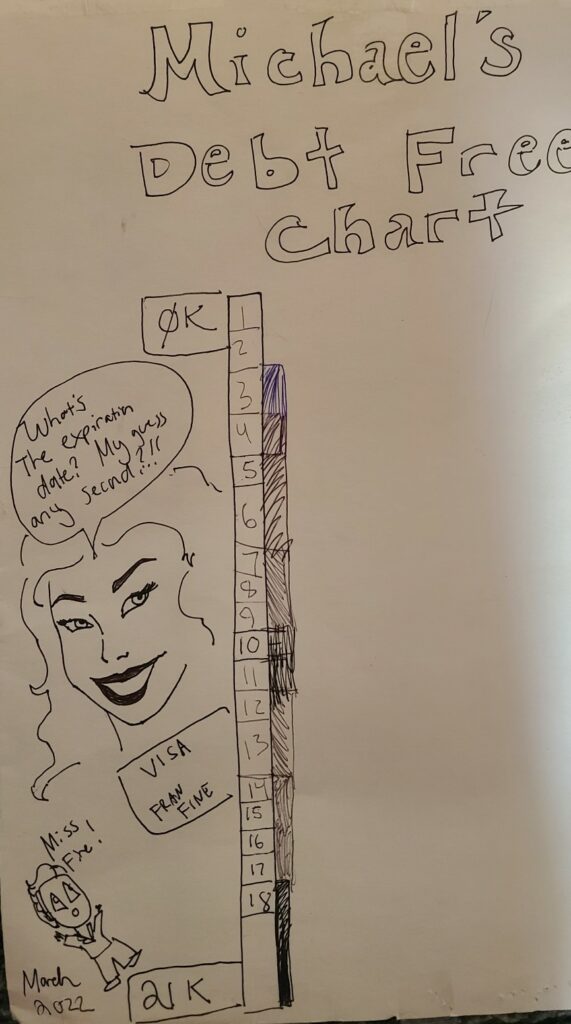
- Brian’s Visa (SCU): $16,057 with a 0% interest rate expiring in November 2023 (rising to 17.99%).
- Michael’s Visa Platinum: $9,700 at 10.99% interest.
- Brian’s Visa Platinum (Navy Federal): $2,503 with a 0.99% promotional rate expiring in November 2023 (rising to 17.74%).
While their total debt of $28,259 is manageable relative to their income, the looming expiration of promotional interest rates represents a significant "fiscal cliff." If the balances are not substantially reduced by November, the household will face a sharp increase in monthly interest charges, further hindering their ability to build equity.

On the asset side, the couple holds $91,250 across various accounts, though the majority is tied up in retirement vehicles. Brian’s access to a "triple crown" of retirement options—a 403b, a 457b, and a state pension—provides a projected monthly payout of $4,150 upon retirement in 2054. However, their liquid emergency fund is currently $9,000, which covers only slightly more than one month of their $8,035 in average monthly expenditures.
Expert Recommendations for Fiscal Stabilization
Financial analysts, including Liz Frugalwoods, suggest that the couple is in a stronger position than they perceive, provided they implement a rigorous cash-flow management system. The primary recommendation is the immediate adoption of an expense-tracking protocol to identify where the $13,041 annual surplus between their net income and reported spending is being lost.
The Debt Elimination Strategy
To avoid the high interest rates scheduled to take effect in late 2023, a "spending detox" has been proposed. By categorizing expenses into Fixed, Reducible, and Discretionary buckets, the couple could potentially reduce their monthly spending from $8,035 to $6,665. This adjustment would allow them to redirect approximately $4,456 per month toward debt principal. Under this aggressive repayment schedule, the couple could achieve total debt freedom in approximately 6.5 months, effectively neutralizing the threat of 17.99% interest rates.
Rebuilding the Emergency Buffer
Following debt elimination, the secondary priority is the fortification of the emergency fund. In the context of Connecticut’s high cost of living and the couple’s reliance on two aging vehicles (a 2007 Mercedes and a 2007 Subaru, both with 175,000 miles), a one-month cash buffer is insufficient. Analysts recommend a minimum of three to six months of expenses ($24,000 to $48,000) held in a high-yield savings account to prevent future reliance on credit cards when "predictable emergencies," such as car repairs or medical bills, occur.

Long-term Strategic Priorities
Michael and Brian have expressed a desire to pursue homeownership and potentially a master’s degree for Brian. However, within the current economic climate, the prioritization of these goals must be scrutinized based on Return on Investment (ROI).
- Homeownership: While a primary goal, the pursuit of real estate should be deferred until the consumer debt is cleared and a 20% down payment is secured. Purchasing a home with existing high-interest debt would leave the household vulnerable to the maintenance costs associated with property ownership.
- Graduate Education: Brian’s interest in a master’s degree is viewed by financial consultants as a "discretionary" goal unless a direct, iron-clad correlation to a significant salary increase can be proven. In the public sector, where Brian already holds a stable position with excellent benefits, the cost-benefit ratio of further academic debt may be unfavorable.
- Marriage and Legal Protections: Given the couple’s ten-year history and shared assets, legal marriage is recommended as a priority for the associated tax benefits and legal protections, particularly concerning pension beneficiary rights and healthcare proxies.
Broader Economic Implications and Conclusion
The situation faced by Brian and Michael is representative of a broader demographic of "High Earners, Not Rich Yet" (HENRYs) who struggle with lifestyle creep and the rising costs of suburban professional life. In Connecticut, where the median home price has seen steady increases and utility rates remain volatile, the "middle-class debt cycle" can become a permanent state without intervention.

The case study highlights the importance of the "buffer" provided by public sector benefits. Brian’s pension and Michael’s HSA contributions are critical long-term stabilizers that many private-sector workers lack. However, these benefits do not compensate for a lack of short-term liquidity.
To transition to the "next level of adulting," Brian and Michael must move away from a reactive financial posture. By eliminating high-interest debt before the November deadline and establishing a robust emergency fund, the couple can leverage their high earning potential to move from debt management to wealth creation. Their story serves as a reminder that financial success is often less about the gross income on a W-2 and more about the disciplined management of the "spreadsheet problems" that define daily life. If they adhere to the proposed 6.5-month debt-clearing plan, they will enter their second decade together with the fiscal clarity required to turn their aspirations of homeownership and business ventures into reality.

