
The tenets of Financial Independence, Retire Early (FIRE) are facing renewed scrutiny as a new generation of aspirants confronts economic landscapes vastly different from those experienced by the movement’s early pioneers. A recent critique, voiced by a reader of the influential Mr. Money Mustache blog, highlights a growing sentiment that much of the established FIRE advice, particularly concerning homeownership and income generation, may no longer be universally applicable in the post-pandemic era. This has prompted a re-evaluation of core Mustachian principles and their enduring relevance.
The reader’s commentary posited that many prominent FIRE bloggers benefited from high-paying tech careers two decades ago and acquired homes at significantly lower prices before 2019. This demographic advantage, they argued, renders traditional advice like "house hacking" or "buying a fixer-upper" impractical for individuals today who lack six-figure salaries and face record-high housing prices and interest rates. The critique also touched upon regulatory hurdles, such as restrictive zoning laws that impede the creation of accessory dwelling units (ADUs) or multi-unit conversions, and local ordinances preventing alternative living arrangements even on private land.
Understanding the FIRE Movement and Its Evolution
The FIRE movement, which gained significant traction in the early 21st century, advocates for aggressive saving and investing to accumulate sufficient capital to live off investment returns, thereby achieving financial independence and the option to retire decades earlier than traditional retirement age. Key pillars include a high savings rate (often 50-70% of income), diligent budgeting, minimizing expenses, and investing in low-cost index funds. Mr. Money Mustache, the moniker for blog founder Pete Adeney, is widely regarded as a foundational figure, popularizing the concept of "Mustachianism" – a philosophy centered on conscious consumption, frugality, and efficient living to accelerate wealth accumulation.

However, this is not the first time the FIRE movement has faced challenges to its perceived obsolescence. Over its lifespan, critics have periodically declared FIRE dead due to various economic shifts: the Great Recession, periods of market stagnation, inflationary pressures, and changes in tax laws. Each time, proponents have argued that while external conditions may shift, the underlying principles of disciplined saving and strategic spending remain potent. The current debate centers specifically on two major economic factors: income potential and housing affordability.
Income and the Imperative of Waste Reduction
Regarding income, the critique notes the prevalence of high-earning tech workers among early FIRE success stories. While acknowledging that some professions inherently offer higher earning potential, and strategic career moves can boost income, Mr. Money Mustache emphasizes that simply earning more is not a guaranteed path to financial independence. He points to numerous examples of high-income professionals, such as software engineers and doctors, who despite decades of substantial earnings, find themselves in financial distress. This, he asserts, is a "mathematically impossible" outcome unless accompanied by an equally substantial level of expenditure.
This observation underscores a core tenet of Mustachianism: the critical role of spending optimization over raw income. The focus shifts from merely earning a large salary to consciously streamlining expenditures, eliminating waste, and maximizing value from every dollar spent. This approach aims not to compromise quality of life but to enhance it by directing resources towards truly meaningful experiences and assets. These skills, while beneficial for high earners, become exponentially more valuable for individuals on more modest incomes, serving as a fundamental lever for wealth creation regardless of starting salary.
The Shifting Landscape of Housing Affordability
The second, and perhaps most significant, point of contention is housing. The past four years have witnessed unprecedented shifts in the housing market, leading many to question if homeownership, a traditional cornerstone of wealth building, remains attainable or even advisable for aspiring FIRE adherents.
Data-Driven Analysis of Housing Costs:
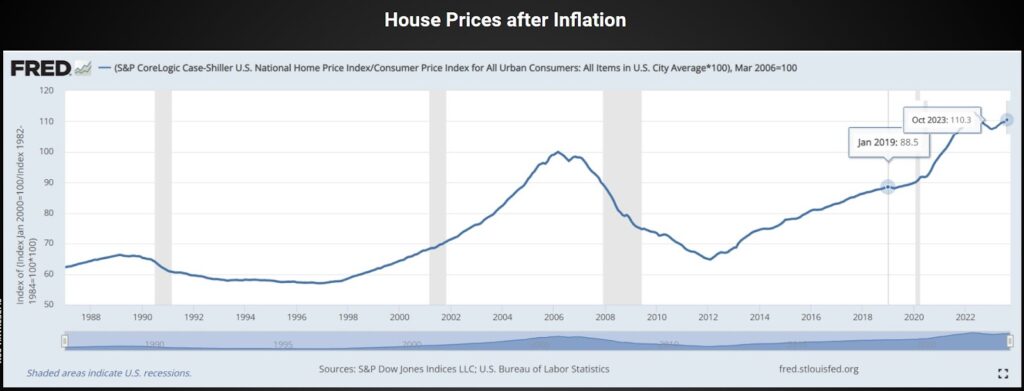
To address this, a crucial first step involves analyzing objective data. Information from the St. Louis Federal Reserve provides valuable insights into inflation-adjusted U.S. house prices. Since the beginning of 2019, real house prices have indeed risen by approximately 25%. While significant, it’s noteworthy that this increase translates to only about a 10% rise since the last housing peak in early 2006, eighteen years prior. This suggests that while recent appreciation is substantial, it builds upon a previous high rather than representing an entirely novel market paradigm.
However, national averages can mask severe regional disparities. Local markets, particularly highly desirable ones, have experienced far more dramatic price surges. For instance, Longmont, Colorado – a city cited in the discussion – has seen its median home price skyrocket from roughly $200,000 in 2005 to an estimated $540,000 today, an increase that far outstrips average salary growth in the same period. This regional intensification of housing costs means that for many, homeownership in their preferred or native areas has indeed moved "out of reach."
Factors Driving Housing Inflation:
Several factors have contributed to this surge in housing costs. A prolonged period of historically low interest rates post-2008 stimulated demand and increased borrowing power. The COVID-19 pandemic further exacerbated the situation, driving a surge in demand for larger homes and suburban living as remote work became prevalent. Simultaneously, supply has struggled to keep pace due to labor shortages, rising material costs, and restrictive zoning regulations in many desirable areas, which limit new construction and increase development costs. Institutional investors have also played a role, acquiring a growing share of single-family homes, further tightening supply in some markets.
The Mustachian Counter-Argument: Strategic Locational Choices
The FIRE philosophy, in response to these challenges, advocates for a paradigm shift from viewing housing as an unchangeable local entitlement to treating it as a product subject to market forces and personal choice. This involves a multi-faceted decision-making process:
- Challenging the Status Quo: The first step is to question ingrained assumptions about living in a particular location, especially if financial viability is compromised. While strong emotional and familial ties to a place are valid, inertia and "fear of change" can often overshadow genuine reasons for staying put.
- Rent vs. Buy Analysis: A rigorous financial analysis comparing the costs and benefits of renting versus buying in a specific market is paramount. Factors like expected duration of stay, property taxes, maintenance costs, and potential appreciation must be weighed against rental costs and investment opportunities for saved capital.
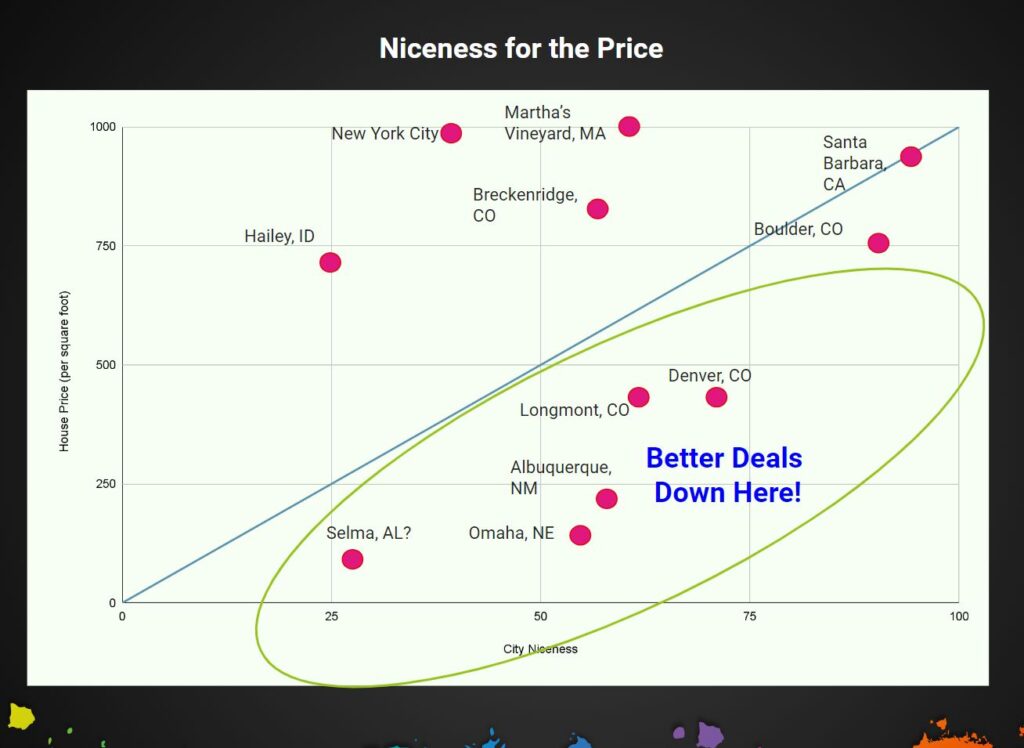
- Geographical Arbitrage: This strategy involves leveraging regional disparities in housing costs and overall cost of living. The U.S. housing market exhibits a highly irrational pattern of prices, with some areas being disproportionately expensive while others offer significantly more value.
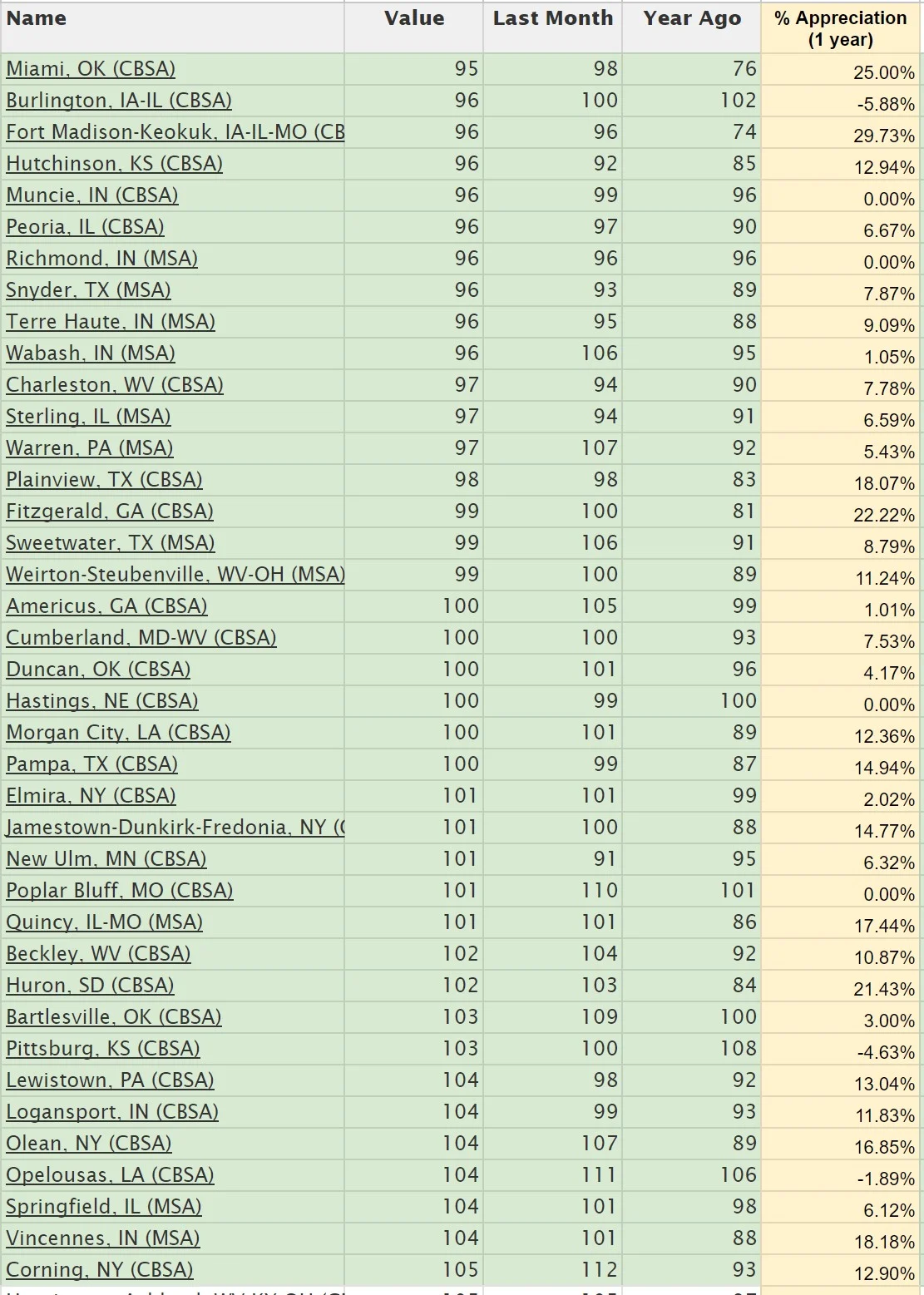
- Utilizing Data Tools: Resources like FRED’s database of metro areas, which lists price per square foot, enable individuals to conduct objective comparisons. A hypothetical analysis, for example, might compare Longmont, Colorado ($450/sq ft) with Albuquerque, New Mexico (potentially lower cost for similar amenities), or even within the same state, contrasting it with Denver (similar price range, potentially different amenities) or Boulder (higher cost, perceived higher desirability).
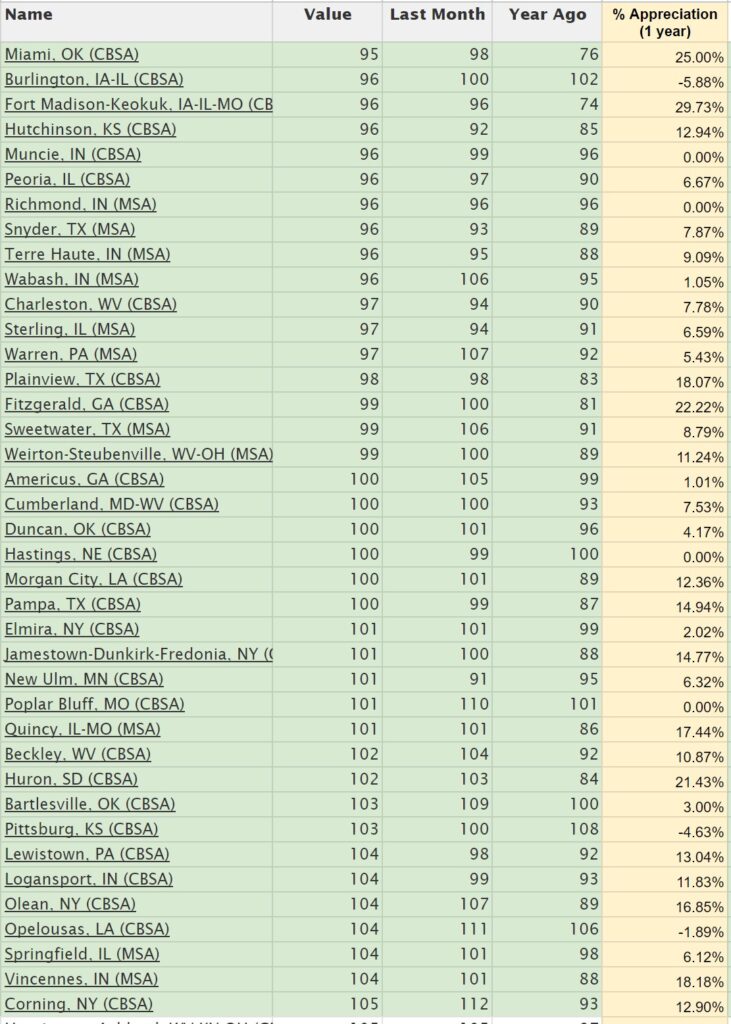
- Identifying Value Hubs: By sorting data by cost per square foot, individuals can identify a "band of affordable cities." A search for cities around $100 per square foot suggests that a 2,000 square foot home could be acquired for approximately $200,000, presenting a stark contrast to high-cost regions. Tracking annual price changes can also help identify markets that are appreciating or depreciating, offering further strategic insights.
Casting a Wider Net: International Relocation
The principles of geographical arbitrage extend beyond national borders. The advent of remote work and the increasing ease of international travel have made living abroad a more viable option for many. Tools like "The Earth Awaits," a FIRE-blogger-developed platform, allow users to filter potential relocation sites based on detailed criteria such as:
- Geographic area: North America, South America, Europe, Asia, etc.
- Monthly budget: Tailored to individual financial goals.
- Family size: To account for varying living space needs.
- Apartment type: Specifics like a two-bedroom apartment outside a city center.
- Climate preferences: Such as minimum January temperatures.
A search within North America, for instance, might yield cities like Fayetteville, Arkansas; Columbia, South Carolina; Athens, Georgia; or Chattanooga, Tennessee. These locations often present a more favorable balance of cost of living and quality of life compared to established high-cost hubs. Similarly, expanding the search to South America reveals numerous cities with significantly lower living expenses, offering an entirely different set of cultural and environmental experiences.
Navigating Relocation Challenges
Relocating, especially internationally, presents a unique set of logistical and administrative challenges: navigating citizenship and visa requirements, understanding new legal frameworks, adapting to different cultural norms, and managing international travel for family visits. However, proponents argue these are largely "Adulting Puzzles" – manageable administrative tasks that, while initially daunting, are ultimately temporary. The effort expended over a few weeks or months to facilitate a move is often a negligible trade-off when compared to the prospect of working an additional 15 or 20 years to afford a higher cost of living in an undesirable location. The process, while requiring diligence, is framed as an investment in a more financially sustainable and potentially more fulfilling life.
Implications and Future Outlook
The debate over the applicability of FIRE principles in 2024 underscores the dynamic nature of personal finance. While the economic landscape has indeed shifted, the core tenets of the FIRE movement—frugality, conscious spending, diligent saving, and strategic investing—remain fundamentally sound. The current environment, however, places a greater emphasis on adaptability, geographical flexibility, and a willingness to challenge traditional notions of where and how one lives.
For aspiring FIRE adherents, the path forward involves:
- Enhanced Financial Literacy: A deeper understanding of market dynamics, inflation, and interest rates is crucial.
- Aggressive Spending Optimization: Finding innovative ways to reduce waste and maximize value in daily expenditures.
- Strategic Geographical Planning: Objectively evaluating living costs and quality of life across various locations, both domestically and internationally.
- Overcoming Inertia: Recognizing that a willingness to relocate, even if challenging, can unlock significant financial and lifestyle advantages.
The FIRE movement, therefore, is not obsolete but rather evolving. Its enduring strength lies in its ability to empower individuals to make informed, proactive choices about their financial futures, even when confronting seemingly intractable economic challenges. By embracing data-driven decision-making and a spirit of adventurous adaptability, the next generation of financial independence seekers can continue to chart their own paths to early retirement and a life of purpose.

