
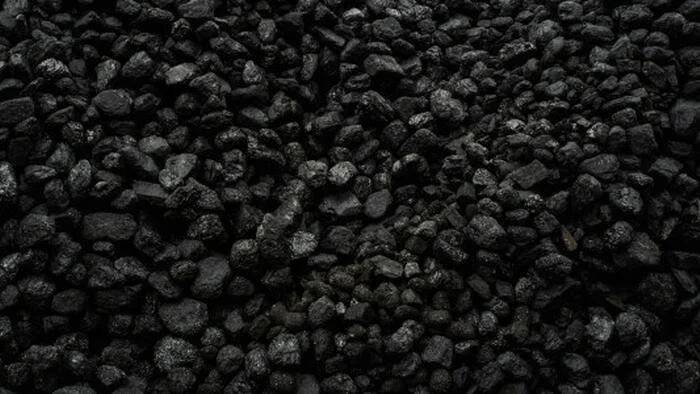
The global liquefied natural gas (LNG) supply crunch has unexpectedly rendered Europe’s remaining coal-fired power plants profitable this year, a stark reversal of previous trends as soaring gas supply costs collide with the persistent need for conventional generation to stabilize national grids. This development marks a critical juncture for European energy policy, forcing a re-evaluation of the continent’s accelerated decarbonization efforts against the immediate imperatives of energy security and affordability.
The Unforeseen Revival: Coal’s Economic Resurgence
In a striking turn of events, coal-fired power generation across Europe, particularly in countries like Germany and Poland which collectively host the lion’s share of the continent’s operational or backup-ready coal capacity, has become economically viable once more. This profitability surge arrives as winter approaches, a period traditionally associated with heightened energy demand, and coincides with significant disruptions in global LNG flows, notably from key chokepoints like the Strait of Hormuz. Consequently, European gas prices have escalated to levels not seen since the peak of the 2022-2023 energy crisis, making gas-fired electricity generation prohibitively expensive for many utilities.
The financial incentive for coal has become undeniable. For instance, the measure of profitability for generating electricity from lignite in Germany, a traditional coal stronghold, has skyrocketed this month. Estimates cited by Bloomberg, based on analysis by Energy Aspects, indicate a jump to as much as $72 (64 euros) per megawatt-hour (MWh), a dramatic increase from virtually zero profitability at the same time last year. Sabrina Kernbichler, an analyst at Energy Aspects, projects that these elevated profit spreads are likely to persist through the first quarter of the coming year, underscoring the sustained market forces at play.
This resurgence places Europe in a precarious position, grappling with the immediate demands of grid stability and energy supply while simultaneously committed to ambitious climate targets. Many European nations, led by Germany’s robust ‘Energiewende’ policy, have progressively phased out coal capacities over recent years in pursuit of these environmental goals. However, the current energy landscape has rendered these remaining, often older, coal-fired power plants indispensable. They serve as critical baseload providers and crucial backup capacity, offsetting the volatility inherent in renewable energy sources and mitigating the slump in gas-fired generation, which has been curtailed due to demand destruction and strategic gas conservation measures.
A Shift in Energy Dynamics: The Global LNG Crunch
The primary catalyst for coal’s unexpected profitability is the acute global LNG supply crunch. This shortage is a confluence of several factors:
- Geopolitical Instability: The ongoing conflict in Ukraine significantly disrupted natural gas supplies from Russia to Europe, which historically accounted for a substantial portion of the continent’s gas imports. This forced Europe to pivot rapidly towards global LNG markets.
- Increased Global Demand: Concurrently, demand for LNG, particularly from rapidly industrializing Asian economies, has remained robust or even increased. This creates intense competition for available cargoes, driving up spot market prices.
- Supply Chain Bottlenecks: Global shipping routes, particularly those through critical maritime chokepoints such as the Strait of Hormuz, have experienced disruptions. These include geopolitical tensions, security concerns, and logistical challenges, which impede the smooth and timely delivery of LNG cargoes to major consuming regions. For example, any significant slowdown or rerouting of vessels through the Suez Canal or around the Cape of Good Hope due to regional conflicts or piracy can add weeks to delivery times and dramatically increase shipping costs.
- Limited New Production: While significant investment in new LNG liquefaction and regasification capacity is underway globally, these large-scale projects have long lead times. The current supply growth has not kept pace with the accelerated demand, leaving a persistent gap in the market.
This complex interplay has resulted in a volatile and expensive LNG market, with European benchmark gas prices often reacting sharply to even minor shifts in supply or demand forecasts. The cost of purchasing LNG on the spot market has become prohibitive for many European utilities, making it economically irrational to prioritize gas-fired generation when a cheaper, albeit environmentally costlier, alternative exists in the form of coal.
The European Energy Transition: A Historical Perspective
Europe has long been at the forefront of global efforts to combat climate change, with ambitious targets to reduce greenhouse gas emissions and transition to a low-carbon economy. The European Union’s "Fit for 55" package, for instance, aims for a 55% reduction in net greenhouse gas emissions by 2030 compared to 1990 levels, with a broader goal of climate neutrality by 2050. Central to this strategy has been the gradual phasing out of coal, historically the most carbon-intensive fossil fuel.
Prior to 2022, there was significant momentum towards this goal. Many EU member states had set firm deadlines for coal phase-outs, with some countries like Belgium and Sweden already having exited coal power entirely. Germany, for example, had committed to phasing out coal by 2038, with discussions often pointing to an earlier exit by 2030. Billions of euros were invested in renewable energy infrastructure – solar, wind, and hydropower – alongside efforts to improve energy efficiency and expand cross-border grid interconnections.
The 2022-2023 energy crisis, triggered by the drastic reduction in Russian gas supplies following the invasion of Ukraine, served as a profound shock to this carefully planned transition. Faced with the immediate threat of energy shortages, skyrocketing prices, and potential industrial shutdowns, European governments were compelled to activate emergency measures. This included, in some cases, delaying planned coal plant closures, bringing mothballed plants back online, and even increasing coal imports to ensure sufficient electricity generation and maintain grid stability. While initially framed as a temporary, crisis-driven measure, the persistence of high gas prices and geopolitical instability suggests that this "temporary" reliance on coal may extend longer than anticipated.
National Case Studies: Germany and Poland
Germany and Poland represent two crucial examples of this complex energy dilemma.
- Germany: As Europe’s largest economy and a leading proponent of renewable energy, Germany’s "Energiewende" has seen massive investments in solar and wind. However, it also historically relied heavily on both Russian gas and domestic lignite coal. With the curtailment of Russian gas, Germany reactivated several coal-fired power plants, including those previously slated for decommissioning. While the long-term commitment to a coal phase-out by 2030 remains official policy, the short-term reality has necessitated an increase in coal-fired generation. This shift has not been without its critics, both domestically and internationally, who point to the increased carbon emissions and the potential damage to Germany’s climate leadership. For instance, the German government has had to navigate public discontent and environmental protests while simultaneously assuring its citizens of energy security. The decision to keep plants like the Neurath power station online, despite previous plans for closure, highlights the difficult trade-offs involved.
- Poland: Poland’s energy landscape is distinct, with an overwhelming historical reliance on domestic hard coal, which provides over 70% of its electricity. While the country has expressed a commitment to decarbonization and has been exploring nuclear power and renewables, the pace of transition has been slower due to the economic and social implications for its vast coal mining regions. The current LNG crunch and high gas prices have further solidified coal’s position as a critical and comparatively affordable energy source for Poland. The government faces immense pressure from trade unions in the coal sector and from citizens concerned about energy costs, making any rapid deviation from coal politically challenging. Poland’s energy strategy, while aiming for a gradual reduction in coal use, has found itself in a situation where its existing coal infrastructure offers a buffer against the volatility of international gas markets.
Economic Realities: Profitability and Consumer Impact
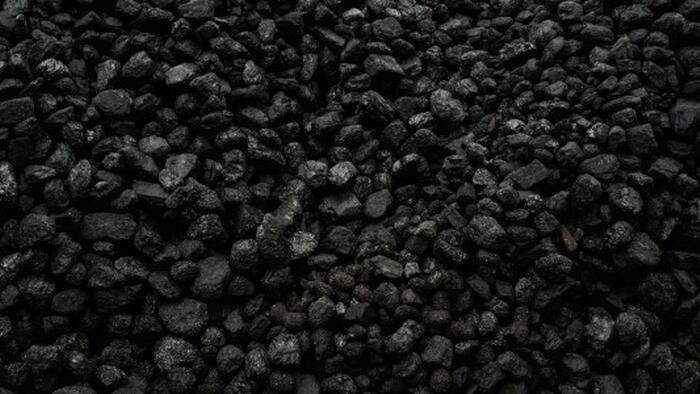
The profitability of coal plants stems directly from the differential between coal and gas prices. With gas prices reaching unprecedented highs – often exceeding €100-150 per MWh at European hubs compared to historical averages of €20-30 – and coal prices, while elevated, remaining comparatively stable, coal generation becomes the cheaper option. This is reflected in the clean dark spread (profitability of coal-fired generation adjusted for carbon costs) which has surged.
While this ensures grid stability and provides a vital economic lifeline for operators of these plants, the broader economic implications for European consumers and industries are complex. On one hand, using cheaper coal helps to contain the overall increase in electricity prices that would otherwise occur if gas were the primary marginal fuel. On the other hand, the continued reliance on fossil fuels, even if temporarily cheaper, leaves Europe vulnerable to global commodity price fluctuations and delays the necessary investments in indigenous, renewable energy sources that could offer long-term price stability.
Furthermore, the European Emissions Trading System (ETS) places a price on carbon emissions, theoretically making coal less attractive. However, even with carbon prices hovering around €80-100 per ton of CO2, the extraordinary gas prices have made the cost differential sufficiently large to absorb the ETS charges and still render coal profitable. This scenario challenges the effectiveness of current carbon pricing mechanisms in an extreme energy crisis.
Environmental Implications and Policy Crossroads
The environmental repercussions of coal’s resurgence are significant. Burning coal is the most carbon-intensive method of electricity generation, releasing substantial amounts of CO2, as well as other pollutants like sulfur dioxide, nitrogen oxides, and particulate matter. An increased reliance on coal directly contributes to higher greenhouse gas emissions, pushing Europe further away from its climate targets.
The International Energy Agency (IEA), in its Coal Mid-Year Update 2026, acknowledged this complex situation. While projecting a structural decline in Europe’s total annual coal demand, the IEA noted that this decline is expected to slow significantly this year. Total annual coal demand in Europe is now forecast to reach approximately 276 million tons in 2026, a reduction from 292 million tons last year, but notably higher than previous projections. The IEA explicitly stated that "Higher gas prices have reduced the expected decline in countries, such as Germany and Poland, where gas generation and spare coal capacity remains available."
This situation presents a critical policy crossroads for the European Union and its member states. Policymakers face a delicate balancing act:
- Energy Security vs. Climate Ambition: How to ensure reliable and affordable energy supply in the short term without compromising long-term climate commitments.
- Investment Decisions: Should funds be diverted to ensure the operational readiness of existing coal plants, or should they be exclusively focused on accelerating renewable energy deployment and grid modernization?
- Public Perception: Managing public and environmental group reactions to the continued use of coal, especially after years of promoting its phase-out.
Industry and Stakeholder Reactions
The energy sector’s reaction has been pragmatic, albeit with underlying concerns. Utilities operating coal plants emphasize their role in maintaining grid stability and meeting demand during periods of high gas prices. They often reiterate their long-term commitment to decarbonization but highlight the current operational necessity.
Environmental organizations, conversely, have voiced strong criticism, calling for an intensified focus on renewable energy and energy efficiency measures rather than a prolonged reliance on fossil fuels. They argue that the current crisis should accelerate, not delay, the transition, advocating for emergency investments in grid infrastructure, energy storage solutions, and demand-side management to reduce reliance on conventional generation.
European Commission officials and national energy ministers, while acknowledging the setback to climate goals, often frame the current situation as a temporary and unavoidable response to an unprecedented energy crisis. They stress that the long-term strategic direction towards climate neutrality remains unchanged, but that tactical flexibility is required in the face of immediate challenges. Statements from various European capitals often reflect a dual narrative: a firm commitment to the green transition coupled with an urgent need to secure energy supplies for the upcoming winter, whatever the source.
Looking Ahead: The Future of Europe’s Energy Mix
The current situation, where coal finds renewed profitability, underscores the vulnerability of Europe’s energy system to global market shocks and geopolitical events. While the structural decline of coal in Europe is generally considered irreversible in the long term, the pace and pathway of this transition are now subject to greater uncertainty.
Future strategies will likely focus on several key areas:
- Accelerated Renewable Deployment: Doubling down on investments in wind, solar, and other renewable sources, alongside the necessary grid upgrades and interconnections to integrate them effectively.
- Energy Storage Solutions: Enhancing battery storage capabilities, pumped hydro, and potentially hydrogen technologies to manage the intermittency of renewables and provide backup power.
- Demand-Side Management: Implementing smart grid technologies and incentives to manage electricity demand more efficiently, reducing peak load requirements.
- Diversification of Gas Supply: Further diversifying LNG import sources and infrastructure to reduce reliance on any single supplier or route, thereby enhancing energy security.
- Nuclear Power: A renewed debate on the role of nuclear power as a stable, low-carbon baseload source is gaining traction in some European countries.
- Policy Flexibility: The need for adaptive energy policies that can respond to unforeseen crises while staying anchored to long-term climate objectives.
Weather-related events, particularly severe cold spells during winter, could further exacerbate the situation, temporarily increasing coal use beyond current expectations. The ongoing geopolitical instability, particularly the "war in Iran" mentioned in the original source (likely a reference to broader Middle East tensions impacting oil and gas markets), continues to send shockwaves through global energy markets, making any precise forecast challenging.
In conclusion, Europe finds itself navigating a complex energy landscape where immediate energy security and affordability have temporarily eclipsed the momentum of its ambitious climate agenda. The unexpected profitability of coal plants is a stark reminder of the challenges inherent in a rapid energy transition, particularly when confronted by global supply shocks. While the continent remains committed to a greener future, the path to that future is proving to be more arduous and circuitous than previously envisioned, with conventional fossil fuels playing a reluctant but critical role in the interim.

