
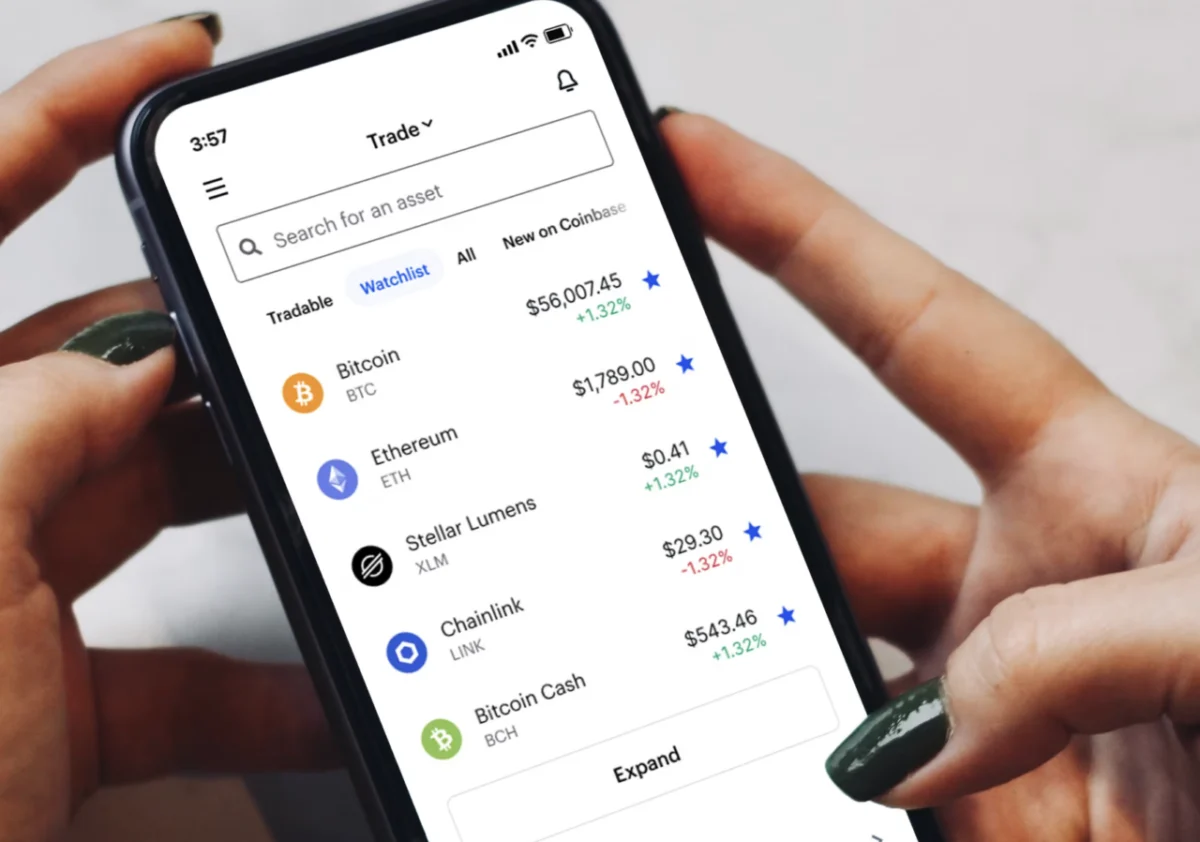
The digital asset landscape is undergoing a significant structural shift as Coinbase, the largest cryptocurrency exchange in the United States, announces a strategic partnership with Stablecore, a specialized fintech firm focused on decentralized finance (DeFi) banking infrastructure. This collaboration aims to bridge the gap between traditional community banking and the burgeoning world of digital assets, allowing local financial institutions to offer sophisticated crypto services without the need to overhaul their existing technological foundations. Under the terms of the agreement, Coinbase will leverage Stablecore’s extensive network of over 3,000 community banks and credit unions to deploy integrated services including cryptocurrency trading, institutional-grade custody, and stablecoin-based payment solutions.
The move marks a pivotal moment in the "rebundling" of financial services. For years, the cryptocurrency market operated as a parallel ecosystem, often forcing consumers to move capital out of traditional savings accounts and into third-party exchanges to participate in digital asset markets. By integrating Coinbase’s liquidity and security infrastructure directly into the white-labeled platforms provided by Stablecore, community banks can now retain these customer relationships and the associated deposits. The initiative is designed to ensure that smaller financial institutions, which often lack the massive R&D budgets of global "megabanks," remain competitive in a rapidly digitizing economy.
Technical Integration and the Stablecore Framework
Stablecore, founded in 2025 and headquartered in Texas, has positioned itself as a critical intermediary in the financial technology stack. Unlike general-purpose fintech providers, Stablecore focuses exclusively on the needs of regional banks and credit unions. Its core product is a middleware layer that connects legacy core banking systems—often decades old—with modern blockchain protocols. The partnership with Coinbase introduces a robust execution and custody engine to this middleware, allowing for a seamless user experience.
Through this integration, a credit union member or a community bank customer can log into their standard mobile banking application and see a "Digital Assets" tab alongside their checking and savings accounts. From this interface, they can purchase assets like Bitcoin or Ethereum, or utilize stablecoins for near-instantaneous domestic and international payments. Crucially, the "private keys" and security protocols are managed by Coinbase’s institutional-grade custody service, while the user interface remains branded by the local bank. This "banking-as-a-service" (BaaS) model allows the bank to set its own fee structures and terms of service, maintaining its identity as a trusted local advisor while offering global-scale technology.
The Pilot Program: Amarillo National Bank
Leading the charge in the adoption of this technology is Amarillo National Bank (ANB), one of the largest family-owned banks in the United States. As a pilot participant, ANB is utilizing the Coinbase-Stablecore toolset to provide digital asset services under its own brand. This implementation is particularly significant for the Texas-based institution, which has a long history of serving local communities and businesses.
By adopting this infrastructure, Amarillo National Bank is addressing a growing demand from its client base for exposure to digital assets. Historically, when a customer wanted to buy cryptocurrency, they would wire funds from their ANB account to an outside exchange. This resulted in "deposit flight," where the bank lost the ability to utilize those funds for local lending. With the new integrated system, the capital stays within the bank’s ecosystem, even when converted into digital representations. This allows the bank to maintain its lending capacity while satisfying the customer’s desire for modern financial products.
Alex Treece, Co-Founder and CEO of Stablecore, emphasized that the goal was never to force banks to become technology companies. "Banks and credit unions should not have to move to completely new technology platforms to support digital assets for their clients," Treece stated. "We built Stablecore to bring together all of the pieces so they don’t have to."
Chronology of the Digital Asset Evolution in Banking
The path to this partnership has been shaped by several years of regulatory and market volatility. Understanding the timeline of these events provides context for why Coinbase and Stablecore are moving forward now:
- 2021–2022: The Speculative Peak and Crash. Early interest from banks was high, but the "Crypto Winter" of 2022, characterized by the collapse of FTX and Celsius, led to a period of extreme caution. Regulators urged banks to be wary of liquidity risks associated with crypto-related deposits.
- 2023: Regulatory Clarification. The U.S. Securities and Exchange Commission (SEC) and the Office of the Comptroller of the Currency (OCC) began providing clearer guidelines on how banks could interact with digital assets, emphasizing the need for robust custody and "Know Your Customer" (KYC) protocols.
- 2024: The Rise of Institutional Infrastructure. The approval of Spot Bitcoin ETFs in early 2024 validated the demand for digital assets among traditional investors. This created a vacuum where retail customers expected their local banks to offer similar levels of access.
- 2025: Founding of Stablecore. Stablecore was established specifically to solve the "last mile" problem of getting blockchain technology into the hands of community bankers who were being left behind by the tech-heavy evolution of finance.
- 2026: Coinbase-Stablecore Partnership. The current agreement represents the maturation of the industry, moving from speculative trading toward functional, integrated utility within the established banking system.
Supporting Data: The Case for Community Integration
The demand for these services is backed by compelling market data. According to recent industry surveys, approximately 20% of American adults currently own some form of cryptocurrency. Furthermore, a study by Morning Consult suggested that over 50% of crypto owners would prefer to manage their digital assets through their primary bank if the option were available, citing trust and security as the primary drivers.
For community banks, the stakes are high. Regional banks manage approximately 15% of all U.S. banking assets but provide nearly 50% of small business loans. If these institutions lose their deposit base to large centralized exchanges or global megabanks that have already integrated crypto services, the local lending ecosystem could suffer. The Coinbase-Stablecore partnership provides a defensive and offensive tool for these 3,000+ institutions to protect their market share.
Additionally, the efficiency of stablecoins—digital tokens pegged to the value of the U.S. dollar—offers a significant upgrade over traditional wire transfers and ACH movements. While traditional cross-border payments can take 3–5 business days and cost upwards of 5% in fees, stablecoin payments on networks supported by Coinbase can settle in seconds for a fraction of the cost. This is a critical value proposition for the small business clients of community banks who operate in the global marketplace.
Strategic Analysis: Coinbase as an Infrastructure Provider
The partnership reveals a sophisticated shift in Coinbase’s long-term business strategy. While Coinbase operates a highly successful direct-to-consumer exchange, this collaboration suggests a move toward becoming the "Amazon Web Services (AWS) of Finance." By providing the backend infrastructure for thousands of banks, Coinbase is essentially competing with its own retail platform. However, this is a calculated move.
Alec Lovett, Coinbase’s Head of Infrastructure Business, noted the importance of supporting local institutions. “Community banks and credit unions shouldn’t have to choose between staying local and staying current,” Lovett said. “Together with Stablecore, we are helping put them on the cutting edge of payments technology—cheaper, faster money movement, and the tools they need to stay strong for the communities they serve.”
From a strategic standpoint, Coinbase recognizes that the next wave of crypto adoption will likely come from the "late majority"—consumers who are hesitant to sign up for a crypto-native exchange but are comfortable using a tool provided by their trusted local bank. By owning the infrastructure, Coinbase captures the volume and custody fees of these users without having to spend heavily on direct customer acquisition.
Implications for the Future of Financial Services
The integration of digital assets into community banking carries several long-term implications for the financial sector:
1. Normalization of Digital Assets: As crypto features become standard in local banking apps, the "stigma" of digital assets is likely to fade. They will increasingly be viewed as just another asset class or payment rail, similar to a brokerage account or a credit card.
2. Increased Competition for Megabanks: Historically, large institutions like J.P. Morgan Chase and Fidelity have had an advantage in offering innovative tech. This partnership levels the playing field, allowing a small credit union in rural America to offer the same digital asset capabilities as a Wall Street giant.
3. Accelerated Adoption of Tokenized Deposits: Beyond just trading Bitcoin, the Stablecore infrastructure paves the way for tokenized deposits. This allows banks to represent traditional USD deposits as digital tokens on a blockchain, enabling 24/7 internal settlement and programmable finance (smart contracts) for business clients.
4. Regulatory Compliance as a Service: One of the biggest hurdles for small banks is the cost of compliance. By using Coinbase’s established KYC/AML (Anti-Money Laundering) and monitoring tools, community banks can ensure they meet federal standards without hiring massive compliance teams.
As the pilot programs expand throughout 2026 and into 2027, the success of the Coinbase-Stablecore partnership will be measured by its ability to maintain the stability of the community banking sector while introducing it to the efficiencies of the decentralized economy. For the millions of Americans who rely on local credit unions and regional banks, this partnership ensures that their financial home remains relevant in an era of rapid technological disruption.

