
BEIJING – China has articulated a clear intent to maintain its crucial rare earth exports to Europe, signaling a commitment that stands independent of the impending January deadline for an extended trade deal with the United States. This declaration arrives at a pivotal moment, as global powers navigate complex supply chain dependencies and heightened geopolitical rivalries. The assurance, conveyed by China’s Commerce Ministry, seeks to provide stability to European industries heavily reliant on these critical materials, even as the broader landscape of international trade relations remains in flux.
He Yadong, spokesperson for China’s Commerce Ministry, unequivocally stated to CNBC on Thursday that the world’s second-largest economy is prepared to continue approving rare earth licenses destined for Europe. This comes as a significant development, particularly in light of the approaching U.S. trade deal expiration, which has cast a shadow of uncertainty over global commodity markets. The explicit commitment to Europe underscores China’s strategic efforts to differentiate its trade relationships and potentially cultivate closer economic ties with the European Union, a major consumer of rare earths.
The Strategic Imperative of Rare Earths
Rare earth elements are a group of 17 chemically similar metallic elements critical to a vast array of modern technologies. Despite their name, many rare earths are not particularly rare in the Earth’s crust, but they are seldom found in economically viable, highly concentrated deposits. Their unique magnetic, luminescent, and electrochemical properties make them indispensable components in high-tech manufacturing, defense systems, and green energy technologies.
For instance, rare earths are vital for the production of powerful magnets used in electric vehicles (EVs), wind turbines, and advanced electronics like smartphones and computers. Lanthanum is essential for hybrid car batteries and petroleum refining catalysts, while Neodymium and Praseodymium are crucial for permanent magnets in motors and generators. Europium and Terbium are used in energy-efficient lighting. The global transition to a low-carbon economy, with its increasing demand for EVs and renewable energy infrastructure, has amplified the strategic importance of these materials exponentially. Securing a stable supply of rare earths is therefore not merely an economic consideration but a national security imperative for many developed nations.
China’s dominance in the rare earth sector is unparalleled. The country controls the vast majority of global rare earth mining, processing, and refining capacity. According to the U.S. Geological Survey, China accounted for approximately 70% of global rare earth mining production in 2023 and an even larger share, estimated at over 85-90%, of the world’s processing capacity. This near-monopoly position grants Beijing considerable leverage in global supply chains and trade negotiations, making any commitment regarding their export flow a matter of significant international interest.
A Chronology of Trade Tensions and Rare Earth Restrictions
The current rare earth landscape has been shaped by a series of escalating trade tensions, primarily between the United States and China, which have reverberated across global markets.
October 2025: U.S. Expands Blacklist and China Responds
In October 2025, the U.S. Department of Commerce significantly expanded its "entity list," a trade blacklist that restricts American companies from doing business with certain foreign entities without a license. Crucially, this expansion was designed to cover majority-owned subsidiaries of Chinese companies already on the list, a move that potentially affected a staggering 20,000 Chinese entities. This aggressive stance by Washington was aimed at curbing China’s access to advanced technologies, particularly those with military applications.
Beijing swiftly retaliated. Recognizing the strategic importance of its rare earth dominance, China tightened its own export restrictions on these critical materials. The new regulations were notably stringent, applying to all rare earth exports, including products containing even a minute amount – as little as 0.1% – of China-sourced rare earths. This move was widely interpreted as a direct response to U.S. sanctions, designed to demonstrate China’s capacity to exert economic pressure on nations reliant on its critical mineral supplies. The implications for global manufacturing, particularly in sectors like defense, aerospace, and advanced electronics, were immediate and concerning.
Late October 2025: The Trump-Xi Truce
A temporary de-escalation occurred in late October 2025 during a high-stakes meeting between Chinese President Xi Jinping and then-U.S. President Donald Trump. At this summit, both leaders agreed to suspend the recently imposed trade measures for a period of one year. This truce provided a much-needed reprieve for industries grappling with supply chain uncertainties and offered a window for diplomatic resolution. The agreement was a testament to the mutual recognition of the profound economic interdependence between the two superpowers, despite their escalating geopolitical rivalry.
Recent Extension and Upcoming Deadline
Ahead of the leaders’ latest summit last month, the truce was further extended, albeit for a shorter duration. U.S. Treasury Secretary Scott Bessent announced that the suspension of measures would continue for an additional two months, pushing the critical deadline to January. This short extension highlights the delicate balance of negotiations and the ongoing challenges in reaching a long-term resolution. As January approaches, the global business community, particularly those in Europe and the U.S., watches keenly to see if the truce will be extended again or if the previous restrictions will snap back into effect, potentially disrupting vital supply chains once more.
EU-China Relations: Navigating the Complex Trade Landscape
Against this backdrop of U.S.-China trade tensions, the European Union has been actively working to manage its own complex trade relationship with Beijing, especially concerning critical raw materials. The EU’s strategic autonomy goals necessitate a careful balancing act: maintaining lucrative trade ties with China while simultaneously reducing dependencies in sensitive areas and adhering to its values-based foreign policy.
Maroš Šefčovič’s Beijing Visit and the "Green Channel"
Last week, trade tensions between the EU and Beijing appeared to cool following a significant meeting in Beijing between European Trade Commissioner Maroš Šefčovič and Chinese Commerce Minister Wang Wentao. This high-level dialogue aimed to address a range of trade issues, including the critical matter of rare earth supplies.
During their discussions, China expressed its willingness to utilize a "green channel" mechanism to ensure the continued flow of rare earths to Europe. This "green channel" is understood to be a streamlined, expedited approval process for export licenses, designed to minimize bureaucratic hurdles and ensure reliability of supply. This offer is a substantial concession from Beijing, given the strategic value of rare earths, and reflects China’s desire to maintain a stable economic relationship with the EU.
However, this offer was not without conditions. China, in turn, requested that the European bloc support its imports of certain products in dual-use sectors. "Dual-use" products are goods, software, and technology that can be used for both civilian and military applications. This request underscores China’s broader ambition to secure access to advanced European technologies, potentially to bolster its own industrial capabilities and strategic independence, amidst ongoing U.S. efforts to restrict such transfers. The specifics of which "dual-use" products China is seeking support for remain subject to ongoing negotiations, but the implications for European technology companies could be significant.
EU Commission Review and Broader Strategy
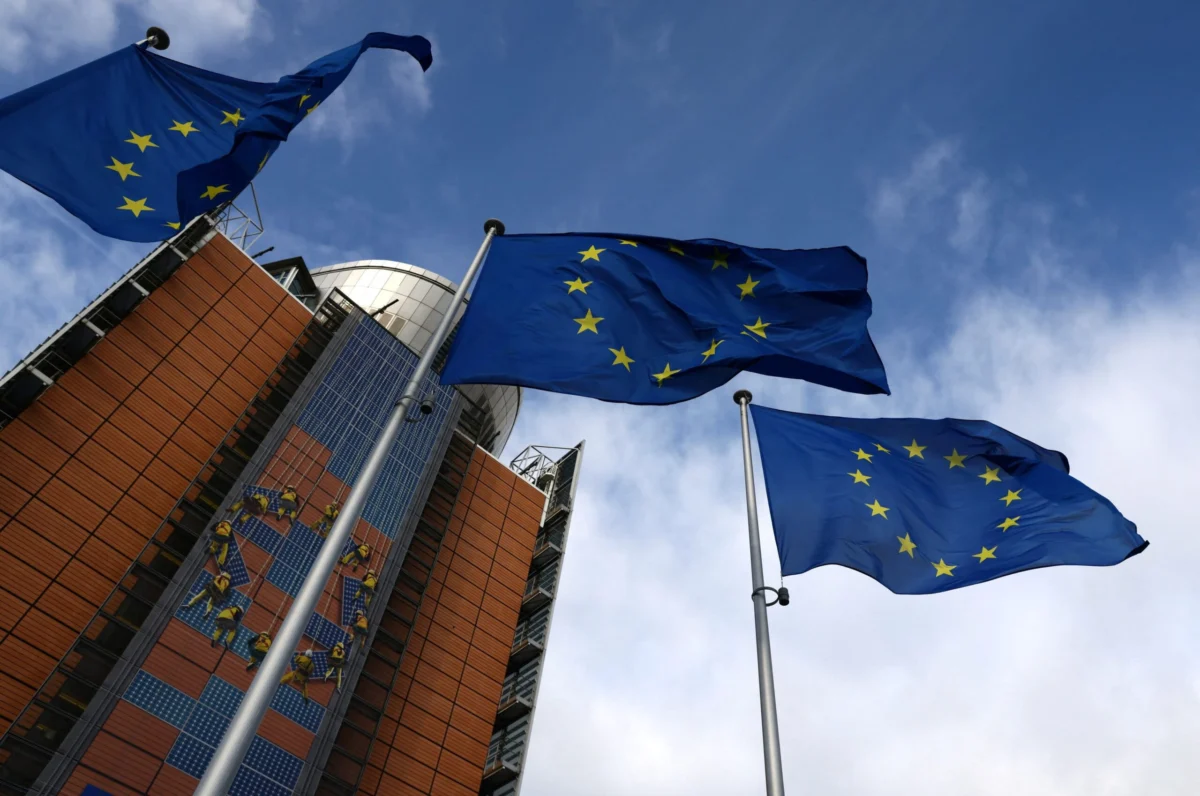
The European Commission leaders are currently convened in Brussels for meetings on Thursday and Friday, where they are expected to review the intricate details of these trade negotiations with China. The outcomes of these internal discussions will be crucial in shaping the EU’s official response to China’s "green channel" offer and its stance on supporting Chinese imports in dual-use sectors.
The EU’s strategy regarding critical raw materials has been evolving rapidly. Recognizing its vulnerability to supply chain disruptions and its heavy reliance on China for rare earths and other essential minerals, the EU launched its Critical Raw Materials Act (CRMA) in 2023. The CRMA aims to diversify supply sources, strengthen domestic extraction and processing capacities, and foster strategic partnerships with other resource-rich countries. The goal is to ensure that by 2030, the EU can extract at least 10% of its annual consumption of strategic raw materials, process at least 40%, and recycle at least 15%. While China’s "green channel" offers short-term relief, the EU’s long-term objective remains a significant reduction in its overall dependency.
Broader Impact and Implications
The interplay of these trade dynamics carries profound implications for global economies, supply chains, and geopolitical alignments.
Implications for Europe:
China’s commitment to uninterrupted rare earth exports through a "green channel" provides a critical lifeline for European manufacturers, particularly in the automotive, renewable energy, and electronics sectors. Without a stable supply, Europe’s ambitious green transition goals could be severely hampered. This assurance could foster a degree of cautious optimism, allowing companies to plan with greater certainty in the short to medium term. However, the condition of supporting China’s dual-use sector imports presents a complex challenge. The EU will need to carefully assess these requests, balancing its economic interests with security concerns and its broader strategic alignment with the U.S. The "green channel" may ease immediate pressures, but Europe’s long-term strategy of diversification and building domestic resilience for critical raw materials will undoubtedly continue.
Implications for China:
By explicitly committing to rare earth exports to Europe, China strategically seeks to reinforce its economic ties with a major global power. This move could be interpreted as an attempt to drive a wedge between the EU and the U.S., or at least to cultivate a more independent relationship with Europe, thereby counterbalancing the increasing pressure from Washington. Maintaining a reliable supply channel to Europe also ensures continued demand for China’s rare earth products, bolstering its economic interests. The request for support in dual-use sectors highlights China’s ambition to advance its technological capabilities and secure critical components for its own industrial and strategic development.
Implications for the United States:
The impending January deadline for the U.S.-China rare earth truce remains a significant point of concern for American industries. If the truce is not extended, U.S. companies could face renewed restrictions on Chinese rare earth imports, potentially disrupting supply chains and increasing costs. This situation further underscores the U.S.’s urgent need to accelerate its own efforts to onshore rare earth processing and mining, and to forge stronger alliances with other reliable suppliers. China’s direct outreach to Europe on rare earths also demonstrates Beijing’s adeptness at navigating global power dynamics, potentially complicating Washington’s efforts to present a united front against China’s trade practices.
Market Implications:
For global markets, the Chinese assurance to Europe could inject a degree of stability into rare earth prices, which have historically been volatile due to supply uncertainties. However, the broader geopolitical context, including the U.S. deadline, means that long-term price stability is far from guaranteed. Investment in alternative rare earth mining and processing projects outside of China, particularly in Australia, Canada, and the U.S., is likely to continue, driven by national security concerns and the desire for supply chain resilience. Technological innovation in rare earth alternatives and recycling methods will also receive continued impetus.
Official Responses and Analytical Perspectives
While no immediate official statements from the European Commission regarding the "green channel" have been released pending the internal review, analysts widely anticipate a cautious but generally positive reception. EU officials are likely to reiterate their commitment to diversifying rare earth sources in the long term, even as they welcome any short-term assurances of supply. Industry leaders in Europe would undoubtedly breathe a sigh of relief at the prospect of stable rare earth access, given their extensive reliance on these materials.
Analysts interpret China’s move as a sophisticated geopolitical maneuver. "This is classic Chinese statecraft," noted Dr. Eleanor Vance, an expert on international trade at a Brussels-based think tank. "Beijing is leveraging its rare earth dominance to secure concessions from Europe while simultaneously attempting to mitigate the impact of U.S. pressures. It’s a pragmatic approach that seeks to differentiate Europe from the U.S. in the ongoing tech and trade rivalry." Others point out that the dual-use sector request highlights China’s long-term strategic goals, moving beyond mere trade balance to securing critical technological inputs.
The coming weeks will be critical as the EU finalizes its position on China’s offers and the U.S. approaches its rare earth truce deadline. The global rare earth market, intrinsically linked to the trajectory of green energy, advanced technology, and defense, remains a focal point of intense geopolitical competition and strategic maneuvering.

