

The upcoming FinovateFall 2026 conference, scheduled to take place from September 9 through 11 in New York City, marks a pivotal moment in the digital transformation of the global financial sector. As the industry moves beyond the initial hype of generative artificial intelligence, the event will showcase a sophisticated shift toward utilitarian, high-impact AI applications designed to solve specific operational bottlenecks. Of the 68 companies selected to present on the demo stage, a significant cohort of 14 fintech innovators will specifically demonstrate how AI is being integrated into the core fabric of banking, wealth management, and credit union operations. This transition from experimental technology to essential infrastructure reflects a broader trend in which financial institutions (FIs) are prioritizing measurable efficiency gains and enhanced customer relationships over speculative innovation.

The Evolution of the Finovate Stage: From Hype to Utility
For nearly two decades, the Finovate conference series has served as a primary barometer for the health and direction of the financial technology ecosystem. Established in 2007, the event’s signature seven-minute live demo format forces companies to move past marketing rhetoric and prove the functionality of their platforms. The 2026 New York event arrives at a time when the financial services industry is grappling with "AI fatigue"—a phenomenon where the initial excitement surrounding Large Language Models (LLMs) has been replaced by a demand for enterprise-grade security, compliance-ready outputs, and clear Return on Investment (ROI).
The selection of 14 AI-centric companies for the main stage underscores a thematic focus on "The Productive Institution." These companies are not merely offering chatbots; they are providing sophisticated layers of intelligence that sit atop legacy core systems, transforming raw data into actionable insights and automating manual workflows that have historically hampered institutional agility.
A Chronology of Innovation: The Three-Day Roadmap
The conference is structured to provide a comprehensive overview of the current fintech landscape, with the first two days dedicated to rapid-fire demos and the final day focusing on strategic discussions and networking.
- Day One (September 9): The focus begins with infrastructure and operational efficiency. Attendees will see the debut of AI systems designed to bridge the gap between internal institutional knowledge and frontline staff.
- Day Two (September 10): The demonstrations shift toward customer-facing applications and specialized advisory tools. This includes the presentation of "AI Copilots" for wealth managers and personalized marketing engines.
- Day Three (September 11): The event concludes with deep-dive sessions where analysts and bank executives dissect the implications of the technologies shown, focusing on integration challenges and regulatory hurdles.
Profiles in Practical AI: The 14 Innovators Reshaping the Industry
The companies featured at FinovateFall 2026 represent a diverse cross-section of the AI landscape. Their solutions can be categorized into four primary domains: wealth management advisory, institutional knowledge management, customer experience, and data-driven intelligence.

Wealth Management and Advisory Support
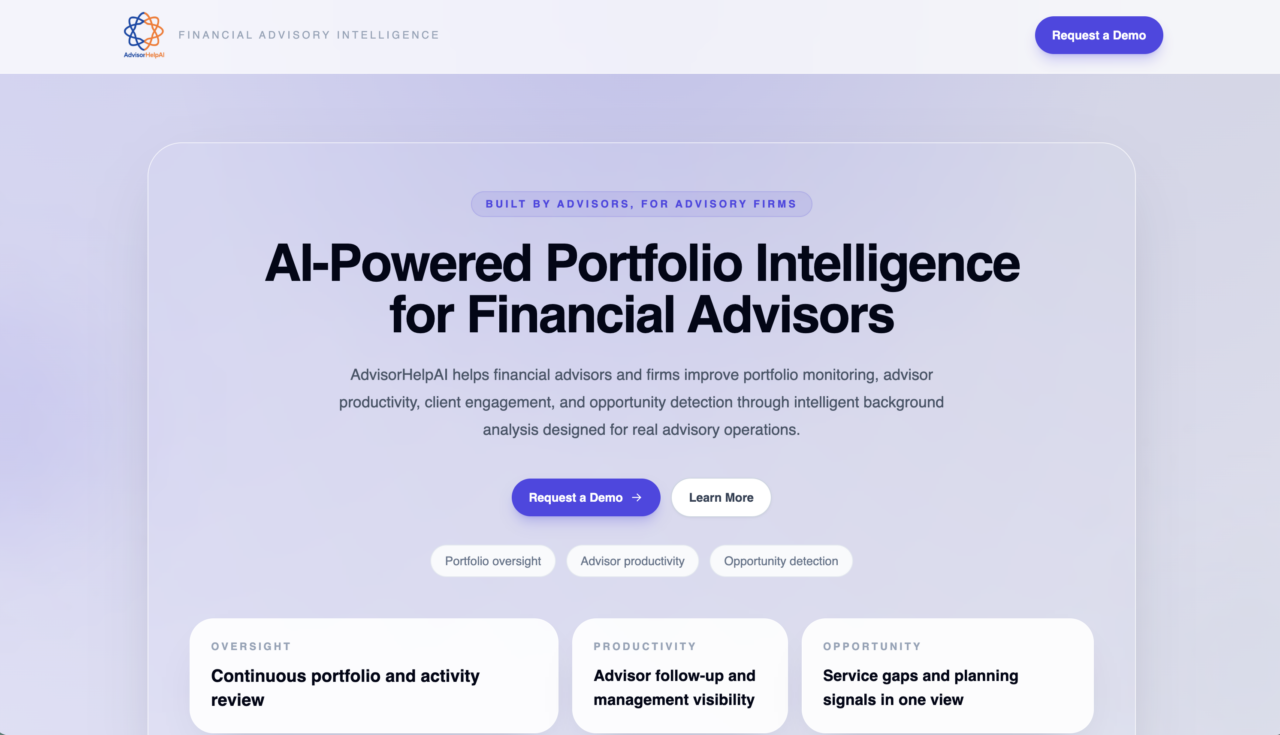
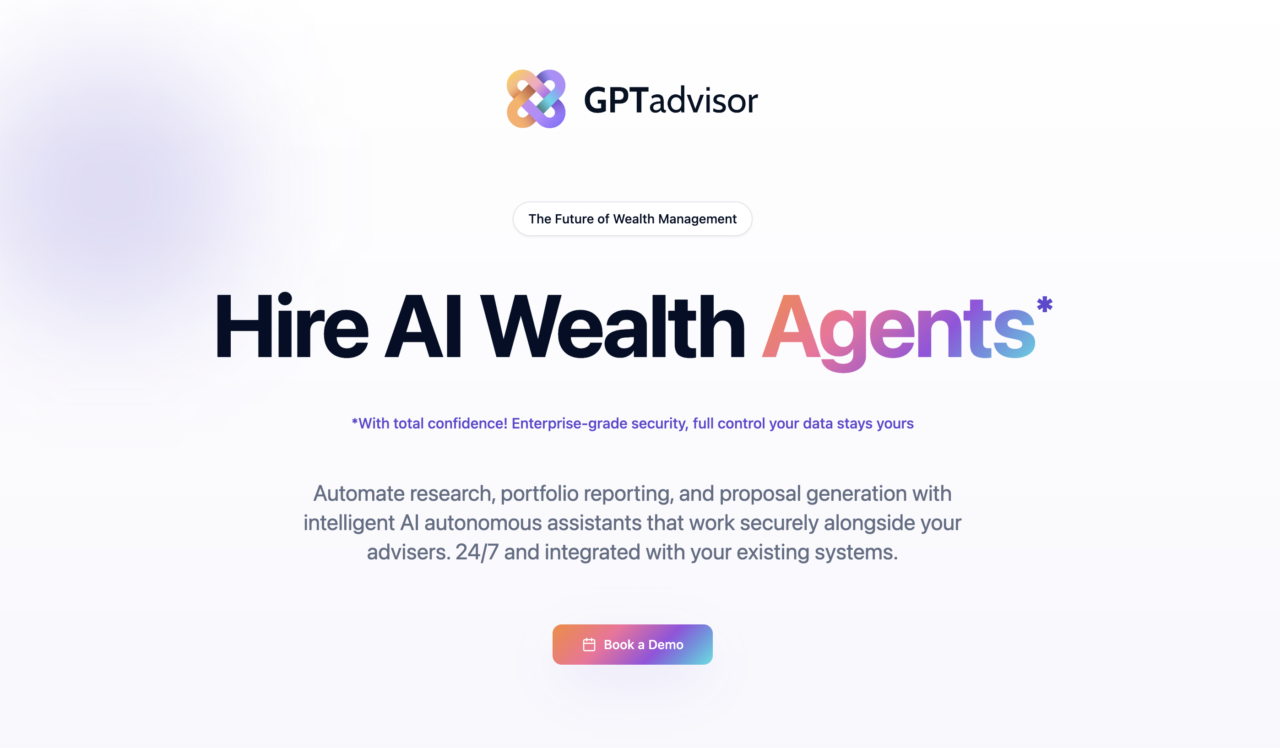
In the wealth management sector, the focus is on maximizing the "human element" by automating the administrative "drudge work." AdvisorHelpAI and GPTAdvisor are leading this charge. AdvisorHelpAI provides a specialized assistant that allows advisors to instantly query firm-specific knowledge and summarize complex client documents, effectively acting as a digital chief of staff. Similarly, GPTAdvisor leverages generative capabilities to automate research and client communications, ensuring that advisors can maintain a high frequency of personalized contact without increasing their workload.
Institutional Knowledge and Operational Excellence
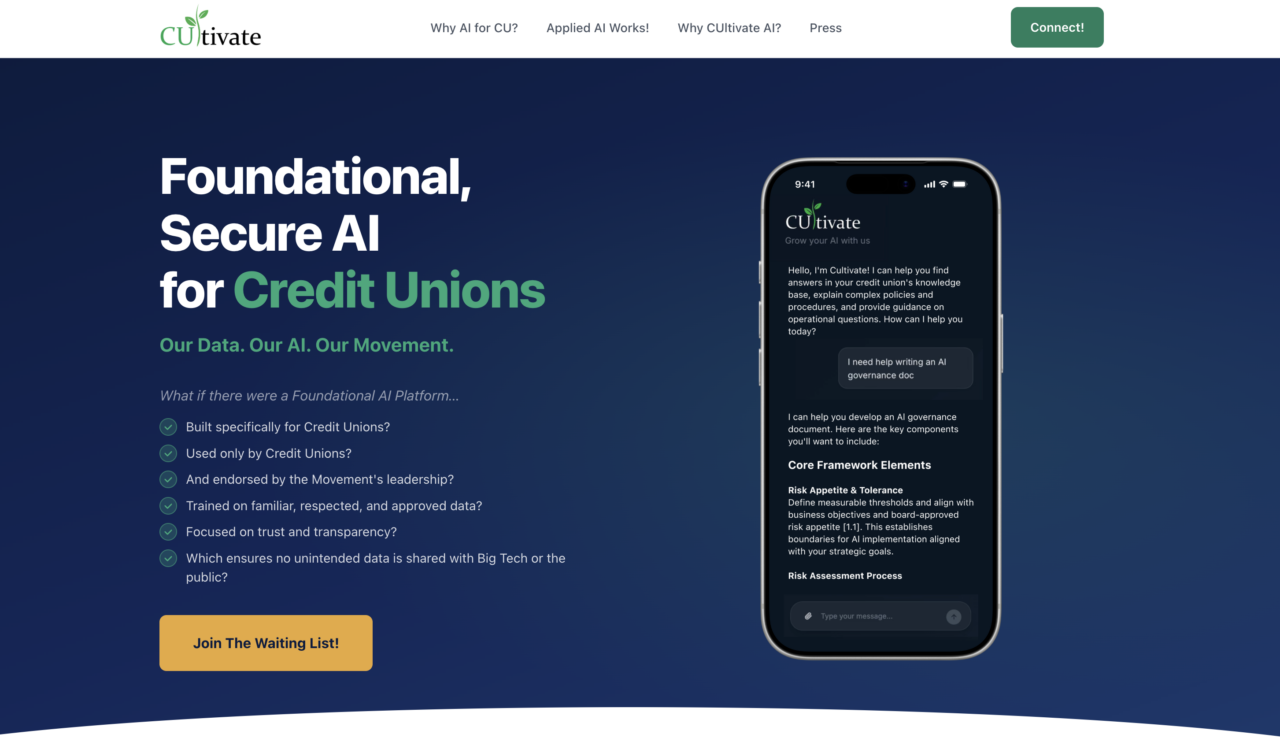
One of the most persistent challenges for large banks and credit unions is the "siloing" of information. Covecta, CUltivate, and ScreenSteps address this by making internal policies and procedures instantly accessible. Covecta uses conversational AI to organize institutional knowledge, while CUltivate focuses specifically on the unique needs of credit unions, helping staff provide consistent answers to member queries. ScreenSteps takes this further by providing AI-assisted, step-by-step guidance within existing workflows, which significantly reduces the training time for new hires and ensures compliance across complex banking processes.
Infrastructure and Workflow Automation
For technical teams, Palomonte Labs and Tweezr offer tools to streamline backend operations. Palomonte Labs’ Cube2 platform makes financial APIs "AI-readable," allowing developers to automate integrations safely. Tweezr and Titan AI focus on the broader automation of routine banking tasks, aiming to reduce the manual effort required for day-to-day operations, thereby allowing existing resources to be reallocated to higher-value strategic initiatives.
Advanced Analytics and Personalization
The ability to turn transaction data into customer intelligence is the "holy grail" of modern banking. Ventus AI and Pyramid Insights are demonstrating how AI can uncover trends and detect life events before a customer even notifies their bank. Ventus AI transforms raw transactions into "dynamic personas," providing a semantic layer of intelligence that plugs into any core banking system. On the marketing side, Vertice Analytics AI offers "OPTIMIZE," a platform that autonomously plans and executes multi-channel marketing campaigns with human-in-the-loop approval, ensuring that institutional growth goals are met with precision.
Specialized Behavioral and Educational Tools
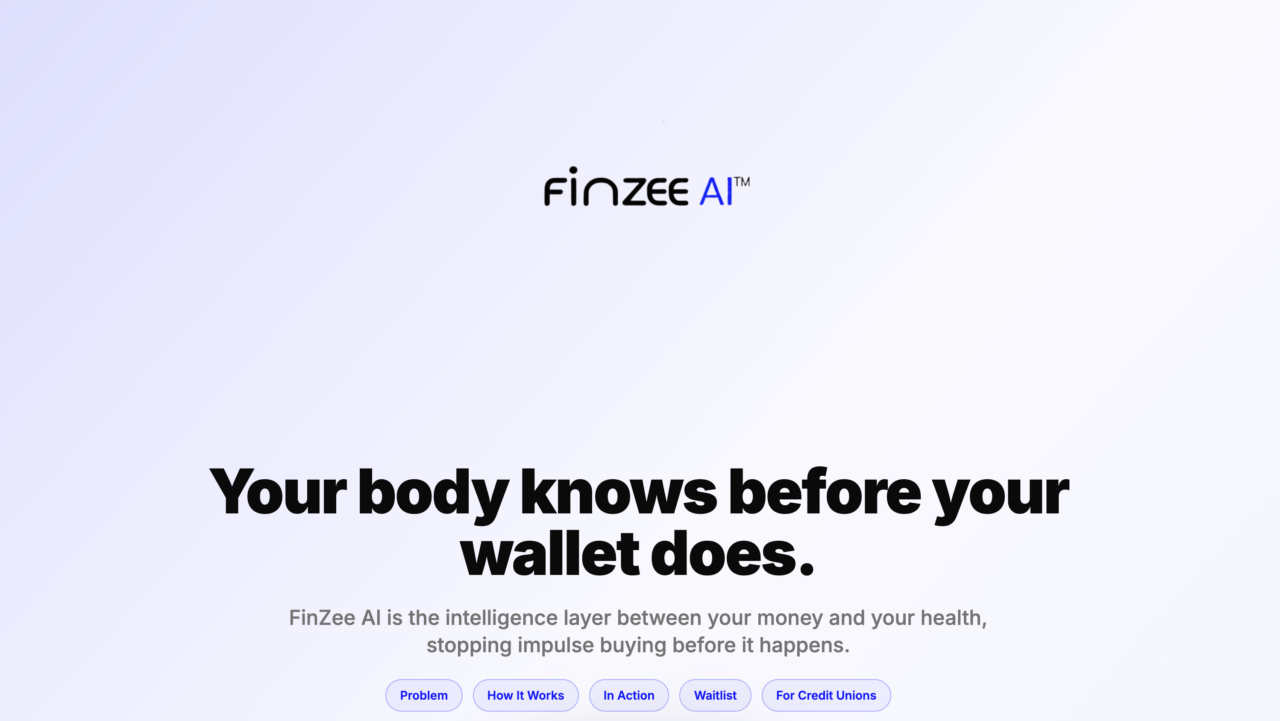
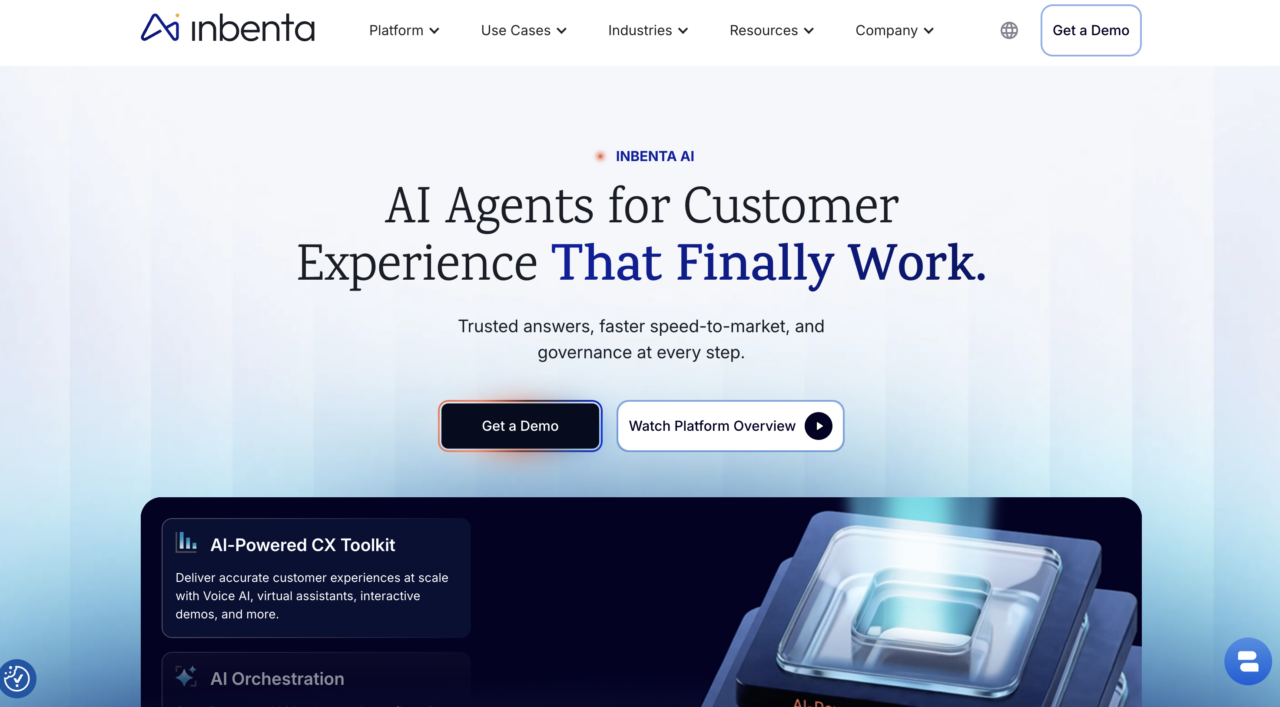
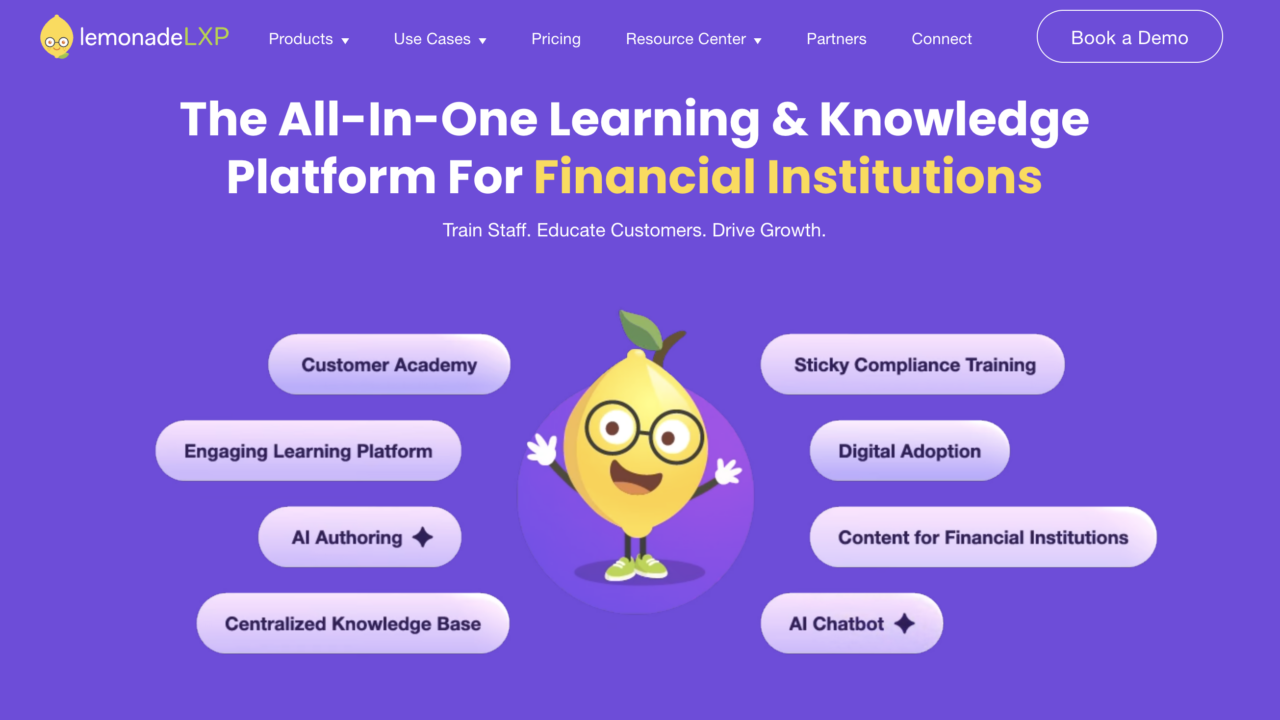
Rounding out the cohort are FinzeeAI, which uses biometric data from wearables to intervene in impulse spending—a direct link between financial health and physical wellness—and Inbenta, which specializes in conversational AI for customer support. Lemonade LXP completes the circle by using AI to create personalized learning experiences for bank employees, moving away from static training modules to dynamic, AI-driven knowledge building.
Supporting Data: The Economic Imperative for AI Adoption
The surge of AI demonstrators at FinovateFall 2026 is supported by compelling industry data. According to a 2024 report by McKinsey & Company, generative AI could add between $200 billion and $340 billion in value annually to the global banking sector through increased productivity. Furthermore, a survey by Gartner indicates that 80% of financial services executives believe AI will be a primary driver of competitive advantage by 2027.
The companies appearing in New York are targeting specific areas where these gains are most reachable. For instance, the implementation of AI in customer service (such as Inbenta’s platform) has been shown to reduce inquiry resolution times by up to 40%, while AI-driven marketing (like Vertice Analytics) can improve campaign conversion rates by 15-20% through hyper-personalization.
Industry Reactions and Market Sentiment
Market analysts and C-suite executives attending the event have expressed a cautious but optimistic outlook. "We are no longer interested in ‘cool’ technology," said one chief technology officer from a top-20 U.S. bank in a pre-conference briefing. "We are looking for ‘boring’ AI—tools that work consistently, respect data privacy, and can be integrated into our existing stack without a three-year implementation cycle."
This sentiment is echoed by fintech analysts who note that the "Seven Minute Demo" format is particularly effective at weeding out companies that lack a robust underlying architecture. The reaction from the venture capital community has also shifted; funding is increasingly flowing toward "Vertical AI"—companies like CUltivate that build for a specific niche (credit unions) rather than general-purpose AI tools.
Broader Impact and Future Implications
The implications of the technologies showcased at FinovateFall 2026 extend far beyond simple efficiency. By automating the routine, these platforms are fundamentally redefining the role of the human professional in finance. When a wealth advisor no longer spends hours on document summaries, or a branch manager no longer spends half their day searching for policy updates, they are freed to focus on empathy, complex problem-solving, and relationship building.
However, this transition also brings challenges. The widespread adoption of AI-executed marketing and automated decisioning (as seen with Vertice and Ventus AI) necessitates new frameworks for "AI Governance." Regulators will be watching closely to ensure that these automated systems do not introduce bias or compromise consumer data protection.
As FinovateFall 2026 approaches, the message to the financial world is clear: AI is no longer a futuristic concept or a laboratory experiment. It is a practical, deployed reality that is currently reshaping how money is managed, how banks operate, and how customers interact with their financial institutions. The 14 companies highlighted in New York represent the vanguard of this movement, providing a roadmap for an industry that is becoming smarter, faster, and more human-centric through the power of machine intelligence.

