
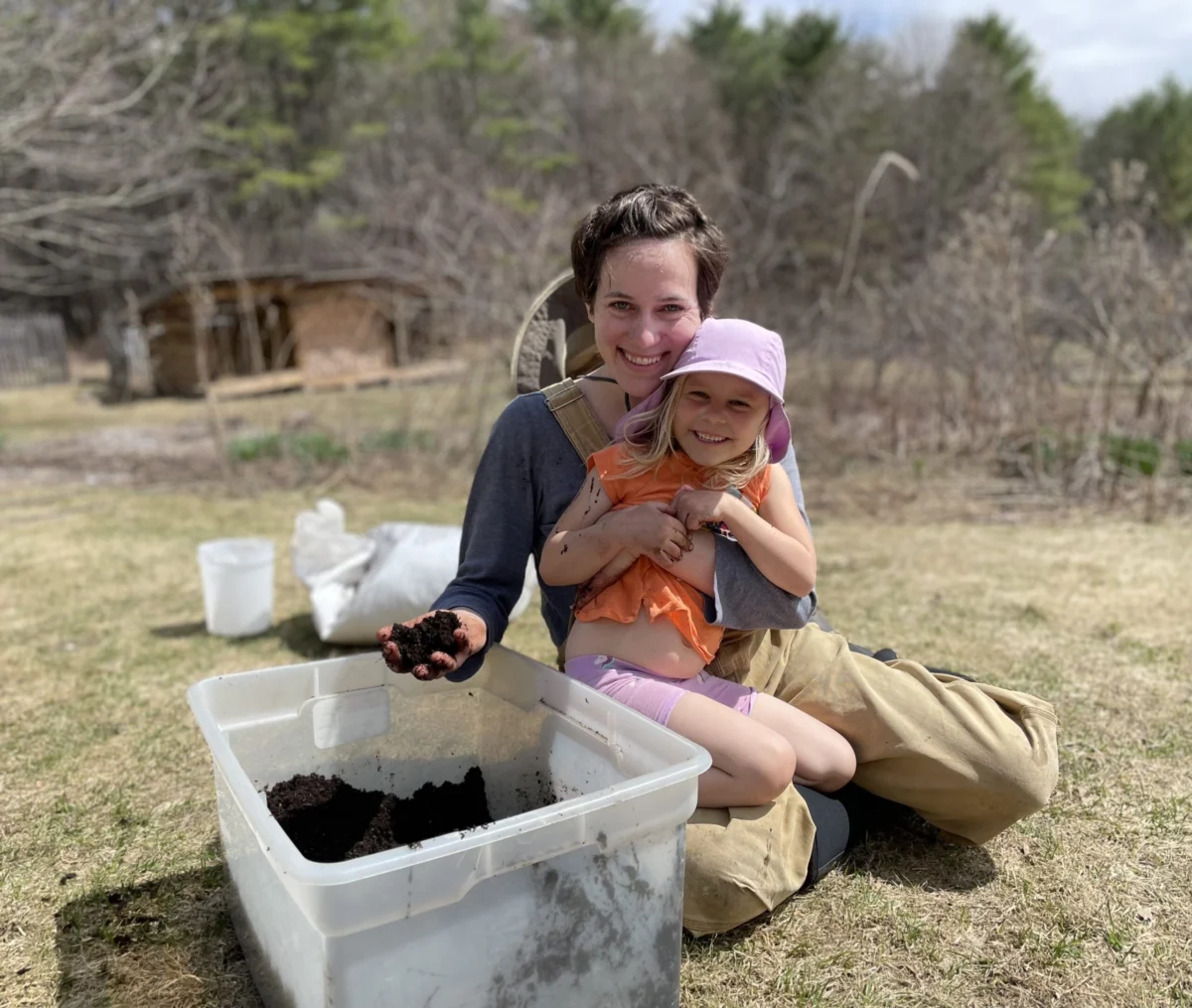
The transition from urban environments to rural homesteads has long been a centerpiece of the American "Back to the Land" narrative, a movement that gained renewed vigor during the mid-2010s. For the founders of the Frugalwoods project, this transition materialized on May 18, 2016, with the purchase of a 66-acre homestead in the woods of rural Vermont. Seven years into this experiment, the reality of rural self-sufficiency has diverged significantly from the initial idyllic projections. The experience of the Frugalwoods family serves as a comprehensive case study in the logistical, economic, and psychological complexities of modern homesteading, particularly regarding the ambition of total food self-sufficiency.
The Genesis of a Rural Vision
The decision to relocate from an urban center to a vast Vermont acreage was driven by a desire for autonomy and a departure from the traditional "rat race." The initial vision was heavily influenced by a romanticized view of 19th-century agrarianism, minus the historical hardships of disease and social inequity. Central to this vision was the "gargantuan assumption" that the family would produce the entirety of their food supply.
In the planning stages, the goal encompassed not only an expansive vegetable garden but also the husbandry of meat chickens, pigs, goats, and a dairy cow for the production of butter and cheese. This "organic paradise" was viewed as a path toward a sustainable, free-range lifestyle. However, the reality of managing 66 acres in a climate known for severe ice storms and limited growing seasons quickly forced a recalibration of these goals.
A Chronology of the Homesteading Experience
The Frugalwoods’ journey provides a clear timeline of the stages of rural adaptation, moving from high-input experimentation to a more sustainable, balanced model of land management.
- April 2014: The launch of the Frugalwoods project, establishing the financial and philosophical groundwork for a life of extreme frugality and eventual rural relocation.
- May 18, 2016: The family officially moved to their 66-acre Vermont property, initiating the first phase of homesteading infrastructure.
- 2016–2017: Initial gardening efforts focused on breaking ground and establishing the "Big Garden," an annual vegetable plot.
- August 2018: The "Kale and Chard Apocalypse." This served as a critical turning point where the family realized the labor-intensive nature of large-scale food preservation.
- 2020: The construction of four raised beds near the primary residence, signaling a shift toward convenience and proximity in gardening.
- 2023: The seven-year anniversary mark, characterized by a philosophy of "acceptance" and a reliance on a hybrid model of small-scale gardening and support for local commercial agriculture.
The Labor Economics of Food Preservation: The 2018 Case Study
The most significant challenge to the goal of self-sufficiency was not the growing of food, but the labor required to harvest and preserve it. In 2018, the family attempted to maximize their output by planting 80 kale and chard plants. The resulting harvest was massive, but it highlighted a fundamental flaw in the "subsistence" logic: the lack of industrial-scale infrastructure and labor.

The preservation process for this single crop required days of intensive labor, involving multiple rinsing stations (including a child’s wading pool), blanching in boiling water, ice-bath cooling, squeezing out moisture, and vacuum sealing for the freezer. Despite the successful preservation of a large volume of greens, the family found that they could not consume the stock before it began to degrade in quality.
This event underscored a primary takeaway for modern homesteaders: a garden has no concern for an individual’s schedule or energy levels. When a crop ripens, it demands immediate attention, creating a "time-bound pressure" that can mirror the stress of the corporate environments many homesteaders seek to escape.

Technical Infrastructure and the "Clever Varmint Patrol"
The Frugalwoods homestead utilizes three distinct areas for food production, each requiring different levels of maintenance and infrastructure:
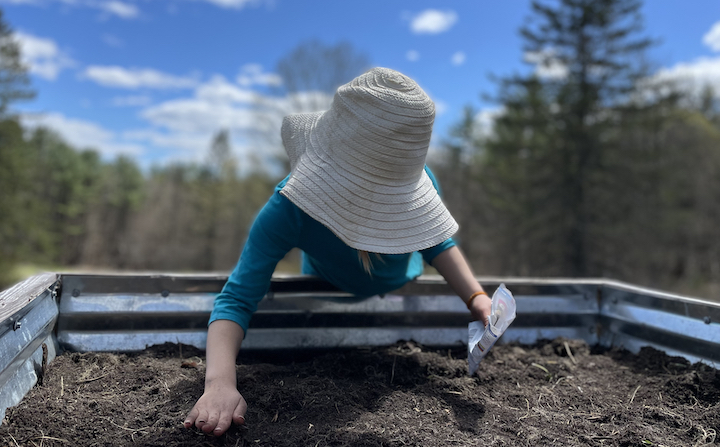
- Proximal Raised Beds: Built in 2020, these four beds are used for high-rotation items like strawberries, herbs, and salad greens. Their proximity to the kitchen reduces the "barrier to entry" for daily harvesting.
- The "Big Garden": A fenced-in area for annual vegetables such as tomatoes, squash, beans, and peppers. This area utilizes cattle panels for vertical trellising, a technique that improves airflow and eases the harvesting process.
- Perennial Fruit Production: This includes apple trees, blueberry bushes, plums, cherries, pears, and elderberries.
The perennial fruit production, in particular, illustrates the biological and environmental hurdles of homesteading. Apple trees typically require approximately six years of growth before reaching production maturity, while blueberry bushes require at least two years. Furthermore, the "Clever Varmint Patrol"—comprising local wildlife such as deer, turkeys, and smaller rodents—often consumes the harvest the moment it reaches peak ripeness.

The family reported incidents where wild turkeys became trapped within fenced blueberry patches, highlighting the constant battle between agricultural efforts and the local ecosystem. Without the use of commercial-grade pesticides or prohibitively expensive fencing that would obstruct the landscape, losses to wildlife remain a consistent factor in rural production.
Supporting Data: The Reality of Vermont Agriculture
The Frugalwoods’ experience aligns with broader agricultural data regarding the challenges of farming in the Northeast. Vermont is characterized by USDA Plant Hardiness Zones ranging from 3b to 5b, meaning the growing season is relatively short, often limited to 100–140 frost-free days.

According to the 2022 Census of Agriculture, Vermont has seen a shift toward smaller, more diversified farms, but many of these operations rely on significant off-farm income or high-value niche markets to remain viable. For the individual homesteader, the "grocery bill" savings of a home garden are often offset by the costs of seeds, soil amendments, fencing, tools, and, most importantly, the opportunity cost of labor.
The realization that they were not "subsistence farmers" allowed the Frugalwoods to transition their perspective. Rather than viewing the purchase of food as a failure of homesteading, they began to see it as a vital contribution to the local rural economy. By purchasing meat and specialty produce from neighbors who farm full-time, they support the agricultural fabric of their community while reclaiming their own time.

Psychological Implications: From Perfectionism to Acceptance
A significant portion of the Frugalwoods’ retrospective focuses on the psychological burden of "homesteading perfectionism." The pressure to live up to an idealized, "Instagrammable" version of rural life can lead to a phenomenon where the garden becomes another "desk" to which the owner is chained.
The family noted that "chaining myself to my vegetable garden is really no different than chaining myself to my desk and computer." This realization led to a more relaxed approach in 2023. The current strategy involves:

- Moderate Preservation: Only canning or freezing what the family can realistically consume.
- Prioritizing Lifestyle: Choosing community activities, such as visiting local lakes or attending farm concerts, over exhaustive kitchen labor.
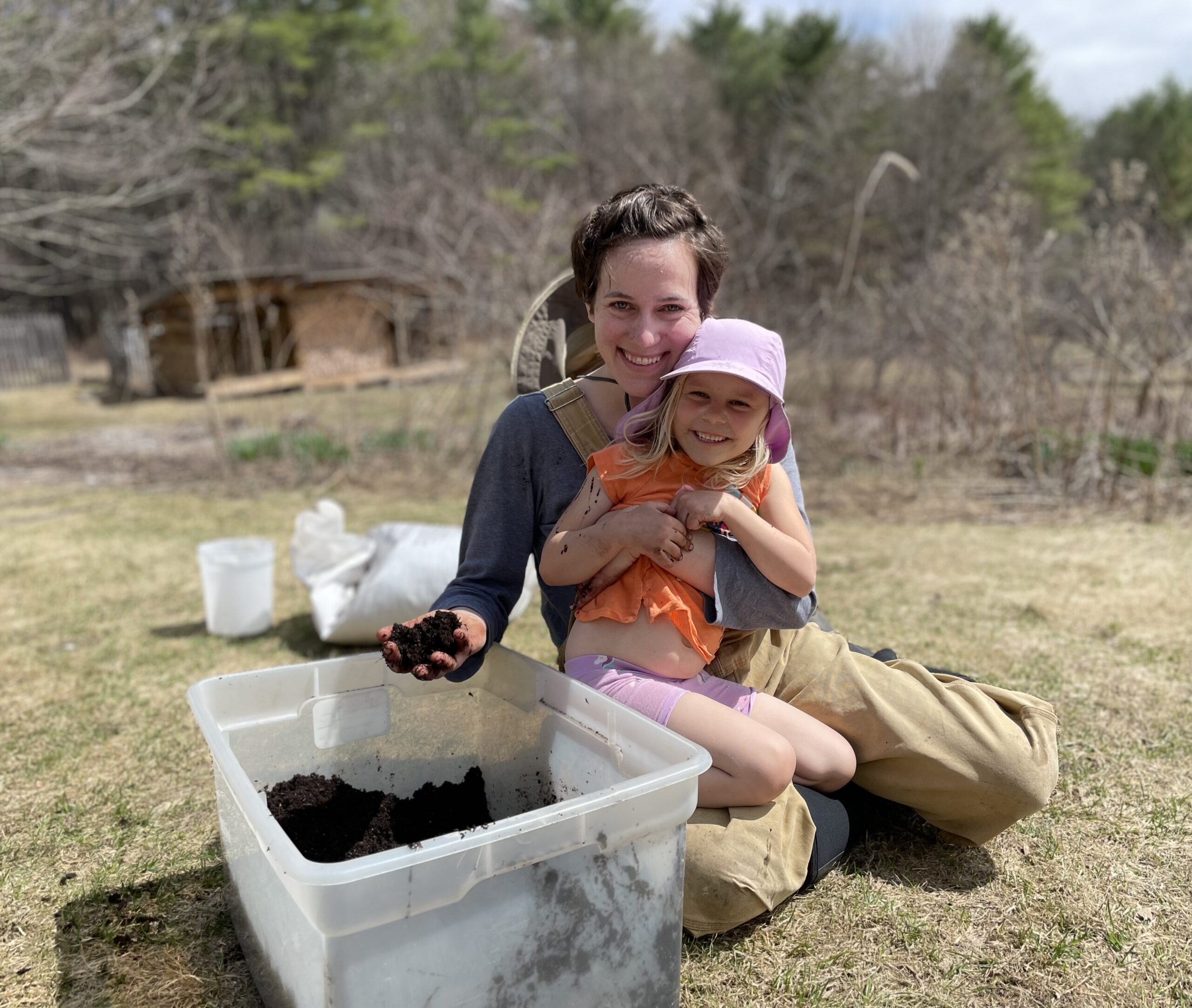
- Educational Value: Using the garden as a tool for teaching children about biology and responsibility rather than as a primary source of caloric intake.
Broader Impact and Implications for Prospective Homesteaders
The Frugalwoods’ seven-year reflection offers several critical insights for those considering a move to rural areas for the purpose of self-sufficiency:
- The Infrastructure Gap: Initial years on a homestead are often dominated by "staggering" infrastructure costs and labor that do not yield immediate food returns.
- The Preservation Bottleneck: Growing food is often easier than the subsequent processing required to make that food shelf-stable for winter.
- The Importance of Community: A successful rural life often depends on interdependence rather than total independence. Relying on local farmers for staples allows homesteaders to focus on the aspects of land management they find most fulfilling.
- Environmental Volatility: Weather events, from late frosts to ice storms, can wipe out years of perennial progress in a single night.
In conclusion, the Frugalwoods’ journey from urban frugality to rural "balanced" homesteading suggests that the most sustainable form of modern country living is one that embraces flexibility. By shedding the guilt of not producing 100% of their food, the family has achieved the original goal of their move: freedom, space, and a departure from external societal pressures. The homestead remains a place of production, but it is no longer a site of self-imposed agricultural servitude. As they enter their eighth year in Vermont, the "Frugalwoods" model stands as a testament to the importance of aligning one’s lifestyle with the reality of the land rather than the ideals of a preconceived notion.

