

A Very Large Crude Carrier (VLCC) was reportedly struck in the Strait of Hormuz late on Monday by a suspected unknown projectile, an incident attributed to Iran and signaling a concerning resumption of maritime attacks following the collapse of diplomatic talks at the United Nations last week. The strike, which ignited a fire on board the massive oil tanker, occurred despite a paradoxical increase in oil shipments through the critical waterway in recent months. Maritime monitor UKMTO confirmed the incident, stating that the fire was quickly extinguished, the crew remained safe, and the vessel was able to continue its transit, averting a major disaster but sending a clear message of heightened regional instability.
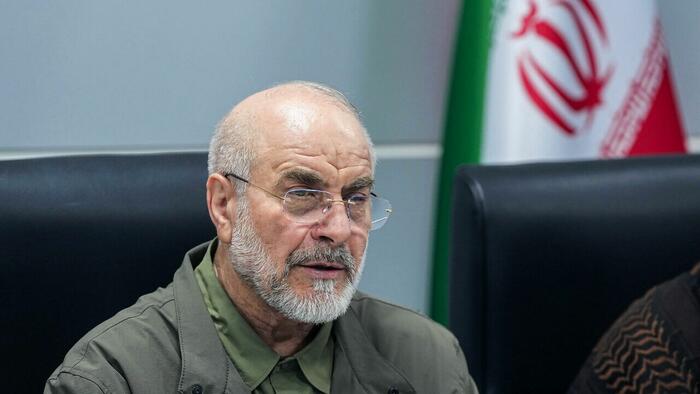
The incident comes at a particularly fraught moment, with Iran’s political and military leadership issuing stern warnings that underscore a strategic shift towards more assertive and potentially escalatory actions. On Tuesday, Iran’s parliament speaker, Bagher Ghalibaf, delivered a stark ultimatum to the international community, particularly the United States, declaring, "in a region where we don’t sell oil, no one will sell oil." He further emphasized the indivisibility of Iran’s security from regional stability, stating, "If our security is not ensured, no infrastructure will be safe." These remarks signal a potential willingness to disrupt global oil supplies if Iran’s economic and security interests are not met, harkening back to historical threats to close the Strait of Hormuz. Later that day, Iran’s semi-official Fars news agency reported another drone had been fired at an "illicit" ship, though specific details remained scarce, suggesting a pattern of aggressive maritime assertiveness.
A History of Maritime Tensions in a Critical Chokepoint
The Strait of Hormuz, a narrow waterway connecting the Persian Gulf to the Arabian Sea, is arguably the world’s most vital oil transit chokepoint. Approximately 20-30% of the world’s total petroleum liquids consumption, or about 17-20 million barrels per day, historically transits through this strait. Any disruption here has immediate and profound implications for global energy markets, as demonstrated by past incidents and the current ripple effect on WTI futures. Iran has long viewed its control over, or at least its ability to threaten, the Strait of Hormuz as a strategic lever against international pressure, particularly U.S. sanctions. The current strike on the VLCC revives memories of the "tanker wars" of the 1980s and more recent periods of heightened tensions where commercial shipping has become a flashpoint in the broader geopolitical struggle between Tehran and Washington, along with their regional allies.
The recent failure of diplomatic talks at the UN General Assembly is seen as a direct catalyst for Iran’s renewed aggressive posture. Discussions, reportedly aimed at de-escalating regional tensions and potentially addressing aspects of Iran’s nuclear program or sanctions relief, failed to achieve a breakthrough. Iranian Foreign Minister Abbas Araghchi firmly denied reports of any shift in Tehran’s position, reiterating that there has been "no discussion of the nuclear issue, ‘let alone flexibility.’" This steadfast stance suggests that Iran feels its demands are not being met through diplomatic channels, leading to a calculated decision to project strength through military means.
Expanding the Front: Threats to Bab al-Mandab
Beyond the immediate vicinity of the Strait of Hormuz, Iran’s strategic rhetoric has expanded to include another critical maritime chokepoint: the Bab al-Mandab Strait. Major General Yahya Rahim Safavi, a senior advisor to Iran’s Supreme Leader, explicitly stated that the armed forces stand "ready to expand the confrontation to new fronts." Referencing the ongoing conflict in Yemen, where the Iran-aligned Houthi rebel group has gained significant control over the Red Sea coast, Safavi warned that "The addition of the Bab al-Mandab Strait would change the scene of the war," as quoted by IRIB News.

This threat carries immense geopolitical weight. The Bab al-Mandab, connecting the Red Sea to the Gulf of Aden and the Indian Ocean, is a crucial passage for global trade, particularly for oil and gas shipments destined for Europe and North America via the Suez Canal. While reports have previously suggested IRGC advisers’ involvement in assisting the Houthis, Safavi’s statement goes further, hinting at more direct Iranian involvement or a directive for the Houthis to close the strait to all foreign vessels. Such a move would effectively create a dual maritime blockade, significantly impacting global shipping and energy flows. So far, Houthi statements have attempted to reassure the international community that vessels, with the exception of those linked to Saudi Arabia or Israel, can still pass safely. However, an Iranian directive could swiftly alter this policy, presenting a complex challenge for naval forces tasked with ensuring freedom of navigation.
A Paradox of Increased Oil Shipments Amidst Threats
Adding to the complexity of the situation is the surprising resilience of oil exports from the Middle East through the Strait of Hormuz. Despite the ongoing regional tensions and sporadic attacks, several monitoring firms cited by The Wall Street Journal indicate that "Middle Eastern crude exports rebounded this month to around their highest level since the war began in February." Shipments via Hormuz and alternative routes were reportedly delivering just under 80% of their pre-war regional flows as of last week, according to tracker Kpler. Specifically, crude exports from major Middle Eastern producers, including Saudi Arabia, Iraq, and the U.A.E., have risen to almost 13 million barrels a day this month, up from lower figures earlier in the year, though still below the pre-war peak of nearly 19 million barrels a day in February.
This rebound suggests that the U.S. Navy and Gulf oil producers have become more adept at fending off or evading Iranian attacks, allowing a greater volume of tankers to cross the strait. The presence of U.S. Marines directly involved in protecting shipping, as evidenced by a previous Iranian anti-ship cruise missile attack that injured eight Marines two weeks prior, highlights the direct engagement of international forces in safeguarding this critical artery. However, Ghalibaf’s recent threat to halt oil sales, coupled with the VLCC strike, promises to disrupt this equilibrium and could severely impact the current rebound, potentially forcing oil prices higher and increasing shipping insurance premiums.

Economic Pressures and Internal Dynamics
Iran’s renewed aggression is also intrinsically linked to its severe domestic economic challenges. The Iranian Rial has plummeted to a record low against the U.S. dollar, with traders in Tehran exchanging more than 2.5 million rials for a single dollar. This dramatic depreciation fuels inflation, erodes purchasing power, and exacerbates social discontent. The economic strain, largely a consequence of crippling international sanctions, puts immense pressure on the Iranian government, potentially driving it to externalize its problems or seek leverage through confrontational tactics.
As noted by analyst Negar Mortazavi, "Six months of war left Iran economically battered, its society exhausted, and its politics conflicted." While not on the "verge of collapse," Iran faces significant internal challenges that influence its foreign policy decisions. The leadership’s rhetoric, balancing threats of escalation with President Masoud Pezeshkian’s calls for diplomacy, reflects this internal tension between hardline factions and those seeking a way out of economic isolation. The message from Ghalibaf that "the era of intimidation and threats is over" and that the Islamic Republic would "escalate its responses" could be an attempt to project strength both internationally and domestically, rallying support amidst hardship.
International Reactions and the Path Forward

The international community is closely monitoring these developments. The U.S. and its allies are likely to condemn the latest attack and reiterate their commitment to freedom of navigation in international waters. Any further attacks or attempts to disrupt maritime traffic would likely trigger a stronger international response, potentially including increased naval deployments and further sanctions. The recent comments from the Qatar Foreign Ministry on possible U.S.-Iran solutions, which reportedly sent WTI futures to session lows, indicate ongoing, albeit indirect, diplomatic efforts behind the scenes to de-escalate the situation. However, Iran’s consistent rejection of direct talks and insistence that the nuclear file is not up for negotiation until a ceasefire deal is in place demonstrates the wide chasm that remains.
The latest strike in the Strait of Hormuz, coupled with Iran’s explicit threats regarding both Hormuz and Bab al-Mandab, represents a significant escalation in regional tensions. It underscores Iran’s willingness to use its strategic position and military capabilities as leverage in the face of diplomatic deadlock and economic pressure. The immediate future for global energy security and maritime trade hangs precariously on the trajectory of these escalating confrontations, demanding careful diplomatic maneuvering and robust security measures to prevent a broader regional conflict. The delicate balance between ensuring freedom of navigation and avoiding direct military confrontation will define the coming weeks in these critical waterways.

