
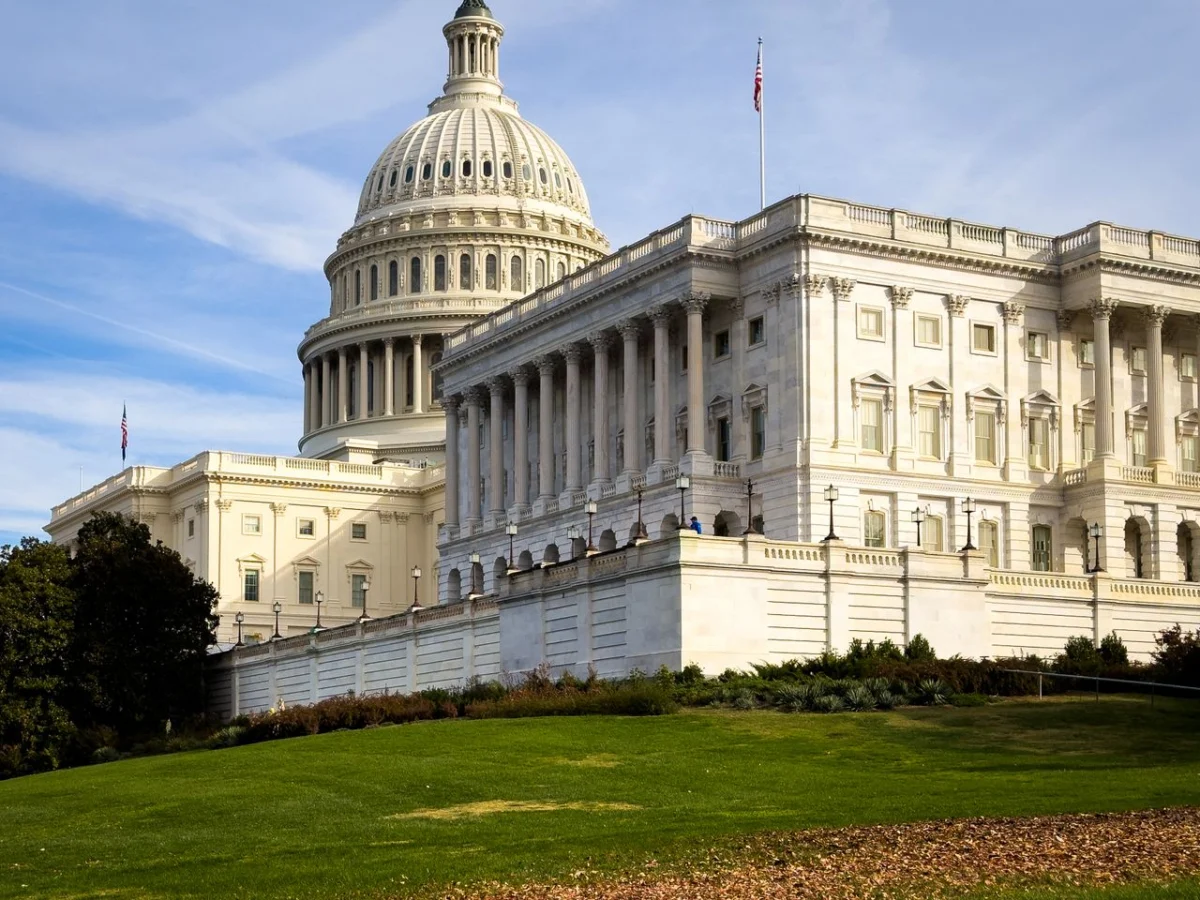
As the United States approaches the midterm elections with roughly six weeks remaining, the political and financial sectors are closely monitoring the battle for control of the U.S. House of Representatives. A shift in the majority would not merely represent a change in party leadership but would signal a fundamental pivot in the regulatory philosophy governing the nation’s banking, fintech, and financial services industries. The transition from a Republican-led House Financial Services Committee to one under Democratic control would likely usher in a new era of aggressive oversight, a renewed focus on consumer protection, and a reevaluation of the rapid integration of artificial intelligence and digital assets into the mainstream economy.
Leadership Transitions and the Return of the Gavel
The most immediate impact of a Democratic victory would be the reorganization of the House Financial Services Committee leadership. Currently, the committee is chaired by Representative French Hill, a Republican from Arkansas known for his focus on capital formation and reducing the regulatory burden on financial institutions. Under a Democratic majority, the gavel would likely return to Representative Maxine Waters of California, the committee’s current ranking member and former chair from 2019 to 2023.
Waters’ previous tenure provides a clear blueprint for her potential agenda. During her time as chair, she prioritized issues such as housing affordability, diversity and inclusion within the financial sector, and robust consumer protections. Analysts expect that a return to power would see Waters leveraging the committee’s significant oversight tools, including the authority to issue subpoenas and compel testimony from the nation’s largest financial institutions and regulatory bodies. This would likely result in a series of high-profile hearings aimed at scrutinizing bank fees, executive compensation, and the industry’s progress—or lack thereof—in addressing systemic inequities in lending.
A Chronology of Shifting Financial Regulation
To understand the potential impact of this shift, it is essential to look at the timeline of financial regulation over the last several years. Following the 2018 passage of the Economic Growth, Regulatory Relief, and Consumer Protection Act, which rolled back certain provisions of the Dodd-Frank Act for mid-sized banks, the regulatory pendulum swung toward easing compliance. However, the sudden collapse of Silicon Valley Bank and Signature Bank in early 2023 reignited a fierce debate over bank safety and soundness.
If Democrats take the House, the legislative focus is expected to move away from the "tailoring" of regulations—a Republican-led effort to match oversight to the size of an institution—and toward more uniform, stringent requirements. This timeline of events suggests that a Democratic majority would use the 2023 banking crisis as a primary justification for strengthening capital requirements and enhancing the stress-testing of regional banks.
Strengthening the Consumer Financial Protection Bureau (CFPB)
One of the most significant points of contention between a Democratic House and a potential Trump administration would be the role and authority of the Consumer Financial Protection Bureau (CFPB). Under Republican leadership, there have been consistent efforts to limit the CFPB’s independence, often by proposing to change its funding structure from the Federal Reserve to the annual congressional appropriations process.
A Democratic House would serve as a formidable bulwark for the CFPB. Democratic lawmakers have signaled their intent to support the agency’s recent crackdowns on "junk fees"—the hidden or excessive charges in banking, credit cards, and mortgages. Data from the CFPB suggests that such initiatives could save American consumers billions of dollars annually, a point that Democratic candidates are likely to emphasize. Furthermore, a Democratic majority would likely push for the full implementation of Section 1033 of the Dodd-Frank Act, which promotes "open banking" by giving consumers more control over their financial data, potentially lowering the barriers for fintech competitors to challenge established banks.
The Fintech Frontier: AI, Cybersecurity, and Stablecoins
The rapid evolution of financial technology presents a complex challenge for lawmakers. A Democratic-led House would likely approach fintech with a mixture of cautious optimism and a demand for rigorous guardrails. Representative Waters has already expressed concerns regarding the financial risks associated with artificial intelligence, particularly the potential for algorithmic bias in lending and the threat of AI-driven cybersecurity breaches.
Supporting data highlights the urgency of these concerns. According to recent industry reports, financial services firms saw a 154% increase in cyberattacks year-over-year in 2023. A Democratic House would likely pursue legislation requiring financial institutions to adopt more robust cybersecurity protocols and provide greater transparency regarding how AI models make credit decisions.
On the issue of digital assets, the landscape is more nuanced. While some Democrats remain deeply skeptical of the broader cryptocurrency market—citing the volatility of "meme coins" and the potential for money laundering—there is a growing consensus that stablecoins require a specific regulatory framework. Stablecoins, which are pegged to a stable asset like the U.S. dollar, are viewed by some as a more viable tool for payments. Legislative efforts, such as the bipartisan work between Waters and Patrick McHenry on stablecoin regulation, suggest that this could be one of the few areas where a Democratic House and a Republican administration might find common ground, provided the legislation includes strong consumer protections and maintains the primacy of the U.S. dollar.
Common Ground: Community Banks and Regulatory Clarity
Despite the polarized political environment, there are specific areas where a Democratic House could collaborate with the executive branch. Both parties have historically expressed support for community banks and credit unions, recognizing their vital role in providing credit to small businesses and rural areas.
The "21st Century ROAD to Housing Act" serves as a recent example of this potential synergy. Co-sponsored by Hill and Waters, the act included provisions designed to benefit community lenders. In a divided government scenario, a Democratic House might agree to reduce the compliance burden for smaller institutions in exchange for stricter oversight of "too big to fail" banks. This "grand bargain" would allow both sides to claim victory: Republicans for achieving deregulation for small businesses, and Democrats for reining in the power of Wall Street.
Official Responses and Industry Sentiment
The prospect of a Democratic House has elicited varied responses from industry stakeholders. Trade groups representing large commercial banks have expressed concern that increased oversight and higher capital requirements could limit lending capacity and stifle economic growth. Conversely, consumer advocacy groups, such as the Consumer Federation of America, have praised the potential shift, arguing that the past few years of "regulatory softening" have left consumers vulnerable to predatory practices.
Fintech industry leaders have voiced a desire for "regulatory clarity" above all else. Many startups argue that the current "regulation by enforcement" approach—where rules are clarified through lawsuits rather than legislation—creates an environment of uncertainty that hampers innovation. A Democratic House that prioritizes clear, albeit strict, rules for bank-fintech partnerships could, paradoxically, provide the stability that many in the sector are seeking.
Broader Implications and the Paradigm Shift
The shift to a Democratic House would ultimately represent a paradigm shift in how the U.S. government views the financial system’s role in society. For the current Republican majority, the priority is often the efficiency and competitiveness of the markets. For a Democratic majority, the priority shifts toward the stability of the system and the protection of the individual participant.
This shift would manifest in several key ways:
- Climate-Related Financial Risk: Democrats are likely to push the Securities and Exchange Commission (SEC) and the Federal Reserve to require more detailed disclosures from banks regarding their exposure to climate change risks.
- Diversity and Inclusion: Expect a renewed push for data collection on the diversity of corporate boards and executive leadership within the financial sector.
- Executive Accountability: Legislation aimed at clawing back bonuses from executives of failed banks would likely gain significant traction.
In a scenario where the House is controlled by Democrats and the White House is occupied by a Republican administration, the result will likely be a period of intense legislative friction. However, this friction also serves as a mechanism for public debate. Through hearings and investigations, a Democratic House would ensure that issues of affordability, ethics, and technological risk remain at the forefront of the national conversation.
As the countdown to the midterm elections continues, the financial services industry must prepare for a landscape that could look very different by January. Whether through the implementation of new consumer protections or the rigorous questioning of the nation’s top bankers, a Democratic House would undoubtedly seek to redefine the "rules of the road" for the American economy. The outcome of these elections will determine whether the next two years are defined by continued deregulation or a significant pivot toward a more supervised and consumer-centric financial system.

