
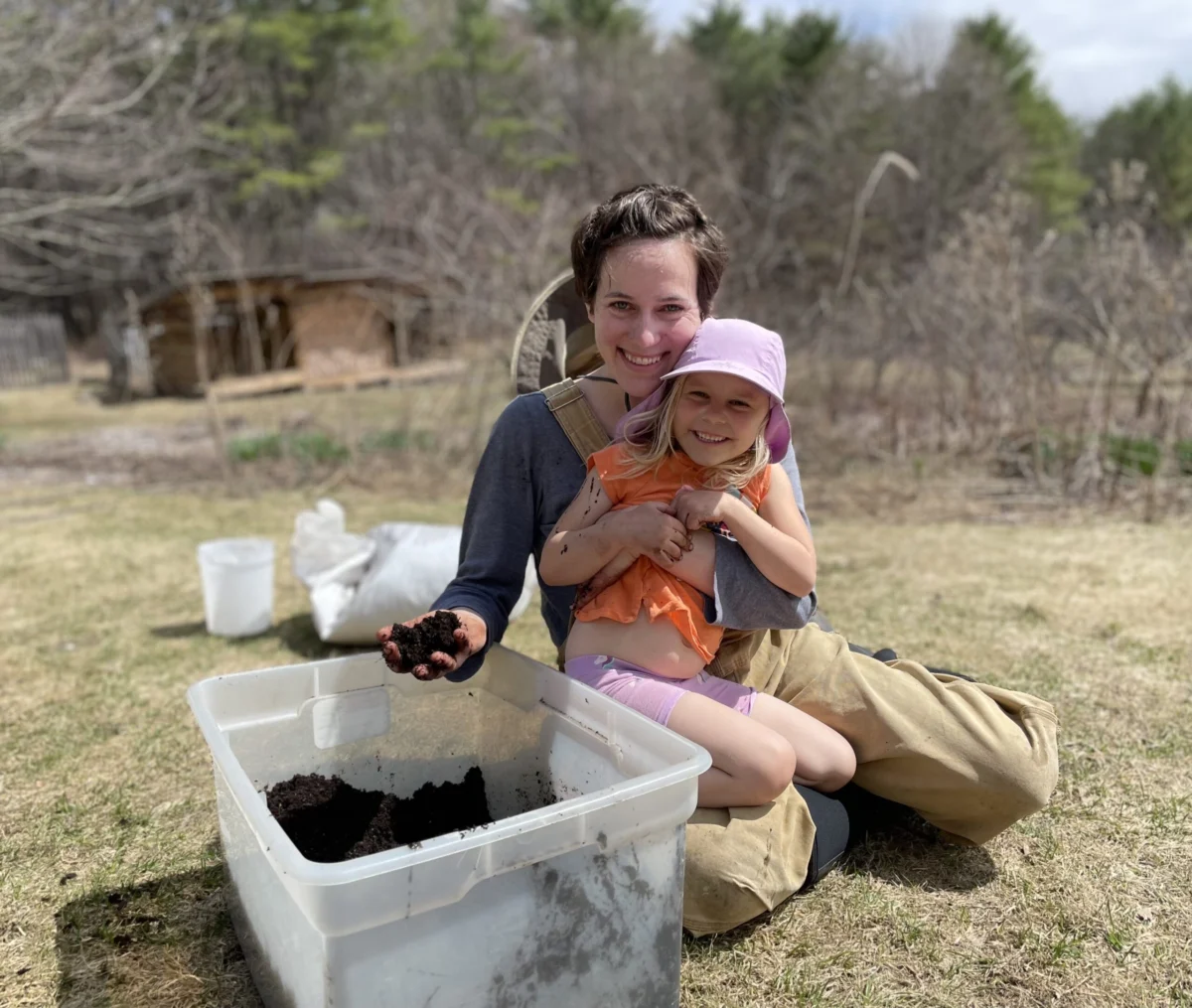
The migration from urban centers to rural landscapes, a movement often categorized under the "back-to-the-land" ethos, has seen a significant resurgence over the last decade, driven by a desire for financial independence and a smaller ecological footprint. One of the most documented cases of this transition is the Frugalwoods project, which began in 2014 and culminated in a move to a 66-acre homestead in rural Vermont in May 2016. Seven years into this experiment, the realities of rural self-sufficiency have challenged initial assumptions, particularly regarding the feasibility and desirability of total food independence. This analysis examines the evolution of the homesteading model from one of idealistic subsistence to a more integrated, balanced approach to land stewardship and community-based agriculture.
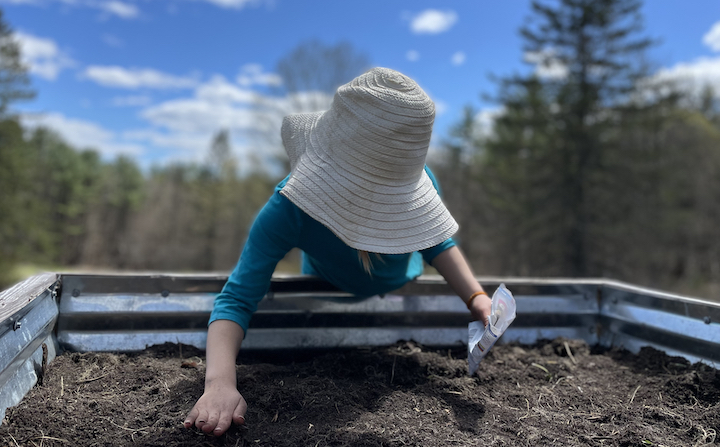
The Seven-Year Transition: A Chronological Overview
The transition to a rural lifestyle for the Frugalwoods founders was predicated on the goal of escaping the "urban rat race" and establishing a sustainable, organic paradise. Upon acquiring the Vermont property in 2016, the initial roadmap included aggressive plans for food production, including the raising of meat chickens, pigs, goats, and a dairy cow. These goals were rooted in a vision of a modern-day larder, where the majority of caloric needs would be met through the direct management of the land’s resources.
By 2018, the project reached a critical juncture during what has been termed the "Kale and Chard Apocalypse." After successfully cultivating 80 kale and chard plants from seed, the labor required for harvesting, washing, and processing reached a point of diminishing returns. The experiment revealed a fundamental truth about homesteading: the labor-to-calorie ratio can often become unsustainable for families who are also managing other professional or domestic responsibilities. This realization marked the beginning of a shift in the homesteading strategy, moving away from the pursuit of total self-sufficiency toward a model of "balanced homesteading."
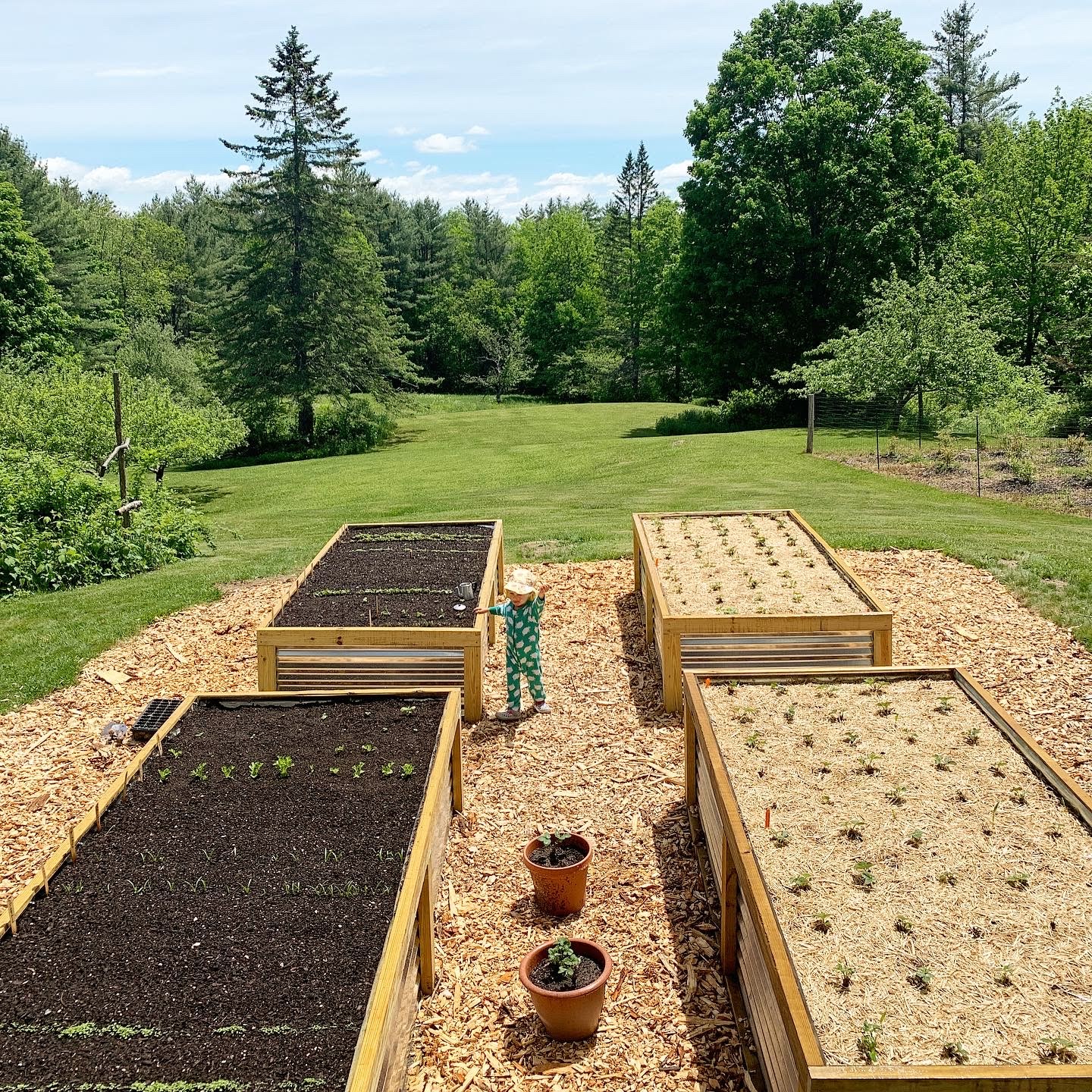
In 2020, the infrastructure of the property was further refined with the construction of permanent raised beds near the primary residence. This move signaled a shift toward "proximity gardening," where the ease of access and maintenance took precedence over the sheer volume of output. By 2023, the homestead had matured into a system that prioritizes perennial crops and manageable annual gardens, while outsourcing more intensive agricultural needs to specialized local farmers.
The Labor-Intensive Reality of Food Preservation
A significant factor in the recalibration of the Frugalwoods homestead was the sheer volume of time required for food preservation. Journalistic analysis of small-scale agricultural operations indicates that the "harvest window"—the period when a crop is perfectly ripe—exerts an uncompromising pressure on the gardener. On the Vermont homestead, the 2018 greens harvest required multiple rinsing stations, including a repurposed child’s pool and several industrial-sized tubs.

The technical steps for preserving such a harvest are exhaustive:
- Harvesting: Manual labor in varying weather conditions.
- Cleaning: Multiple stages of washing to remove soil and insects.
- Processing: Stemming, chopping, and blanching.
- Preservation: Dehydrating, freezing, or pressure-canning.
The founders reported that this process took several consecutive days of full-time labor, which proved difficult to balance with the needs of two young children. Furthermore, the realization that the household could not consume the preserved food before its shelf life expired highlighted the inefficiency of over-production. This experience served as a case study for the "sunk cost fallacy" in homesteading, where the effort invested in the garden leads to a perceived obligation to preserve every unit of produce, regardless of its actual utility or the mental health cost to the producer.

Current Land Management and Agricultural Infrastructure
As of May 2023, the homestead’s agricultural footprint has been divided into three distinct zones, each serving a specific strategic purpose:
1. Residential Raised Beds
These four beds, constructed in 2020, are located adjacent to the home’s back porch. They are utilized for high-frequency "kitchen garden" crops. Two beds are dedicated to strawberries, while the remaining two house a rotation of herbs (basil, parsley, cilantro) and salad greens (lettuce, spinach, arugula). The proximity to the kitchen reduces the "harvest friction," making these the most efficient producers on the property.

2. The Primary Annual Garden
This larger, fenced-in area is dedicated to annual vegetables such as tomatoes, beans, squash, snap peas, and cucumbers. A notable innovation in this zone is the use of cattle panels for vertical trellising. This infrastructure allows for high-density planting and easier harvesting of vining plants. This garden also serves an educational purpose, with designated rows for children to manage, fostering early-stage agricultural literacy.
3. Perennial Food Systems
The most significant long-term investment on the property is the perennial orchard and berry patches. Managed primarily by Nate (Mr. FW), this system includes:

- 45 apple trees
- 12 blueberry bushes
- 3 plum trees and 3 cherry trees
- 1 pear tree and 1 peach tree
- Extensive elderberry and raspberry patches
Unlike annual gardens, these systems require a multi-year lead time. Apple trees typically require approximately six years to reach production maturity, while blueberry bushes often take two to three years.
Challenges in Perennial Cultivation and Pest Mitigation
Despite the long-term potential of perennials, the Vermont homestead faces significant biological pressures. The founders have identified a recurring challenge dubbed the "Clever Varmint Patrol" (CVP). Local wildlife, including birds, turkeys, and small mammals, frequently consume stone fruits (plums and cherries) the moment they reach peak ripeness.

Environmental factors also play a critical role in the success of the homestead. The Northeast’s volatile weather—characterized by late spring frosts and erratic rainfall—can decimate a year’s worth of perennial production in a single night. The founders noted a specific incident involving wild turkeys becoming trapped within the fenced blueberry patch, illustrating the constant struggle between human-managed agriculture and the surrounding ecosystem. These challenges underscore the reality that homesteading is not a controlled environment but a constant negotiation with nature.
Economic Analysis: The Shift from Subsistence to Community Integration
The evolution of the Frugalwoods project reflects a broader trend in the modern "frugal living" movement: the recognition that total self-sufficiency is often less economical than community-supported agriculture. By 2023, the founders transitioned from trying to grow all their own food to purchasing staples from neighboring farmers.

This shift provides several economic and social benefits:
- Specialization: Professional farmers have the machinery and expertise to produce high volumes of food more efficiently than a part-time homesteader.
- Local Economic Support: Directing funds toward local agricultural businesses strengthens the regional food system.
- Time Value: Reducing the hours spent on low-yield gardening allows the founders to focus on more high-value activities, whether professional or personal.
The "Fact Check" provided by the founders after seven years of rural living is a definitive rejection of the "all-or-nothing" homesteading myth. The current model emphasizes "moderation" and "acceptance," acknowledging that while the land can provide, it does not have to provide everything.

Broader Impact and Implications for the Rural Renaissance
The Frugalwoods experience serves as an informative template for those considering a move to a rural environment. It highlights the importance of infrastructure—such as the "tower of power" for seed starting and the cattle panels for trellising—while warning against the psychological trap of "homesteading perfectionism."
The project demonstrates that the true value of rural life lies not in the total replacement of the grocery store, but in the freedom, space, and connection to the land that the environment provides. For the founders, the primary goal of leaving the "city rat race" was to reclaim their time. They eventually realized that "chaining oneself to a vegetable garden" was functionally similar to being "chained to a desk."
In conclusion, the Frugalwoods homestead in 2023 stands as a testament to the viability of a "hybrid homesteading" model. By combining strategic home production with a reliance on the local agricultural community, the project has achieved a sustainable balance that prioritizes quality of life over the idealistic but exhausting goal of total self-sufficiency. This evolution offers a realistic and grounded perspective for the next generation of land stewards seeking a meaningful life in the rural landscape.

