
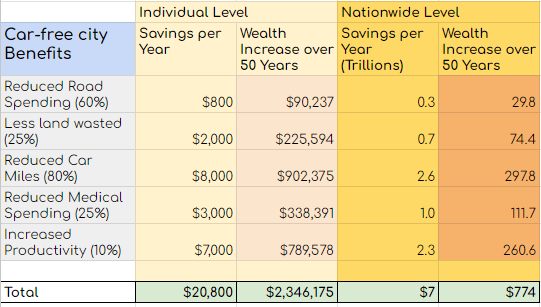
The discourse around urban development is experiencing a significant paradigm shift, with a growing chorus of urban planners, economists, and lifestyle advocates championing a fundamental reorientation of cities from car-centric infrastructures to human-centric designs. This profound change promises not merely incremental improvements but a "nuclear fusion level of synergy" impacting personal finance, public health, and societal well-being on an unprecedented scale. Proponents assert that this transition could inject an estimated $20,000 per person annually into the economy, translating into a staggering $7 trillion annual boost for nations like the United States. This economic uplift, compounded over five decades, could reach over $770 trillion – an amount surpassing the current total human wealth globally, highlighting the immense untapped value in rethinking urban spaces.
The Economic and Societal Imperative for Human-Centric Cities
The financial implications of transitioning to human-centric cities are multifaceted and extend far beyond simple cost savings. A detailed analysis reveals several key areas where significant wealth generation and expenditure reduction would occur:
Firstly, reduced transportation costs for individuals would be monumental. The average cost of car ownership in the United States, encompassing vehicle purchase, depreciation, fuel, insurance, maintenance, and parking, can exceed $10,000 annually per household. In a car-free or significantly car-reduced environment, these substantial expenses are drastically cut or eliminated, freeing up considerable disposable income for individuals and families. This surplus can then be channeled into savings, investments, local businesses, or other quality-of-life improvements.
Secondly, healthcare savings would be substantial. Increased physical activity, such as walking and biking, inherently integrated into daily life, demonstrably reduces rates of obesity, heart disease, diabetes, and other chronic conditions. Furthermore, improved air quality resulting from reduced vehicular emissions lowers the incidence of respiratory illnesses. These public health benefits translate directly into significant reductions in both public and private healthcare expenditures, bolstering national economic health.
Thirdly, increased productivity and overall well-being contribute to economic growth. Less time spent commuting in traffic, reduced stress, and more opportunities for spontaneous social interaction and recreation lead to happier, healthier, and ultimately more productive citizens. Studies have consistently linked walkable communities to higher levels of civic engagement and mental well-being.
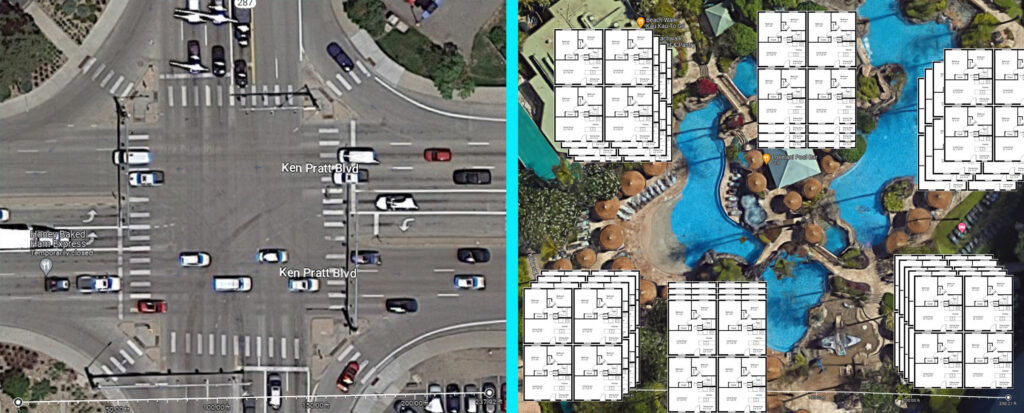
Fourthly, more efficient land use stands as a cornerstone of this economic transformation. Vast swathes of land currently dedicated to roads, sprawling parking lots, and car-dependent infrastructure could be reclaimed and repurposed. This reallocated land can be utilized for much-needed housing, vibrant green spaces, local businesses, public amenities, and even urban agriculture. This denser, mixed-use development model leads to higher property values, increased tax revenue, and more dynamic local economies, directly addressing issues like housing shortages and urban decay. For instance, an intersection spanning approximately 1.5 acres, often seen as mere transit space, could theoretically accommodate luxurious housing for 200 people, complete with amenities like a pool, dog park, and retail outlets. Similarly, the space required for just two small parking spots could instead house an entire two-bedroom apartment.
Finally, reduced infrastructure spending on car-centric maintenance would free up public funds. Less reliance on automobiles translates to a decreased need for constant road repair, bridge maintenance, and new highway construction. These resources could then be strategically reallocated to investments in robust public transit systems, pedestrian and cycling infrastructure, and other community development projects that enhance liveability and economic resilience.
The Legacy of Car-Centric Urban Planning
The current urban landscape, particularly in many Western nations, is largely a product of post-World War II planning philosophies that prioritized the automobile. Following the war, a booming economy, the rise of the middle class, and readily available, inexpensive oil fueled a massive expansion of suburbanization. Government policies, notably the Federal-Aid Highway Act of 1956 in the United States, invested billions in interstate highway systems, effectively cementing the car’s central role in daily life and commuting patterns.
This era saw the proliferation of municipal zoning ordinances that mandated expansive parking lots for virtually every new development, from shopping centers to residential complexes. These regulations inadvertently sprawled cities outward, making them inherently unwalkable and necessitating car ownership for basic errands. A vicious cycle emerged: more roads and parking encouraged more driving, which in turn demanded even more roads and parking, leading to phenomena like "induced demand," where expanding roadways only temporarily alleviates congestion before attracting more drivers.
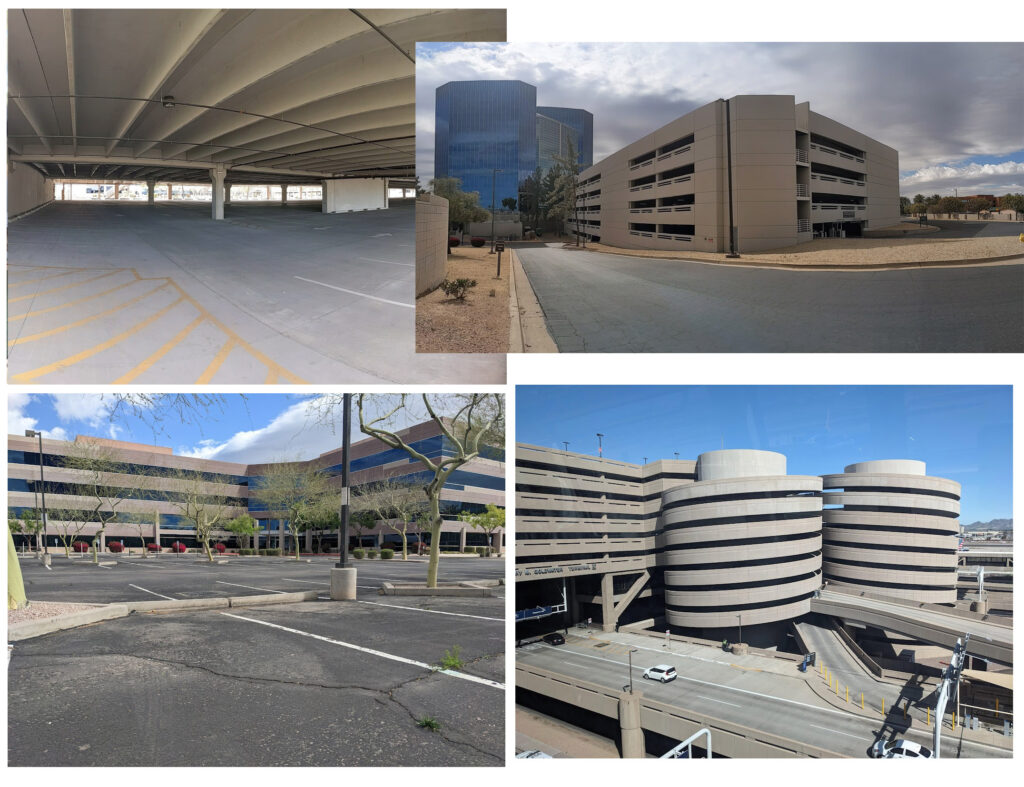
The consequences of this car-centric paradigm are far-reaching:
- Spatial Inefficiency: Entire cities, such as Phoenix, Arizona, exemplify this obsession, with infinite parking garages, vast surface lots, and multi-lane roads dominating the urban fabric, much of it underutilized during significant parts of the day. This dedication of prime real estate to inactive vehicles represents a massive opportunity cost.
- Environmental Degradation: The reliance on internal combustion engines has contributed significantly to air pollution, noise pollution, and substantial carbon emissions, exacerbating climate change and impacting local air quality.
- Public Health Crisis: Sedentary lifestyles, necessitated by driving everywhere, have contributed to rising rates of obesity and related chronic diseases. Traffic accidents remain a leading cause of injury and death, and long, stressful commutes can negatively impact mental health.
- Social Fragmentation: The absence of vibrant, walkable public spaces reduces opportunities for spontaneous social interaction, contributing to a decline in community cohesion and increased social isolation.
Culdesac Tempe: A Pioneering Model for Car-Free Living
Amidst this backdrop, innovative projects are emerging to demonstrate the viability and benefits of human-centric urban design. Culdesac Tempe, located in Arizona, stands as the United States’ first purpose-built car-free neighborhood. Conceived by founders Jeff Berens and Ryan Johnson, Culdesac aims to provide a tangible blueprint for communities where daily life flourishes without the pervasive dominance of personal automobiles.
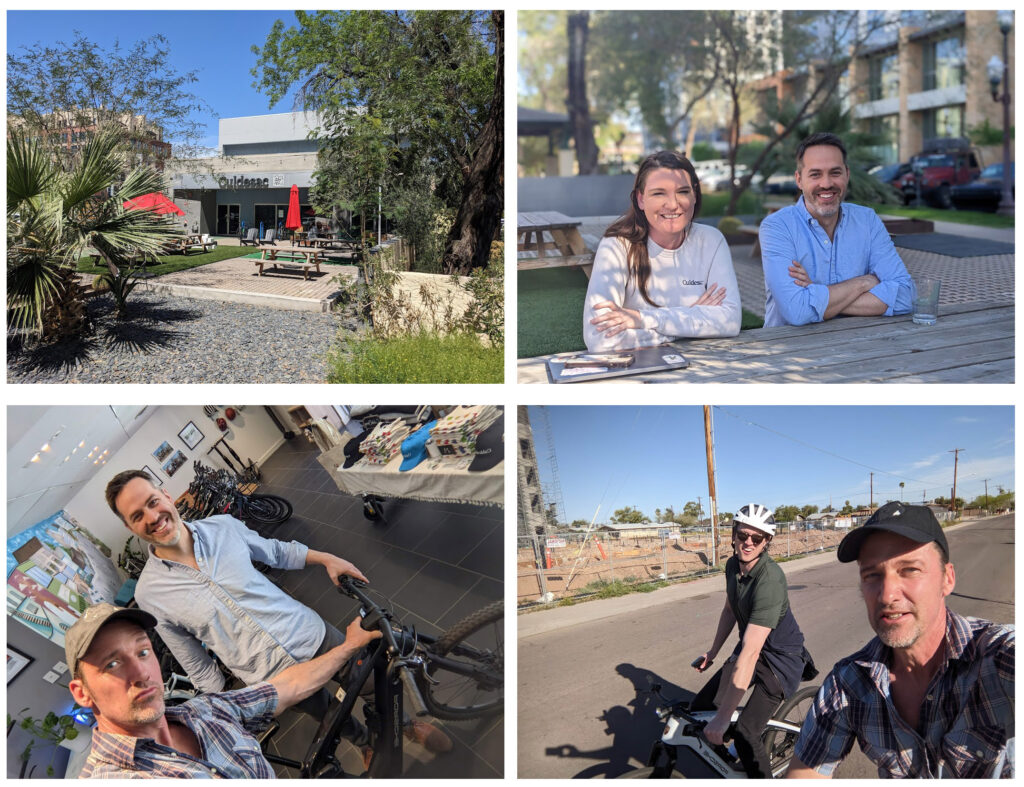
The planning for Culdesac Tempe began several years ago, navigating the complex bureaucratic landscape of city planning and zoning that often favors the status quo. The site in Tempe was strategically chosen for its proximity to Arizona State University, its direct access to a light rail line, and a climate that encourages year-round outdoor living. Construction commenced with a vision to create a dense, mixed-use community on a 17-acre parcel, which recently began welcoming its first residents.
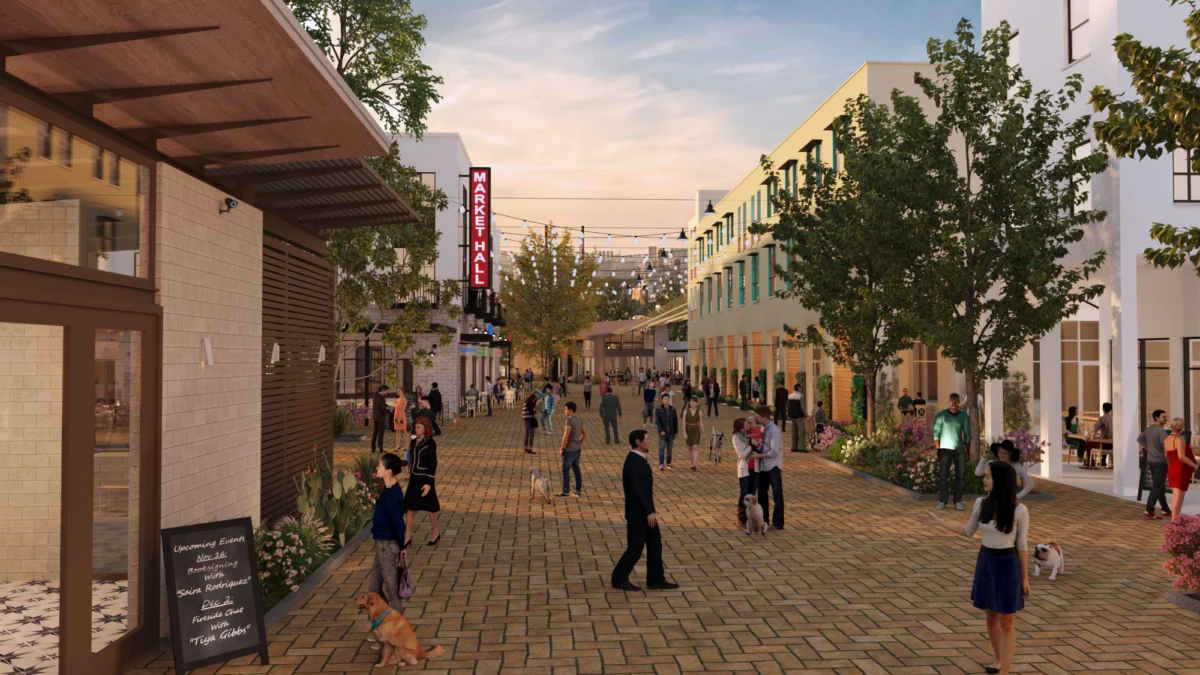
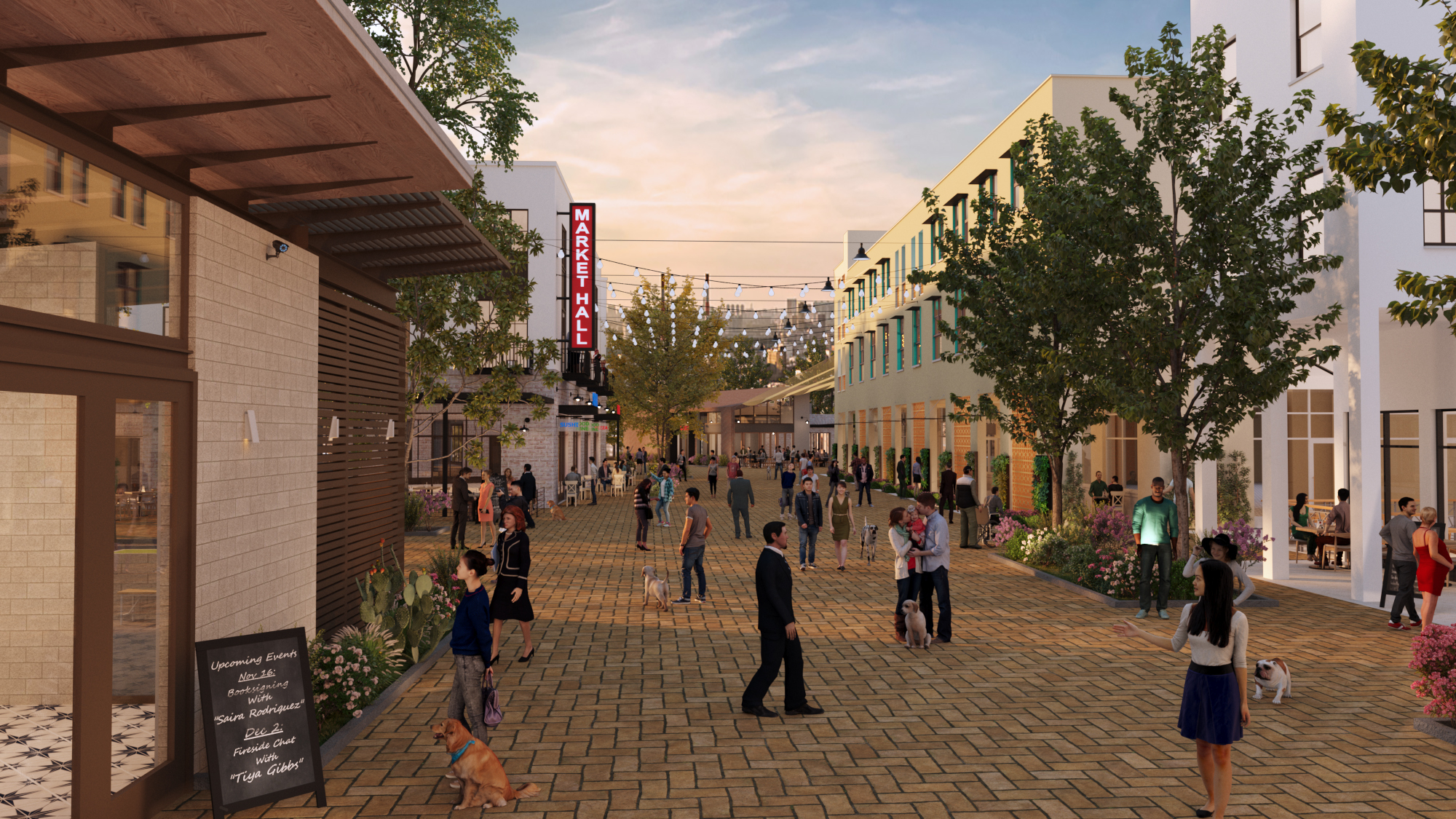
Culdesac’s design philosophy is rooted in a pedestrian-first approach. Within the core of the development, traditional roads and sprawling parking lots are absent. Instead, the space is meticulously designed with shaded paseos, vibrant courtyards, and communal plazas, encouraging walking, cycling, and social interaction. The Mediterranean-inspired architecture is not merely aesthetic; it is fundamentally climate-responsive, maximizing shade, promoting natural ventilation, and utilizing drought-resistant landscaping to create comfortable outdoor environments even in Tempe’s hot desert climate.
The neighborhood integrates a comprehensive suite of amenities and services directly into the living environment, minimizing the need for residents to travel outside. This includes:
- Retail spaces, such as a local grocery store and various cafes.
- Diverse dining options, from restaurants to bars.
- A fitness studio and co-working facilities.
- Recreational amenities like a swimming pool and a dog park.
- Ample green spaces and open areas for relaxation and community events.
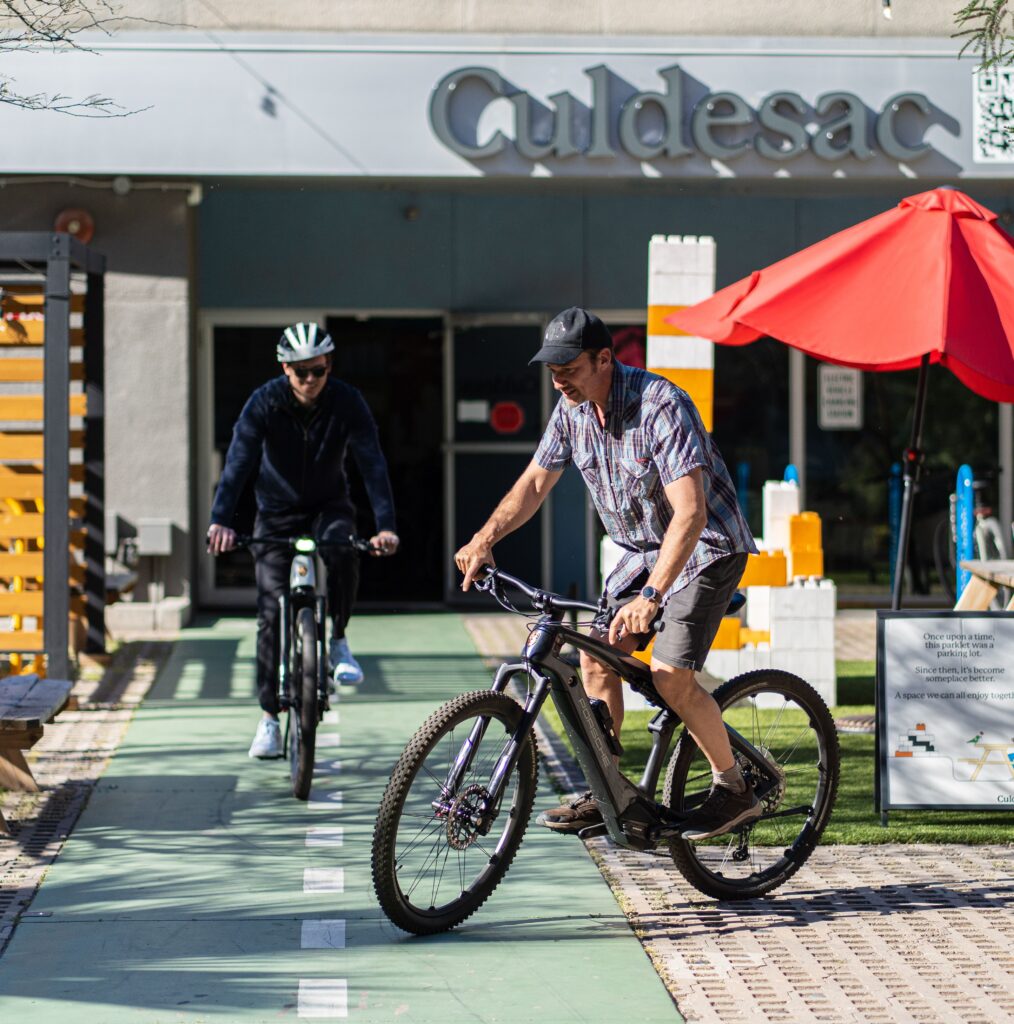
Beyond walkability, Culdesac offers a robust mobility ecosystem. Residents receive a free annual pass to the city’s light rail system, providing seamless connectivity to the wider Phoenix metro area, including the airport. A comprehensive fleet of shared electric bikes and scooters is readily available, offering convenient options for short to medium-distance travel. For longer trips or specific needs, a fleet of on-demand rideshare electric vehicles and rental cars is accessible, ensuring that residents retain flexibility without the burden of personal car ownership. Dedicated service roads and access points are discreetly integrated for deliveries, emergency vehicles, and moving purposes, ensuring essential services without disrupting the pedestrian-focused environment.
Early feedback from residents and visitors highlights the project’s success in fostering a vibrant, interconnected community. The design inherently encourages spontaneous encounters and a stronger sense of belonging, a stark contrast to the isolation often experienced in car-dependent suburbs.
Overcoming Resistance and Navigating the Future

The path to implementing such transformative urban models is fraught with challenges, primarily stemming from bureaucratic inertia and resistance to change. Long-standing zoning regulations, particularly those mandating extensive parking minimums, often present significant hurdles for developers proposing car-free or car-lite communities. Overcoming this requires persistent advocacy, extensive public education, and collaboration with forward-thinking municipal leaders. Culdesac, for instance, worked closely with the Tempe city council to secure the necessary approvals, demonstrating the compelling economic and social benefits of their innovative approach.
Common concerns raised about car-free living often include accessibility for individuals with disabilities, logistics for moving large items or groceries, and the viability of such models in diverse climates. Culdesac addresses these through universal design principles for accessibility, dedicated services for deliveries and temporary vehicle access, and a design specifically adapted to its desert climate, proving that such communities can be thoughtfully engineered for various needs. The project aims to demonstrate that these models are not niche experiments but adaptable frameworks for widespread urban renewal.
Culdesac’s vision extends far beyond its initial Tempe development. The founders envision a "master plan" to scale this model, aiming to build 100+ car-free neighborhoods across the country. Their goal is not just to create new communities but also to develop a replicable template for future developments and provide strategies for retrofitting existing car-dominated spaces. This includes the potential to transform sprawling retail parking lots into vibrant, mixed-use, walkable communities, thereby breathing new life into underutilized urban land. By proving both the financial viability and the superior quality of life offered by these developments, Culdesac seeks to accelerate a broader societal shift.

Broader Implications and a Call to Action
The implications of a widespread shift towards human-centric urban design are profound and far-reaching. Policy shifts at the municipal and national levels are crucial, including revisiting outdated zoning codes, eliminating parking minimums, and actively incentivizing mixed-use, transit-oriented development. Investment opportunities abound in car-free infrastructure, active transportation networks, and the creation of green, livable urban spaces.
Environmentally, this transition promises significant reductions in carbon emissions, improved air quality, and the conservation of natural resources. From a public health perspective, it heralds a national movement towards more active lifestyles, with corresponding reductions in the burden of chronic diseases. Socially, it offers the promise of community revitalization, fostering more equitable, inclusive, and interconnected spaces for all residents.
The shift is not merely about removing cars; it is about fundamentally enhancing the human experience and unlocking immense economic and social prosperity for generations to come. Projects like Culdesac Tempe serve as vital living laboratories, demonstrating the tangible benefits of this transformative vision. The stakes could not be higher, making advocacy, education, and active participation in shaping urban policy essential for realizing this future. As proponents argue, understanding and embracing these ideas around city planning represents an economic and social awakening, revealing a path to unprecedented win-win synergy and a vastly improved quality of life for all.

