
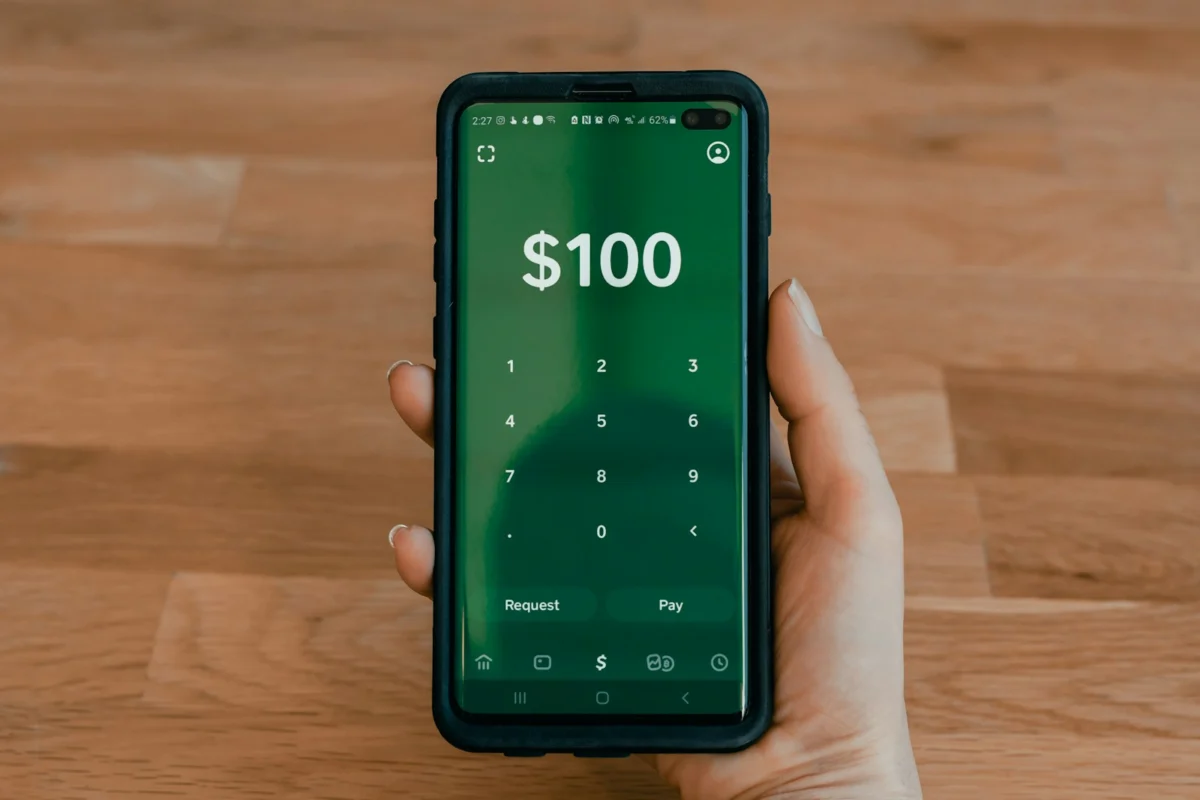
For individuals under 30 grappling with the realities of a tight financial landscape, the concept of a bank account perpetually on a "starvation diet" is an increasingly common experience. This generation finds itself navigating an economic environment where supplementary income is not merely a luxury but often a necessity, propelling a significant surge in the adoption of side hustles. The gig economy, valued at an estimated $556.7 billion in 2024, is on a trajectory to triple its current size by 2032, underscoring a fundamental shift in how individuals, particularly young adults, approach work and financial stability.
The Economic Imperative for a New Generation
The financial pressures confronting Gen Z and Millennials are multifaceted and profound. Many entered the workforce during periods of economic uncertainty, compounded by the escalating burden of student loan debt, which collectively stands at over $1.7 trillion in the United States. Coupled with persistently high inflation, rising costs of living, and wages that often struggle to keep pace, the traditional path of a single full-time job proving sufficient for financial security has become increasingly elusive. This confluence of factors has normalized the pursuit of additional income streams. Data from Whop (2024) reveals that nearly half of Gen Z (48%) engaged in a side hustle in 2024, a figure closely mirrored by Millennials at 44%. More broadly, a SurveyMonkey poll indicates that a striking 44% of all Americans report needing a side hustle simply "to get by," highlighting the pervasive nature of this economic reality beyond just younger demographics.
This environment has fostered a demand for flexible income-generating opportunities that do not require extensive experience, significant upfront capital, or an exhaustive time commitment. Young adults, often juggling primary employment, academic pursuits, and personal responsibilities, require solutions that integrate seamlessly into their already demanding schedules. App-based micro-task platforms have emerged as a primary answer to this need, offering accessible avenues to earn real cash or gift cards through activities that can be performed during spare moments.
The Evolving Landscape of Supplemental Income
The concept of supplemental income is not new, but its manifestation has undergone a dramatic transformation with the advent of digital platforms. Historically, side jobs might have involved traditional part-time roles, freelance services requiring specialized skills, or manual labor. The digital revolution, however, has democratized access to earning opportunities, moving beyond the need for a physical presence or a highly specialized skill set. The rise of smartphones and ubiquitous internet access has paved the way for the "micro-task" economy, where individuals can monetize small increments of their time and attention.
This shift began to gain significant traction in the early 2010s with the proliferation of survey sites and early cashback programs. Over the past decade, the ecosystem has matured, with platforms diversifying into gaming, watching videos, and even scanning receipts. This evolution reflects a growing understanding by technology companies of the demand for low-barrier entry points into the gig economy, catering specifically to users who prioritize flexibility and convenience over high hourly wages. The ability to earn during a commute, between classes, or while watching television has become a powerful draw for a generation seeking to optimize every available minute.
Methodology: Identifying Viable Earning Platforms
In evaluating the myriad of apps promising supplementary income, a rigorous methodology is essential to distinguish legitimate, user-friendly platforms from less reliable options. The focus for this analysis was squarely on the needs of beginners under 30, prioritizing criteria that address their specific constraints and aspirations. The key factors considered included:
- Accessibility: Is the app free to start, requiring no upfront investment? This is crucial for individuals with limited disposable income.
- Flexibility: Can tasks be completed on one’s own schedule, without rigid commitments? This caters to those juggling multiple responsibilities.
- No Special Skills Required: Are the earning activities intuitive and accessible to a broad user base, or do they demand specialized expertise?
- Payout Reliability: Do platforms offer consistent and transparent payout mechanisms, whether in cash or readily usable gift cards?
- User Experience: Is the app interface intuitive, making it easy to navigate and understand earning opportunities?
- Reputation and Longevity: Does the platform have a proven track record and positive user reviews, minimizing the risk of time wasted on illegitimate schemes?
This discerning approach ensures that the recommended apps align with the practical realities of young adults seeking to bolster their finances without adding undue complexity or risk. The following platforms represent a selection vetted against these stringent criteria, offering genuine opportunities for incremental earnings.
Top App-Based Earning Platforms for Beginners
-
KashKick – Real Cash for Games, Surveys, and Offers
KashKick distinguishes itself by paying users in actual dollars rather than a points system, providing immediate clarity on earnings. This "get-paid-to" platform has rapidly expanded its user base to over 3.5 million individuals, disbursing a remarkable $12 million in 2025 alone. Its parent company, Besitos Corporation, was recognized on the 2025 Inc. 5000 list as the 22nd fastest-growing private company in the U.S., boasting an astounding 8,151% revenue growth over three years. This speaks to the platform’s robust operational foundation and rapid market acceptance. With a low $10 minimum cashout threshold via PayPal or Venmo and no associated fees, KashKick offers a highly accessible entry point for beginners. It is particularly well-suited for individuals seeking direct cash payouts for engaging in casual games, completing surveys, and responding to various offers. However, users outside the U.S. or those uncomfortable with ID verification processes may find it less ideal. -
Swagbucks – The All-in-One Rewards Platform
As one of the internet’s most established and largest rewards sites, Swagbucks has built a reputation for reliability over many years. It operates on a points-based system (SB points) that users accumulate through a diverse array of activities, including taking surveys, watching videos, playing casual games, and earning cashback on online shopping. Available across web, Android, and iOS, Swagbucks offers unparalleled flexibility for earning on the go. Its comprehensive ecosystem makes it ideal for users who enjoy a varied approach to earning and are comfortable with a points system that can be redeemed for a wide selection of gift cards or PayPal cash. While versatile, those prioritizing the highest hourly rate or a direct cash-only model might find its points system less appealing. -
Mistplay – Earn Gift Cards by Playing Mobile Games
Mistplay capitalizes on the pervasive habit of mobile gaming, transforming screen time into tangible rewards. Operating as a loyalty program for gamers, it has distributed over $150 million in gift cards to more than 10 million users since its inception in 2016. The app is entirely free to use, requires no in-app purchases, and does not involve any wagering—users simply play games and accumulate units. This platform is a natural fit for Android gamers who wish to monetize their existing leisure activity. The primary limitation is its exclusivity to Android devices, meaning iOS users will not have access to its specific game library and earning opportunities. -
Rakuten – Passive Cashback on Everyday Shopping
Rakuten offers a remarkably passive way to earn money by integrating cashback into users’ existing online shopping habits. Partnering with over 3,500 retailers, Rakuten claims to have saved shoppers in excess of $3.5 billion. The process is straightforward: users activate the Rakuten browser extension or app before making online purchases, and a percentage of their spending is automatically accumulated as cashback. This platform is perfect for consistent online shoppers who desire a hands-off approach to earning. Its earning potential directly scales with online spending, making it less beneficial for those who rarely shop on the internet. -
Survey Junkie – Straightforward Paid Surveys
Survey Junkie adheres to a simple, focused model: users share their opinions through surveys for market research purposes and are compensated for their time. Serving millions of members in the U.S., its appeal lies in its directness and ease of use. A low $5 minimum payout makes it an accessible entry point for individuals testing the waters of survey-based side hustles. This platform is ideal for beginners who appreciate a no-frills survey tool and quick cashout options. However, those seeking a more diverse range of earning activities beyond surveys or who prefer game-based rewards may find it limited. -
InboxDollars – Cash Rewards for Videos, Emails, and Surveys
InboxDollars distinguishes itself by paying out in actual cash rather than points, eliminating any ambiguity about earned value. The platform offers a variety of micro-tasks, including reading emails, watching videos, playing games, and taking surveys, with users seeing a real dollar amount accrue. A notable incentive is the $5 sign-up bonus provided to new members. InboxDollars is well-suited for users who prefer direct cash payouts and appreciate a sign-up bonus. The main consideration is its $30 PayPal cashout threshold, which is higher than some competitors, potentially making it less attractive for those desiring quicker, smaller payouts. -
Ibotta – Grocery Cashback Made Easy
Ibotta transforms routine grocery shopping into an earning opportunity. Users browse rebates within the app, purchase eligible branded products at participating stores, and then scan barcodes and their receipt to claim the rebate. Credits are typically applied to the user’s account within 24-72 hours. This app is highly beneficial for regular grocery shoppers who frequently purchase branded items and are comfortable with the brief process of scanning barcodes and receipts. Conversely, individuals who primarily buy generic brands or find receipt scanning cumbersome might not find it as rewarding. -
Fetch Rewards – Scan Any Receipt, Earn Points
Fetch Rewards offers an even simpler approach to receipt-based earning. Users earn points by simply snapping a photo of any grocery, gas, or retail receipt, without the need to pre-select specific offers. While a base amount is earned for any receipt, linking purchases of partnered brands significantly boosts point accumulation. Users commonly accumulate enough points for a $5 gift card within approximately two weeks. This platform is excellent for low-effort earners who want to be rewarded for receipts they already possess. However, those who prioritize cash over gift cards or are looking for higher per-receipt earning potential may seek other options.
Managing Expectations and Maximizing Returns
While the allure of easy money through apps is strong, it is crucial for users to approach these platforms with realistic expectations. The income gap within the side hustle economy is significant: SurveyMonkey data indicates that while the average side hustle brings in $885 a month, the median income is considerably lower, at just $200. This disparity highlights that a few high earners can skew the average. App-based earnings generally fall towards the lower end of this spectrum and are designed to supplement, not replace, a full-time paycheck.
Many young gig workers initially perceive these avenues as a primary income source, but the vast majority ultimately utilize them to augment existing earnings. It also takes time to develop a rhythm and understand which opportunities yield the best returns; profitability often requires an investment of 3 to 6 months to truly optimize earning strategies.
Several factors can influence earning potential:
- Availability of High-Value Offers: This can fluctuate significantly based on geographical location, demographic profile, and current market research demands.
- Survey Screen-Outs: Users will inevitably encounter instances where they begin a survey only to be deemed ineligible, resulting in no compensation for their time. This is a common frustration across survey platforms.
- Platform Requirements: Many platforms necessitate ID verification, location access, or an active email address before cashouts can be processed. Users should weigh their comfort level with these privacy and data-sharing requirements.
To maximize earnings, users are advised to be strategic. Instead of spreading oneself too thin across numerous apps, it is often more effective to focus on one or two platforms that align best with personal habits and offer consistent opportunities. Setting a modest weekly or monthly earning target can help maintain motivation without creating undue pressure.
Broader Implications: The Future of Work and Personal Finance
The widespread adoption of app-based side hustles carries broader implications for the future of work and personal finance, particularly for younger generations. These platforms serve as accessible entry points into the digital economy, potentially fostering a greater sense of financial autonomy and entrepreneurial spirit among young adults. They can also contribute to practical financial literacy by exposing users to the concepts of income generation, budgeting for variable earnings, and the value of incremental savings.
However, the proliferation of micro-task work also raises questions about work-life balance. While offering flexibility, the constant availability of earning opportunities can blur the lines between leisure and labor, potentially leading to an "always-on" mentality where free time is perpetually viewed as monetizable. This could inadvertently contribute to burnout if not managed effectively.
From a labor market perspective, these apps represent a significant segment of the evolving gig economy, influencing how companies engage with a flexible workforce. While most micro-task platforms do not involve the same level of debate around worker classification and benefits as ride-sharing or delivery services, they are part of a larger trend challenging traditional employment models. The digital economy continues to create new categories of work, making it easier for individuals to participate in the labor force on their own terms, albeit often with fewer traditional protections.
Final Take – Small Starts, Real Money
The array of app-based platforms available today provides low-risk, zero-upfront-cost on-ramps into the dynamic world of side hustles. With 72% of Americans either currently engaged in or considering a side gig, and Gen Z leading the charge with 34% participation (Bankrate), these tools are not just fleeting trends but integral components of modern financial strategy.
The key to success lies in strategic engagement. By selecting one or two apps that seamlessly integrate into existing daily routines – whether that involves casual gaming, scanning receipts, or providing opinions through surveys – individuals can establish sustainable, supplementary income streams. Setting modest, achievable weekly targets and avoiding the temptation to overcommit across too many platforms will ensure that these side hustles remain a beneficial financial aid rather than an additional burden. These small starts, diligently pursued, can indeed translate into real, tangible money that helps bridge the gap between economic aspirations and current financial realities.

