
The simple act of creating a to-do list within a bullet journal can be a powerful catalyst for enhanced organization and productivity. This versatile tool, adaptable to individual needs and preferences, offers a structured yet flexible approach to managing daily, weekly, and monthly tasks. By categorizing, prioritizing, and visualizing responsibilities, individuals can navigate their workloads more effectively, reduce feelings of overwhelm, and make consistent progress toward their objectives.
The efficacy of a well-designed to-do list lies in its ability to bring order to complexity. In an era characterized by constant demands and information overload, the bullet journal’s to-do list format serves as a critical anchor. It transforms amorphous lists of tasks into actionable items, providing a clear roadmap for the day, week, or month ahead. The flexibility of the bullet journal system allows for various implementations, from minimalist checklists to elaborate, color-coded systems, ensuring that anyone can find a method that resonates with their personal planning style.
The Foundational Power of To-Do Lists
At its core, a to-do list is a fundamental tool for task management. Its simplicity belies its profound impact on an individual’s ability to achieve goals. When integrated into a bullet journal, this practice gains additional layers of customization and personalization. The bullet journal’s inherent adaptability means that a to-do list can be tailored to fit any lifestyle, workflow, or personal aspiration. Whether the goal is to streamline daily chores, manage complex project timelines, or simply ensure that important personal errands are not forgotten, the bullet journal to-do list offers a robust solution.
The versatility of these lists is a key factor in their widespread adoption. Users can organize tasks by priority, allowing them to tackle the most critical items first. Alternatively, tasks can be grouped by time of day, project, or even by energy level required, facilitating a more efficient allocation of mental and physical resources. The addition of color-coding further enhances this organizational capability, providing a visual cue for different task categories, urgency levels, or areas of focus. This immediate visual feedback can significantly streamline the planning and execution process.
Creative Implementations for Enhanced Productivity
The following section delves into various creative and effective ways to incorporate to-do lists into a bullet journal. By exploring different layouts and methodologies, individuals can discover new strategies to optimize their productivity and maintain a high level of organization. Each approach offers a unique perspective on task management, catering to diverse planning preferences and needs.

1. The Simplicity of a Standard To-Do Planner Page
For many, the most straightforward and effective method is a simple to-do list. This foundational spread allows for a direct and uncluttered approach to task management. Whether one prefers a minimalist design with just a title and bullet points or a more structured layout with checkboxes and due dates, a basic to-do list page in a bullet journal can be an incredibly powerful tool. It serves as a central repository for all tasks, ensuring that nothing is overlooked. The act of writing down tasks can also reinforce commitment and improve recall, making it easier to stay on track.
2. Harnessing Color-Coding for Visual Clarity
Color-coding can transform a standard to-do list into a dynamic and visually intuitive system. By assigning specific colors to different categories of tasks—such as work-related items, personal errands, urgent matters, or optional activities—users can gain an immediate understanding of their workload at a glance. For instance, a common approach might involve using red for high-priority or urgent tasks, yellow for essential but less time-sensitive items, and blue for tasks that can be tackled when time permits. This visual categorization not only aids in prioritization but also makes the planning process more engaging and less daunting. The strategic use of color can significantly reduce the cognitive load associated with planning and task selection.

3. Prioritization Framework: Must Do, Should Do, If I Have Time
A common challenge in task management is effectively prioritizing what needs to be done. The "Must Do – Should Do – If I Have Time" format offers a structured solution to this problem. This approach divides tasks into distinct categories based on their urgency and importance. "Must Do" items are the non-negotiable tasks that require immediate attention. "Should Do" tasks are important but can be deferred if necessary. Finally, "If I Have Time" tasks are those that are desirable but not essential, serving as opportunities for productive engagement when primary responsibilities are met. This tiered system ensures that critical tasks are addressed first, while still acknowledging other important activities, preventing a feeling of being overloaded.
4. Streamlined Prioritization: Must Do – Should Do
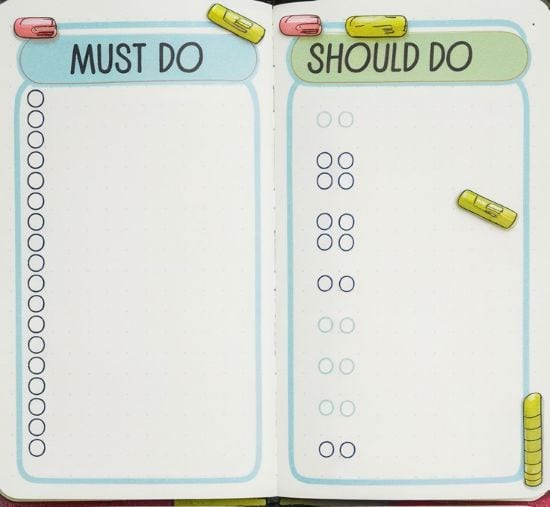
For those who prefer a more focused approach to prioritization, the "Must Do – Should Do" format can be particularly effective. By eliminating the "If I Have Time" category, this method concentrates solely on tasks that are essential and important. This can be beneficial for individuals who tend to overcommit or who need a more stringent framework to ensure that their most crucial responsibilities are met. This streamlined approach helps to cut through the noise and focus on the core elements of the day or week’s agenda.

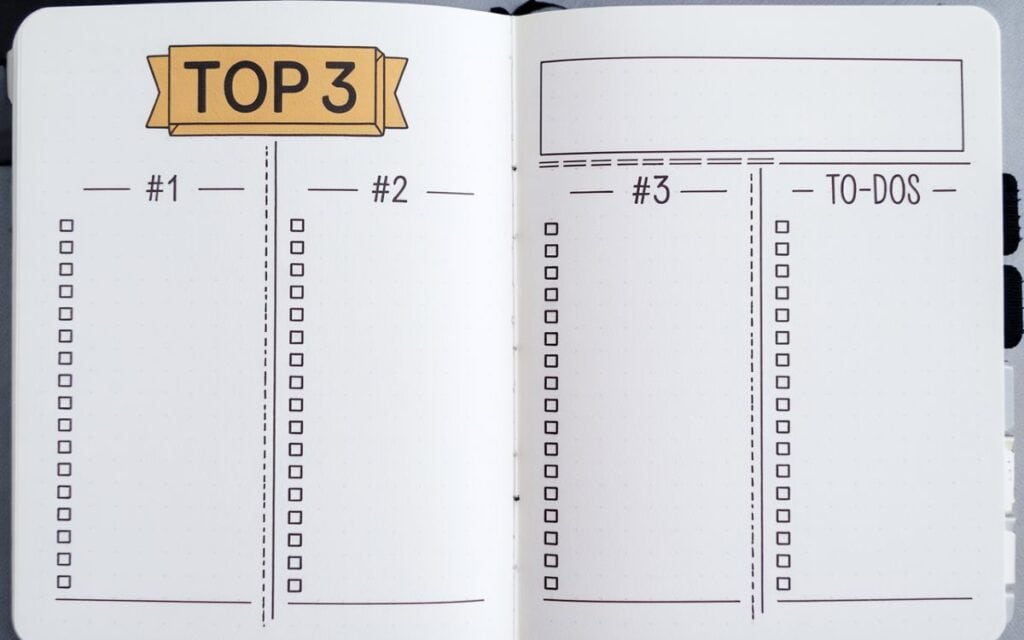
5. The Power of the Daily Top 3
The "Daily Top 3" method is a highly effective strategy for maintaining focus and avoiding the feeling of being overwhelmed by an extensive to-do list. This approach centers on identifying and committing to completing the three most important tasks of the day. By limiting the focus to a manageable number of high-impact activities, individuals can ensure that they are making meaningful progress on their most significant goals. This method can be implemented as a standalone spread or integrated into daily planning pages. The clarity and focus provided by the "Daily Top 3" can lead to a greater sense of accomplishment and momentum.
Adapting To-Do Lists for Different Planning Horizons
The temporal scope of planning—daily, weekly, or monthly—significantly influences the structure and content of a to-do list. Recognizing this, bullet journaling offers a range of layouts designed to accommodate these different planning horizons, ensuring that users can effectively manage tasks at any timescale.
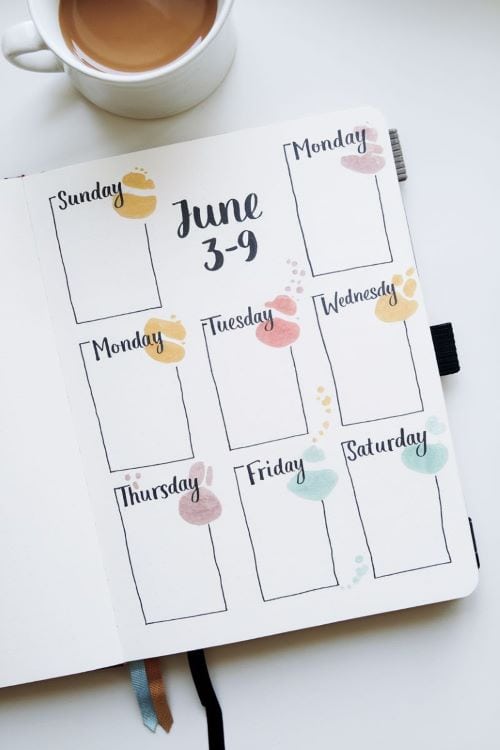
6. Comprehensive Weekly To-Do List Spreads
A weekly spread that incorporates daily to-do lists provides a holistic view of the week’s commitments. This layout allows for the breakdown of larger tasks into daily actions and ensures that daily priorities are aligned with overarching weekly goals. Such a spread often includes sections for each day, allowing for the listing of specific tasks, appointments, and reminders. This integrated approach to weekly planning helps in managing time more effectively and in maintaining a consistent workflow throughout the week.
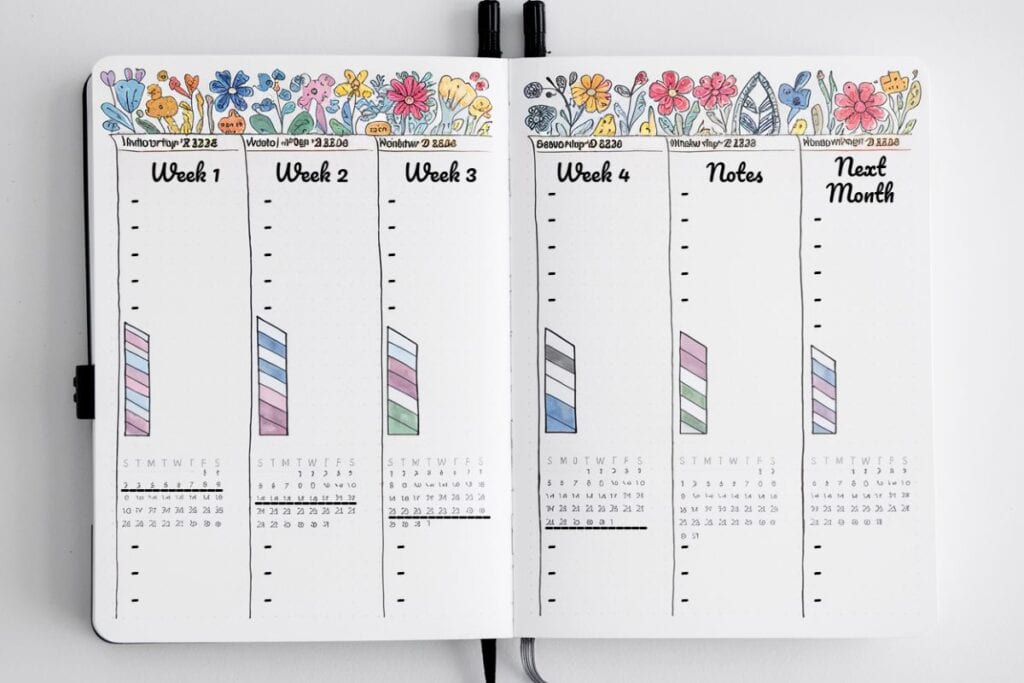
7. Monthly Overview with Weekly Task Integration
For a broader perspective, a monthly spread that integrates weekly task planning can be invaluable. This format allows users to see upcoming deadlines, appointments, and major tasks for the entire month, while also providing space to detail weekly objectives. This high-level view is crucial for long-term project management and for anticipating potential conflicts or periods of high workload. By linking monthly goals to weekly actions, individuals can ensure that their day-to-day efforts are consistently contributing to their larger aspirations.
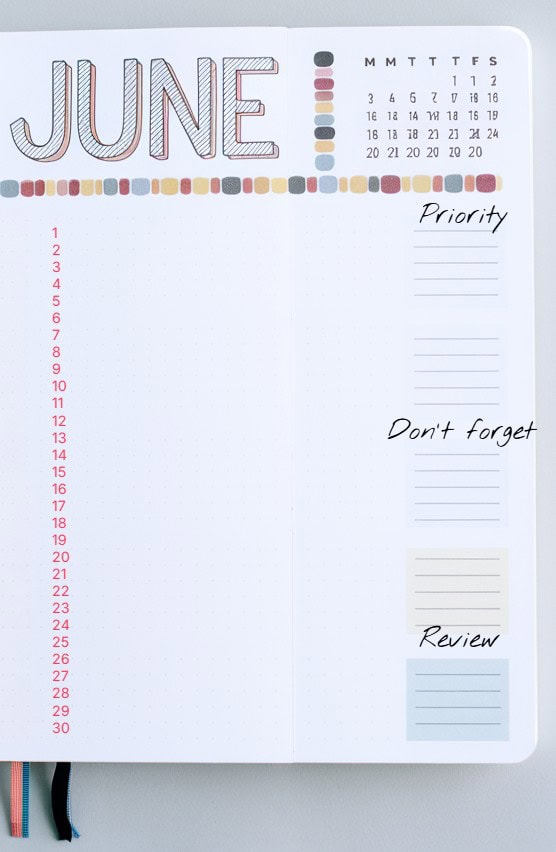
8. Strategic Monthly To-Do List Layouts
A dedicated monthly to-do list spread offers a consolidated view of all tasks and goals for the month. This layout typically features a calendar-style format or a simple list where tasks can be written down and tracked. It serves as a central hub for monthly planning, allowing users to allocate tasks to specific days or simply keep a running list of what needs to be accomplished. This comprehensive overview is essential for effective long-term planning and for ensuring that no important monthly objectives are overlooked.
Routines and Recurring Tasks: Building Consistency
Routine tasks, whether personal or professional, form the backbone of many productive lives. However, they can easily be forgotten amidst the flurry of more urgent demands. Dedicated bullet journal spreads for routine tasks are essential for building consistency and accountability.
9. Time-Block Scheduling for Task Completion
For individuals who thrive on structure and need to allocate specific time slots for tasks, a time-based to-do list is ideal. This approach involves assigning specific time blocks to various activities, ensuring that each task receives adequate attention. This method is particularly useful for managing demanding schedules or for individuals who find it challenging to self-regulate their time. By pre-determining when each task will be addressed, users can minimize procrastination and maximize their efficiency.
10. Tracking Weekly Recurring Responsibilities
A spread dedicated to recurring weekly tasks is instrumental in establishing consistent habits. This layout typically involves listing recurring chores or responsibilities in a column and providing checkboxes for each week of the month. As each task is completed, the corresponding box is checked, providing a visual record of consistency and progress. This method is highly effective for maintaining household management, personal care routines, or regular work-related duties.
11. Managing Rotating Weekly Tasks
In many roles or personal situations, weekly tasks can vary significantly. For such scenarios, a flexible "Weekly Rotating Tasks" spread is highly beneficial. This layout allows users to write in the specific tasks for each week as they arise, rather than relying on a static list. This adaptability ensures that the to-do list remains relevant and useful, regardless of changing weekly demands. By providing space to jot down current priorities, this spread supports agile task management.
12. Project Planning: Breaking Down Large Goals
Long-term projects can often feel daunting, making it difficult to know where to start. A project planner to-do list in a bullet journal is designed to address this challenge by breaking down large, complex projects into smaller, more manageable steps. This can involve outlining key milestones, prioritizing sub-tasks, or setting deadlines for individual components. By segmenting projects into achievable stages, individuals can maintain momentum, track progress effectively, and reduce the psychological barrier associated with large undertakings. This structured approach fosters a sense of control and accomplishment throughout the project lifecycle.
The Enduring Value of Bullet Journal To-Do Lists
In conclusion, the bullet journal to-do list is far more than a simple checklist; it is a dynamic tool that fosters clarity, mitigates overwhelm, and drives consistent progress toward personal and professional goals. The beauty of this approach lies in its inherent flexibility, allowing individuals to tailor their systems to their unique needs. Whether one gravitates towards minimalist layouts, vibrant color-coding, or intricate project planning, the key to success lies in finding a method that resonates and committing to its consistent application.
The bullet journal, through its to-do list functionality, becomes a reflection of an individual’s time management strategies, their ability to prioritize effectively, and their commitment to building productive habits. By encouraging experimentation with different layouts and approaches, bullet journaling empowers users to refine their methods and harness the full potential of this versatile planning system. Ultimately, the most effective bullet journal pages are not necessarily the most aesthetically pleasing, but rather those that empower users to organize their lives, take decisive action, and successfully accomplish their objectives. The principle of "getting things done" is at the heart of this practice, transforming aspirations into tangible achievements.

