
A recent critique from a long-time follower of the Financial Independence, Retire Early (FIRE) movement has sparked a significant discussion regarding the applicability of its foundational principles in the current economic landscape, particularly concerning housing costs and income disparities. The commentary, initially directed at prominent FIRE blogger Mr. Money Mustache (MMM), highlights a perceived disconnect between historical FIRE success stories—often rooted in high tech salaries and pre-2019 affordable housing—and the realities faced by individuals navigating a post-pandemic world marked by surging property values and elevated interest rates. This challenge prompts a deeper examination of FIRE’s adaptability and the enduring relevance of its core tenets, particularly the emphasis on strategic spending and the often-overlooked power of geographical flexibility.
The Evolving Landscape of Financial Independence
The FIRE movement, which gained significant traction in the early 21st century, advocates for aggressive saving and investing to accumulate sufficient capital to live off passive income, thereby achieving early retirement. Proponents typically aim for a savings rate of 50-70% of their income, often achieved through meticulous budgeting, frugal living, and strategic investment. Over the years, the movement has seen various iterations and criticisms, with some observers periodically declaring its principles "obsolete" amidst economic shifts such as market downturns, inflationary pressures, or periods of wage stagnation. However, proponents, including MMM, consistently argue that the fundamental principles of living below one’s means and minimizing waste remain timeless.
The recent criticism posits that much of the advice dispensed by early FIRE advocates, many of whom did indeed benefit from lucrative tech careers and more accessible housing markets before 2019, is no longer viable for the average individual. Specific concerns raised include the difficulty of achieving a six-figure salary, the prohibitive cost of homeownership, and the complexity of "house hacking" or converting properties into Accessory Dwelling Units (ADUs) due to current prices, interest rates, and restrictive local zoning ordinances. For many, the dream of buying a "fixer-upper" or leveraging real estate for financial gain seems increasingly out of reach.

Analyzing the Economic Pressures: Income and Housing
Mr. Money Mustache, in his detailed response, acknowledges two primary points of concern: the historical prevalence of high salaries among early FIRE practitioners and the dramatic increases in housing prices and interest rates since 2019. While he concedes that some professions inherently offer higher earning potential, he emphasizes that merely increasing income without addressing spending habits is often futile. He points to numerous examples of high-earning professionals—such as software engineers and doctors—who, despite decades of substantial income, still experience financial stress due to extravagant spending, underscoring the core Mustachian belief that waste reduction is paramount regardless of income level. This philosophy suggests that optimizing spending habits can yield significant financial gains, even for those on more modest incomes.
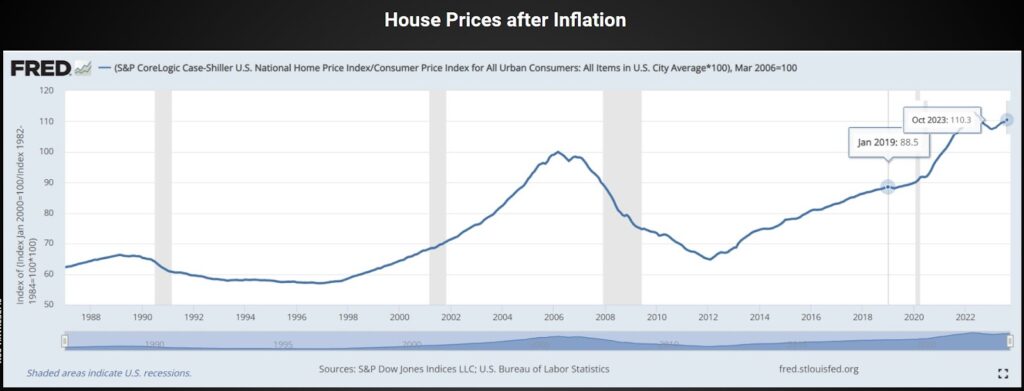
The most acute point of contention revolves around housing. The period since 2019 has witnessed an unprecedented surge in real estate values across many developed nations, exacerbated by low interest rates during the pandemic, increased demand, and supply chain issues impacting construction. Data from the St. Louis Federal Reserve (FRED) provides a clear quantitative perspective on this trend. Inflation-adjusted U.S. house prices have indeed risen approximately 25% since the beginning of 2019. While this represents a substantial increase over a short period, it is notable that these prices are only about 10% higher than the previous peak in early 2006, nearly two decades ago. This broader historical context suggests that while the recent surge is significant, the market has experienced similar, albeit slower, appreciation cycles in the past.
However, national averages often mask severe regional disparities. Local markets, particularly desirable urban and suburban areas, have experienced far more dramatic increases. For instance, Longmont, Colorado, a city cited in the discussion, has seen its median home price soar to $540,000, roughly triple the price observed in 2011. This exponential growth far outstririps average salary increases in the region, placing homeownership significantly out of reach for many average-income earners in such locations. These localized pressures validate the reader’s concerns, highlighting that the "average" experience may not reflect the acute challenges in high-demand areas.
The Mustachian Solution: Strategic Relocation and Data-Driven Choices
In response to these challenges, the Mustachian philosophy champions a shift away from a "victim mentality"—where external forces dictate financial outcomes—towards embracing personal agency and strategic decision-making. Housing, like any other commodity, is subject to supply and demand, resulting in a wide spectrum of prices. The core argument is that one’s geographical ties, while often strong, should not preclude rational economic analysis. The choice of where to live, whether to rent or buy, and whether to pursue "house hacking" strategies, should be informed by comprehensive data rather than solely by emotional attachment or fear of change.
This approach necessitates a critical evaluation of one’s current location. Just as a consumer would compare prices for different models of a car, a potential homeowner or renter is encouraged to analyze housing costs relative to local amenities and personal preferences. This might involve looking beyond one’s immediate city or even country. The argument posits that an irrational fear of relocation contributes to distorted housing markets, with exorbitant prices in some areas contrasting sharply with affordability in others. This disparity, though challenging, also presents opportunities for those willing to be geographically flexible.
Leveraging Data for Informed Decisions
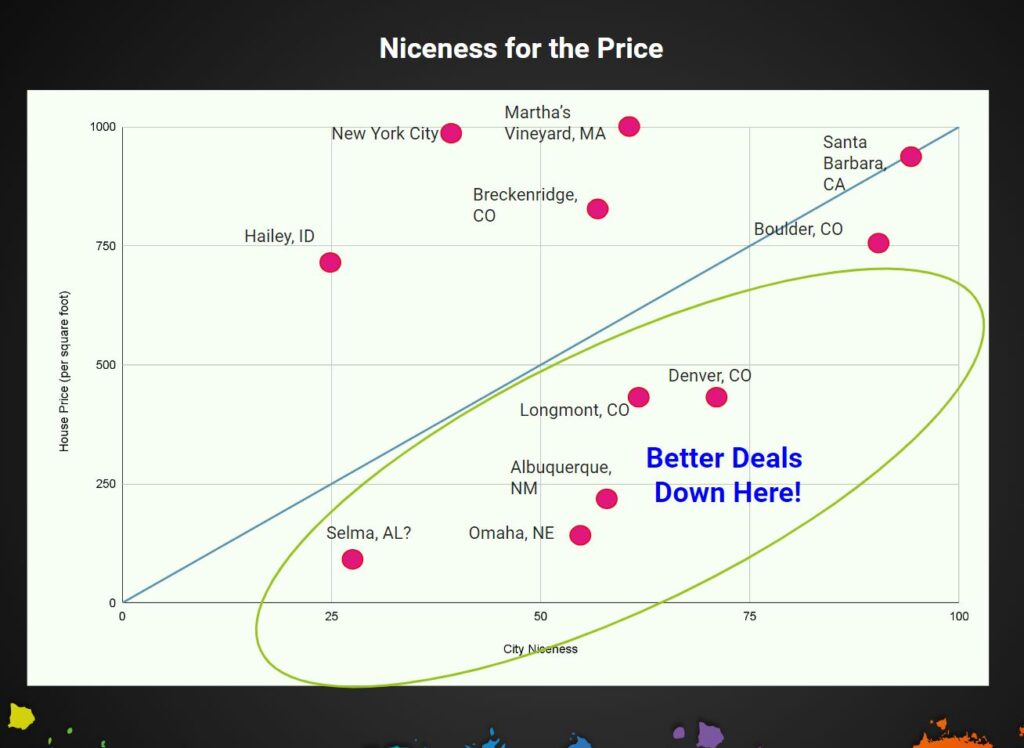
To facilitate such strategic decision-making, several powerful tools are available. The St. Louis Fed’s database, for instance, offers extensive information on the top 1,000 metro areas, including critical metrics like price per square foot. By analyzing this data, individuals can compare the cost-effectiveness of different locations based on their perceived "desirability" or quality of life factors. For example, if Longmont, Colorado, boasts an average of $450 per interior square foot, a comparative analysis might reveal cities like Albuquerque offering significantly lower costs, or Denver providing a potentially "nicer life" at a similar price point. Even within a high-cost region, a city like Boulder, while more expensive, might be deemed worth the premium by some for its enhanced amenities.
Beyond U.S. domestic markets, platforms like "The Earth Awaits," developed by FIRE bloggers, offer a global perspective on cost of living. This tool allows users to input specific criteria—such as geographic area, monthly budget, family size, apartment type, and climate preferences—to generate a list of potential locations worldwide. For example, a search for a two-bedroom apartment outside a city center in North America, with a monthly budget up to $6,000 and January lows not colder than 10°F, might yield options like Fayetteville, Arkansas; Columbia, Missouri; Athens, Georgia; or Chattanooga, Tennessee. The site also provides population data, offering insights into the general "feel" of a city, enabling users to prioritize locations that align with their preferred urban or suburban environment. The ability to compare housing costs, local amenities, and quality of life across diverse locations empowers individuals to make choices that optimize their financial well-being and personal happiness.
Further analysis, such as comparing the cost per square foot in major metropolitan areas like Phoenix ($272) and Denver ($299), reveals that while there may be slight differences, intra-city variations often outweigh regional averages. This underscores the importance of granular research and considering factors beyond just price, such as climate, access to nature, and urban infrastructure.
Embracing Global Opportunities
The concept of geographical flexibility extends beyond national borders. Exploring international options, particularly in regions like South America, can reveal dramatically lower costs of living without necessarily compromising on quality of life. For instance, a similar search on "The Earth Awaits" for South American cities might present numerous options with significantly reduced housing and overall living expenses. While moving to a new country introduces complexities related to citizenship, visas, laws, and cultural adjustments, these are framed as "Adulting Puzzles"—challenges that, while potentially daunting, are manageable with research and effort. The long-term benefits of a dramatically lower cost of living or an improved quality of life often far outweigh the temporary "hassle" of relocation. This perspective challenges the ingrained societal notion of remaining rooted, advocating instead for a dynamic approach to living that prioritizes personal fulfillment and financial prudence.
Implications for the Future of FIRE
The ongoing debate about FIRE’s relevance in a changing economy underscores its dynamic nature. While the specifics of financial strategies may evolve, the underlying principles of conscious consumption, waste reduction, and strategic financial planning remain robust. The current economic climate, particularly concerning housing, reinforces the importance of geographical mobility as a powerful lever for achieving financial independence. It encourages individuals to view their physical environment not as an unchangeable given, but as a critical choice influencing their financial trajectory and overall happiness.
By adopting a data-driven, open-minded approach to location, individuals can unlock opportunities that might otherwise seem unattainable. This includes not only seeking out more affordable regions but also optimizing their living situation within their current city—for instance, by moving closer to work or vital community resources to reduce transportation costs and enhance daily life. The emphasis shifts from merely accumulating wealth to strategically deploying resources to maximize life satisfaction and achieve financial freedom, irrespective of the prevailing economic headwinds.
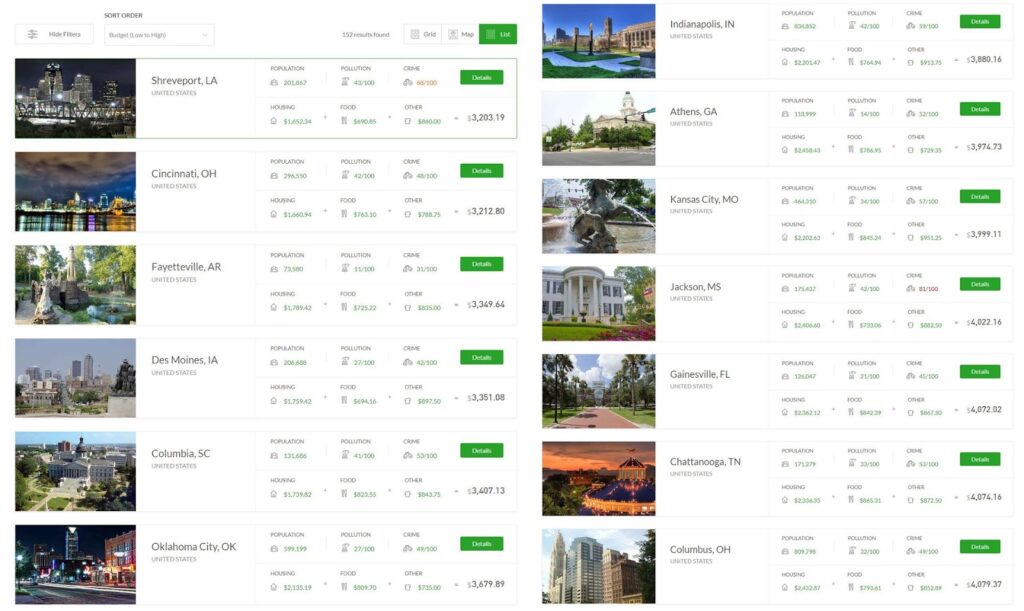
The discussion highlights a call for collective intelligence within the FIRE community. Sharing insights into desirable yet affordable cities, effective relocation strategies, and tools for lifestyle optimization can collectively enhance the ability of individuals to navigate complex economic realities. Ultimately, the ability to choose one’s living environment judiciously is presented as a fundamental component of the FIRE journey, offering significant rewards for those willing to engage in thoughtful research and embrace change.

