
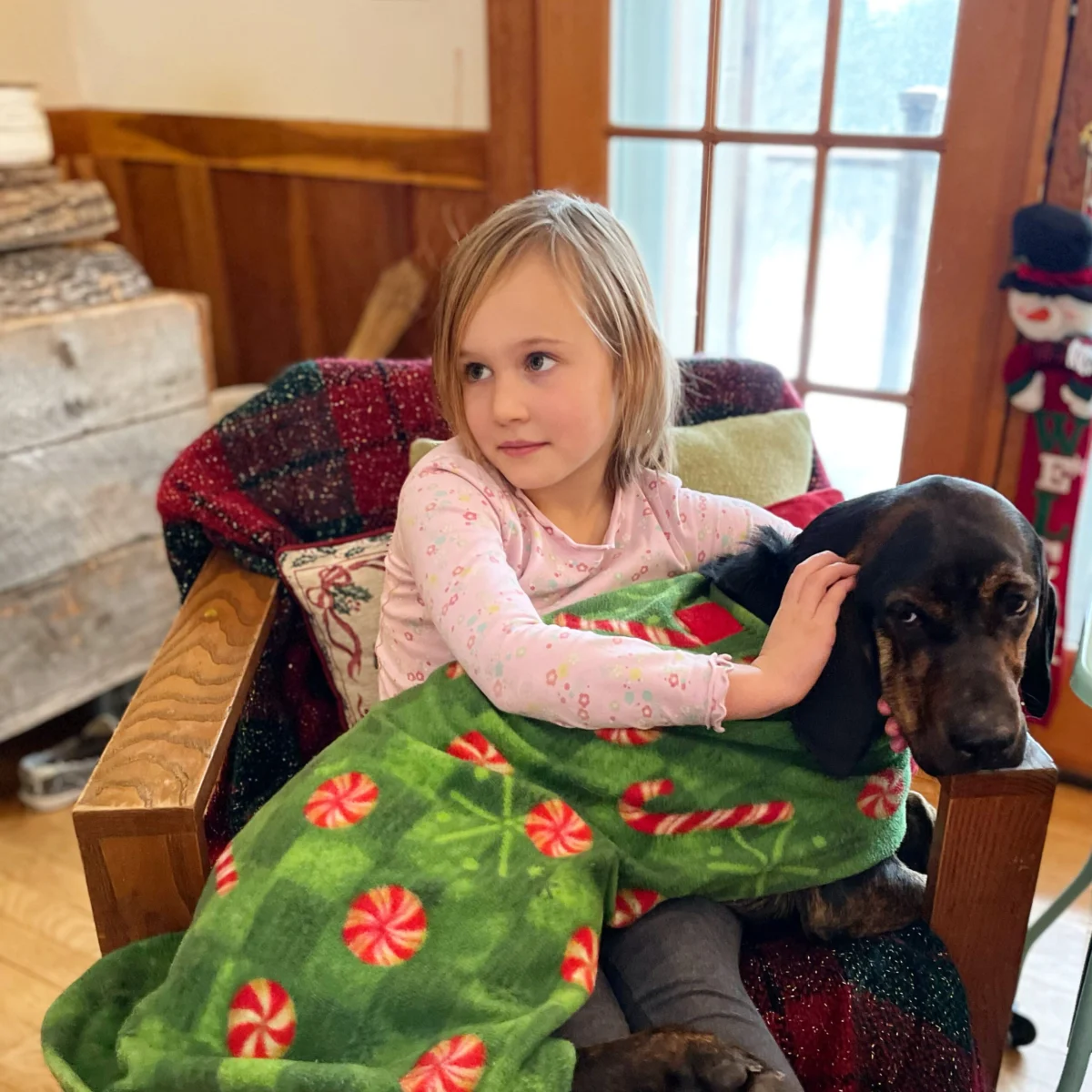
The adoption of rescue animals often presents a complex intersection of humanitarian intent, behavioral science, and unforeseen financial commitment, as evidenced by the recent case of Genevieve, a hound discovered in rural Vermont. While the narrative of pet adoption is frequently framed through the lens of successful integration, the reality for many families involves navigating severe behavioral pathologies that can challenge the stability of the household. Genevieve, colloquially known as Gigi, was found emaciated and injured in late September 2022. Her case serves as a poignant example of the difficulties inherent in rehabilitating working breeds and the significant capital required to address acute separation anxiety in a domestic setting.
Chronology of Recovery and Integration
The timeline of Genevieve’s journey begins in the autumn of 2022. Found wandering in a residential yard without identification or a microchip, the animal exhibited signs of prolonged exposure to the elements, including significant weight loss and cutaneous abrasions. Initial efforts by the finders to locate a primary owner through local advertisements and veterinary scans proved unsuccessful. Based on the animal’s breed and the geographic context of her discovery, experts and the temporary caretakers hypothesized that she was a displaced bear hunting dog, likely separated from a pack during a seasonal excursion.

On October 3, 2022, the animal was officially integrated into a family household to prevent her transfer to a municipal shelter. For the first several weeks, the integration appeared successful; the dog demonstrated a high degree of sociability with humans, particularly children, and showed proficiency in basic obedience and outdoor activities such as hiking. However, a critical behavioral deficit soon emerged: severe, intractable separation anxiety.
Behavioral Pathologies and Intervention Strategies
The primary challenge identified was an inability to remain solitary for any duration. While Genevieve utilized a crate for sleep and as a voluntary retreat while humans were present, the departure of all family members triggered immediate panic attacks. These episodes were characterized by vocalization, pacing, and involuntary elimination (urination and defecation) within her confined space.
To address these issues, the owners implemented a multi-tiered intervention strategy involving behavioral, technological, and medical components:
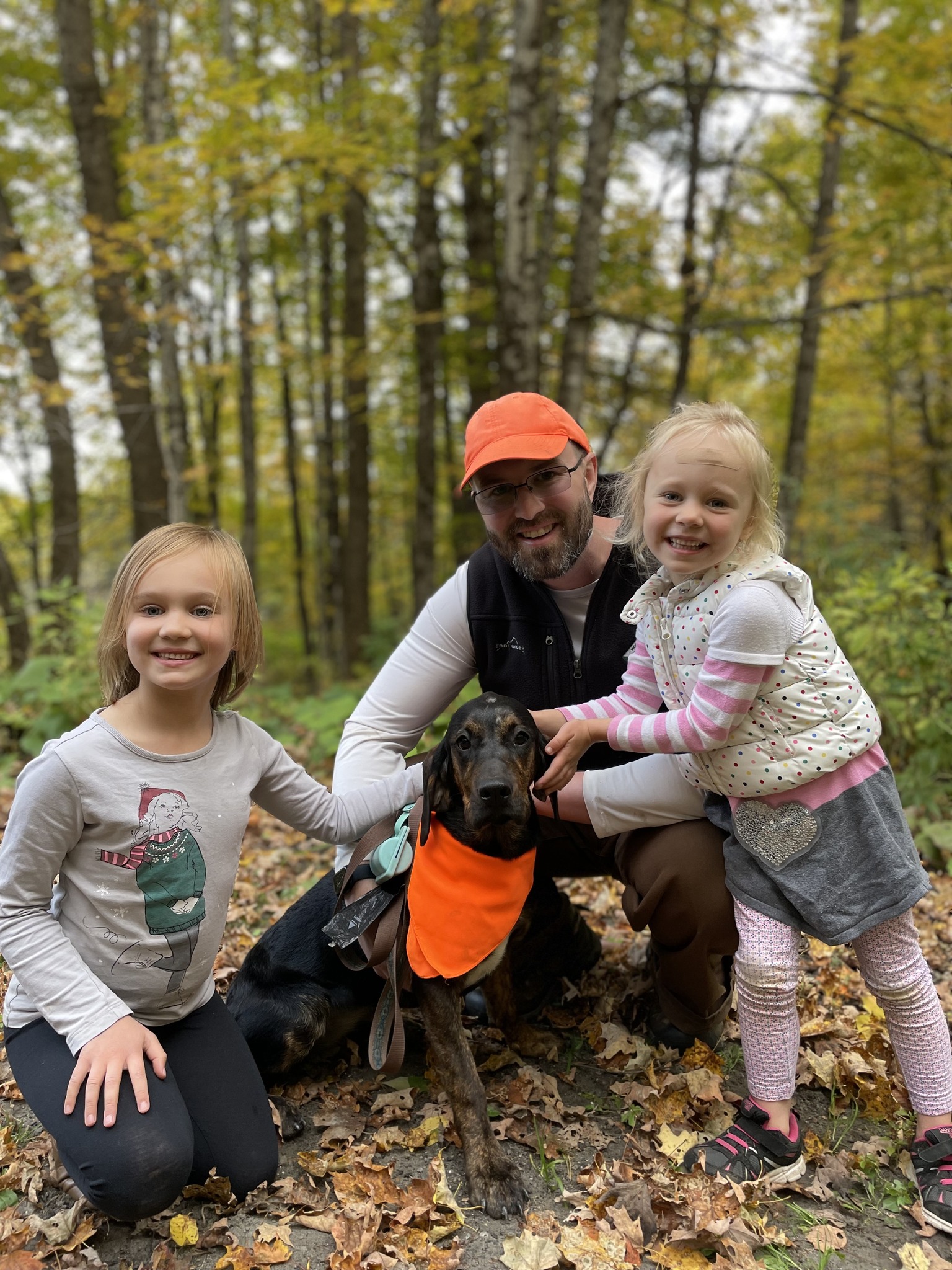
1. Behavioral Modification
Under the guidance of a professional canine trainer, the family attempted a systematic desensitization protocol. This involved "micro-departures" where the owners would exit the home for intervals as short as 30 seconds, returning to reward calm behavior. Despite consistent application, the dog was unable to surpass a five-minute threshold of solitary confinement before the onset of a panic response.
2. Technological Monitoring
The family deployed remote surveillance systems, including a high-definition camera and a remote treat-dispensing device. The objective was to monitor the dog’s stress levels in real-time and provide positive reinforcement via remote activation. Data gathered from these observations confirmed that the anxiety was not triggered by external stimuli but by the absence of human or canine companionship.
3. Pharmacological Support
When behavioral and technological efforts failed to yield results, the family sought veterinary intervention. A sequence of pharmaceutical treatments was administered, ranging from mild anti-anxiety medications to more potent sedatives and tranquilizers. Clinical reports indicated that these medications had negligible effects on the dog’s panic response during periods of isolation, highlighting the depth of the psychological trauma or instinctual drive involved.

The Financial Landscape of Specialized Pet Care
The financial commitment required to sustain this four-month rehabilitation effort was substantial, totaling $2,373.25. This figure significantly exceeds the average annual cost of dog ownership, which the ASPCA estimates to be between $1,000 and $1,500 for a large breed. The Genevieve case demonstrates how "free" or found animals can quickly become significant financial liabilities when medical and behavioral issues are present.
Detailed Expenditure Breakdown
The following data outlines the costs incurred during the four-month period:
- Clinical and Preventative Care: $1,153.98 (Includes initial exams, extensive vaccinations, de-worming, microchipping, and multiple follow-up visits for anxiety management).
- Behavioral and Technological Intervention: $278.77 (Includes professional trainer fees and specialized surveillance/reward hardware).
- Sustenance and Equipment: $321.18 (Includes high-calorie food for weight recovery, beds, and winter-specific gear such as snow booties and high-visibility vests).
- Rehoming and Philanthropy: $600.00 (A voluntary contribution to the rescue organization to cover spaying and future foster costs).
- Miscellaneous Supplies: $19.32 (Licensing and basic hardware).
This financial data highlights the "sunk cost" reality many rescuers face. Despite an investment of nearly $2,400, the household was unable to achieve a sustainable living situation, illustrating that financial resources alone cannot always resolve deep-seated behavioral archetypes in certain breeds.

Specialized Needs of Hunting Breeds: A Fact-Based Analysis
The failure of the domestic integration of Genevieve can be partially attributed to her likely background as a pack-oriented hunting dog. Hounds bred for bear hunting are traditionally raised in "kennel packs," where they are rarely, if ever, solitary. Behavioral experts note that for such animals, isolation is not merely a psychological stressor but a violation of their fundamental social structure.
Upon surrendering Genevieve to a foster-based rescue organization, it was discovered that her anxiety was mitigated entirely by the presence of other dogs. The rescue organization reported that as long as Genevieve was part of a "canine pack," she remained calm and well-adjusted even in the absence of humans. This finding underscores the importance of breed-specific knowledge in the adoption process. For the initial adopting family, who maintained a single-pet household and an active lifestyle involving frequent excursions, the dog’s biological requirement for a constant pack made the match fundamentally incompatible.
Official Responses and Ethical Rehoming
The decision to rehome a pet is often met with social stigma, yet animal welfare experts argue that it is frequently the most ethical course of action when a pet’s needs cannot be met. The rescue organization involved in Genevieve’s transition emphasized that "successful" rehoming occurs when the environment is tailored to the animal’s specific pathology.
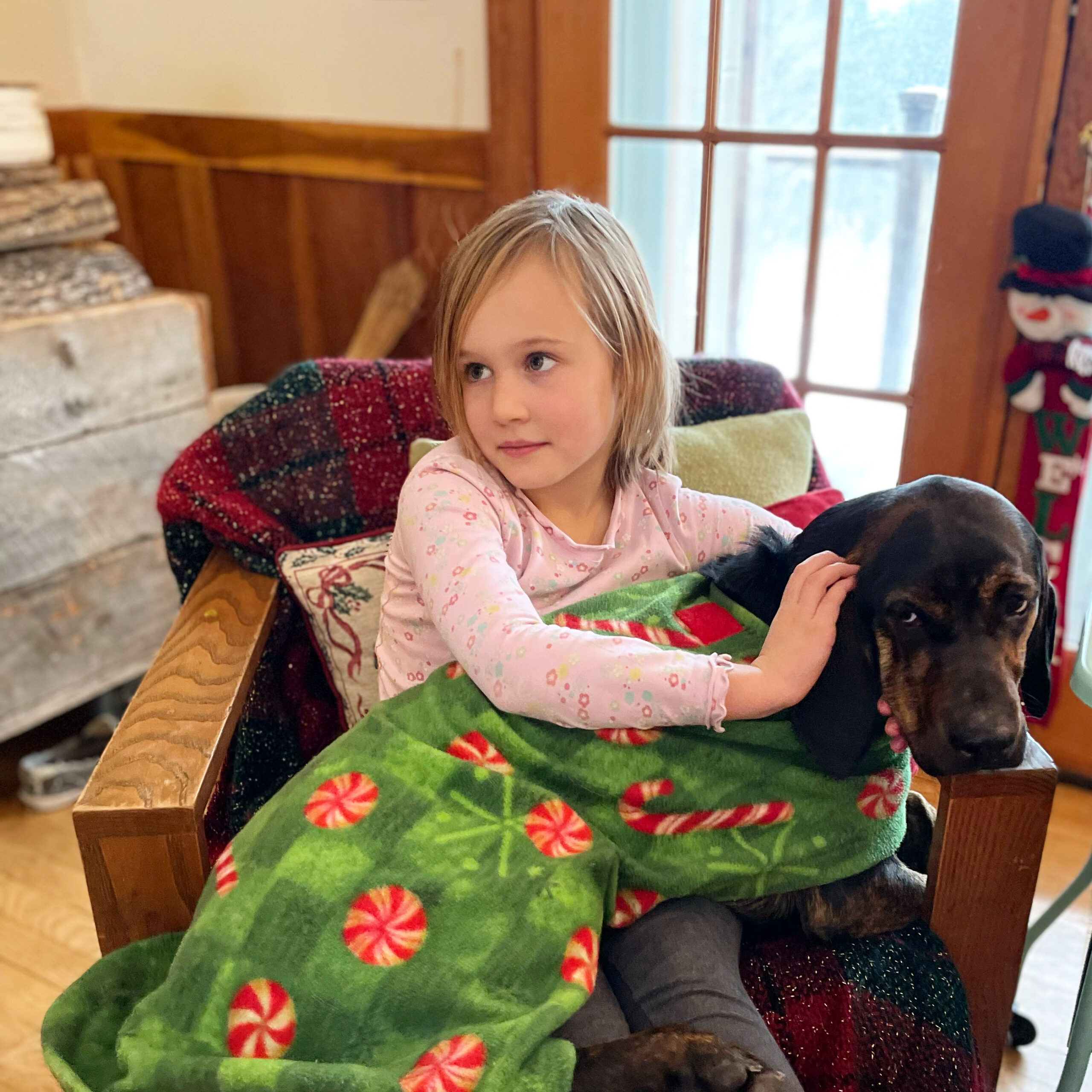
In Genevieve’s case, the transition was successful. She was subsequently adopted by a family with multiple dogs, providing the permanent pack structure she required. The original owners expressed that while the decision was emotionally taxing, the prioritization of the animal’s psychological well-being over the owners’ desire for companionship was the necessary outcome.
Broader Impact and Implications for Prospective Owners
The Genevieve case provides several critical insights for the broader community of pet owners and animal rescues:
1. The "Head vs. Heart" Dilemma: The adoption was driven by an immediate humanitarian impulse to save the animal from a shelter. However, the lack of a trial period or an initial behavioral assessment led to a four-month period of significant domestic strain.
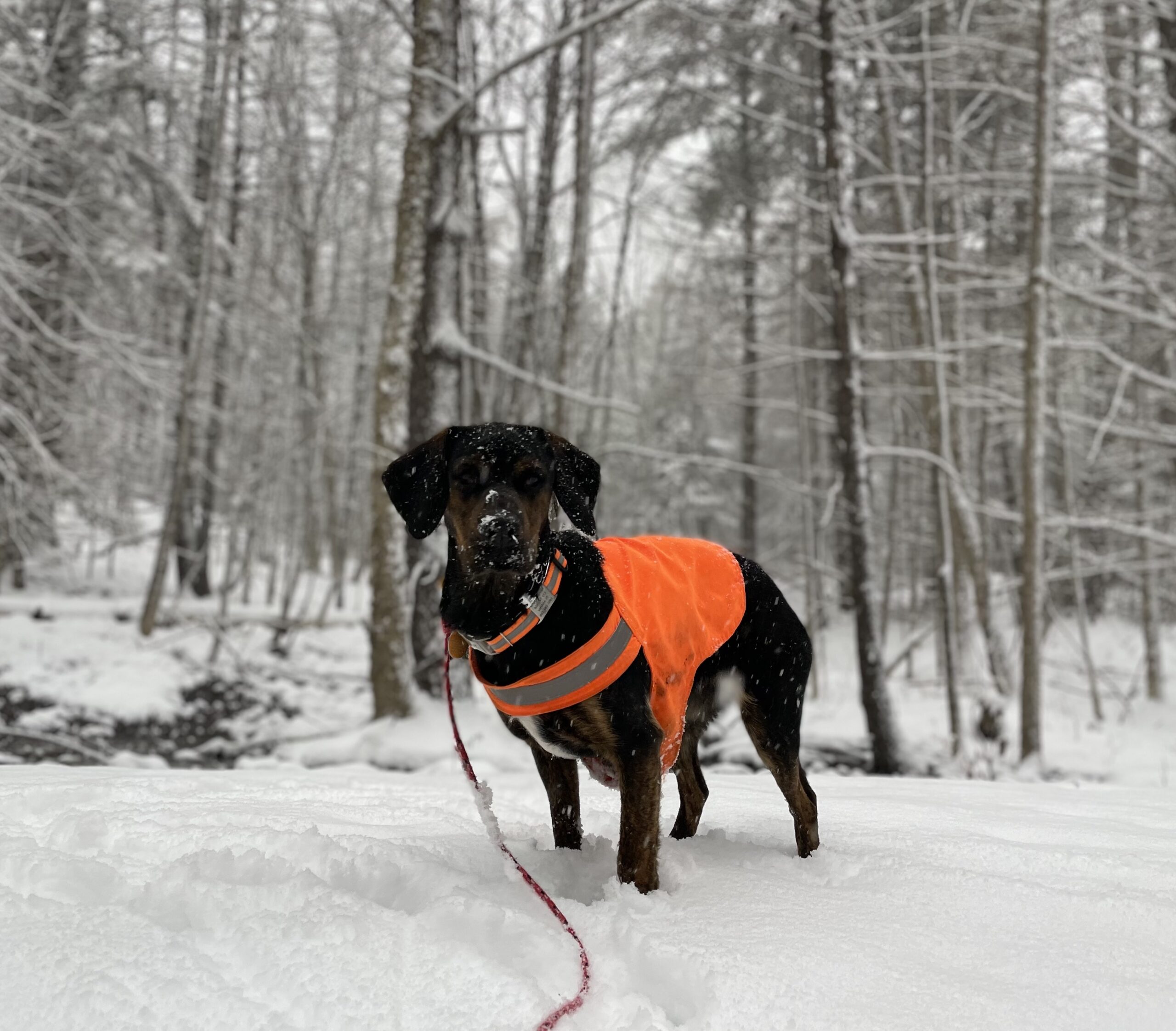
2. Financial Preparedness: Prospective adopters must be aware that rescue animals often carry "invisible costs." The $2,373 spent in four months represents a cautionary tale regarding the necessity of an emergency fund for pet ownership.
3. Lifestyle Compatibility: The case illustrates that even a "perfect" dog can be a poor fit if its instinctual needs (e.g., pack presence) conflict with the family’s operational reality (e.g., school events, church, and travel).
4. The Role of Professional Rescues: Foster-based organizations play a vital role in identifying specific triggers that a standard household might miss. Their ability to test animals in diverse environments (with and without other pets) is essential for permanent placement.
In conclusion, the story of Genevieve the Hound is a testament to the complexities of the human-animal bond. It highlights the reality that rescue work is not always a linear path to success but a series of adjustments and difficult decisions. While the original family incurred significant emotional and financial costs, their intervention provided the bridge Genevieve needed to move from a state of starvation in the Vermont woods to a permanent, pack-oriented home where her specific behavioral needs could finally be met. This case serves as a valuable data point for understanding the logistical and ethical nuances of modern pet rescue.

