
The landscape of global finance is currently navigating a period of unprecedented volatility, driven not only by macroeconomic shifts but also by a sophisticated, industrialized surge in financial crime. As the banking sector prepares for FinovateFall 2026, scheduled to take place on September 9 and 10 in New York City, the focus has shifted from theoretical discussions of risk to the practical application of defensive technologies. While high-level keynotes often dominate the headlines, the true evolution of the industry is visible on the demo stage, where a select group of twelve fintech innovators will showcase tools designed to detect, intercept, and neutralize threats in real time.

For financial institutions, the stakes have never been higher. According to recent industry reports, global losses from payment fraud are projected to exceed $340 billion cumulatively over the next five years. The advent of generative artificial intelligence has provided bad actors with tools to create hyper-realistic deepfakes, automated phishing campaigns, and sophisticated synthetic identities, effectively "industrializing" the commission of fraud. In this climate, the "good news" for a Chief Risk Officer is often simply the absence of a catastrophic breach, a reality that underscores the defensive posture many banks have been forced to adopt.
The Evolution of the Finovate Showcase
FinovateFall has long served as a barometer for the technological priorities of the financial services industry. Historically, the event focused heavily on user experience (UX) and front-end "gloss." However, the 2026 lineup indicates a significant pivot toward infrastructure, security, and regulatory technology (RegTech). The demo format, which restricts presenters to seven minutes of live, non-slideshow demonstrations, forces a level of transparency that is rare in the enterprise software sales cycle.
The upcoming event will feature a chronological progression of solutions that mirror the lifecycle of a financial transaction: from initial identity verification and onboarding to real-time transaction monitoring and, ultimately, regulatory reporting. This structured approach reflects a growing consensus among bank executives that fraud prevention cannot be a standalone "add-on" but must be woven into the fabric of every digital interaction.
Profiles in Innovation: The Twelve Fraud Fighters
The following twelve companies represent the vanguard of the 2026 cohort, each addressing a specific vulnerability in the modern financial ecosystem.
1. Coynitt: Securing the Remittance Corridor
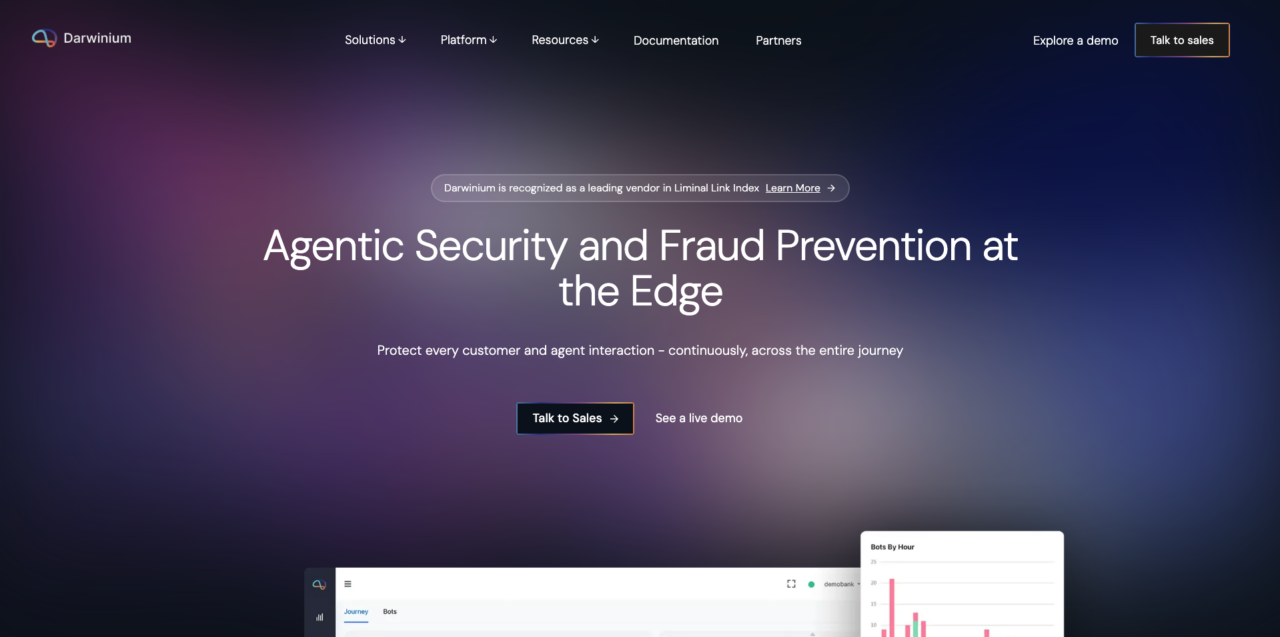
Coynitt addresses the unique security and efficiency challenges faced by the African diaspora in Canada. By leveraging blockchain technology, the platform facilitates international remittances that settle in under five seconds. Beyond speed, Coynitt introduces the concept of "trustless" community savings circles (ROSCAs) via on-chain smart contracts. This transparency ensures that every contribution is visible to all members, mitigating the risk of internal fraud or mismanagement that often plagues informal savings groups.
2. Darwinium: Continuous Edge Protection
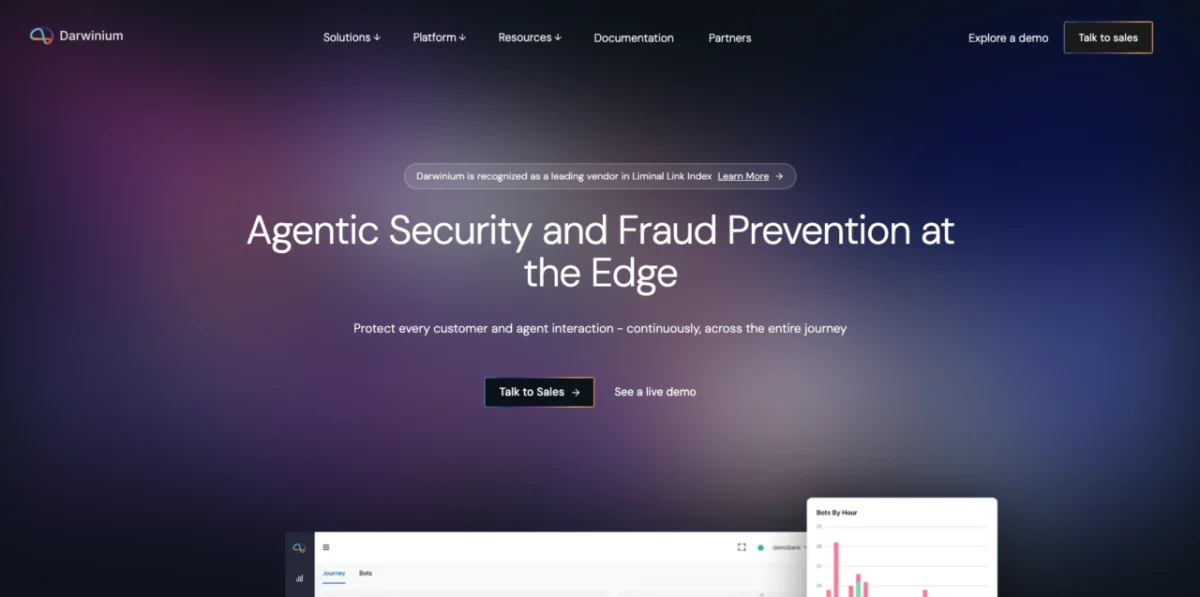
Darwinium moves beyond point-in-time checks to provide a continuous view of user behavior. By integrating security at the perimeter of the network (the "edge"), Darwinium’s AI-powered platform distinguishes between legitimate human users and malicious AI agents. Their data suggests a 50% reduction in fraud losses for early adopters by monitoring the entire customer journey, from the first login to the final payment execution.

3. Illuma: The Death of Knowledge-Based Authentication
Illuma focuses on the "weakest link" in the security chain: the contact center. Their flagship solution, IllumaSHIELD, utilizes voice biometrics to replace traditional security questions. Given that social engineering remains a primary vector for account takeover, replacing "What was your first pet’s name?" with a unique voiceprint provides a more secure and frictionless experience for the caller while significantly reducing the window for fraudulent activity.
4. Kita Technologies: AI-Driven Lending Integrity
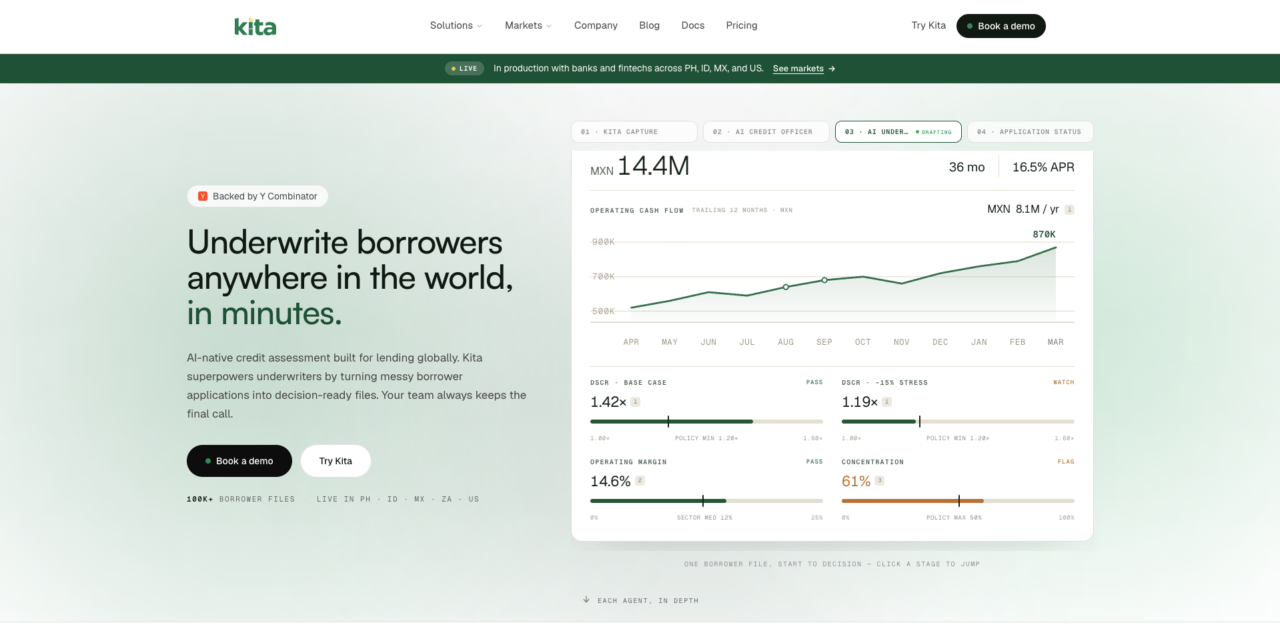
Fraud in the lending sector often begins with manipulated documentation. Kita Technologies employs a trio of AI agents—Capture, AI Credit Officer, and AI Underwriter—to transform borrower documents into fraud-checked underwriting signals. By automating the detection of inconsistent data or forged documents, Kita allows human underwriters to focus on complex decision-making rather than manual verification.
5. Loquat: Empowering Community Institutions
Community banks and credit unions are often viewed as "soft targets" by sophisticated fraud rings due to their limited technical resources. Loquat provides these institutions with enterprise-grade KYC (Know Your Customer) and KYB (Know Your Business) tools. Their "CALM Portal" allows smaller institutions to manage the entire lifecycle of a customer with the same level of security and contextual insight as global Tier-1 banks.
6. McCarthy Hatch: RegTech for Consumer Harm
McCarthy Hatch’s FSAi platform shifts the focus to regulatory risk. By using AI to analyze customer complaints and systemic patterns, the platform identifies potential "consumer harm" before it triggers a regulatory investigation. This proactive stance on compliance allows banks to reduce their legal spend and maintain their reputational integrity.

7. Omnisient: The Privacy-Preserving Data Exchange
Data silos are a major hurdle in fraud detection. Omnisient’s platform allows financial institutions to collaborate with retailers and consumer brands without exposing sensitive personal information. Using a "clean room" environment, banks can build more accurate predictive models for credit risk and fraud detection by incorporating external consumer behavior data in a privacy-compliant manner.
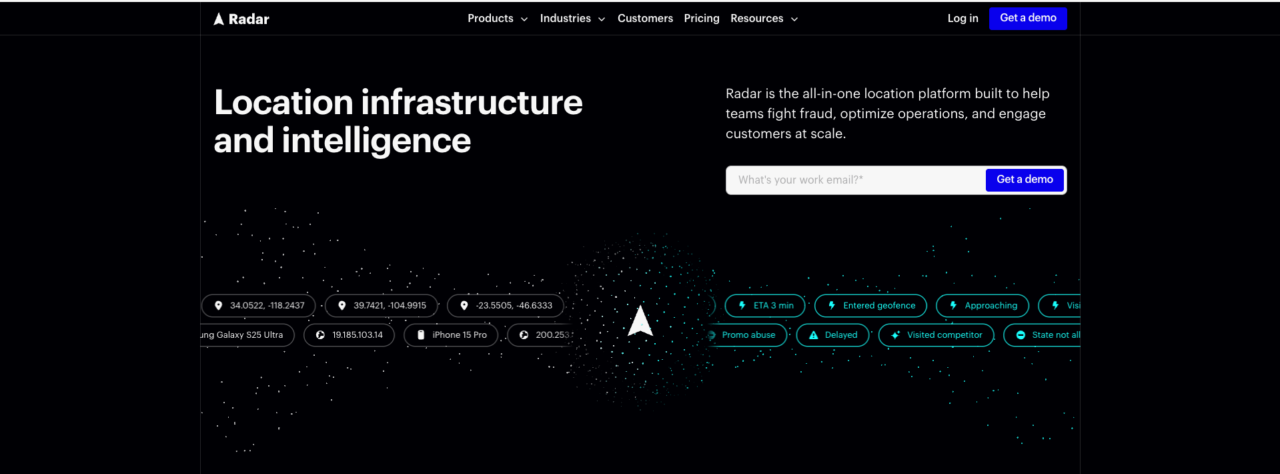
8. Radar: Geofencing and Location Intelligence
IP addresses are easily spoofed via VPNs, but physical location is much harder to fake. Radar’s infrastructure allows banks to verify a user’s physical presence during high-risk transactions. Their "Protect" solution stops fraud at the source by ensuring that the person initiating a transaction is actually where they claim to be, providing a critical layer of defense against remote account takeovers.

9. RangersAI: Disrupting the Scam Cycle
While many tools focus on the bank’s systems, RangersAI focuses on the consumer. Their ScamRanger solution provides real-time guidance and education to users when they receive suspicious messages. By intervening during the "emotional manipulation" phase of a scam, RangersAI prevents financial damage before a transaction is even initiated.
10. Saris AI: Automating Back-Office Defenses
Efficiency is a form of security. Saris AI automates 90% of lending and compliance tasks for credit unions. By removing manual data entry and "copy-paste" workflows, the platform eliminates human error—a common entry point for fraud—and ensures that every transaction adheres to a strictly audited digital path.

11. Veritus: Empathetic and Secure Collections
Veritus deploys AI voice and text agents specifically for loan servicing and collections. In a high-risk area like collections, Veritus ensures that all outreach is compliant, empathetic, and contextually aware. This prevents "collection scams" where bad actors pose as bank representatives to extort payments from vulnerable borrowers.
12. Winnow: Real-Time Regulatory Intelligence
The legal landscape for financial services is in a state of constant flux. Winnow’s RegTech platform uses AI to generate on-demand compliance checklists and legal research. For banks operating across multiple jurisdictions, this ensures that their fraud prevention strategies always align with the latest state and federal laws.
Supporting Data: The Cost of Inaction
The urgency of these innovations is underscored by the shifting economics of financial crime. According to the Federal Trade Commission (FTC), consumers reported losing more than $10 billion to fraud in 2023, a 14% increase over the previous year. For financial institutions, the cost is even higher when factoring in operational expenses, regulatory fines, and the "churn" of customers who lose trust in a brand after a security incident.
Market analysis from Juniper Research suggests that the adoption of AI-based fraud detection systems will grow by 22% annually through 2028. Banks that fail to modernize their "legacy" fraud stacks—many of which still rely on static, rule-based systems—risk becoming the preferred targets for automated attack bots.

Industry Response and Market Sentiment
The reaction from the C-suite has been one of cautious investment. While bank executives are often hesitant to discuss specific vulnerabilities publicly, their budgetary allocations tell a different story. A 2025 survey of bank CTOs indicated that "Cybersecurity and Fraud Prevention" ranked as the top priority for IT spending, surpassing even "Digital Transformation" and "Customer Experience."
"The challenge is no longer just identifying a bad actor," noted one industry analyst following the announcement of the FinovateFall lineup. "The challenge is doing so at the speed of light without ruining the experience for the 99% of customers who are legitimate. The companies we are seeing this year are finally bridging that gap between high security and low friction."

Broader Impact and Future Implications
The technologies showcased at FinovateFall 2026 suggest a future where "Trust as a Strategy" becomes the dominant theme in banking. As digital interfaces become more commoditized, the primary differentiator for a financial institution will be its ability to guarantee the safety of its customers’ assets and identities.
Furthermore, the rise of "Industrialized Fraud" is forcing a new era of cooperation. The "clean room" data sharing pioneered by firms like Omnisient and the location-based intelligence of Radar suggest that banks are moving away from a "siloed" defense toward a "networked" defense. In this model, the entire ecosystem becomes stronger as more participants share anonymized threat intelligence.

As the industry converges on New York this September, the focus will remain squarely on the demo stage. For the twelve innovators listed above, the goal is not just to win a "Best of Show" award, but to prove that in the escalating arms race between banks and fraudsters, the defenders finally have the upper hand. The transition from "no news is good news" to a proactive, AI-driven security posture is no longer a luxury—it is a requirement for survival in the digital age.

