
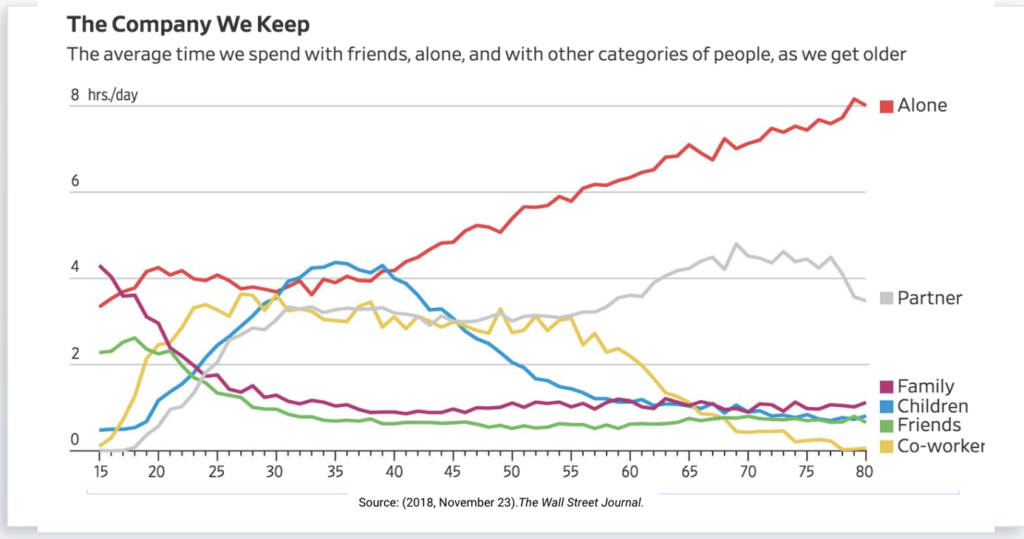
Retirement, a milestone often characterized by newfound freedom and an abundance of leisure time, brings with it a profound and often unexpected shift in an individual’s internal landscape. As the structured rhythms of professional life recede, many retirees find themselves spending significantly more time in solitude. This solitude, however, is not an empty space; it is an arena where one confronts an ongoing, internal dialogue, a conversation with the self that can profoundly shape the experience of this new life chapter. Experts in psychology and self-development are increasingly highlighting the critical importance of this inner discourse, asserting that the most significant conversations in retirement may be those that occur entirely within one’s own mind.
This internal monologue, a constant stream of thoughts, can encompass a vast spectrum of mental activity. It can be a generative space for planning future endeavors, envisioning possibilities, and reflecting on past experiences. Conversely, it can also become a breeding ground for anxiety, a loop of replaying past regrets, incessant questioning, harsh self-criticism, and even self-blame. Research presented in discussions, such as those featured on The Retirement Wisdom Podcast, indicates that the nature of this inner dialogue has a direct impact on an individual’s outlook. It can either serve to constrict one’s world, fostering feelings of limitation and stagnation, or it can actively facilitate an opening to the next chapter of life with greater intention, purpose, and a palpable sense of possibility.
The Power of Inquiry: Shifting Mindsets Through Questioning
Central to understanding and navigating this internal dialogue is the work of Dr. Marilee Adams, Founder and CEO of The Inquiry Institute. Dr. Adams, author of the influential book "Change Your Questions, Change Your Life," which has recently seen its fifth edition released, posits that the questions we pose to ourselves are the primary architects of our mindset. Her research, built over years of observation and practice, identifies two fundamental operating mindsets: the "Judger" and the "Learner."
The "Judger" mindset is characterized by questions that tend to be backward-looking or introspective, often tinged with negativity and blame. Examples of such queries include, "What’s wrong with me?", "Why did this happen?", or "Why bother?". These questions, according to Dr. Adams, tend to entrench individuals in a cycle of self-doubt and inaction. In contrast, "Learner" questions are designed to foster curiosity, agency, and a forward-looking perspective. They invite exploration and problem-solving, with examples such as, "What do I want now?", "What can I contribute?", or "How else can I think about this?". This distinction is particularly salient as individuals transition into retirement. The absence of the familiar structures, identities, and feedback mechanisms inherent in the professional world can allow "Judger" questions to gain unchecked momentum. However, by consciously adopting "Learner" questions, retirees can redirect their focus towards what truly matters, such as cultivating deeper meaning, experiencing greater joy, contributing to their communities, nurturing relationships, and fostering personal growth.
Understanding and Managing "Chatter": The Science of Self-Talk
Complementing Dr. Adams’s work on questioning is the research of Dr. Ethan Kross, Director of the Emotion & Self Control Laboratory at the University of Michigan and author of the acclaimed book "Chatter." Dr. Kross’s investigations delve into the science of self-talk, distinguishing between ordinary negative thoughts and what he terms "chatter." Chatter, in his definition, is a self-perpetuating loop of worry, rumination, and catastrophizing – a relentless internal monologue that can become paralyzing. Dr. Kross emphasizes that negative emotions are not inherently detrimental. In moderate doses, they can serve as valuable learning experiences, providing insights into our challenges. The critical issue arises when individuals become trapped in these negative emotional states, unable to disengage.
A significant point of convergence exists between the theories of Dr. Adams and Dr. Kross: the objective is not to silence the inner voice but to cultivate a more skillful and intentional engagement with it. Both scholars underscore the universal presence of an inner critic and the necessity of accepting this facet of human psychology. Furthermore, they both highlight that increased awareness of one’s internal dialogue is the precursor to choice. This awareness empowers individuals to move from automatic, reactive responses to deliberate, intentional actions.
Practical Strategies for a Healthier Inner Dialogue
While Dr. Adams’s work provides an elegant framework for understanding the impact of our questions through "The Choice Map," a practical tool for self-assessment, Dr. Kross offers a diverse "toolbox" of strategies to manage internal dialogue, recognizing that different situations call for different approaches.
Dr. Adams’s "The Choice Map" and Switching Lanes:
Dr. Adams’s model provides a clear pathway: identify "Judger" thoughts, pause, and then consciously shift into a "Learner" mindset. One of her most potent questions for facilitating this transition is, "Who do I choose to be in this moment?" This question prompts individuals to assert their agency and actively select their response to a given situation, rather than being passively swept away by negative self-talk.
Dr. Kross’s "Chatter" Management Toolkit:
Dr. Kross suggests several practical techniques:
- Distance Self-Talk: This involves addressing yourself using your own name, rather than "I," and coaching yourself as you would a trusted friend. For example, instead of thinking, "I’m so stressed about this presentation," one might say, "Ethan, you’ve prepared for this. What’s the next best step you can take?" This linguistic distancing can create a more objective perspective.
- Mental Time Travel: This technique encourages individuals to project themselves into the future to gain perspective on current challenges. Asking questions like, "How important will this feel six months from now?" or "What will I have learned from this in a year?" can diminish the perceived magnitude of immediate stressors.
- Leveraging Nature: Dr. Kross also highlights the therapeutic benefits of engaging with the natural environment. A walk in nature can serve as a powerful ritual to interrupt negative thought patterns and promote a sense of calm and clarity, thereby enhancing one’s ability to act as a more effective "chatter advisor."
A Chronology of Self-Awareness in Retirement
The journey towards mastering one’s inner dialogue in retirement often unfolds in stages, though the precise timeline is highly individual:
- Initial Transition (0-12 months): Upon entering retirement, the sudden increase in unstructured time can be jarring. Many individuals initially experience a sense of liberation, but this can soon be followed by a realization of the increased internal focus. "Judger" questions may arise as individuals grapple with identity shifts and the absence of their former professional roles. Initial attempts to fill time may be reactive rather than intentional.
- The Emergence of "Chatter" (6-24 months): As the novelty of retirement wears off, deeper reflections can lead to rumination on past decisions, anxieties about the future, and a heightened awareness of personal limitations. This period can see the onset of significant "chatter," characterized by repetitive negative thought loops. The lack of external structure can exacerbate these tendencies.
- The Search for Meaning and Control (1-3 years): Many retirees begin to actively seek ways to manage their internal state and find purpose in this new phase. This is often when individuals become more receptive to strategies for self-management, seeking out resources like books, podcasts, and workshops focused on personal development and emotional well-being. The concepts of "Judger" vs. "Learner" mindsets and techniques for managing "chatter" start to gain traction.
- Developing Internal Mastery (3+ years): With consistent practice and application of learned strategies, retirees can develop a more skillful relationship with their inner voice. This phase is characterized by a greater ability to self-regulate emotions, a proactive approach to challenging negative thought patterns, and a conscious cultivation of a more positive and intentional inner dialogue. The inner voice transforms from a source of distress to a valuable ally.
Data and Broader Implications
The impact of internal dialogue on overall well-being is substantial and is increasingly supported by empirical data. Studies on mindfulness and cognitive behavioral therapy (CBT), which share common ground with the principles espoused by Adams and Kross, have consistently demonstrated significant improvements in mental health outcomes. For instance, research published in journals such as the Journal of Consulting and Clinical Psychology has shown that mindfulness-based interventions can lead to reductions in symptoms of depression and anxiety, often by helping individuals to observe their thoughts without judgment.
The implications of a well-managed inner voice extend beyond individual happiness; they have societal ramifications. A cohort of retirees who are mentally resilient, purpose-driven, and capable of intentional self-management can contribute more effectively to their families, communities, and the economy. They are more likely to engage in volunteer work, pursue lifelong learning, and remain active participants in civic life. Conversely, individuals who remain trapped in negative internal cycles may experience poorer physical health outcomes, increased reliance on healthcare services, and a diminished capacity to contribute to society.
Official Responses and Expert Consensus
While there are no singular "official responses" to the phenomenon of internal dialogue in retirement in the way one might expect for a policy issue, the consensus among mental health professionals and researchers in psychology is clear: the quality of our inner conversation is a critical determinant of our well-being, particularly during life transitions. Organizations focused on aging and retirement, such as AARP, frequently publish articles and resources that echo the importance of mental and emotional resilience, often touching upon themes of self-reflection and positive outlooks, aligning with the core messages of Adams and Kross.
A Call to Action: Cultivating a Wiser Inner Voice
The transition into retirement offers a unique opportunity to cultivate a more constructive and supportive relationship with oneself. By becoming more aware of the questions we ask and the "chatter" we engage in, and by actively employing strategies to shift towards a "Learner" mindset and manage internal noise, retirees can transform this significant life change into a period of profound growth and fulfillment. The freedom retirement offers is most potent when paired with the internal freedom that comes from mastering one’s own thoughts and emotions. Through conscious effort and practice, the inner voice can evolve from a potential critic into an invaluable ally and personal coach, guiding individuals through their most fulfilling years.
Ready to Learn More?
- Listen to the podcast conversation with Marilee Adams: https://www.retirementwisdom.com/podcasts/change-your-questions-change-your-life-in-retirement-marilee-adams-phd/
- Take the Survey & Download: The Choice Map
- Read: Change Your Questions, Change Your Life, 5th Edition by Marilee Adams, PhD.
- Listen to the podcast conversation with Ethan Kross on "Chatter & Your Inner Voice": https://www.retirementwisdom.com/podcasts/chatter-your-inner-voice-ethan-kross/
- Read: Chatter: The Voice in Our Head, Why It Matters, and How to Harness It by Ethan Kross, PhD.
- Listen to the podcast conversation with Ethan Kross on "Shift": https://www.retirementwisdom.com/podcasts/shift-ethan-kross/
- Read: Shift: Managing Your Emotions So They Don’t Manage You by Ethan Kross, PhD.

