
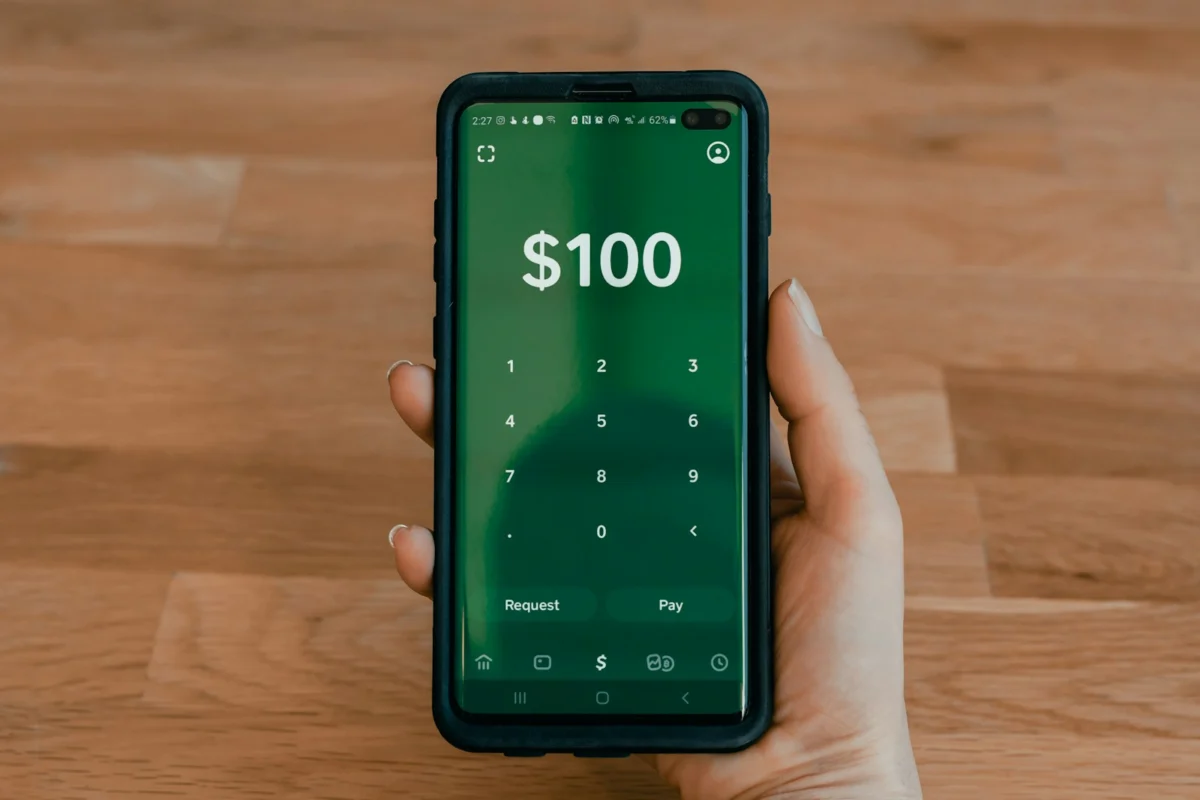
The financial landscape for young adults has become increasingly challenging, with a significant portion of those under 30 finding their bank accounts strained by economic pressures. This reality has propelled the gig economy into an unprecedented era of growth, with its valuation reaching an estimated $556.7 billion in 2024 and projected to triple by 2032. For Gen Z and Millennials, side hustles are no longer merely a trend but a fundamental strategy for economic survival and resilience. Data from Whop (2024) indicates that nearly half of Gen Z (48%) engaged in a side hustle in 2024, a figure closely mirrored by Millennials at 44%. Compounding this trend, a SurveyMonkey poll revealed that 44% of Americans across all age groups now report needing a side hustle simply to meet their basic financial obligations.
This burgeoning reliance on supplemental income streams underscores a broader economic shift, where rising costs of living, persistent inflation, and the weight of student loan debt converge to create a precarious environment for individuals embarking on their careers. Many young professionals are juggling primary employment, higher education, or significant student debt, necessitating flexible income-generating avenues that do not demand extensive prior experience, substantial upfront investment, or an exorbitant time commitment. Digital platforms and mobile applications have emerged as pivotal tools, offering accessible pathways to earn supplementary income through various micro-tasks and engagement models. This article delves into the contemporary side hustle phenomenon, examining its drivers, the most effective app-based solutions, and the broader implications for the modern workforce.
The Economic Imperative: Why Side Hustles Are Essential
The current economic climate presents a unique set of challenges for young adults. Inflationary pressures have consistently outpaced wage growth in many sectors, eroding purchasing power. According to the Bureau of Labor Statistics, the Consumer Price Index (CPI) has seen significant increases in recent years, making everyday necessities like groceries, fuel, and utilities more expensive. Concurrently, the cost of higher education continues to climb, with student loan debt in the U.S. surpassing $1.7 trillion, burdening millions with substantial monthly payments that often compete with rent, healthcare, and other living expenses. The housing market, too, has seen unprecedented surges, making homeownership a distant dream for many and driving up rental costs in urban centers.
These macroeconomic forces create a compelling impetus for side hustles. What might have once been considered discretionary income is now often vital for covering essential expenses, building emergency savings, or paying down debt. The traditional career path, characterized by linear progression within a single company, is also evolving. Younger generations often prioritize flexibility, autonomy, and diverse work experiences, which the gig economy inherently offers. This convergence of economic necessity and shifting work preferences has firmly established the side hustle as a mainstream component of modern financial planning.
Evolution of the Gig Economy and App-Based Earning
The concept of supplemental work is not new, but its modern iteration, particularly the app-based gig economy, has evolved rapidly over the last two decades. Early forms of the gig economy emerged with online marketplaces connecting freelancers to clients for project-based work. However, the proliferation of smartphones and advances in mobile technology truly democratized access to gig work. Platforms like Uber and Airbnb pioneered the model of leveraging personal assets or time through an app interface, quickly followed by a myriad of services for everything from food delivery to dog walking.
The current wave of side hustle apps, which are the focus of this analysis, represents a further refinement. These platforms often require minimal specialized skills, allowing users to earn money through activities that are already part of their daily routines, such as playing games, taking surveys, shopping, or scanning receipts. This low barrier to entry, coupled with the immediate accessibility of a smartphone, has made these micro-earning opportunities particularly attractive to those seeking flexible, low-commitment ways to augment their income without significant prior investment or experience.
Methodology: Evaluating Top Side Hustle Apps
To provide a comprehensive and reliable guide, the following list of apps has been rigorously evaluated based on criteria critical for beginners, especially those under 30 navigating financial constraints:
- Ease of Use and Onboarding: How straightforward is it to sign up, understand the platform, and begin earning? Apps with intuitive interfaces and minimal setup friction were prioritized.
- Earning Potential and Consistency: While not a replacement for full-time income, the apps were assessed on their ability to offer consistent earning opportunities and a reasonable return for time invested, even if modest.
- Payout Thresholds and Options: Lower minimum cash-out amounts (e.g., $5-$10) and diverse payout methods (PayPal, Venmo, gift cards) were favored, enabling users to access their earnings more quickly and conveniently.
- Flexibility and Time Commitment: The apps selected offer tasks that can be completed on demand, fitting into varied schedules without requiring fixed hours or long-term commitments.
- No Upfront Costs or Required Experience: A key criterion was the absence of sign-up fees, in-app purchases, or specialized skills, making them genuinely free-to-start and accessible to a broad audience.
The focus remained on legitimate, free-to-start apps that deliver real cash or gift cards, aligning with the needs of young adults seeking flexible, low-commitment ways to supplement their income without requiring specialized skills or significant initial investment.
Top App-Based Side Hustles for Young Adults
Here is an editorially ranked list of platforms that meet these critical criteria, offering accessible avenues for earning supplementary income:
1. KashKick: Real Cash for Engagement
KashKick operates as a prominent get-paid-to (GPT) platform, distinguished by its direct cash payouts rather than a points system, ensuring users always have a clear understanding of their earnings. The platform has demonstrated substantial growth, accumulating over 3.5 million users and distributing $12 million in 2025 alone. Its appeal for beginners is significantly enhanced by a low $10 minimum cashout threshold, facilitated through PayPal or Venmo without incurring transaction fees.
KashKick’s operational backbone is its parent company, Besitos Corporation, which garnered significant recognition on the 2025 Inc. 5000 list. It was ranked as the 22nd fastest-growing private company in the U.S., reporting an impressive 8,151% revenue growth over the preceding three years (Eneba Hub). This robust financial performance and user growth underscore the platform’s legitimacy and capacity for sustained payouts. Tasks on KashKick primarily involve playing mobile games, completing surveys for market research firms, and engaging with various promotional offers.
Best For: Individuals seeking direct cash payouts via Venmo or PayPal from engaging with games and offers, valuing a low payout threshold for quick access to earnings.
Less Ideal If: Users prefer to avoid ID verification processes or reside outside the U.S., as availability may be restricted.
2. Swagbucks: The Versatile Rewards Ecosystem
Swagbucks stands as one of the internet’s most established and largest rewards platforms, having built a reputation for reliability over many years. It operates on a points-based system, awarding "SB points" for a diverse range of activities, including participating in surveys, watching videos, playing casual games, and engaging in online shopping with cashback incentives. Its longevity and widespread presence across web, Android, and iOS platforms attest to its stability and accessibility, allowing users to earn from virtually any location. Swagbucks partners with numerous brands and market research companies, channeling a portion of their advertising and research budgets back to users in the form of rewards.
Best For: Users who appreciate a multifaceted approach to earning, combining surveys, cashback from online shopping, and casual gaming within a single, well-established points-based rewards ecosystem.
Less Ideal If: The primary goal is the highest possible hourly earning rate or a preference for direct cash payouts over a points conversion system.
3. Mistplay: Gaming for Gift Cards (Android Focused)
Mistplay transforms mobile gaming time into tangible rewards, operating as a unique loyalty program specifically for Android users. Since its inception in 2016, the platform has disbursed over $150 million in gift cards to more than 10 million users (Visu.Network). The app is entirely free to download and use, requiring no in-app purchases or wagers. Users simply play games from Mistplay’s curated selection and accumulate points that can be redeemed for gift cards to popular retailers, gaming platforms, or digital storefronts. The mechanism involves tracking game time and in-game achievements, rewarding users for their sustained engagement.
Best For: Android smartphone gamers who are looking to monetize time already spent playing mobile games, converting it into valuable gift card perks.
Less Ideal If: The user requires cash payouts directly to a bank account or is an iOS user, as the game library and full functionality are not equivalent on Apple devices.
4. Rakuten: Effortless Cashback for Online Shopping
Rakuten (formerly Ebates) is a leading cashback app designed to provide passive earnings on everyday online shopping. With partnerships spanning over 3,500 retailers, Rakuten boasts an impressive record of saving shoppers more than $3.5 billion. The platform integrates seamlessly into the user’s shopping experience, requiring only the activation of a browser extension or the mobile app before making online purchases. Cashback automatically accumulates in the user’s account and is paid out quarterly via PayPal or check, making it a truly passive income stream. Rakuten earns commissions from retailers for driving sales, a portion of which is then shared with the consumer.
Best For: Individuals who regularly shop online and desire a passive method to earn cashback without altering their existing purchasing habits.
Less Ideal If: Online shopping is an infrequent activity, as earning potential is directly proportional to spending volume through partnered retailers.
5. Survey Junkie: Direct Paid Opinion Sharing
Survey Junkie specializes in a straightforward approach to earning: connecting users with market research opportunities. Millions of U.S. members utilize the platform to share their opinions with brands and researchers in exchange for points, which are then convertible to cash via PayPal or gift cards. The platform’s simplicity and a low $5 minimum payout make it an attractive entry point for those exploring app-based side hustles. Users are typically screened for demographic suitability before participating in surveys, ensuring targeted data collection for clients.
Best For: Beginners seeking a dedicated and uncomplicated survey platform with a rapid cashout process, valuing directness over variety in earning methods.
Less Ideal If: Users desire a broader range of earning activities beyond surveys or prefer game-based rewards.
6. InboxDollars: Cash Rewards for Varied Tasks
InboxDollars distinguishes itself by offering payouts in actual cash, eliminating the need for mental conversions from points to currency. This transparency provides a clear understanding of earnings from activities such as reading promotional emails, watching short video clips, playing casual games, and completing surveys. New members are incentivized with a $5 sign-up bonus, providing an immediate boost to their earnings. The platform aggregates various digital engagement opportunities from advertisers and market research firms, channeling a portion of their fees to users.
Best For: Users who prefer seeing their earnings accumulate in real dollar amounts rather than a points system and appreciate an initial sign-up bonus.
Less Ideal If: The $30 PayPal cashout threshold feels too high, and the user prefers quicker access to smaller earnings.
7. Ibotta: Streamlined Grocery Cashback
Ibotta transforms routine grocery shopping into an earning opportunity. Users browse for rebates on specific products within the app, purchase those items at participating stores, and then verify their purchase by scanning product barcodes and uploading a photo of their receipt. Cashback credits are typically applied to the user’s account within 24-72 hours. Ibotta partners directly with consumer brands and retailers to offer these rebates, acting as an intermediary that shares promotional savings with shoppers.
Best For: Regular grocery shoppers who frequently purchase branded items and are comfortable with a brief barcode scanning and receipt upload process to earn rewards.
Less Ideal If: The user primarily buys generic or store-brand products, which are less frequently eligible for rebates, or finds the receipt scanning process cumbersome.
8. Fetch Rewards: Universal Receipt Scanning
Fetch Rewards offers a uniquely low-effort approach to earning by rewarding users for simply scanning any grocery, gas, or retail receipt. Unlike Ibotta, there’s no requirement to pre-select specific offers. Users earn a base amount of points for every receipt scanned, regardless of purchases, with bonus points awarded for buying items from partnered brands. This universal approach simplifies the earning process significantly. Users typically accumulate enough points for a $5 gift card within approximately two weeks, making it a consistent, albeit modest, earner. Fetch monetizes user data insights for market research and provides brands with valuable consumer behavior data.
Best For: Individuals seeking an extremely low-effort earning method, converting everyday receipts into rewards with minimal engagement beyond snapping a photo.
Less Ideal If: Cash payouts are strongly preferred over gift cards, or if the user is seeking significantly higher per-receipt earning potential.
Navigating the Side Hustle Landscape: Realistic Expectations and Best Practices
While the allure of extra income from app-based side hustles is undeniable, it is crucial for users to approach these opportunities with realistic expectations. Data from SurveyMonkey indicates that while the average side hustle income stands at $885 per month, the median is significantly lower at just $200. This disparity highlights that a few high earners can skew the average, and app-based earnings typically fall towards the lower end of this spectrum. These platforms are generally designed to supplement income, not to replace a full-time salary.
Furthermore, profitability often requires time and consistency. It can take 3-6 months for users to find their rhythm, understand which tasks offer the best return for their time, and build up enough earnings for regular payouts. The availability of high-value offers can fluctuate based on geographic location and demographic profiles, and users will inevitably encounter "screen-outs" for surveys where they don’t qualify, resulting in uncompensated time.
Prospective users should also be aware of common platform requirements, such as ID verification, granting location access, or providing an email address, particularly before cashing out earnings. Comfort levels with sharing personal data should be weighed against the desire for convenience and access to funds. Diversifying across a few apps that align with existing habits can optimize earning potential and mitigate the inconsistencies of any single platform.
Broader Implications and the Future of Work
The rise of app-powered side hustles carries significant implications for both individuals and the broader economy. For young adults, these platforms offer a degree of financial agency and flexibility that traditional employment might not always provide. They can act as an accessible entry point into entrepreneurship, fostering skills in time management, digital literacy, and self-motivation. The ability to earn money on one’s own terms, even in small increments, can significantly reduce financial stress and provide a buffer against unexpected expenses.
However, this paradigm shift also raises questions about the future of work. The gig economy, while empowering, often lacks the traditional benefits associated with full-time employment, such as health insurance, retirement plans, and paid time off. This places a greater burden on individuals to manage their own benefits and financial planning. As 72% of Americans either currently engage in or are considering a side gig, with Gen Z leading participation at 34% (Bankrate), the integration of these micro-earning opportunities into daily life is becoming increasingly normalized. Policy discussions around worker classification, social safety nets, and fair compensation in the gig economy are likely to intensify as this sector continues its expansion.
Conclusion: Small Starts, Real Financial Support
App-based side hustles represent a low-risk, zero-upfront-cost entry point into the world of supplementary income. In an economic environment that increasingly demands financial adaptability, these platforms offer practical solutions for young adults seeking to bolster their finances. By selecting one or two apps that seamlessly integrate into existing daily routines—whether it involves casual gaming, grocery shopping, or sharing opinions—individuals can set modest, achievable weekly earning targets. The key lies in strategic engagement and managing expectations, recognizing that while these apps may not replace a full-time income, they provide tangible financial support and a valuable means of navigating contemporary economic challenges.

