
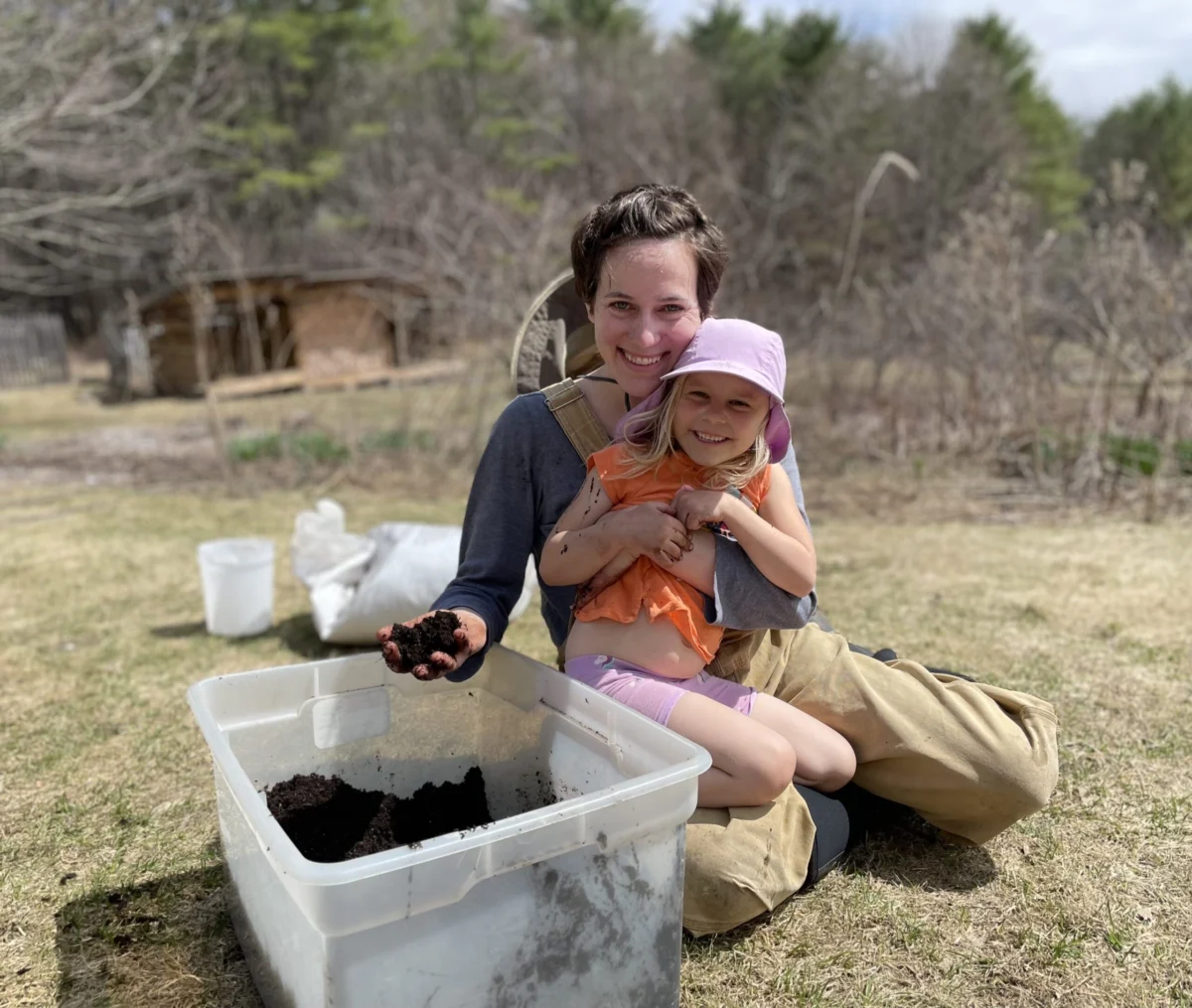
The transition from urban centers to rural homesteads has become a significant demographic trend over the last decade, driven by a desire for self-sufficiency, land ownership, and a departure from the traditional corporate environment. Among the most documented of these transitions is the experience of the Frugalwoods family, who relocated to a 66-acre property in rural Vermont in May 2016. Seven years after their arrival, the project provides a comprehensive case study on the discrepancies between the idealized vision of "total self-sufficiency" and the practical, economic, and physical realities of managing a large-scale homestead.
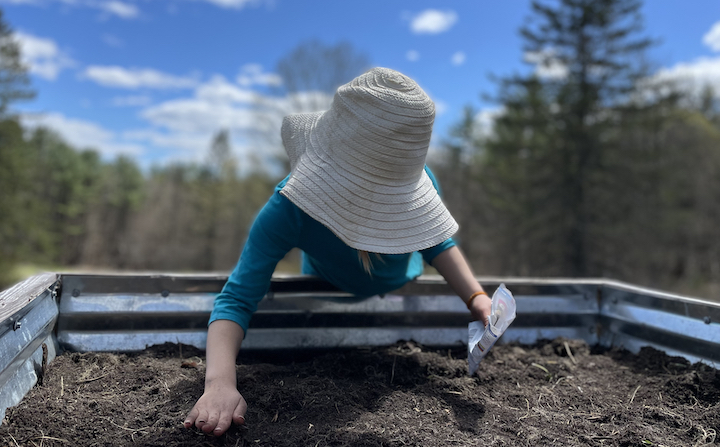
The initial objectives of the move were rooted in the "back-to-the-land" philosophy, with a primary assumption that the family would produce the vast majority of their own food. However, long-term observation reveals that the labor-intensive nature of subsistence farming often conflicts with the very lifestyle goals—freedom, time, and reduced stress—that drive people to the country.
The Chronology of a Vermont Homestead: 2016–2023
The Frugalwoods’ journey began in May 2016 with the acquisition of a 66-acre wooded lot. The first two years were characterized by significant infrastructure investment and the testing of various agricultural theories. By 2018, the homestead reached a critical inflection point during what has been termed the "Kale and Chard Apocalypse." This event involved the planting, cultivation, and attempted preservation of 80 individual kale and chard plants. The resulting harvest created a logistical bottleneck, requiring days of manual labor to process, blanch, and freeze a surplus that far exceeded the family’s consumption capacity.
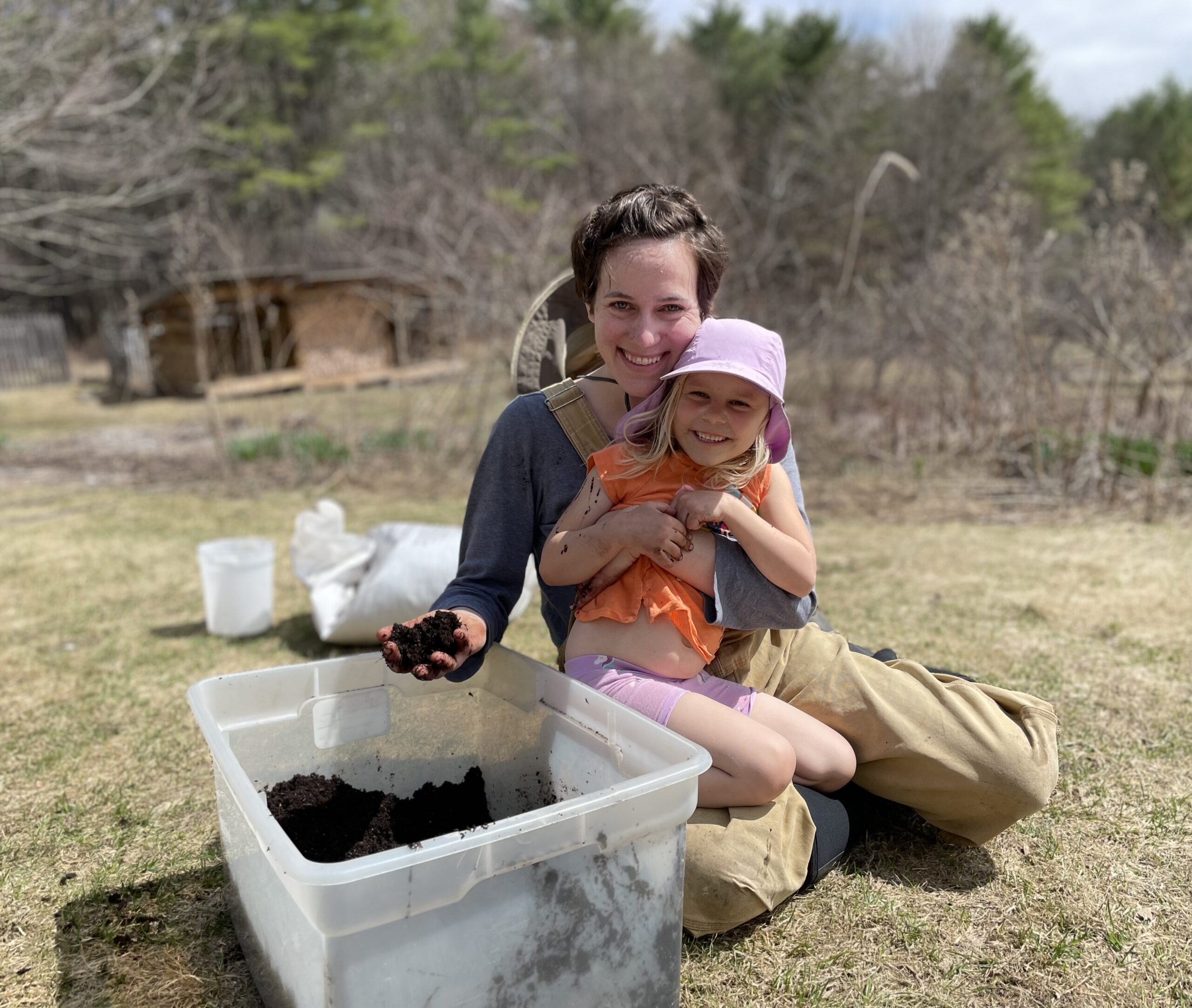
In 2020, the homestead underwent a strategic reorganization. Recognizing the physical toll of traditional row gardening, the owners shifted toward a hybrid model. This included the construction of four raised beds in close proximity to the primary residence to facilitate "kitchen gardening"—the practice of growing high-use herbs and greens within easy reach.
By May 2023, the homestead had matured into a stabilized state. The focus shifted from total caloric self-sufficiency to a supplemental model. This evolution highlights a broader trend among modern homesteaders: the realization that complete independence from the global food supply chain is a full-time occupation that may not align with other professional or personal goals.

The Economic and Physical Realities of Food Preservation
A significant portion of the homesteading "mythos" involves the larder—a storage room filled with preserved goods to last through the winter. In practice, the preservation of food is often more labor-intensive than the growing of it. Data from the USDA and various agricultural extension offices suggest that home canning and freezing require strict adherence to safety protocols and significant time investments.
The 2018 harvest serves as a primary data point for this labor-to-yield ratio. The processing of 80 plants involved multiple washing stations, blanching in boiling water, ice-bath cooling, and vacuum sealing. The Frugalwoods report indicates that despite the successful preservation of this crop, a portion of the inventory eventually expired or was composted because the family could not consume it at the rate it was produced.

This leads to a critical realization in homestead management: the "consumption rate" must dictate the "planting rate." For many, the cost of the electricity to run deep freezers and the cost of canning supplies, combined with the value of the hours spent processing, can occasionally exceed the market price of organic produce purchased from specialized local farmers.
Perennial Agriculture: A Long-Term Investment with High Risk
While annual vegetables provide immediate feedback, the Frugalwoods homestead also invested heavily in perennial agriculture. This includes apple trees, blueberry bushes, plum trees, and elderberries. Perennial crops are often touted as a "set it and forget it" solution, but the data from the Vermont property suggests otherwise.

- Maturity Timelines: Apple trees typically require five to eight years to reach full production. The Frugalwoods’ data shows that blueberry bushes required at least two years of growth before yielding an edible harvest.
- Wildlife Interference: In rural Vermont, the "Clever Varmint Patrol"—a term used to describe local wildlife such as deer, turkeys, and rodents—poses a constant threat. Reports indicate that entire crops of plums and cherries have been lost to wildlife the moment they reached peak ripeness.
- Weather Volatility: Vermont’s climate, categorized largely in USDA Hardiness Zones 4 and 5, is subject to late-spring frosts and early-autumn freezes. A single frost event during the blossoming phase can destroy a fruit tree’s entire yield for the year.
The reliance on perennial crops requires a sophisticated understanding of integrated pest management (IPM) and environmental protection, often involving expensive fencing or netting that can interfere with the aesthetic and functional use of the land.
Infrastructure and Garden Layout
The current layout of the Frugalwoods property reflects a "tiered" approach to agriculture designed to maximize efficiency:

- Tier 1: Raised Beds (2020): Located adjacent to the back porch, these beds house strawberries, herbs (mint, chives, oregano), and daily greens (lettuce, spinach). This proximity reduces the "friction" of harvest.
- Tier 2: The "Big" Vegetable Garden: A fenced-in area utilizing cattle panels for vertical growth. This area is dedicated to annuals such as tomatoes, beans, squash, and peppers. The use of cattle panels represents a significant infrastructure improvement, allowing for easier harvesting and better airflow, which reduces the risk of fungal diseases.
- Tier 3: The Orchard and Perennial Patches: Spread across the 66 acres, these areas include apple, plum, and pear trees, as well as raspberries and blueberries.
This tiered system allows the family to scale their efforts based on available time and seasonal energy, a necessary adjustment for those who maintain other professional responsibilities.
Broader Implications: The Social and Psychological Shift
The Frugalwoods’ move to Vermont was initially an attempt to escape the "rat race" of urban professional life. However, the first several years of intensive homesteading threatened to replace corporate stress with agricultural stress. The "perfectionist homesteader" trope—often fueled by social media imagery—can lead to burnout.

Agricultural experts and rural sociologists have noted that the most successful modern homesteaders are those who embrace "community sufficiency" rather than "self-sufficiency." By 2023, the Frugalwoods transitioned to supporting local farmers for their primary caloric needs while maintaining their garden as a source of joy and supplemental nutrition. This shift supports the local Vermont agricultural economy, which is a vital component of the state’s identity and financial health.
Supporting local farmers also mitigates the risk of crop failure. When a homesteader’s single crop of tomatoes fails due to blight, they lose 100% of their investment. A professional farmer with diversified fields and professional-grade greenhouses provides a more stable food source for the community.

Conclusion: Finding the Balance in Rural Living
The seven-year retrospective of the Frugalwoods homestead serves as a corrective to the "Little House on the Prairie" ideal. The reality of rural life in the 21st century is not necessarily about total independence, but about the freedom to choose how one’s time is allocated.
The data from this case study suggests that for those considering a move to a homestead, the focus should be on:

- Incremental Growth: Starting with small, manageable beds rather than 80-plant rows.
- Infrastructure First: Investing in fencing and efficient irrigation before planting.
- Accepting Natural Limits: Acknowledging that weather and wildlife will always claim a percentage of the harvest.
- Economic Integration: Recognizing that buying from neighbors is often more sustainable than trying to do everything oneself.
Ultimately, the Frugalwoods’ experience demonstrates that the value of a homestead lies not in the weight of the harvest, but in the quality of life it affords. By letting go of the "gargantuan assumption" of total self-sufficiency, rural residents can find a sustainable balance between the land and the lifestyle they sought to build. The homestead is no longer a factory for food, but a space for education, recreation, and supplemental nutrition—a shift that marks the maturity of the modern homesteading movement.

