
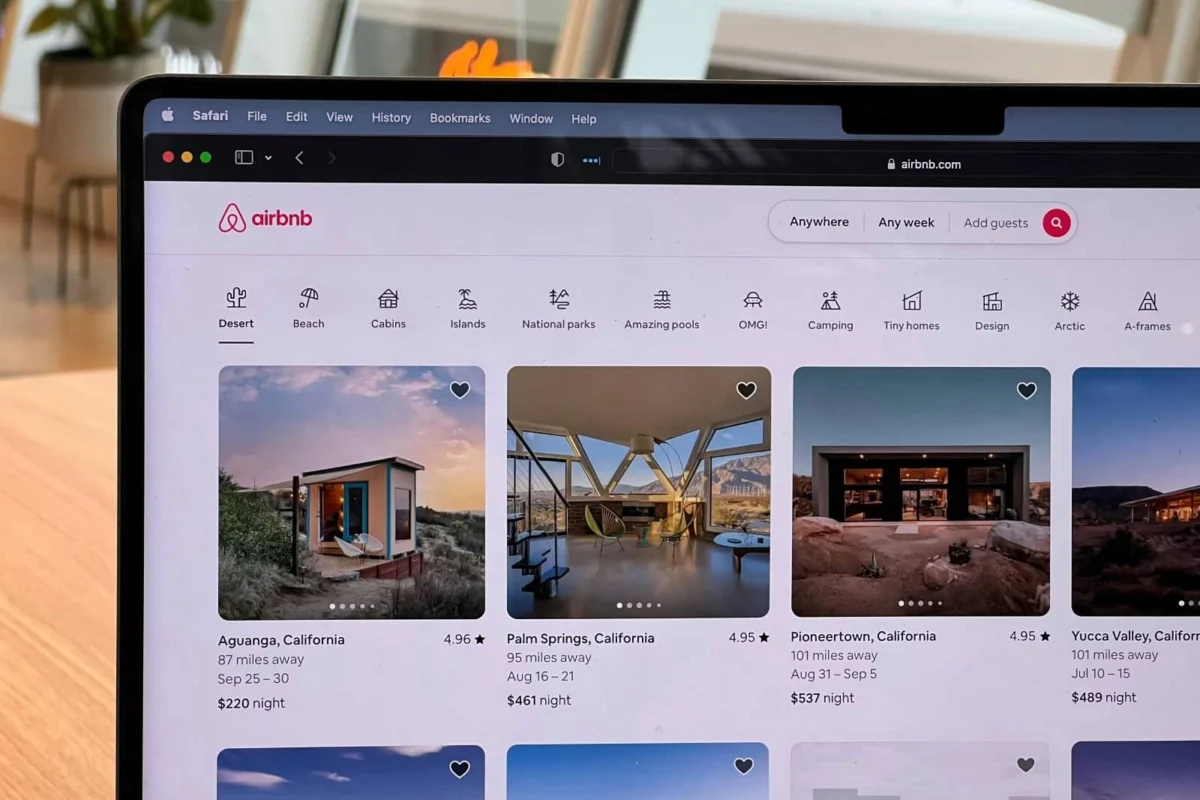
Airbnb’s highly anticipated Summer 2026 release event, spearheaded by CEO Brian Chesky, may have been dominated by headlines concerning expanded offerings in car rentals, boutique hotels, and grocery delivery services. However, the true seismic shift, one poised to fundamentally alter how properties secure bookings and redefine competitive advantages within the short-term rental market, was quietly introduced through four advanced AI features. These powerful, yet largely under-discussed, innovations are set to reshape host-guest interactions and demand a strategic re-evaluation of listing optimization.
The core of this transformation lies in Airbnb’s strategic deployment of artificial intelligence not on a platform-wide or category-wide level, but with granular precision at the individual listing. This means that the content a prospective guest encounters on a property’s page – from highlighted photos and surfaced reviews to the very reasons presented for booking – will now be dynamically tailored based on Airbnb’s sophisticated understanding of that specific guest’s profile, travel intent, and known preferences. The same physical property, with its established data points, will present a distinct visual and informational narrative to each unique visitor, marking a significant departure from previous standardized listing presentations. This move fundamentally redefines the concept of "optimizing your listing" in the short-term rental ecosystem.
The Genesis of a New Era: Background and Chronology
Airbnb’s journey towards AI-driven personalization has been a gradual but consistent evolution. For years, the company has invested heavily in data analytics and machine learning to improve user experience and operational efficiency. The Summer 2026 release represents a culmination of these efforts, moving beyond basic recommendation algorithms to a more proactive and personalized presentation of inventory.
The event itself, held in the latter half of 2026, served as the public unveiling of these advanced capabilities. While the broader media focused on the tangible service expansions, industry insiders and astute observers recognized the deeper implications of the AI-powered features. This strategic pivot is not merely an incremental update but a fundamental recalibration of how Airbnb connects guests with accommodations, empowering the platform’s AI to act as a highly sophisticated, personalized sales agent for each listing.
Unveiling the Four Pillars of AI-Driven Personalization
The success of any short-term rental in this new paradigm will hinge on understanding and leveraging these four key AI-driven features:
Feature 01: Personalized Listing Highlights
Airbnb’s AI now possesses the capability to dynamically emphasize specific aspects of a property listing based on an individual guest’s inferred trip purpose and preferences. For instance, a family planning a vacation with children might be presented with prominent visuals and descriptions of the property’s extra bedrooms, spacious backyard, or child-friendly amenities. Conversely, a digital nomad seeking a remote work setup would likely see highlights focusing on high-speed Wi-Fi, a dedicated workspace, and proximity to co-working facilities. This is not about hosts creating multiple, distinct listings, but rather about Airbnb’s AI intelligently curating and foregrounding the most relevant information from a single, comprehensive listing to resonate with each visitor.
The implication here is profound: every attribute of a listing, no matter how minor it may have seemed previously, now carries potential significance. Vague descriptions, incomplete amenity lists, and overlooked details can transform into costly blind spots, hindering a property’s ability to connect with its ideal guest. Hosts must ensure their listings are rich with detailed information across all potential guest needs.
Feature 02: AI-Curated Review Highlights
With over one billion reviews accumulated on the platform, Airbnb is now harnessing AI to intelligently surface specific reviews and, critically, the precise language within those reviews that directly addresses a guest’s expressed interests or concerns. This moves far beyond generic review summaries. Instead, it delivers targeted social proof, meticulously organized around the property’s strongest attributes and personalized for each potential guest.
The quality, depth, and specificity of a property’s reviews have now become active conversion assets. Properties with sparse or generalized review coverage on key attributes will find themselves at a distinct disadvantage. They won’t just be perceived as poorly rated; they may become effectively invisible on dimensions that matter most to specific guest segments. Hosts who have cultivated detailed, attribute-specific reviews will see their investments in guest satisfaction yield direct booking benefits.
Feature 03: "Ask About the Home" – Powered by Your Content
A significant advancement is the introduction of a natural-language query system, allowing guests to ask direct questions about any property. Airbnb’s AI will then retrieve answers by intelligently scanning and synthesizing information from the listing’s reviews, photographs, and map data. Questions such as "Is there a hiking trail nearby?", "Does the backyard offer ample shade?", or "Is the kitchen adequately sized for a group meal?" can now be answered directly within the platform.
Previously, such inquiries often went unanswered, leading guests to abandon their search or seek information on external platforms like Google Maps, potentially losing momentum in the booking process. With this new feature, if the relevant photo, review, or detail exists within the listing’s content, the AI can provide a satisfactory answer. If this information is absent, the question remains unanswered, increasing the likelihood of a lost booking opportunity. This underscores the critical need for comprehensive and visually informative content within each listing.
Feature 04: AI-Generated Listing Comparisons
When a guest curates a wishlist of multiple properties, Airbnb now provides an AI-generated comparison. This is not a simple, static table of amenities. Instead, it presents a personalized case for each property, highlighting key differentiators, relevant review themes, and significant differences tailored to the specific traveler’s profile and interests.
The competitive arena has thus expanded beyond mere price points and star ratings. Hosts are now competing on their ability to have Airbnb’s AI effectively articulate the value proposition of their listing. Properties that provide richer, more nuanced, and easily digestible data are far more likely to "win" these AI-driven arguments and secure a booking.
Data-Driven Optimization: A New Imperative
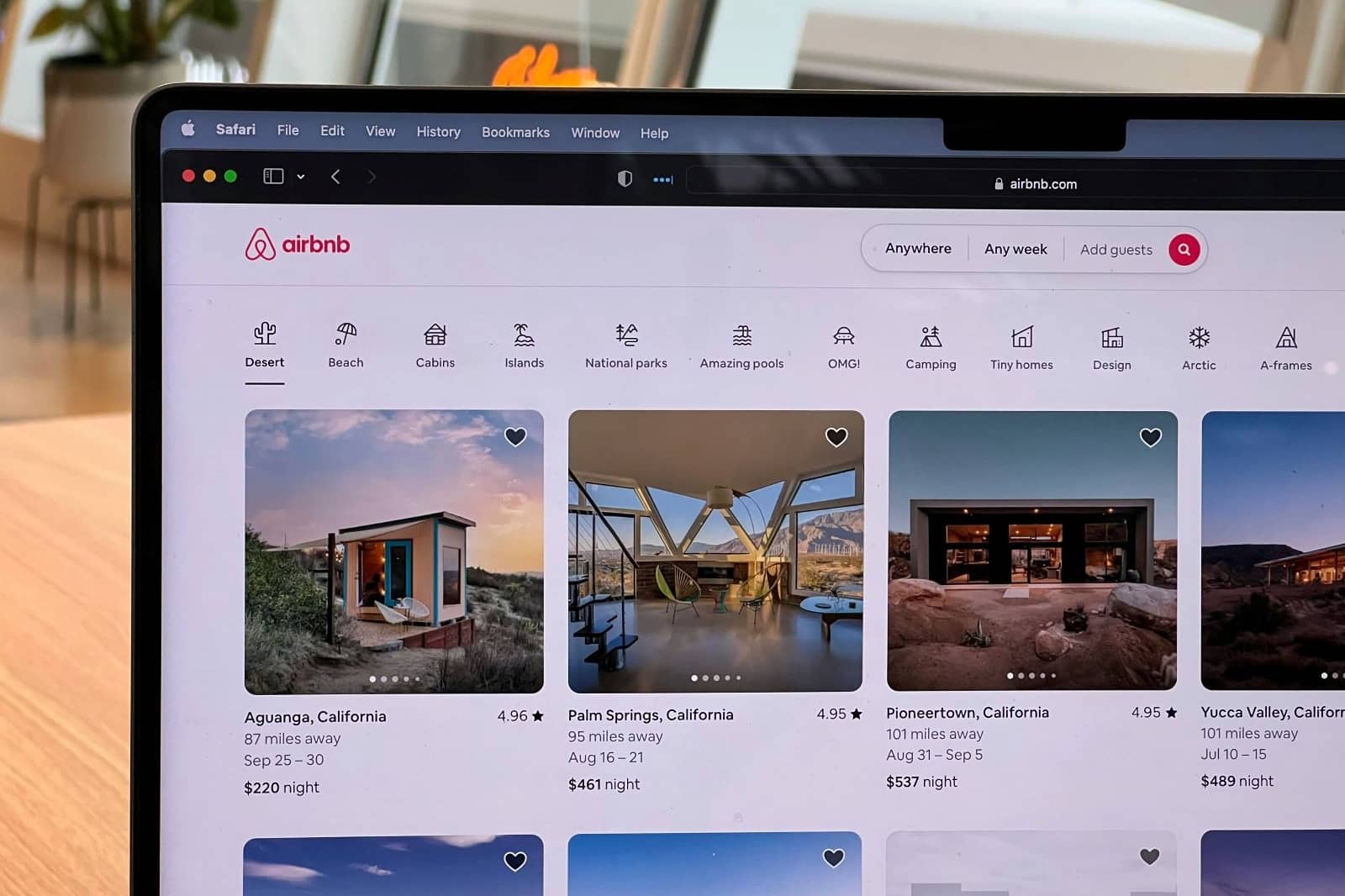
The overarching implication of these AI-driven features is a fundamental shift in how hosts and property managers must approach their online presence. The emphasis is no longer solely on creating an aesthetically pleasing listing, but on building a comprehensive, data-rich repository that the AI can leverage.
This is where external data analytics become crucial. Before undertaking any significant revisions to a listing, it is paramount to understand the property’s true competitive standing. Tools that provide neighborhood-level occupancy rates and average daily rates for comparable properties offer invaluable insights. This data allows hosts to discern whether issues stem from pricing, listing content, or other market factors. For example, if comparable properties in the same area consistently achieve higher occupancy rates at a similar price point, the problem might lie in the listing’s presentation or the amenities offered. Conversely, if average daily rates are significantly lower, pricing adjustments may be the primary concern.
Mashvisor’s Data API, for instance, provides access to occupancy rates and average daily rates for millions of short-term rentals across the US. This granular data allows hosts and property managers to establish a baseline performance metric against which they can measure their own listings. By understanding market dynamics, they can make informed decisions about content optimization, pricing strategies, and amenity investments, ensuring that their efforts are directed towards the most impactful areas.
Strategic Adjustments for Hosts and Property Managers
The strategic implications of Airbnb’s AI advancements are far-reaching and demand immediate attention from all stakeholders in the short-term rental market.
For individual hosts, the message is clear: passive listings are destined to underperform. Properties that actively provide the AI with abundant, high-quality data will gain a significant advantage. This means that listing descriptions, photo captions, detailed amenity lists, and even the contents of the house manual are no longer merely informational documents; they are now integral components of the booking engine’s training data. Vague or generic descriptions will yield similarly vague results, while specific, rich, and multi-dimensional content will be more effectively surfaced to the right guests at the opportune moment.
Property managers, in particular, must re-evaluate their review management strategies. The focus must extend beyond achieving high star ratings. Encouraging guests to provide detailed, attribute-specific feedback – such as comments on the property’s fast Wi-Fi, the quietness of the street, or its proximity to key attractions – will transform these reviews into valuable, indexable content that the AI can actively utilize. Post-checkout guest communication should be meticulously crafted to solicit these specific details, thereby enhancing the listing’s discoverability and appeal.
Furthermore, the traditional approach to photo strategy is being fundamentally upended. It is no longer sufficient to simply have visually appealing photographs. Listings now require functionally informative images that proactively answer common guest questions. This includes showcasing the home office setup, providing clear views of the backyard and its amenities, and illustrating the parking situation. Airbnb’s AI can now reference these images in real-time responses to guest queries, making visual content a critical component of the AI’s ability to convert interest into bookings.
The Broader Ecosystem Impact
The changes introduced by Airbnb’s Summer 2026 release represent more than a mere product update; they are the logical and inevitable outcome of a long-term strategy meticulously developed by CEO Brian Chesky. This strategy has centered on building the most comprehensive data profile of both guests and hosts within the travel industry and then strategically activating this data. The platform has now achieved a critical density of data, encompassing guest preferences, property characteristics, and booking patterns, enabling personalization at a scale that no individual host or property manager could ever replicate manually.
The positive aspect of this development is that the data advantage Airbnb is cultivating is ultimately derived from the hosts’ own contributions: their reviews, their photos, their listing details. Hosts who have invested in creating rich, detailed, and honest listings over the past several years are now sitting on a significant competitive asset. Conversely, those who treated their listings as a mere compliance exercise are now exposed to the limitations of their sparse data.
This juncture presents a critical opportunity for hosts and property managers to audit their listings not just for aesthetic appeal, but for depth and completeness. Key questions to consider include: What attributes of the property have not been adequately described? What potential guest questions could be answered more effectively through existing photographs? What crucial review themes are currently underrepresented? The booking algorithm has become considerably more sophisticated, and consequently, listing content must evolve to match this enhanced intelligence.
Before embarking on any content revisions, it is essential to establish a clear understanding of the property’s current market position. Tools like Mashvisor’s Property Finder and Short-Term Rental (STR) analytics provide access to actual Airbnb performance data, including occupancy rates, average daily rates, cash-on-cash returns, and neighborhood comparables. This data-driven approach ensures that optimization decisions are grounded in tangible market realities rather than conjecture.
Conclusion: The Algorithm as the New Salesperson
Airbnb has fundamentally transformed the booking process into a fully personalized experience. The platform now leverages a property’s reviews, photographs, and detailed listing data to construct a real-time, compelling case for or against that property in the eyes of every potential guest.
The hosts and property managers who recognize their listing content as a strategic asset will inevitably secure more bookings. Those who fail to adapt will find themselves increasingly marginalized, not due to the inferiority of their properties, but because of the thinness of their data. The AI is now actively engaged in the selling process. The onus is on hosts to ensure they have equipped it with sufficient, high-quality information to effectively represent their offerings and secure reservations in this evolving digital marketplace.

