
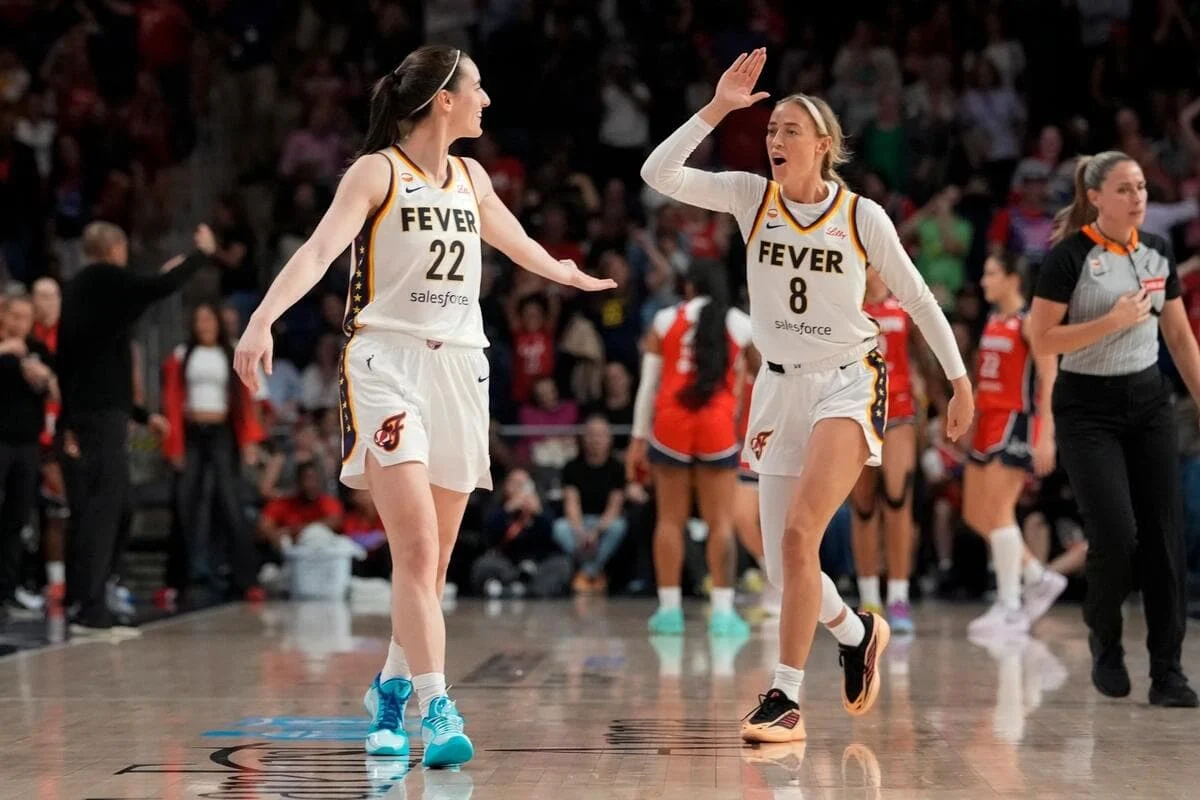
The Women’s National Basketball Association (WNBA) is currently experiencing an unprecedented surge in public attention and economic growth, largely propelled by the arrival of superstar rookie Caitlin Clark. This period of heightened visibility, however, has also brought to the forefront complex discussions surrounding competitive fairness, player demographics, and the league’s internal culture, sparking considerable debate among sports analysts, commentators, and the broader public. These conversations, recently highlighted in a segment of the Victor Davis Hanson: In His Own Words podcast, underscore the multifaceted challenges and opportunities facing the WNBA as it navigates its burgeoning popularity.
The Caitlin Clark Phenomenon and WNBA’s Economic Uplift
Caitlin Clark, drafted first overall by the Indiana Fever, has become a transformative figure for the WNBA. Her collegiate career, marked by record-breaking scoring and a captivating style of play, translated into immediate mainstream appeal upon her entry into professional basketball. Industry analysts and media observers widely attribute a significant portion of the WNBA’s recent financial and viewership boom directly to her presence.
According to various estimates, including those from AI-driven analytics cited by commentators, Clark’s impact on the league’s valuation, revenue, and public profile could be in the range of $1 billion. This figure encompasses increased attendance, merchandise sales, enhanced advertising packages tied to surging broadcast ratings, and unparalleled free publicity. For a league that, until recently, operated at a deficit and was primarily owned by the men’s NBA, Clark’s arrival has been a game-changer. Teams that once struggled financially are reportedly nearing profitability or breaking even. This newfound financial stability has enabled tangible improvements for players, including upgraded travel arrangements, with teams now utilizing chartered jets instead of commercial flights, and increases in player salaries and bonuses.
The surge in interest is evident in viewership numbers. Early season games featuring Clark’s Indiana Fever consistently broke WNBA viewership records on various networks, including ESPN, ABC, and Prime Video. Attendance figures have likewise skyrocketed, with many Fever games and road games selling out, demonstrating a broad appeal that extends beyond traditional WNBA fan bases. This commercial success stands in stark contrast to the league’s more modest profile in previous decades, positioning it at a critical juncture for future growth and expansion.
The Debate Over Transgender Athlete Participation
Amidst this economic revitalization, the WNBA, like many other sports organizations globally, is grappling with the contentious issue of transgender athletes participating in women’s sports. This debate centers on the balance between inclusion and competitive equity, particularly concerning transgender women who were assigned male at birth.
Commentators have observed a reluctance among some WNBA coaches and officials to explicitly state that only biological women should play in the league. This hesitation reflects a broader societal and institutional struggle to define gender in sports, where scientific understanding of biological differences intersects with evolving social definitions of gender identity. Critics argue that this ambiguity creates a perceived "absurdity," highlighting the biological advantages typically associated with male puberty, which some believe undermine the fairness of women’s sports.
A notable incident illustrating this complexity involved a Minnesota Lynx coach who wore a jacket displaying a message supporting transgender issues. This gesture was juxtaposed with the coach’s public comments advocating for more opportunities for women in coaching roles, criticizing the prevalence of men in women’s sports coaching. Critics, such as those on the Victor Davis Hanson podcast, identified a "logical inconsistency" in simultaneously supporting the participation of biological males in women’s athletic competitions (where they might dominate) while lamenting the dominance of men in women’s coaching. This highlights the difficult tightrope that many sports figures and organizations walk when trying to align various diversity and inclusion principles.
The discussion also frequently draws a distinction between the WNBA and the NBA. It is commonly noted that while the participation of transgender women in women’s sports is a prominent debate, there is virtually no comparable discussion about transgender men (who were assigned female at birth) playing in men’s professional leagues like the NBA. This disparity underscores the perception that biological advantages derived from male puberty are a primary driver of the controversy in women’s sports, a factor generally not present when considering transgender men in men’s sports.
WNBA Demographics and Perceived Cultural Dynamics
The WNBA has historically been recognized for its diverse player base, particularly in terms of race and sexual orientation. Data from various sources indicate that the league’s player roster is approximately 60-65% Black and a significant percentage, estimated between 30-40%, identifies as gay. This demographic composition has long been a point of pride for the league, which has often positioned itself as a progressive voice in sports, actively supporting LGBTQ+ rights and racial justice initiatives.
However, the rapid rise of players like Caitlin Clark and Sophie Cunningham, both described as white and heterosexual, has introduced new dynamics and, according to some observers, unforeseen tensions. Cunningham, a teammate of Clark’s, has also garnered significant media attention, including a viral social media moment and subsequent bikini photo shoots, which have further elevated her profile and contributed to the league’s growing visibility.
The commentary suggests that the sudden prominence of these two athletes has been met with a complex reaction within the league. While their star power is undeniable and demonstrably beneficial to the WNBA’s financial health, some critics perceive an underlying resentment or "tribalism" at play. The phrase "doesn’t look like America," often used by progressive voices to critique a lack of racial diversity, has been ironically turned on its head by some commentators to describe the WNBA’s specific demographic profile, implying a lack of "diversity" in other respects, such as race/ethnicity and sexual orientation from a mainstream American perspective.
Concerns Over Player Treatment and League Environment
A significant part of the ongoing controversy revolves around the perceived treatment of Caitlin Clark and Sophie Cunningham on the court. Critics point to what they describe as "gratuitous fouling" and overly aggressive play directed at these stars. Incidents such as Cunningham being elbowed in the jaw and similar rough treatment of Clark have fueled narratives of intentional aggression, potentially motivated by factors beyond standard competitive play.
These on-court incidents are further contextualized by broader observations about the league’s environment. Beyond individual players, the behavior of team personnel has also drawn scrutiny. An instance of a co-owner reportedly yelling at two young fans supporting Clark, for example, has been cited as contributing to a perception of "toxicity" within the WNBA.
This narrative suggests that despite the clear economic benefits brought by Clark and Cunningham, some within the league might be prioritizing other agendas, or expressing personal biases, potentially at the expense of fostering a universally appealing and welcoming environment. The argument is made that a "logical, rational person" would protect their "meal ticket" athletes, given their immense value to the league’s growth. However, the observed reactions, according to critics, suggest a different underlying dynamic, one that might be driven by identity politics, racialism, or "sexual-orientation chauvinism."
Broader Implications and Future Outlook
The confluence of economic success and cultural controversies presents a critical juncture for the WNBA. The league’s ability to capitalize on its newfound popularity while effectively addressing internal dynamics will determine its long-term trajectory.
One of the key implications of the current debates is the potential impact on fan engagement. While the WNBA has successfully attracted new viewers, a persistent narrative of "toxicity" or perceived unfairness could alienate segments of this new audience. Maintaining a balance between competitive intensity and sportsmanship, particularly concerning high-profile athletes, is crucial for preserving the integrity and appeal of the game.
The discussion around transgender athletes will continue to be a defining challenge for sports organizations worldwide. The WNBA’s approach to this issue will be closely watched, as it navigates the demands for inclusion from some advocacy groups against concerns for competitive fairness voiced by others, particularly cisgender women athletes and their supporters. The suggestion that some within the lesbian community might favor transgender participation as a means of "adding numbers" to a broader "victimized tribal group" is a provocative claim that speaks to the complexities of intersectional identity politics within progressive movements.
Looking ahead, some commentators have speculated about the potential for an alternative professional women’s basketball league. This hypothetical league, envisioned by some as a response to the perceived "toxic" environment of the WNBA, would prioritize athletic merit, avoid obsessive focus on race or sexual orientation, and aim to represent a broader, more "proportionally representative" vision of America. While such a development remains speculative, its very discussion highlights the depth of dissatisfaction among some observers with the current direction and perceived priorities of the WNBA.
Ultimately, the WNBA stands at a pivotal moment. The unprecedented star power of players like Caitlin Clark has provided a unique opportunity for growth and mainstream relevance. However, the ongoing debates surrounding identity, inclusion, competitive fairness, and league culture underscore the significant challenges that must be navigated for the WNBA to fully realize its potential as a prominent and unifying force in professional sports. The league’s leadership will need to carefully consider how it balances its social mission with its commercial imperative, ensuring that its policies and cultural environment foster broad appeal and sustainable success.

