
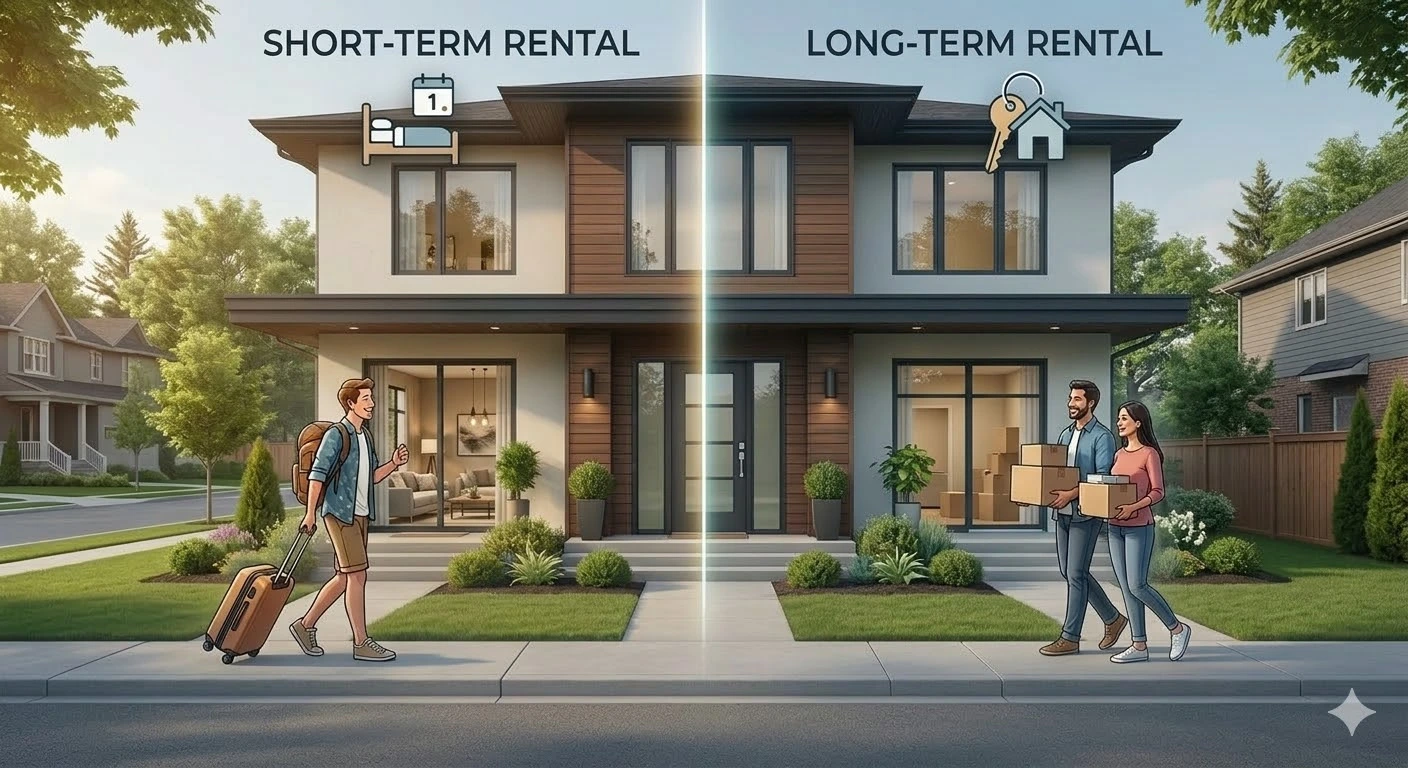
Just a few years ago, the allure of short-term rental properties, particularly those facilitated by platforms like Airbnb, promised a seemingly effortless path to passive income. College students were reportedly supplementing their earnings by renting out spare bedrooms, painting a picture of a low-barrier-to-entry investment. This perception, amplified by the surge in post-pandemic travel between 2021 and 2022, drew a significant influx of real estate investors into the short-term rental market. The prevailing narrative suggested that acquiring a property in almost any location and listing it on Airbnb could swiftly transform it into a cash-flowing asset. Market averages from that period often supported this notion, with short-term rentals demonstrably outperforming their long-term counterparts in numerous U.S. markets.
However, as 2026 unfolds, the landscape has undergone a significant transformation. The once-unstoppable growth in Airbnb occupancy and revenue has plateaued in many areas, concurrent with a notable increase in regulatory oversight. The notion of short-term rentals as a purely passive income stream has largely dissolved; it is now unequivocally a business requiring active management. Simultaneously, the traditional long-term rental market, while historically more stable, presents its own set of challenges. Amidst this evolving environment, a third category, the mid-term rental, has emerged as a viable alternative, further complicating the decision-making process for investors who can no longer rely on a single, clear-cut winner. Consequently, real estate investors are compelled to conduct a more thorough and nuanced evaluation of their rental property strategies.
Re-evaluating the Pillars of Rental Investment Strategy in 2026
The decision between short-term and long-term rental investments in 2026 necessitates a comprehensive re-evaluation of several critical factors, moving beyond the simplistic profitability metrics of previous years.
1. The Evolving Regulatory Framework
Historically, the regulatory environment for short-term rentals lagged behind their burgeoning popularity, allowing for easier market entry. However, this era has largely concluded. Today, most housing markets, especially those heavily reliant on tourism, have implemented stringent short-term rental regulations. Cities like New York City, Honolulu, Santa Monica, New Orleans, and San Francisco have enacted policies so restrictive they are often described as "de-facto" bans. These regulations can encompass a wide array of requirements, including:
- Licensing and Permit Requirements: Many municipalities now mandate specific licenses and permits to operate a short-term rental, often involving annual fees and rigorous application processes.
- Zoning Restrictions: Certain residential zones may be entirely off-limits for short-term rentals, or subject to limitations on the number of days a property can be rented out.
- Occupancy Limits: Regulations often dictate the maximum number of guests allowed per property, impacting potential revenue.
- Safety Standards: Mandates for smoke detectors, carbon monoxide detectors, fire extinguishers, and clear exit signage are common.
- Tax Obligations: Collection and remittance of occupancy taxes, lodging taxes, and sales taxes are now standard requirements.
- Neighbor Notification: Some jurisdictions require hosts to notify their immediate neighbors about their short-term rental operations.
The increasing complexity and enforcement of these rules mean that potential investors must thoroughly assess their capacity for legal compliance. Resources like Mashvisor’s portal, which tracks U.S.-wide short-term rental regulations, are becoming indispensable tools for this due diligence.
The legislative tide is also turning for traditional, long-term rentals. While landlords have long been subject to location-specific laws dating back to the 1920s, including:
- Fair Housing Laws: Prohibiting discrimination based on race, religion, national origin, sex, familial status, and disability.
- Landlord-Tenant Acts: Establishing rights and responsibilities for both parties, covering lease agreements, eviction procedures, and property maintenance.
- Building Codes and Safety Standards: Ensuring properties meet minimum habitability and safety requirements.
In 2026, new legislation is increasingly tilting the balance in favor of tenants, imposing greater costs and complexities on landlords. For instance, California has seen significant shifts, including:
- Tenant Protection Acts: Implementing statewide rent control measures and limiting just-cause evictions, making it more challenging and costly to remove tenants.
- Rent Relief Programs: While intended to assist tenants, these can introduce administrative burdens for landlords.
- Eviction Moratoriums: Past moratoriums, though largely expired, demonstrated the potential for government intervention that can disrupt landlord income.
Washington state has also witnessed similar trends, with:
- Rent Stabilization Measures: Introducing caps on annual rent increases.
- Just Cause Eviction Ordinances: Requiring landlords to provide specific, legally recognized reasons for eviction.
The ripple effect of such legislation is undeniable. Laws enacted and proven successful in major states often serve as models for other jurisdictions, suggesting that landlords in any location should anticipate evolving tenant protections. A comprehensive understanding of these legal intricacies is paramount, irrespective of the chosen rental strategy.
2. The Escalating Cost of Property Investment
The financial calculus of rental property investment has become considerably more complex. While short-term rentals have traditionally commanded higher per-night rates, their overall cost of operation has also surged. This trend is not exclusive to short-term rentals; the entire real estate market in 2026 is characterized by elevated prices for homes, coupled with increased property taxes, mortgage rates, and insurance premiums.
For short-term rental properties, the regulatory shifts translate directly into increased expenses. Annual fees for permits and registrations, substantial fines for non-compliance, and additional taxes can significantly impact profitability. The introduction of new platform fees by major booking sites in 2025 further exacerbated these costs for hosts. Beyond mandated expenses, the competitive landscape necessitates higher investment in property presentation and amenities. What was once considered a desirable extra, such as a hot tub in a market like Gatlinburg, Tennessee, is now often viewed as a baseline expectation for an Airbnb. The continuous effort to differentiate a property in an increasingly crowded market adds another layer of cost. Consequently, owning and operating a vacation rental in 2026 is a substantially more expensive undertaking than it was just a few years prior.
Long-term rental properties are also subject to rising operational costs. New tenant-centric laws may mandate costly upgrades, such as ensuring a functioning stove and refrigerator. Furthermore, growing tenant awareness and demand for energy efficiency mean that landlords are increasingly incentivized, or even required, to invest in making their rental units more energy-efficient, leading to higher upfront and ongoing expenses.
The days of relying on a "general idea" of startup and operational costs are over. Investors must now meticulously gather reliable cost estimates, alongside income projections, to accurately determine the cash flow potential of each strategy before committing capital.
3. The Dynamic Nature of Location and Demand
The geographic suitability for rental investments has always been a critical determinant of success, but in 2026, this factor demands even closer scrutiny. Beyond legal considerations, market dynamics have shifted significantly. Travel trends are notoriously volatile, and the issue of market oversaturation now plays a crucial role in location selection.
For traditional long-term rentals, demographic shifts are evident. A decade ago, larger urban centers dominated rental demand. Today, there is a marked migration towards the Southeast and Mountain West regions of the U.S., often referred to as the Sunbelt. Understanding these migration patterns is only part of the equation; the strategic positioning of an asset within these burgeoning markets is equally vital.
Daryl Fairweather, Chief Economist for Redfin, offers insights into these evolving trends. When asked about potential conversions from short-term to long-term rentals, Fairweather suggests that "Conversions are most likely where short-term economics weaken or regulations tighten." She elaborates that "markets with softening short-term rental revenue, but strong underlying demand for long-term housing are prime candidates for conversion. This often occurs in tourist destinations that have seen increased competition or regulatory hurdles for short-term rentals, while also experiencing population growth or stable rental demand from local residents." The critical takeaway is that "Conversions cluster where STR revenue softens but long-term fundamentals remain solid."
Regarding markets where short-term rentals might still outperform long-term rentals in 2026, Fairweather notes, "Yes, some markets will still favor STRs." She identifies these as "areas with consistently high tourism or business travel demand, such as major convention cities, popular vacation spots with unique attractions, or locations experiencing temporary surges in visitors due to events. Success in these markets often hinges on professional management, dynamic pricing strategies to capture peak demand, and a deep understanding of local tourism drivers." Her concluding remark emphasizes, "Passive Airbnb investments in random towns are risky."
This underscores the imperative for investors to thoroughly research and analyze which locations are most amenable to short-term, mid-term, or long-term rental strategies, recognizing that trends are fluid and require continuous monitoring.
4. The Evolving Profile of Occupants
A significant attraction of short-term rentals in their early days was the perceived simplicity of dealing with temporary guests. The assumption was that short-term visitors would pose fewer problems than long-term tenants, avoiding issues such as:
- Tenant Screening: The need for extensive background and credit checks was often bypassed.
- Evictions: The lengthy and legally complex process of evicting a tenant was not a concern.
- Property Damage: The potential for long-term wear and tear was thought to be minimized.
- Late Rent Payments: Consistent monthly income was anticipated without the risk of delinquency.
The Airbnb guest was often idealized as the perfect, hassle-free occupant. However, the reality has proven more complex. A growing number of anecdotal accounts and online forums detail negative experiences with short-term guests, including:
- Property Damage and Vandalism: Instances of guests causing significant damage, including parties, destruction of property, and theft.
- Disturbances to Neighbors: Noise complaints, parties, and other disruptive behavior impacting the local community.
- Unforeseen Issues: Guests engaging in illegal activities or creating situations that require immediate intervention.
- High Turnover Costs: The continuous cycle of cleaning, restocking, and preparing for new guests incurs significant ongoing expenses.
The reality of accommodating short-term guests often involves substantial costs for high-speed internet, hotel-like amenities, and professional cleaning services, which can quickly erode profit margins. In 2026, it is no longer a straightforward matter of one occupant type being inherently superior to another. Both short-term guests and long-term tenants require distinct management approaches, incurring specific costs and presenting unique risks. Investors must now carefully assess their capacity to manage these differing demands, implement robust risk mitigation strategies, and develop protocols for handling potential issues associated with each type of occupant.
5. The Shift from Passive to Active Management
The initial perception of short-term rentals as a source of passive income has been widely debunked. Online communities and forums for Airbnb and short-term rental hosts are replete with discussions highlighting the significant effort required to run a hospitality business. Unless outsourcing to a property management company, being an Airbnb host is an active investment.
Similarly, being a landlord of a long-term rental property is also an active role, contrary to any lingering misconceptions. While the nature of the effort differs, traditional rentals demand considerable attention at various junctures, including managing tenant turnover, handling emergency maintenance requests, and, in some cases, navigating the complexities of evictions.
Both short-term and long-term rental investments can be transformed into more passive ventures through the engagement of a professional property manager. However, the cost of such services is a critical consideration. Property management fees for long-term rentals typically range from 8% to 12% of the monthly rental income. For short-term rentals, these fees are considerably higher, often falling between 15% and 25% of gross revenue, reflecting the increased complexity and intensity of management required.
The fundamental reality in 2026 is that neither hosting short-term rentals nor managing long-term properties is inherently passive. Real estate investors must realistically assess their tolerance for day-to-day operations and the time commitment involved. Alternatively, factoring in the cost of professional management from the outset is essential for anyone pursuing a truly passive rental income strategy.
The Emergence of the Mid-Term Rental: A Strategic Middle Ground
The decision-making process for rental property investors is no longer confined to a simple dichotomy of short-term versus long-term. The rise of the mid-term rental property, also known as monthly rentals, has introduced a compelling third option. Mid-term rentals typically span periods of one to six months, and sometimes up to twelve months, positioning them as a hybrid between the fleeting nature of short-term stays and the extended commitment of long-term leases.
These rentals cater to a specific demographic, including traveling nurses and other healthcare professionals, individuals on extended business assignments or long holidays, digital nomads, and those in the process of relocating. The unique tenant profile of mid-term rentals often translates into success in distinct geographic areas, such as:
- Cities with Major Hospitals or Healthcare Systems: Providing accommodation for traveling medical staff.
- Areas with Corporate Relocation Hubs: Catering to employees temporarily assigned to a new location.
- College Towns: Offering housing options during academic breaks or for visiting faculty.
- Destinations Popular with Digital Nomads: Attracting remote workers seeking longer stays.
A significant advantage of mid-term rentals is their ability to often sidestep the stringent regulations that govern short-term stays. While short-term rentals may boast higher average daily rates (ADRs), mid-term rentals frequently achieve higher occupancy rates. This, coupled with reduced turnover costs and fewer cleaning fees compared to short-term rentals, can lead to superior overall profitability within the same real estate market.
When contrasted with traditional long-term rental properties, mid-term rentals offer enhanced flexibility and are typically furnished. Consequently, tenants are often willing to pay a premium, with some data suggesting an additional $600 to $800 per month compared to a standard long-term lease. This compelling blend of predictable cash flow, reduced regulatory burdens, and premium pricing positions mid-term rentals as a strategic option that investors must now consider when evaluating their rental property portfolios in viable markets.
Short Term vs. Mid Term vs. Long Term: Navigating the Choice
The ultimate decision regarding a rental strategy hinges on a confluence of factors, with location and an investor’s risk tolerance playing pivotal roles. Ultimately, the guiding principle should be the pursuit of the rental strategy that promises the highest cash flow and return on investment. The utilization of reliable market data, encompassing Airbnb occupancy rates, long-term rent estimates, and historical performance trends, is indispensable for accurately forecasting profitability before any acquisition. Platforms like Mashvisor offer integrated tools that leverage extensive short-term and long-term rental data, enabling investors to swiftly assess the potential performance of listings. For mid-term rentals, integrating supplemental data with these existing tools can provide a comprehensive picture of future earnings potential.
7. The Strategic Next Move: Convert or Sell?
For some real estate investors, 2026 represents a pivotal year for re-evaluating their existing rental properties. A short-term rental that was once a lucrative venture may now be hampered by market oversaturation, leading to diminished profit margins, or rendered legally unviable by new regulations. In such scenarios, investors face a critical decision: convert the property to a long-term rental or sell it.
This decision is far from simple and necessitates a rigorous examination of current real estate market trends and an investor’s individual financial circumstances. Is it an opportune moment to sell, or would holding onto the property for a future sale yield greater profits? Can the property be sustained without incurring negative cash flow while awaiting a buyer? How are long-term rentals performing in the same market?
Daryl Fairweather offers guidance on when an investor might consider selling a vacation property instead of converting it to a long-term rental: "An investor should consider selling when the property no longer justifies the complexity and risk of short-term rentals or when the capital could be better used elsewhere." She further elaborates that "selling is advisable if the property’s returns have significantly diminished, market conditions are favorable for a profitable sale, or if regulatory changes have made the short-term rental strategy unfeasible or excessively burdensome." The bottom line, according to Fairweather, is to "Sell if the property no longer provides strong returns, market prices are favorable, or regulations make your STR strategy unprofitable."
If the market conditions and financial analysis support the conversion of a short-term rental to a long-term one, Fairweather suggests focusing on key areas: "If converting makes sense, focus on these four things." These include:
- Property Condition: "Ensure the property meets the standards for long-term rentals, which may differ from short-term requirements."
- Tenant Appeal: "Furnishings and amenities should align with the expectations of long-term tenants, potentially involving some staging or removal of short-term specific items."
- Lease Agreements: "Develop a comprehensive and legally sound long-term lease agreement that clearly outlines terms and responsibilities."
- Market Analysis: "Thoroughly research local long-term rental rates and demand to set competitive pricing and attract suitable tenants."
Her concluding advice is that "Long-term rentals offer predictability over upside. Treat the conversion as a strategic business decision."
Conclusion: Data-Driven Decisions in a Dynamic Market
The real estate investment landscape, encompassing both short-term and long-term rental markets, has undergone profound changes. However, the enduring truth remains: investment opportunities are abundant. The critical distinction in 2026 lies in the necessity for greater selectivity and a steadfast reliance on data to inform investment decisions.
For investors steadfast in their preference for a particular strategy, the key is to identify the optimal real estate market and property that align with that chosen approach. Tools such as Mashvisor are invaluable in this process, offering data-backed insights to guide investors in making informed decisions about the most profitable rental strategy for any given listing.
Frequently Asked Questions
Can short-term rentals still be profitable in 2026?
Yes, short-term rentals can still be profitable in 2026, but profitability is contingent upon a careful analysis of location, prevailing regulations, occupancy rates, and operating costs. In tourism-dependent markets with robust demand, Airbnb rentals may indeed generate higher income than traditional leases. However, a thorough assessment of local laws and competitive dynamics is imperative before committing to an investment.
What is the difference between short-term, mid-term, and long-term rentals?
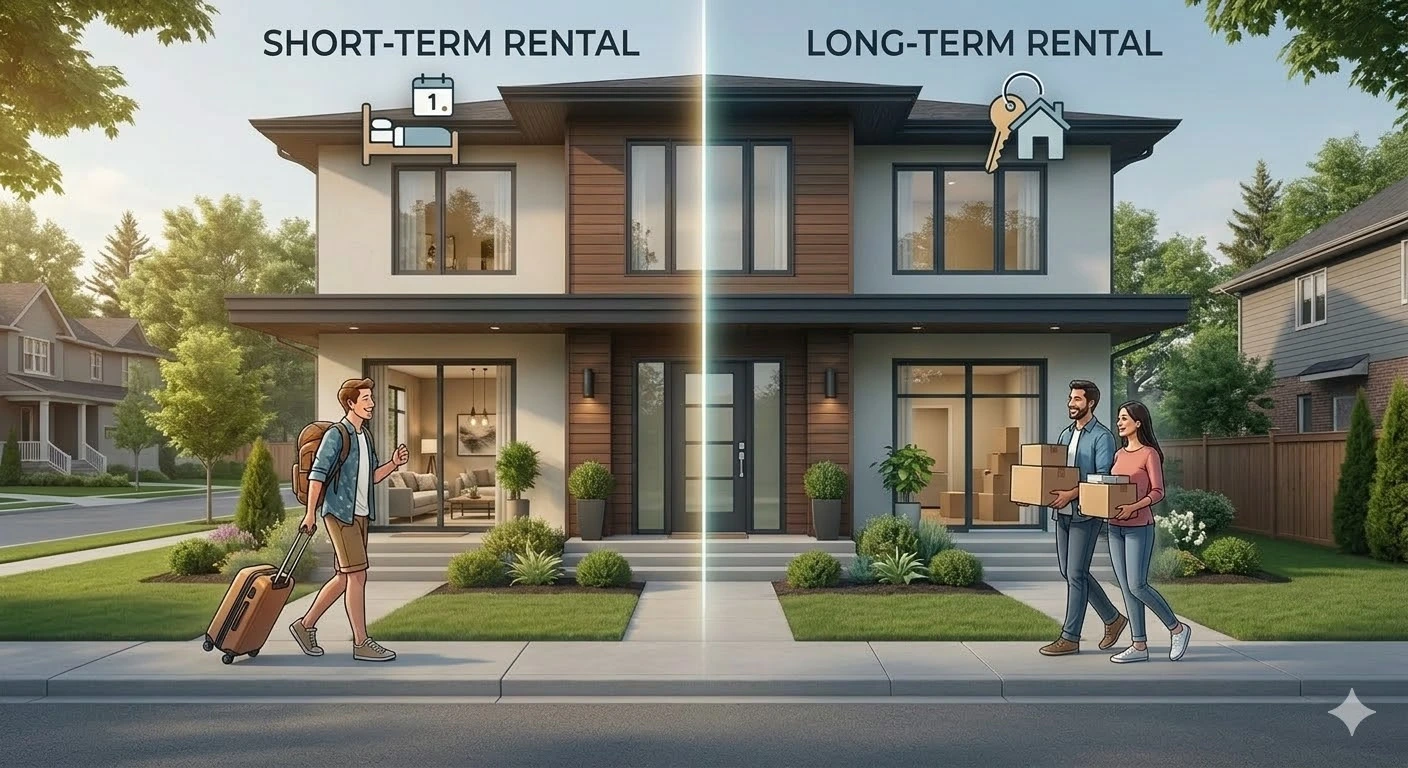
Short-term rentals are typically rented for periods ranging from a few nights to several weeks, often facilitated by platforms like Airbnb. Mid-term rentals generally span one to six months and are popular among traveling professionals or digital nomads. Long-term rentals are traditional leases lasting six to twelve months or more, providing landlords with a more stable income stream.
Which rental strategy offers higher revenue: short-term or long-term?
Short-term rentals often generate higher revenue per night due to premium pricing. However, long-term rentals offer more stable monthly income and typically involve lower management costs. The most profitable strategy ultimately depends on a complex interplay of factors, including local tourism demand, rental regulations, property prices, and projected occupancy rates.
Is Airbnb more profitable than long-term rentals in 2026?
Airbnb can generate higher income in high-demand markets, particularly in tourist destinations. However, it also necessitates more active management, incurs higher operating costs, and requires strict adherence to local regulations. Long-term rentals, conversely, tend to offer more predictable cash flow and fewer day-to-day management responsibilities.
How should investors choose between short-term and long-term rental strategies?
Investors should compare projected rental income, anticipated occupancy rates, operational expenditures, and local regulatory environments before selecting a rental strategy. Analyzing historical rental data and prevailing market trends is crucial in determining whether a property is likely to perform better as a short-term or long-term rental.

