
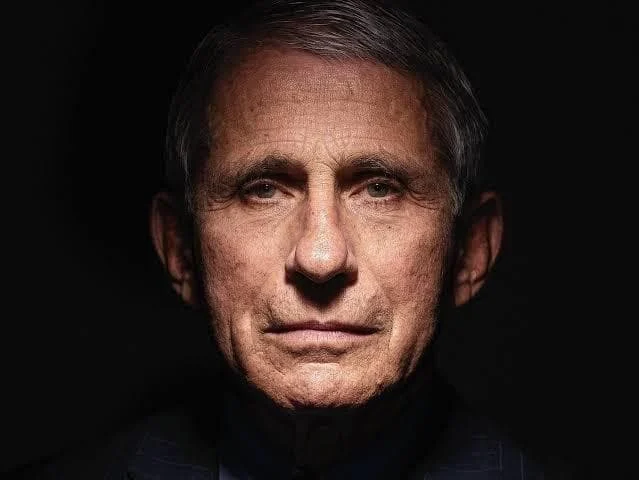
Washington D.C. – Dr. Anthony Fauci, the former director of the National Institute of Allergy and Infectious Diseases (NIAID) and chief medical advisor to the President, appeared before a congressional committee this week, where he repeatedly invoked the Fifth Amendment in response to numerous questions from senators. His refusal to answer on the advice of legal counsel has rekindled a fervent national debate surrounding the federal government’s handling of the COVID-19 pandemic, raising profound questions about accountability, the immense economic and social costs incurred, and the lasting impact on American society.
The Congressional Testimony and Legal Implications
The hearing, convened by the House Select Subcommittee on the Coronavirus Pandemic, focused on various aspects of the government’s pandemic response, including the origins of the SARS-CoV-2 virus, the efficacy of implemented policies such as lockdowns and mask mandates, and alleged suppression of scientific dissent. Dr. Fauci, a central figure in the nation’s public health strategy for over four decades, including the entirety of the COVID-19 crisis, chose to exercise his constitutional right against self-incrimination. The Fifth Amendment to the U.S. Constitution states that "No person…shall be compelled in any criminal case to be a witness against himself." This legal maneuver, while constitutionally protected, is often perceived by the public as an admission of culpability or an attempt to conceal information, intensifying the scrutiny on his past actions and recommendations.
The decision to invoke the Fifth Amendment comes amidst ongoing investigations and public demands for transparency regarding decisions made during the pandemic. Critics of the government’s response have long sought a comprehensive review of policies that significantly altered daily life, commerce, and education. Proponents of Dr. Fauci’s actions often cite the unprecedented nature of the public health crisis and the rapidly evolving scientific understanding at the time, arguing that decisions were made with the best available information to save lives. However, the legal tactic employed by Dr. Fauci’s counsel underscores the seriousness of the potential legal ramifications, which could range from civil liability to criminal charges, depending on the nature of any alleged misconduct.
Dr. Fauci’s Pivotal Role and the Evolution of Pandemic Policies
Dr. Anthony Fauci served as the director of NIAID for 38 years, advising seven U.S. presidents on a range of public health issues, from HIV/AIDS to Ebola. During the COVID-19 pandemic, he became the public face of the U.S. response, frequently appearing alongside political leaders to communicate public health guidance. His pronouncements and recommendations, often delivered daily through press briefings, significantly shaped federal and state policies.
The initial phase of the pandemic response in early 2020 was marked by calls for "two weeks to slow the spread," intended to flatten the curve of infections and prevent healthcare systems from being overwhelmed. This quickly evolved into prolonged lockdowns, business closures, school shutdowns, and widespread mask mandates. Key policy shifts and public health recommendations throughout 2020 and 2021 included:
- March 2020: Initial federal guidelines for social distancing and non-essential business closures.
- April 2020: CDC recommended universal masking, a reversal from earlier guidance.
- Summer 2020: Continued debates over school reopenings, with many remaining virtual.
- December 2020: Rollout of the first COVID-19 vaccines under Emergency Use Authorization.
- 2021: Intensified campaigns for vaccination, booster shots, and discussions around vaccine mandates for various sectors.
These policies, while intended to mitigate the spread of the virus and save lives, sparked intense debate and had far-reaching consequences beyond public health.
The Unacknowledged Economic and Social Toll
While the immediate focus of congressional inquiries often centers on specific policy decisions and their scientific basis, the broader conversation reignited by Dr. Fauci’s testimony highlights the profound and often unacknowledged collateral damage to the American economy and social fabric. Many individuals and businesses across the nation experienced unprecedented losses, with their livelihoods fundamentally altered by government mandates rather than the virus itself.
Economic Devastation and Small Business Catastrophe:
The initial "two weeks to slow the spread" quickly morphed into months and even years of restrictions for many sectors. Data from the Bureau of Labor Statistics shows that the U.S. unemployment rate surged from 3.5% in February 2020 to a staggering 14.7% in April 2020, representing the highest rate and largest month-over-month increase in the history of the series. While many jobs eventually returned, the impact on small businesses was often permanent. A study by the National Bureau of Economic Research estimated that 3.3 million small businesses were temporarily closed by April 2020, with hundreds of thousands failing permanently. The hospitality and food service industries were particularly devastated, facing capacity restrictions, indoor dining bans, and supply chain disruptions. Yelp reported that over 60% of business closures in 2020 became permanent.
The experience of entrepreneurs like Mollie Engelhart, as detailed in an opinion piece for The Epoch Times, serves as a poignant example of this broader trend. Engelhart described being weeks away from selling her restaurant company in a $31 million deal when the "two weeks to slow the spread" policies were enacted. The subsequent prolonged government-imposed restrictions led to the collapse of the deal and ultimately the destruction of businesses she and her husband had spent decades building, forcing them to start over from scratch at mid-life. This narrative is not isolated; countless American families saw their retirement savings drained, marriages strained by financial pressure, homes lost, and careers ended as a direct consequence of the economic shutdown. These losses, while catastrophic to individuals, often do not appear on government balance sheets, representing a hidden cost of the pandemic response.

Societal and Public Health Implications Beyond the Virus:
Beyond the economic fallout, the pandemic response triggered a cascade of societal challenges.
- Education: Prolonged school closures led to significant learning loss, particularly for disadvantaged students, and exacerbated mental health issues among children and adolescents. The CDC reported a substantial increase in emergency department visits for mental health concerns among adolescents during the pandemic.
- Mental Health: Adults also experienced a surge in anxiety, depression, and substance abuse. The Kaiser Family Foundation reported that by early 2021, 4 in 10 adults in the U.S. reported symptoms of anxiety or depressive disorder, up from 1 in 10 in 2019.
- Social Cohesion and Trust: The intense debates over masks, vaccines, and lockdowns led to deep societal polarization, eroding trust in public institutions, scientific authorities, and even neighbors.
- Erosion of Individual Liberty: The unprecedented scope of government mandates sparked a vigorous debate about the balance between public health authority and individual freedoms, a debate that continues to resonate in political discourse.
The Dynamics of Public Compliance and Evolving Understanding
The original article highlights a critical, introspective point: the role of "we, the people" in complying with pandemic policies. While anger is often directed at figures like Dr. Fauci, the author also expresses frustration with the broader public’s widespread compliance. This raises important questions about how societies respond to crisis, the influence of fear, media narratives, and social pressure.
Early in the pandemic, there was broad consensus on the severity of COVID-19 and the need for collective action. However, as scientific understanding evolved, particularly regarding differential risk based on age and health status, and as the long-term consequences of policies became clearer, the narrative struggled to adapt. The initial belief that "bureaucrats knew better than families, business owners, pastors, physicians, and neighbors" was challenged by many who felt their voices and lived experiences were dismissed.
For instance, early data suggested that children and healthy young adults faced extraordinarily low risks from COVID-19 compared to the elderly and those with serious underlying health conditions. Yet, policies often treated all demographic groups similarly, leading to questions about proportionality and targeted interventions. The fear-driven narrative, while effective in galvanizing initial compliance, often overshadowed nuanced discussions about the evolving evidence and the trade-offs inherent in public health interventions. Questioning policies frequently became stigmatized, sometimes more so than questioning their actual effectiveness or their devastating side effects.
Calls for Accountability and the Quest for "I’m Sorry"
The sentiment expressed by the author’s husband – "Is anybody ever going to say, ‘I’m sorry. I was wrong. It cost you and your family everything?’" – encapsulates a widespread yearning for acknowledgement and accountability. This is not merely a demand for a personal apology but a call for a systemic reckoning with the decisions made during an unprecedented crisis.
The concept of accountability in this context extends beyond individual bureaucrats to encompass a national failure involving multiple layers of governance and societal actors. Governors issued orders, county health departments enforced them, school boards complied, corporate executives complied, and church leaders complied. Republicans and Democrats alike largely fell in line, at least initially. This broad-based compliance, whether driven by fear, trust in authority, social pressure, or a genuine belief in the necessity of the measures, contributed to the collective response.
The lack of official acknowledgments of the devastating consequences of some policies has left many feeling unheard and unrepresented. While intentions may have been good, the article rightly asserts that "good intentions can still produce devastating consequences, and when those consequences permanently alter millions of lives, accountability matters. Humility matters. The willingness to simply say, ‘We were wrong,’ matters."
Looking Forward: Rebuilding Trust and Redefining Crisis Response
The ongoing congressional inquiries and the public discourse surrounding Dr. Fauci’s testimony underscore the imperative for a thorough, unbiased post-mortem of the pandemic response. Such an analysis would involve:
- Transparent Data Review: A comprehensive review of all data, including economic and social impact metrics, alongside public health outcomes.
- Policy Efficacy Assessment: An honest evaluation of which policies achieved their stated goals and which resulted in disproportionate harm.
- Communication Strategies: An examination of how scientific information was communicated to the public, the role of media, and the management of dissent.
- Lessons for Future Crises: Developing robust frameworks for future public health emergencies that balance disease mitigation with economic stability, individual liberties, and societal well-being.
The long-term implications of the pandemic response extend to the very foundations of American democracy and public trust. Rebuilding trust in institutions, fostering open scientific debate, and ensuring accountability for decisions that profoundly impact citizens’ lives are crucial steps toward healing the divisions and strengthening the nation’s resilience against future challenges. While the question "Is anybody ever going to say, ‘I’m sorry. I was wrong. It cost you and your family everything?’" may remain unanswered in a personal capacity, the demand for a comprehensive, factual, and humble assessment of the pandemic era continues to resonate across the country. This week’s congressional hearing, marked by the invocation of the Fifth Amendment, clearly indicated that for many, that day of full reckoning has not yet arrived.

