
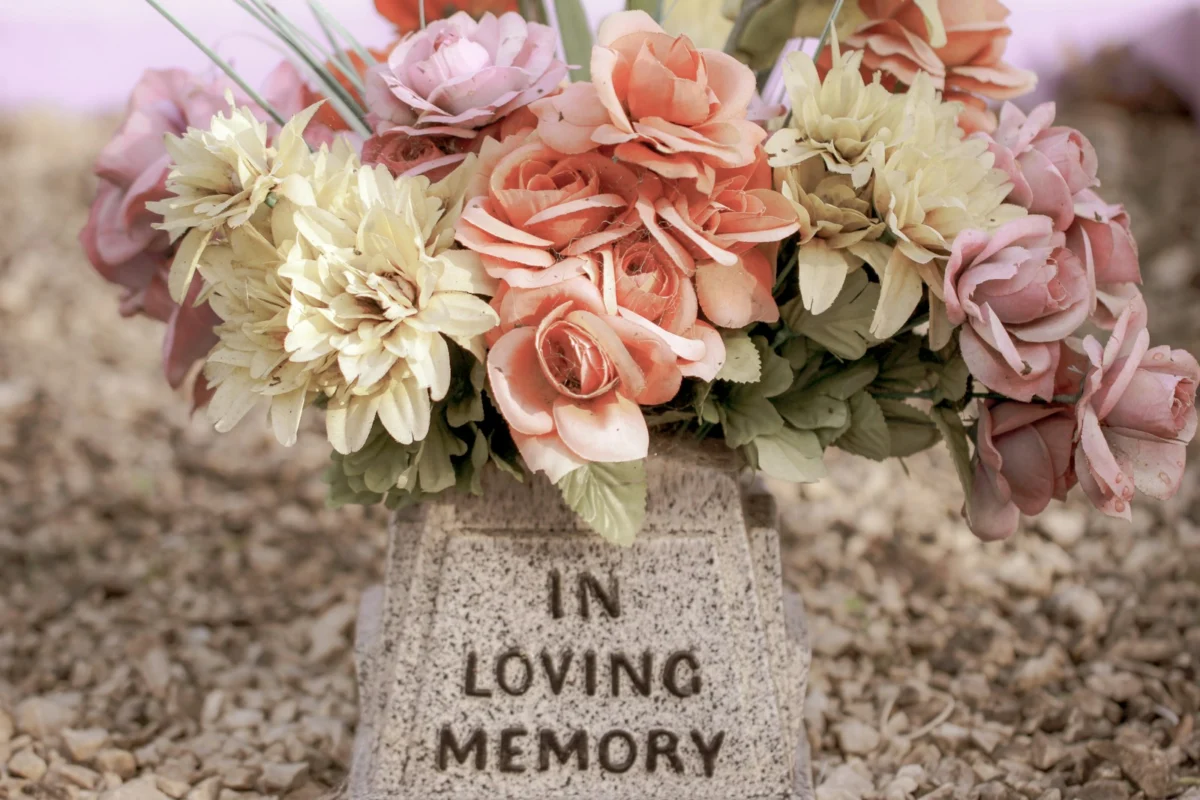
The profound emotional weight following the loss of a loved one often clashes with the immediate need to make significant financial decisions regarding their final disposition. For centuries, traditional burial stood as the prevailing custom, deeply embedded in cultural and religious practices. However, recent decades have witnessed a notable shift in preferences, with cremation emerging as an increasingly popular alternative. This evolution is driven by a confluence of factors, primarily the substantial cost differential between the two options, coupled with changing societal values, environmental considerations, and a desire for greater flexibility in memorialization. Understanding the intricate financial implications and broader contextual factors of both burial and cremation is paramount for individuals and families facing these sensitive choices.
The Evolving Landscape of Final Disposition: A Historical Perspective
Historically, burial has been the cornerstone of funerary practices across much of the Western world, rooted in religious doctrines and traditions that emphasized the sanctity of the body and the importance of a designated resting place. This long-standing dominance meant that the infrastructure, customs, and associated costs of traditional burials became deeply entrenched. Families typically opted for a full funeral service, embalming, a casket, a burial plot, and a headstone, often without fully comprehending the cumulative financial burden until faced with the actual expense.
The latter half of the 20th century, particularly from the 1970s onwards, marked the beginning of a gradual but consistent rise in cremation rates. This trend accelerated into the 21st century, transforming the funeral industry landscape. In the United States, for instance, the cremation rate surpassed the burial rate for the first time in 2015, reaching 48.5% compared to 45.4%. By 2022, the National Funeral Directors Association (NFDA) reported that the cremation rate had climbed to an estimated 59.1%, while traditional burial accounted for 35.7%. Projections indicate this trend will continue, with cremation rates potentially reaching nearly 80% by 2045. Similar patterns are observed globally, with countries like Japan, South Korea, and the UK having even higher cremation rates, often exceeding 70-80%.
Several factors underpin this demographic shift. Economic pressures play a significant role, as families increasingly seek more affordable options. Beyond cost, environmental awareness has grown, leading some to view cremation as a more ecologically conscious choice compared to land-intensive burials and embalming practices. Furthermore, increasing geographic mobility means families are often dispersed, making a single, fixed burial plot less practical for visitation. Changing religious and spiritual beliefs, along with a desire for more personalized and less formalized memorial services, also contribute to cremation’s appeal.
Deconstructing the Costs: The Complexities of Traditional Burial
Traditional burial, while offering a familiar and structured grieving process, is almost invariably the more expensive option. Many individuals mistakenly believe that the primary costs involve merely a casket and a fee to the funeral home. In reality, a comprehensive traditional burial can easily accumulate expenses comparable to, or even exceeding, the cost of a new automobile, often ranging from $10,000 to $15,000, and potentially much higher depending on choices made.
The Casket: A Primary Expenditure
Among the myriad expenses associated with a traditional burial, the casket often represents the single largest cost. Caskets serve both a cultural and practical purpose: providing a dignified vessel for the deceased and, along with a grave liner, preventing the collapse of soil in the grave under the weight of cemetery maintenance equipment. Casket prices vary wildly based on material, design, and interior finishes. Basic models made from particleboard or pressed wood can start around $1,000, while those crafted from steel, hardwoods (like mahogany, walnut, or cherry), or even precious metals can easily range from $3,000 to $10,000, with luxury options soaring into tens of thousands of dollars.
A crucial point for consumers is the significant markup on caskets purchased directly from funeral homes. The Federal Trade Commission’s (FTC) "Funeral Rule," enacted in 1984, grants consumers the right to purchase caskets from third-party vendors without being charged a handling fee by the funeral home. Savvy consumers can often realize substantial savings by exploring independent casket retailers or even manufacturers, where prices can be considerably lower.
Funeral Home Service Fees: A Detailed Breakdown
Beyond the casket, funeral homes charge a comprehensive set of fees for their services, which can include:
- Basic Services Fee: A non-declinable charge covering the funeral director’s time, overhead, planning, and administrative duties. This fee alone can range from $2,000 to $3,000.
- Embalming: Required for viewings or open-casket services, embalming costs typically range from $700 to $1,000. If no viewing is planned, embalming may not be legally necessary, but funeral homes may recommend it for preservation.
- Preparation of the Body: This includes dressing, cosmetology, and restorative art, adding several hundred dollars.
- Use of Facilities for Viewing/Visitation: Charges for using the funeral home’s space for a wake or visitation, often $400-$600 per day.
- Use of Facilities for Funeral Service: Fees for holding the funeral ceremony at the funeral home, comparable to visitation fees.
- Transportation: Charges for a hearse, limousine, and other service vehicles (e.g., flower car), which can total $500-$1,000 or more depending on distance.
- Staffing: Fees for funeral home staff to assist with the service, direct traffic, and manage arrangements.
Cemetery Expenses: The Cost of a Final Resting Place
Even after the funeral home and casket costs are tallied, significant expenses remain for the interment itself.
- Burial Plot: The cost of a burial plot is highly variable, influenced heavily by geography, demand, and exclusivity. In rural areas, a plot might cost between $500 and $5,000. However, in densely populated metropolitan areas or prestigious cemeteries, the price can escalate dramatically, ranging from $9,000 to $20,000, and even higher for prime locations or private garden sections.
- Grave Liner or Burial Vault: Most cemeteries mandate the use of a grave liner or burial vault. These outer containers, typically made of concrete or steel, encase the casket to prevent the ground from sinking as the casket deteriorates, maintaining the cemetery’s aesthetic and structural integrity. Prices usually range from $1,000 to $3,000.
- Opening and Closing Fees: These are labor charges for digging the grave, preparing it for interment, and then filling it back in. These fees typically run between $1,000 and $2,000.
- Headstone or Grave Marker: A permanent memorial, whether a flat marker or an upright monument, involves costs for the stone itself, engraving, and installation. Depending on material (granite, marble), size, and customization, this can range from $1,000 to $5,000 or more.
Ancillary Costs:
Additional expenses, often overlooked, can further inflate the total cost: clergy fees, musicians, printed memorial materials, death certificates (multiple copies are often needed), obituary notices in newspapers, and floral arrangements. Individually minor, these can collectively add several hundred to over a thousand dollars to the final bill.
Cremation: A Streamlined and Often More Affordable Option
In stark contrast to the multi-faceted costs of traditional burial, cremation generally presents a far simpler and significantly more affordable option, even when additional services are included. This affordability is a primary driver behind its surging popularity.
Direct Cremation: The Most Economical Choice
The most basic and economical form of cremation is "direct cremation." This involves the prompt cremation of the deceased shortly after death, without embalming, viewing, or a formal funeral service. The remains are then returned to the family in a basic container or urn. The cost for a direct cremation typically ranges from $1,000 to $3,000, a drastically lower figure compared to even the simplest traditional burial. This fee usually covers the transportation of the deceased, the cremation process, a basic container for the ashes, and the necessary administrative paperwork.
Cremation with Memorial Services: Balancing Cost and Commemoration
While direct cremation prioritizes affordability, many families still desire a meaningful way to honor their loved one. Cremation offers immense flexibility in this regard, allowing for various types of memorial services that are often still less expensive than a full burial.
- Cremation with a Memorial Service: If a family opts for a memorial service after the cremation, costs might range from $3,000 to $7,000. This typically includes the direct cremation fee plus charges for renting a venue (which could be a funeral home, church, community center, or even a personal residence), an officiant, memorial programs, and perhaps catering for a reception. The absence of embalming, a casket, and cemetery plot fees significantly reduces the overall cost.
- Cremation with a Viewing/Funeral Service Before Cremation: Some families choose to have a traditional viewing or funeral service with the body present before cremation. In such cases, embalming would be required, and charges for facilities, preparation, and potentially a rental casket (or a lower-cost viewing casket) would apply. This option blurs the financial lines between burial and cremation, pushing costs higher, potentially into the $5,000 to $10,000 range, but still often avoiding the long-term cemetery plot and grave liner expenses.
Optional Cremation-Related Expenses:
Even with cremation, there are optional expenses that families might consider:
- Urns: While a basic container is typically included, families often choose a more personalized urn for aesthetic or commemorative reasons. Urns vary widely in material (wood, metal, ceramic, biodegradable), design, and price, ranging from under $100 to several thousand dollars for artisan or custom pieces.
- Ash Disposition: Options for the final disposition of ashes are diverse and can incur additional costs:
- Columbarium Niche: Placing the urn in a niche within a columbarium (a structure designed for urns) can cost from $500 to $3,000 or more, depending on location and exclusivity.
- Burial of Urn: Burying an urn in a cemetery plot is an option, requiring a smaller plot and potentially a vault for the urn, with costs generally lower than a full casket burial.
- Scattering Services: Some services offer professional scattering at sea or in significant natural locations, which may involve a fee.
- Memorial Jewelry/Art: Transforming a portion of the ashes into jewelry, glass art, or even incorporating them into paint for a memorial painting offers unique ways to honor the deceased, with costs varying widely based on the artisan and materials.
Beyond Financial Considerations: The Multifaceted Value of Cremation
While cost is undeniably a primary factor influencing the shift towards cremation, its value extends far beyond mere financial savings. Cremation offers significant advantages in terms of flexibility, environmental impact, and personalization, aligning with modern lifestyles and values.
Flexibility and Personalization:
"When a family chooses cremation, they’re not just choosing the lower-cost option; they’re choosing flexibility that lets them honor a life in a personal way," states Susan Fraser, founder of In The Light Urns, who has guided families through memorial decisions since 2001. This flexibility is a cornerstone of cremation’s appeal. Families are not bound by the immediate need for a cemetery plot or a fixed schedule for a burial service. Memorial services can be held at any time, in any location, allowing families to grieve and commemorate at their own pace and in a manner that truly reflects the life of the deceased. This can range from intimate gatherings at home to grand celebrations of life in unique settings.
The ashes themselves provide a tangible connection that can be kept close, divided among family members, scattered in a meaningful place, or incorporated into various keepsakes. This ability to personalize the memorialization process is a powerful draw for many, allowing for creative and deeply personal tributes that may not be feasible with traditional burial.
Environmental Considerations:
Growing environmental consciousness has also played a role in cremation’s rise. Traditional burial practices involve land usage for cemeteries, the use of non-biodegradable caskets and vaults, and embalming fluids containing chemicals like formaldehyde, which can leach into the soil. While cremation does involve energy consumption and carbon emissions, advancements in technology and the emergence of "green cremation" options (such as alkaline hydrolysis, often called "water cremation") offer more environmentally friendly alternatives. Green burials, which eschew embalming and non-biodegradable materials, also present an eco-conscious alternative, but still typically involve land use and associated plot costs.
Geographic Mobility:
In an increasingly mobile society where families often live in different cities, states, or even countries, a fixed burial plot can become a distant and infrequently visited monument. Cremation addresses this challenge by allowing families to transport ashes easily, bringing a loved one’s remains with them as they move, or scattering them in a location that holds special significance for the family or the deceased. This practicality resonates with contemporary demographic trends.
Evolving Religious and Cultural Acceptance:
While some religious traditions, such as Orthodox Judaism and Islam, strictly prohibit cremation, many others have either historically accepted or increasingly come to accept it. Protestant denominations largely accept cremation, and the Catholic Church, while still preferring burial, officially permitted cremation in 1963, provided it is not chosen to deny the resurrection of the body, and encourages the respectful interment of ashes in sacred ground. This broader religious acceptance has removed a significant barrier for many families considering cremation.
Expert Perspectives and Consumer Empowerment
Navigating end-of-life decisions requires not only emotional fortitude but also informed consumerism. Funeral directors, financial planners, and grief counselors all emphasize the importance of pre-planning and open communication.
"I’ve worked with thousands of families balancing budgets with meaning," says Susan Fraser. "Cremation typically costs far less than a traditional burial. There’s no plot to purchase, no vault fees, none of the added expenses that drive burial costs so high. Families can put that difference toward a custom urn or keepsake that actually reflects the person. It doesn’t replace grief, but it removes the financial pressure so healing can start." This highlights the often-underestimated psychological burden of financial stress during bereavement.
Financial experts recommend discussing end-of-life wishes as part of broader estate planning. Pre-need funeral arrangements, whether through a funeral home or a dedicated insurance policy, can lock in prices and spare surviving family members from making difficult decisions under duress. Consumers are encouraged to compare prices from multiple funeral homes and to understand their rights under the FTC Funeral Rule, which mandates itemized price lists and prohibits forcing consumers to buy unwanted goods or services.
Implications for the Funeral Industry and Society
The rise of cremation has profound implications for the funeral industry. Traditional funeral homes, long reliant on full-service burials, are adapting their business models to cater to increasing demand for cremation services, memorial gatherings, and personalized disposition options. This has led to the emergence of cremation-focused providers and a greater emphasis on memorialization rather than just disposition.
For society, the shift reflects evolving attitudes towards death, remembrance, and resource allocation. It underscores a growing desire for choices that are both financially prudent and deeply personal, moving away from rigid, one-size-fits-all approaches to farewells. The emphasis is increasingly on celebrating a life lived, rather than solely on the solemnity of death.
Ultimately, the choice between burial and cremation is a deeply personal one, influenced by individual beliefs, cultural heritage, and emotional needs. However, the undeniable financial disparity between the two options has made cremation an increasingly practical and appealing alternative for a growing number of families. By understanding the detailed costs and benefits of each, individuals can make informed decisions that honor their loved ones while navigating the financial realities of end-of-life planning. Whether opting for a traditional burial or cremation, informed choice allows families to find closure and begin the healing process without undue financial burden.

