
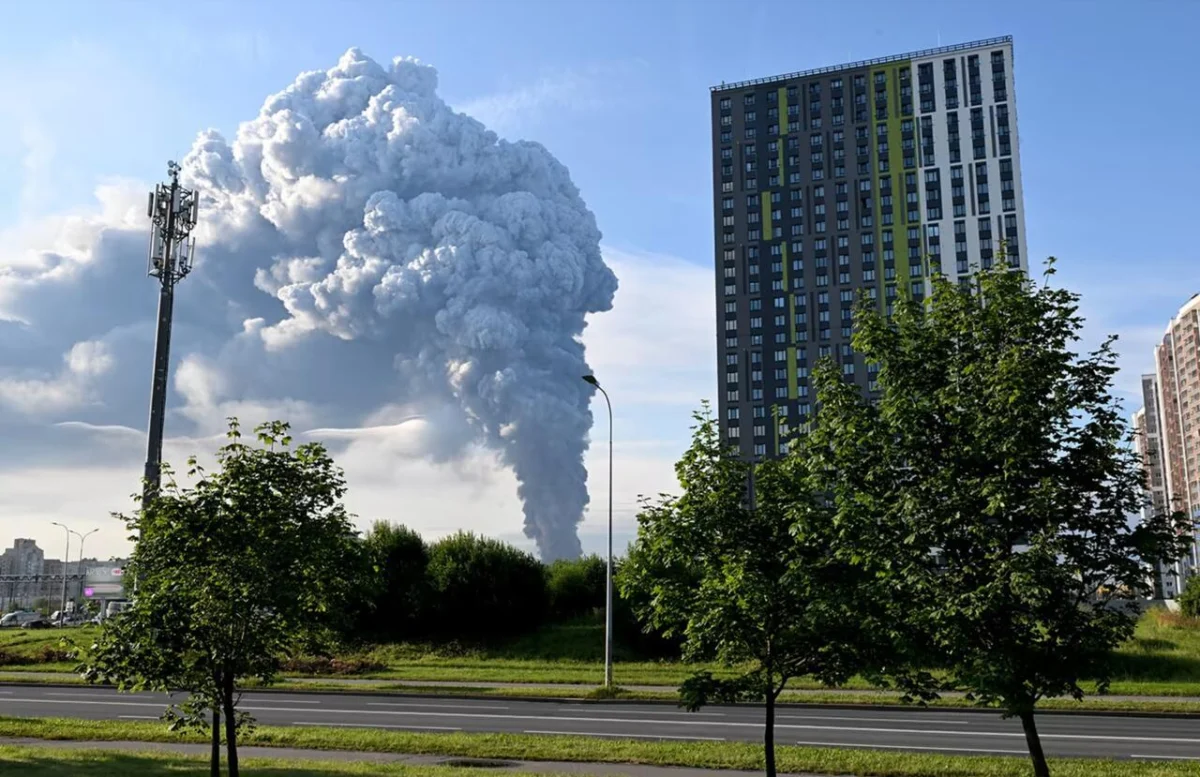
Another large warehouse and logistics hub belonging to Wildberries, Russia’s leading online retailer often dubbed the ‘Russian Amazon,’ has been targeted and struck by Ukrainian drones, marking the third such incident in a week and at least the eighth major attack this month. The latest wave of assaults, confirmed by Wildberries co-founder Tatyana Kim, saw facilities hit in St. Petersburg, the surrounding Leningrad region, and annexed Crimea on Friday morning, July 24, 2026. These strikes underscore a discernible shift in Ukraine’s strategy, increasingly focusing on economic infrastructure deep within Russian territory, aiming to disrupt supply chains, exert pressure on the civilian population, and diminish Russia’s logistical capabilities, particularly those perceived to support military efforts.
Escalating Attacks on Russia’s E-commerce Backbone
The recent string of drone attacks on Wildberries infrastructure represents a significant escalation in Ukraine’s long-range targeting campaign. The Friday morning attacks led to fires at multiple locations, although Kim, Russia’s wealthiest woman, stated that "parts" of the warehouses were saved. While Wildberries reported no injuries among its employees, Leningrad region Governor Alexander Drozdenko confirmed that three people were hurt during the attack in his region. Operations at the impacted facilities have been halted, and personnel at the Crimean warehouse were evacuated as a precautionary measure.
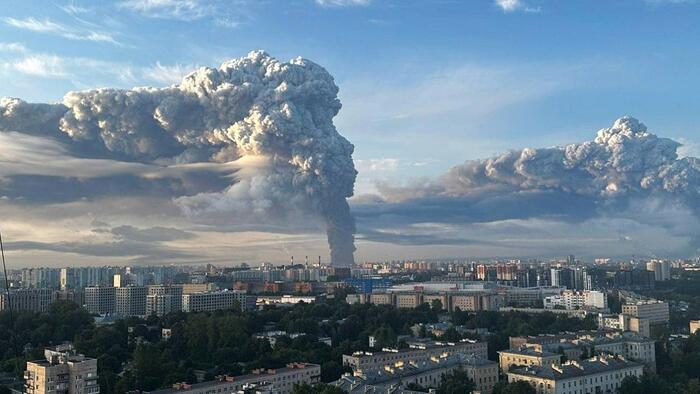
The St. Petersburg attack, in particular, generated dramatic scenes, with a massive smoke plume visible stretching high into the atmosphere, so vast it was even detectable from space via NASA satellite imagery. This visually striking event served as a potent symbol of the expanding reach and impact of Ukrainian drone operations.
This latest incident follows closely on the heels of another devastating strike just last week, which targeted Wildberries warehouses in central Russia and resulted in eight fatalities. The Kremlin has vehemently condemned these attacks, labelling them acts of terrorism and war crimes. Conversely, Ukrainian President Volodymyr Zelensky has offered a justification for targeting these civilian-facing hubs, claiming that they were "involved in providing the Russian army with drone components, navigation equipment and other gear." This assertion frames the attacks not merely as economic sabotage but as legitimate military targets contributing to Russia’s war machine.
The targeting of Wildberries facilities is part of a broader pattern of nightly drone waves originating from Ukraine, which have increasingly struck various industrial and infrastructural sites across Russia. For instance, a separate Friday attack in the Kirov region resulted in the deaths of at least six people, further highlighting the widespread nature and lethal potential of these strikes.
Wildberries: A Pillar of the Russian Economy
Wildberries holds an indisputably central role in Russia’s consumer economy. Often paralleled with global e-commerce giants like Amazon, the company has grown exponentially, especially following the exodus of many international brands from Russia after the 2022 invasion of Ukraine. Its extensive network of warehouses, logistics hubs, and delivery services ensures the flow of a vast array of goods to millions of Russian consumers.
According to analyses by Reuters, Wildberries, alongside its smaller rival Ozon, collectively sells goods and services equivalent to a staggering 8.5% of Russia’s gross domestic product (GDP). This statistic alone underscores the profound economic significance of these platforms. Furthermore, their operations provide employment for approximately 4 million people, accounting for more than 5% of the country’s total workforce. This makes Wildberries not just a commercial enterprise but a critical component of Russia’s economic stability and social fabric.
The company’s financial arm recently faced sanctions from the European Union, specifically cited for its "financial contribution to the Russian budget." This sanctioning, combined with the physical destruction of its infrastructure, indicates a concerted effort by Ukraine and its allies to cripple Russia’s economic capacity and reduce its ability to fund the ongoing conflict. NBC News has highlighted that the targeting of Wildberries "appears to be part of Kyiv’s attempts to ensure ordinary Russians feel the impact of the war which has raged on Ukrainian territory for more than four years." This strategy aims to erode public support for the war by bringing its direct consequences to the everyday lives of Russian citizens, moving beyond purely military targets to impact the civilian economy directly.
Chronology of Escalation: A Month of Disruption
The attacks on Wildberries facilities have intensified dramatically over the past month, demonstrating a clear and persistent focus by Ukrainian forces.
- Early to Mid-July 2026: Several isolated drone incidents are reported across various Russian regions, with a few impacting lesser-known logistics centers. These serve as precursors, probing Russian air defenses and testing the reach of Ukrainian drones.
- Mid-July 2026: Reports begin to surface of more direct hits on commercial infrastructure. A major Wildberries hub in Krasnodar, for example, was fully engulfed in flames, with stunning footage circulating online on July 22, 2026, showcasing the sheer scale of the inferno. This incident was among the first high-profile attacks on a large Wildberries facility, signaling a new phase in Ukraine’s targeting strategy.
- Last Week of July 2026: A significant strike hits Wildberries warehouses in central Russia, resulting in the tragic deaths of eight individuals. This attack marked a grim turning point, demonstrating the lethal potential of these strikes even on civilian-related infrastructure, if deemed dual-use. The fatalities prompted strong condemnations from the Kremlin, further elevating the rhetoric surrounding the conflict.
- July 24, 2026 (Friday Morning): The latest coordinated attacks unfold, targeting St. Petersburg, the Leningrad region, and annexed Crimea. This multi-pronged assault across disparate geographical locations indicates advanced planning and capability, showcasing Ukraine’s ability to project force deep into Russian territory simultaneously. The visibility of the St. Petersburg smoke plume from space underscores the immense physical impact of these strikes.
- Ongoing Broader Drone Activity: Concurrently, other industrial and critical infrastructure targets continue to be hit. The attack in the Kirov region on Friday, killing at least six people, further illustrates the widespread nature of these operations, extending beyond Wildberries to other industrial targets.
This timeline reveals a rapid acceleration and expansion of Ukraine’s drone campaign, transitioning from sporadic hits to more frequent, coordinated, and impactful strikes on critical economic nodes.
Official Reactions and Accusations
The official responses from both Moscow and Kyiv highlight the deep chasm in their interpretations of these events.
Kremlin’s Stance: Russian authorities, including President Vladimir Putin’s administration, have consistently characterized the attacks on civilian infrastructure as "acts of terrorism" and "war crimes." They argue that targeting commercial warehouses, regardless of alleged secondary uses, constitutes an attack on the civilian population and the economic stability of the country. This narrative aims to galvanize domestic support and solicit international condemnation of Ukraine’s actions. The significant casualties reported in some of these strikes lend weight to Russia’s claims of civilian impact. Local governors, such as Alexander Drozdenko of the Leningrad region, have focused on the immediate human cost and the efforts to mitigate damage and provide assistance to those affected. Wildberries itself has stated it is working "around the clock to restore service" to impacted areas, focusing on business continuity and reassuring its vast customer base.
Ukraine’s Justification: President Zelensky’s statement, asserting that the targeted hubs were "involved in providing the Russian army with drone components, navigation equipment and other gear," offers a strategic justification. This frames the attacks within the legitimate scope of military operations, arguing that facilities contributing to Russia’s war effort, even if ostensibly civilian, are fair game. This argument is crucial for Kyiv in maintaining international support and deflecting accusations of targeting civilians indiscriminately. The broader intent, as noted by NBC News, to "ensure ordinary Russians feel the impact of the war," suggests a psychological and economic warfare component, aiming to undermine domestic support for the conflict by making its costs palpable to the general population.

Broader Impact and Strategic Implications
The sustained targeting of Wildberries and other economic infrastructure carries profound implications for Russia on several fronts:
Economic Disruption: The destruction of large logistics hubs directly impacts Russia’s supply chains. For a country already facing the strain of international sanctions, disrupting domestic distribution networks can lead to significant shortages of goods, delays in delivery, and increased prices. This can exacerbate inflationary pressures, diminish consumer confidence, and impede economic recovery efforts. Given that Wildberries and Ozon account for a substantial portion of Russia’s GDP and employment, attacks on their operations ripple through the entire economy, affecting not just the companies but also millions of consumers and workers. The EU sanctions on Wildberries’ banking arm amplify these challenges, constraining the company’s financial operations and its ability to recover from physical damage.
Psychological Warfare: By bringing the war to Russia’s heartland, particularly to symbols of everyday consumerism, Ukraine aims to erode the sense of normalcy and security among the Russian population. The sight of massive warehouses ablaze, and the inconvenience of disrupted deliveries, serve as tangible reminders of the ongoing conflict. This strategy is designed to sow discontent, challenge the Kremlin’s narrative of a distant and controlled "special military operation," and potentially pressure the government to reconsider its war objectives.
Logistical Strain on Russia’s Military: If Ukraine’s claims of dual-use facilities are accurate, the attacks could directly hinder Russia’s military logistics. Disrupting the supply of drone components, navigation equipment, and other gear—even if sourced through civilian channels—could complicate Russia’s ability to sustain its forces and operations in Ukraine. This highlights the blurring lines between civilian and military infrastructure in modern warfare, where extensive commercial networks can be repurposed or indirectly utilized for military ends.
Shifting Battlefield Dynamics: The increased frequency and depth of these drone attacks demonstrate Ukraine’s evolving capabilities and willingness to take the fight directly to Russian territory. This represents a strategic shift from primarily defending its own territory to actively degrading Russia’s economic and logistical capacity at home. It also tests Russia’s air defense systems, forcing them to spread resources more thinly to protect vast areas rather than just frontline regions.
International Scrutiny: The attacks draw international attention to the ethical and legal complexities of targeting infrastructure that, while potentially dual-use, primarily serves civilian populations. While some international observers might view these as legitimate strikes against an aggressor’s war economy, others might raise concerns about the potential for civilian casualties and the blurring of lines between combatant and non-combatant targets. The Kremlin’s accusations of "terrorism" are aimed at swaying international opinion against Ukraine.
As Wildberries works to restore its services and Russian authorities grapple with protecting vast swathes of civilian infrastructure, the ongoing drone campaign signals a protracted and increasingly complex phase of the conflict. The targeting of economic giants like Wildberries underscores that the war in Ukraine is not confined to the battlefield but is increasingly being fought across the economic and psychological landscapes of both nations, with far-reaching and uncertain implications.

