
The Black Sea has rapidly transformed into a perilous maritime conflict zone, with tit-for-tat attacks on shipping between Ukraine and Russia reaching an unprecedented intensity. Over the past two weeks alone, at least half a dozen commercial vessels have been targeted in these strategic waters, leading to a mounting death toll among crew members and raising grave concerns about international maritime commerce. The escalating hostilities are drawing comparisons to the Strait of Hormuz crisis, given the vital role of the Black Sea in global energy and commodity transit, which is now experiencing significant disruptions and slowdowns.
The Tragic Attack on the MV Golden Leo
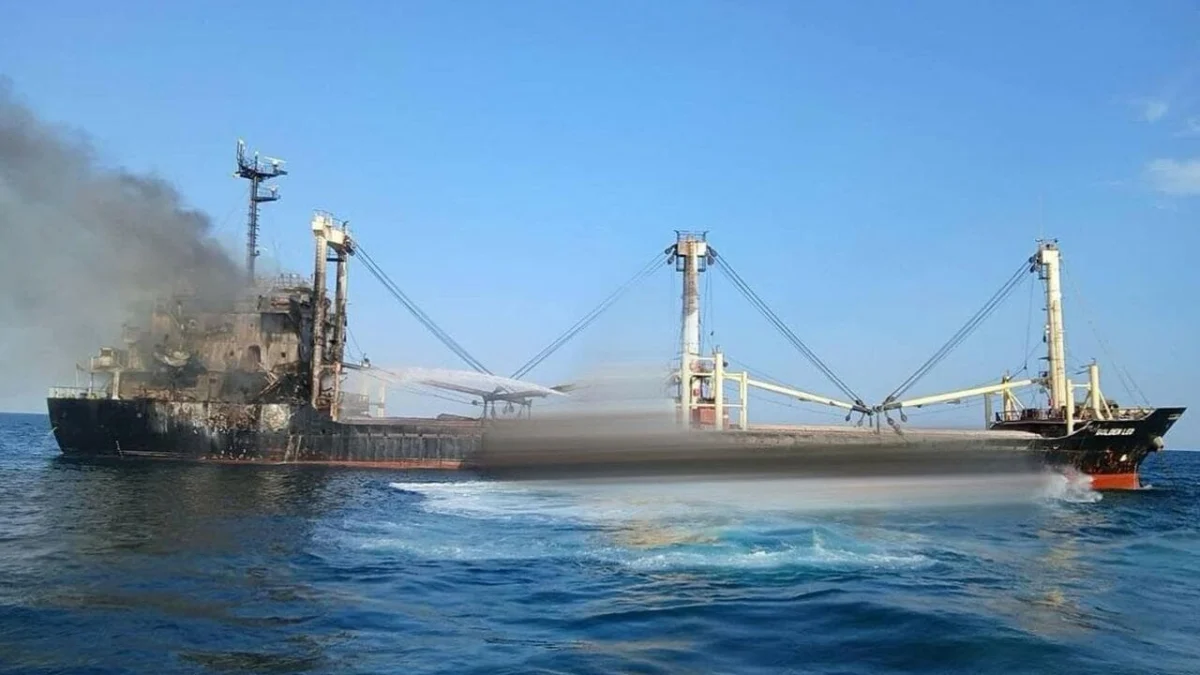
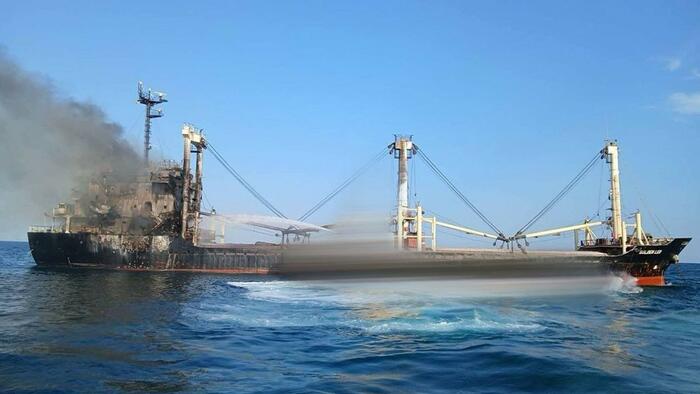
A stark illustration of the escalating danger occurred on Sunday with a Russian attack on the MV Golden Leo, a Guinea-Bissau-flagged commercial vessel. This incident stands out as one of the single largest casualty events in the maritime phase of the conflict, resulting in the tragic deaths of ten individuals. Reports indicate that three cruise missiles struck the vessel, causing extensive damage and fatalities. Among the deceased were four Indian citizens, several Syrian nationals, and one Ukrainian crew member. This attack has ignited outrage in the affected nations, particularly India, which has historically maintained a complex but significant energy trading relationship with Russia throughout the ongoing war.
The Golden Leo incident underscores the indiscriminate nature of maritime warfare when commercial shipping becomes entangled in conflict. While the specific cargo and destination of the Golden Leo were not immediately detailed, the attack on a vessel under a neutral flag, carrying a multinational crew, represents a severe breach of international maritime law and norms governing the safety of civilian navigation. The humanitarian toll, with innocent seafarers losing their lives far from the front lines, has amplified calls for de-escalation and adherence to international conventions designed to protect non-combatants.
India’s Stern Diplomatic Response
The deaths of its citizens prompted a swift and strong diplomatic reaction from New Delhi. On Tuesday, India’s Foreign Ministry summoned Russian Chargé d’affaires Vladimir Ladanov to formally protest the attack and the resulting loss of Indian lives. In a statement confirming the summons, the Ministry of External Affairs articulated "grave concerns and unequivocal condemnation" of the incident.
The Indian government conveyed a clear message to the Kremlin through Ladanov, emphasizing that "such attacks undermine the safety, security and stability of international maritime commerce." The statement further stressed that "the targeting of commercial shipping and the resulting loss of innocent civilian lives are unacceptable and must be avoided." This diplomatic demarche from India, a nation that has largely maintained a neutral stance on the Ukraine conflict and significantly increased its energy imports from Russia, signals a significant strain on bilateral relations. India’s firm condemnation highlights the universal principle of freedom of navigation and the imperative to protect civilian lives and vessels, irrespective of geopolitical alliances. The incident poses a delicate challenge for India, balancing its strategic partnership with Russia against its responsibility to protect its citizens and uphold international law.
A Broadening Pattern of Maritime Hostilities
The attack on the Golden Leo is not an isolated incident but rather part of a broader, intensifying pattern of maritime hostilities in the Black Sea. Both Russia and Ukraine have demonstrably escalated their operations targeting shipping, signaling a new, dangerous phase in the conflict’s maritime dimension.
Recent reports confirm a continuous stream of tanker attacks off the Black Sea coast. In another significant event, a Liberian-flagged LPG tanker, the Gas Lisbon, reportedly bound for Ukraine, was struck off the coast of Romania. All 17 crew members onboard were successfully evacuated by the Romanian coast guard, though three sustained injuries. This incident further illustrates the expanding geographical scope of the attacks and the direct threat posed to commercial vessels, even those operating near NATO member states’ territorial waters.
These attacks follow Russia’s recent imposition of a new sea blockade on Odesa, a critical Ukrainian port. Such blockades, while often declared as military necessities, invariably impact commercial traffic and raise questions about their legality under international law, particularly when they impede the transit of non-military goods or endanger civilian vessels.
Ukraine’s Intensified Maritime Campaign
On the Ukrainian side, there has been a significant intensification of attacks on Russian vessels, including those identified as part of the so-called ‘dark fleet’ tankers. These vessels often operate without standard insurance or regulatory oversight, frequently engaging in illicit activities or helping to circumvent sanctions, making them attractive targets for Ukrainian forces seeking to disrupt Russia’s war economy.
According to statements from drone unit commander Robert Brovdi, Ukrainian forces launched a concentrated strike on July 15, targeting 17 Russia-linked oil tankers, 2 gas carriers, and one tugboat. These attacks, initially focused on the Sea of Azov and Russian refineries deep within Russian territory, have now demonstrably expanded into the Black Sea. Brovdi’s declaration, "The first round of the naval battle is over. Now, the Black Sea," confirms Ukraine’s strategic shift to broaden its campaign against Russian oil and gas vessels across the entire Black Sea basin, a crucial export route for Russian crude and refined fuels.
Ukraine’s strategy aims to inflict economic pain on Russia, disrupt its logistical capabilities, and degrade its ability to finance and sustain the war effort. By targeting energy infrastructure and export routes, Kyiv seeks to leverage its asymmetric naval capabilities, primarily drones and naval missiles, to challenge Russia’s naval dominance and impose significant costs on Moscow.
The Black Sea: A Geopolitical and Economic Chokepoint
The Black Sea is not merely a regional body of water; it is a critical geopolitical chokepoint with immense strategic and economic significance for Europe, Asia, and the global economy. Bordered by several nations, including Russia, Ukraine, Turkey, Romania, Bulgaria, and Georgia, it serves as a vital maritime artery connecting landlocked regions to the Mediterranean Sea and, through the Turkish Straits (Bosphorus and Dardanelles), to global shipping lanes.
Historically, the Black Sea has been a theater of great power competition, and its current role as a conflict zone has profound implications. It is a primary conduit for grain exports from Ukraine and Russia, critical for global food security, particularly in developing nations. Furthermore, it is a crucial route for Russian oil and gas exports, fundamental to global energy markets. Any significant disruption here reverberates across international supply chains, affecting commodity prices, insurance rates, and overall economic stability.
The comparison to the Strait of Hormuz is apt because both are narrow, strategically vital waterways where geopolitical tensions have historically led to attacks on shipping, threatening global energy supplies and triggering international crises. The Strait of Hormuz, linking the Persian Gulf to the open ocean, is a chokepoint for a significant portion of the world’s oil supply. Similarly, the Black Sea’s role in energy and food transit makes it equally susceptible to global economic shocks when stability is compromised.
Economic Repercussions and Global Market Destabilization
The escalating attacks on commercial shipping in the Black Sea carry severe economic repercussions that extend far beyond the immediate conflict zone.
Firstly, oil transit is slowing, as indicated by the original article. This slowdown is not merely due to physical damage to vessels but also a consequence of heightened risk perception. Shipping companies become increasingly reluctant to operate in high-risk areas, leading to delays, diversions, and ultimately, reduced throughput of commodities.
Secondly, maritime insurance premiums for vessels operating in the Black Sea have surged dramatically. Insurers categorize these waters as a war risk zone, leading to prohibitive costs that make shipping economically unviable for many operators. This increase in operational expenses is inevitably passed on to consumers, contributing to inflationary pressures on energy and food prices globally.
Thirdly, the attacks disrupt established supply chains. Even if alternative routes exist, they often involve longer transit times and higher costs, leading to inefficiencies and potential shortages. For instance, the disruption of grain exports from Ukraine, a major global supplier, could exacerbate food insecurity in vulnerable regions.
Fourthly, the targeting of "dark fleet" tankers, while potentially effective in undermining Russia’s ability to circumvent sanctions, introduces another layer of complexity and risk. These vessels often operate with minimal regulatory oversight, making incidents involving them harder to track, investigate, and mitigate. Their involvement complicates the legal and humanitarian aspects of maritime warfare.
Finally, the Kremlin’s assertion that Ukraine’s strikes aim to "destabilize global oil markets" highlights the strategic economic dimension of these attacks. While an expected response from Russia, the underlying reality is that any significant disruption in a major energy transit hub like the Black Sea does inherently introduce volatility and uncertainty into global markets, regardless of the aggressor’s intent.
Humanitarian and Legal Dimensions
Beyond the economic impact, the human cost of these attacks is profound. The mounting death toll among multinational crew members, as seen with the Golden Leo, underscores the perilous conditions faced by seafarers caught in geopolitical crossfires. International maritime law, including the United Nations Convention on the Law of the Sea (UNCLOS), enshrines the principle of freedom of navigation and the protection of civilian vessels and crews during armed conflict. Attacks on non-military commercial ships, particularly those resulting in civilian casualties, raise serious questions about adherence to these international legal frameworks and the accountability of the parties involved.
International organizations such as the International Maritime Organization (IMO) and various humanitarian bodies have consistently called for the protection of seafarers and the unimpeded passage of commercial shipping. The current situation in the Black Sea presents a grave challenge to these principles, potentially setting dangerous precedents for maritime conduct in future conflicts. The need for clear maritime corridors, safe transit zones, and robust international mechanisms to protect civilian shipping has never been more urgent.
International Calls for De-escalation
While India’s condemnation of the Golden Leo attack has been the most prominent official response from a non-belligerent nation, there are broader international calls for de-escalation. The United Nations and other international bodies, including maritime organizations, are likely monitoring the situation with increasing alarm. The Secretary-General of the UN has consistently urged all parties to respect international law and ensure the safety of navigation, particularly concerning vital food and energy shipments. NATO, whose members border the Black Sea, has also expressed concerns about regional stability and the safety of commercial shipping, though it has carefully avoided direct military intervention in the conflict.
The collective concern centers on preventing the Black Sea from becoming a no-go zone for commercial traffic, which would have catastrophic global economic and humanitarian consequences. Diplomatic efforts, though challenging in the current climate, are crucial to establish clear rules of engagement, protect civilian vessels, and ensure accountability for attacks that violate international law.
Looking Ahead: Prospects for Stability
The immediate outlook for stability in the Black Sea remains bleak. Both Russia and Ukraine appear committed to using maritime operations as a key component of their broader conflict strategies. Ukraine’s successful drone attacks on Russian naval assets and supply lines, coupled with Russia’s declared blockade and retaliatory strikes on commercial vessels, indicate a deepening and widening of the maritime conflict.
The implications are far-reaching. Continued escalation risks not only further loss of life and economic disruption but also potential miscalculations that could draw other regional or international actors into the conflict. The erosion of respect for international maritime law and the principle of freedom of navigation could have long-term consequences for global trade and security, extending well beyond the current conflict.
Securing the Black Sea will require a multifaceted approach, including sustained diplomatic pressure, robust adherence to international maritime law, and potentially, internationally guaranteed safe corridors for commercial shipping. Until such measures are effectively implemented, the Black Sea will remain a volatile and dangerous arena, with profound implications for regional stability and global commerce. The international community watches anxiously as this vital waterway teeters on the brink of an even wider crisis.

