

Research consistently demonstrates that the act of writing down goals significantly enhances the likelihood of achieving them. This practice offers a powerful trifecta of benefits: it clarifies objectives, fosters accountability, and reinforces commitment. At its core, the bullet journal (bujo) emerges as an exceptionally versatile tool for this purpose, catering to a wide spectrum of preferences, from minimalist layouts and vibrant, colorful designs to meticulously structured trackers. These personalized planning systems are instrumental in maintaining motivation and meticulously monitoring progress. This article explores 14 creative and practical bullet journal goal page ideas designed to inspire your planning endeavors, ranging from overarching yearly visions to detailed monthly breakdowns, all aimed at keeping you focused and organized on your path to success.

The efficacy of goal setting is well-documented across various disciplines. A study published in the Journal of Applied Psychology found that individuals who wrote down their goals and developed action plans were substantially more likely to achieve them compared to those who did not. This psychological phenomenon is attributed to several factors, including the cognitive process of externalizing thoughts, which makes them more concrete and actionable. The act of writing also engages different parts of the brain, leading to a deeper level of processing and commitment. Furthermore, regular review of written goals serves as a constant reminder, counteracting the natural tendency to deviate from intended paths. The bullet journal, with its adaptable format, provides an ideal canvas for harnessing these principles. Its flexibility allows users to tailor their goal-tracking systems precisely to their needs, whether they are visual learners who benefit from colorful trackers, or individuals who prefer the clarity and simplicity of a minimalist approach.
Goals Bullet Journal Page Ideas For The Minimalist
For those who appreciate a clean, uncluttered aesthetic, minimalist goal pages offer a focused and distraction-free approach to goal setting. These layouts prioritize ample white space, clean lines, and intentional design elements to facilitate effortless goal articulation. Whether the preference is for a single-page overview or a more structured grid system, these ideas ensure that goals are presented in an organized and visually appealing manner without inducing overwhelm. The emphasis here is on sleekness, functionality, and practicality, making the process of goal management both effective and aesthetically pleasing.

1. Black, White, And Functional
This approach champions simplicity and clarity. A black and white design relies on strong typography and well-defined sections to organize goals. The layout might feature distinct boxes or columns for different goal categories, such as personal development, career advancement, financial targets, and health and wellness. The absence of color forces a focus on the content itself, making it easier to digest and act upon. This style is particularly effective for individuals who find excessive color palettes distracting, preferring a direct and no-nonsense method for tracking their aspirations. The visual appeal lies in its clean structure and the power of well-chosen words.
2. Soft Colors With New Spring Buds
Evoking a sense of growth and renewal, this minimalist approach incorporates subtle, muted color palettes. Think of gentle pastels like soft blues, pale greens, and muted lavenders. These colors are applied sparingly, perhaps as accent lines, subtle background washes, or to highlight specific goal categories. The "spring buds" theme suggests a focus on new beginnings and the nurturing of new aspirations. This style is ideal for setting goals related to personal growth, learning new skills, or embarking on new projects. The soft colors create a calming and encouraging atmosphere, making the goal-setting process feel less daunting and more organic.
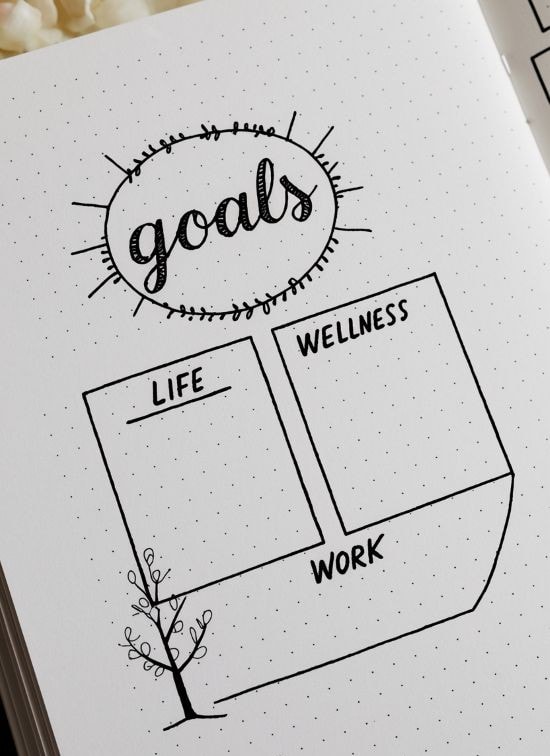
3. Pastels On A Blank Slate
Similar to the previous concept, this layout emphasizes a clean slate aesthetic enhanced by a soft pastel color scheme. The "blank slate" implies a fresh start and an open future, with pastels adding a touch of gentle optimism. This approach might involve using pastel-colored pens to write goals, or creating subtle pastel borders around different sections. It’s a visually soothing method that can make the act of planning feel more meditative and less like a chore. This style is well-suited for individuals who want to approach their goals with a sense of calm determination and a focus on positive progress.
4. Simple Quadrant Layout
A quadrant layout divides a page into four equal sections, each dedicated to a specific area of life or a distinct set of goals. This structured approach provides immediate organization and clarity. For example, one quadrant could be for career goals, another for personal growth, a third for health, and the fourth for relationships or hobbies. This design is inherently minimalist due to its clear divisions and lack of elaborate decoration. The visual separation makes it easy to scan and identify progress in each area, promoting a balanced approach to goal achievement across different life domains.

Annual Goals: Mapping Your Yearly Vision
An annual goal spread serves as a comprehensive blueprint for your overarching objectives for the entire year. It provides a centralized location to map out your most significant aspirations, offering a clear roadmap for success. By breaking down these broad objectives into manageable categories such as personal development, career advancement, financial planning, and health and wellness, you create a structured yet flexible framework. Supporting pages dedicated to tracking progress, facilitating reflection, or housing motivational quotes can further enhance the effectiveness of this annual spread, ensuring your long-term vision remains a prominent focus throughout the year.
5. Annual Goals By Major Category
This layout involves dedicating specific sections of the page to broad categories of goals. For instance, a large portion might be for "Career Aspirations," another for "Financial Milestones," a third for "Personal Growth," and a fourth for "Health & Well-being." Within each category, you can list your primary objectives for the year. This method ensures a holistic approach to goal setting, preventing an overemphasis on one area at the expense of others. It provides a visual representation of your yearly ambitions, making it easy to see where your efforts are directed.

6. The Year In Bold
This approach emphasizes the significance of your yearly goals through strong visual presentation. Using bold fonts, thick lines, and perhaps a striking color scheme (even in a minimalist black and white context, bold contrast can be achieved), this layout makes your annual goals stand out prominently. It’s designed to be impactful and memorable, ensuring that your most important objectives are always at the forefront of your mind. This style is effective for individuals who want their yearly goals to feel monumental and deserving of significant attention and commitment.
7. Colorful Quadrants
Taking the quadrant concept and infusing it with vibrant colors creates a dynamic and engaging annual overview. Each of the four quadrants can be assigned a distinct color, visually separating the goal categories. This approach combines the organizational benefits of the quadrant layout with the motivational power of color. It’s an excellent way to make your annual planning visually appealing and energizing, encouraging consistent engagement with your goals throughout the year. The bright colors can serve as constant visual cues, reminding you of your ambitions each time you open your journal.

Goals Bullet Journal Page Ideas For Monthly Goals
A monthly goal spread is crucial for breaking down larger annual objectives into actionable, digestible steps. By setting specific targets for each month, you ensure consistent progress and maintain momentum throughout the year. This approach allows for regular tracking, adaptation of plans as needed, and the celebration of smaller achievements along the way. Whether you opt for a simple list format, a calendar-style layout, or a dedicated tracker, organizing your goals on a monthly basis brings structure and intentionality to your bullet journal, fostering steady progress towards your ultimate aspirations.
8. Goals By Month
This layout involves creating a dedicated space for each month of the year, where you can list specific goals relevant to that particular period. This could be a simple list under each month’s heading, or a more elaborate spread with checkboxes for tracking completion. This method is highly effective for managing long-term projects or goals that are best approached in phases. It provides a clear sense of progression as you move from one month to the next, allowing you to reflect on what was achieved and plan for the upcoming period. This is particularly useful for goals that have seasonal relevance or require sequential steps.
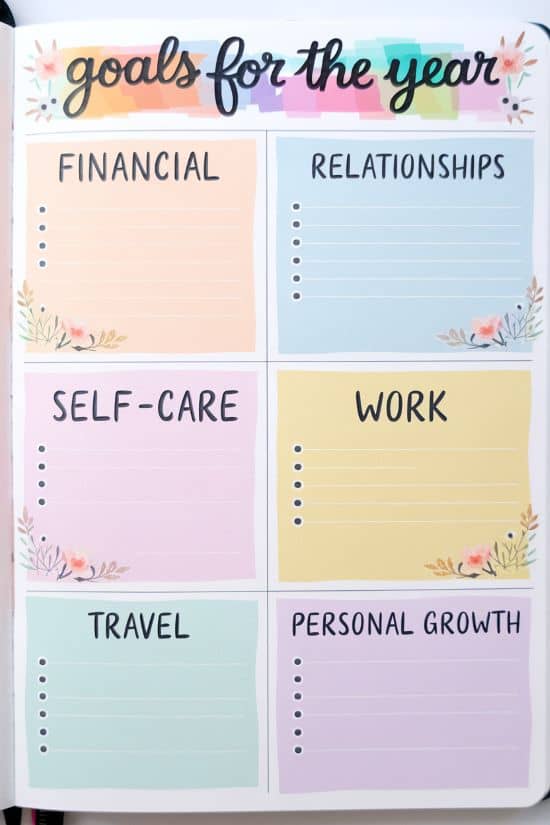
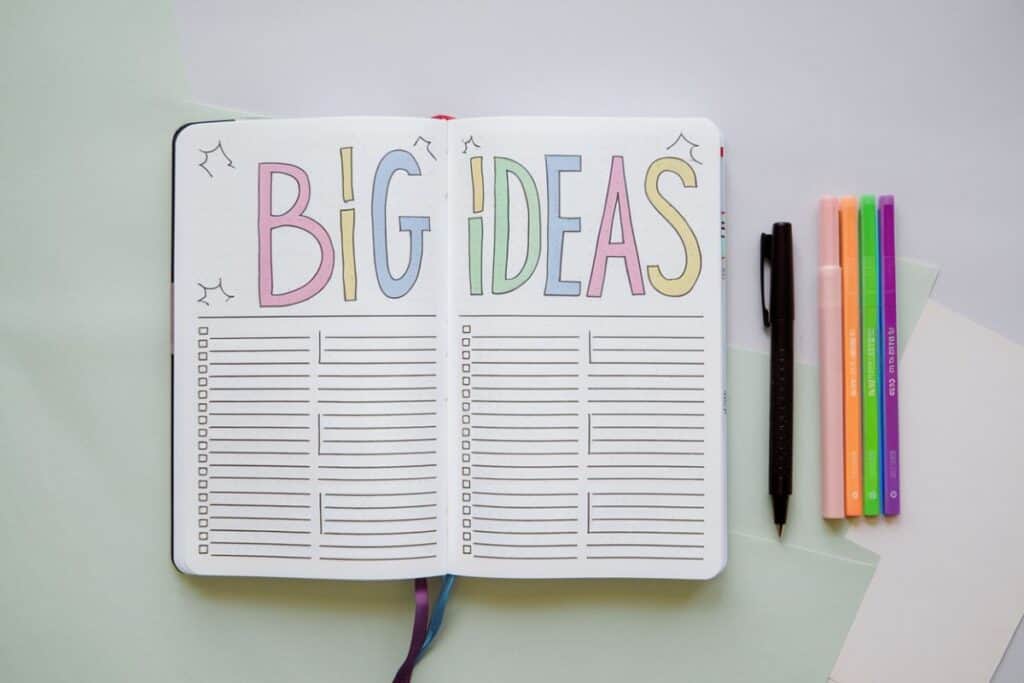
9. Big Ideas
This spread is dedicated to capturing expansive thoughts and future aspirations without immediate constraints. It’s a space for brainstorming dreams, ambitions, and long-term visions. The open, free-flowing nature of this layout encourages exploration of possibilities and refinement of focus before specific goals are finalized. By consolidating your grandest inspirations in one place, you can gradually shape them into clear, achievable objectives that align with your personal growth trajectory. This is less about tracking and more about ideation and conceptualization, serving as a wellspring for future goal setting.
Goals Bullet Journal Page Ideas With Plenty Of Color
For those who thrive on vibrancy and visual stimulation, colorful goal spreads can transform planning into an exciting and motivating activity. The strategic use of bold headers, vivid markers, decorative washi tape, and creative doodles injects energy and dynamism into your layouts. Color can significantly boost motivation, enhance organization, and make your goals visually prominent and engaging. This approach turns the often-arduous task of goal setting into an enjoyable creative process, making it easier to stay connected to your aspirations.
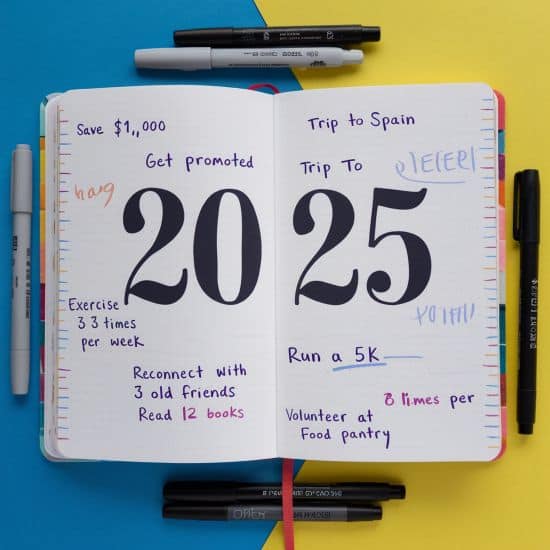
10. Blocks Of Goals
This design utilizes colored blocks to represent different goal categories or individual goals. Each block can be a different hue, creating a visually striking and organized spread. For example, a large block might represent a major career goal, while smaller blocks could denote smaller personal achievements. This method provides a clear, visual hierarchy of your goals, allowing you to quickly assess your focus areas. The use of color makes the spread feel dynamic and inviting, encouraging regular interaction with your goal list.
11. Crush Your Goals
This layout is designed with a motivational slogan at its core, such as "Crush Your Goals," often presented in bold, eye-catching lettering. The surrounding space is then used to list the specific goals that contribute to this overarching theme. Color is used to emphasize the title and perhaps to highlight individual goals or milestones. This approach instills a sense of empowerment and determination, transforming goal setting into an active pursuit of achievement. The vibrant design reinforces the message of ambition and success.

12. My Goals
This spread offers a more personal and customizable approach to colorful goal setting. The title "My Goals" is often rendered in a decorative, colorful font. The rest of the page can be filled with a variety of goal-tracking elements, all enhanced by a rich color palette. This could include hand-drawn trackers, lists categorized by color, or even small illustrations representing each goal. The emphasis is on making the page a personal expression of one’s ambitions, making it a source of inspiration and a reflection of individual aspirations.
Goals Bullet Journal Page Ideas For Conquering Overwhelm
When faced with a multitude of goals, a simplified approach can be instrumental in maintaining focus and reducing stress. A "Top 3 Goals" spread encourages prioritization by narrowing the focus to only the most critical objectives, ensuring steady progress without distraction. Alternatively, a "Must Do vs. Should Do" layout aids in categorizing goals based on urgency, making it easier to identify and tackle what truly matters while keeping less immediate tasks visible for later attention. This strategic segmentation helps manage workload and maintain momentum.
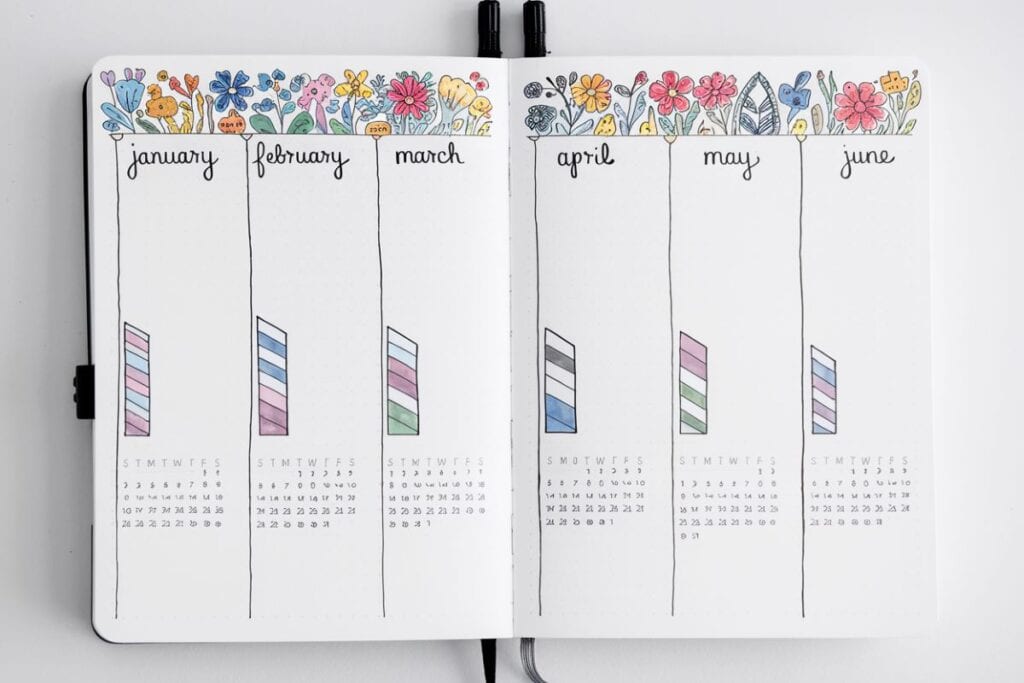
13. Top 3 Goals
This minimalist yet highly effective layout focuses attention on a select few critical objectives. The page is typically divided into three prominent sections, each dedicated to one top priority. This structure forces intentionality, ensuring that you allocate your energy and resources to the goals that will yield the most significant impact. The simplicity of this approach makes it easy to review regularly and provides a clear sense of accomplishment as each of the top three goals is tackled and completed. It’s a powerful tool for combating the paralysis that can arise from an overwhelming number of aspirations.
14. Must Do — Should Do Goal Spread
This organizational strategy divides your goals into two distinct tiers: "Must Do" for urgent or essential tasks and "Should Do" for important but less time-sensitive objectives. This clear differentiation helps in prioritizing effectively and managing your workload. By visually separating these categories, you can ensure that critical tasks are addressed promptly, while still keeping less urgent but still valuable goals within view. This method is particularly useful for individuals who juggle multiple responsibilities and need a clear framework for deciding where to invest their energy first.
Goals Bullet Journal Page Ideas — Wrap-Up
The process of setting a goal is merely the initial step; active engagement with those goals is what truly drives progress and fosters achievement. A thoughtfully designed bullet journal goal spread transcends mere aesthetics; it functions as a vital tool for keeping ambitions prominent, meticulously tracking progress, and sustaining motivation. Regardless of whether your preference leans towards structured, organized layouts or more fluid, idea-generation pages, the paramount consideration is the creation of a system that authentically resonates with your individual needs and working style.
It is essential to remember that significant results are invariably the culmination of small, consistent actions. Dedicating time to reflection, strategic adjustment, and the acknowledgment of progress, no matter how incremental, is crucial. Armed with this understanding, the next step is to select a layout that sparks enthusiasm, and to begin the transformative journey of turning your aspirations into tangible realities. The bullet journal, in its adaptable and personal nature, stands ready to be your steadfast companion in this endeavor.

