
The digital landscape has undergone a seismic shift over the past decade, transforming YouTube from a simple video-sharing repository into a multi-billion dollar pillar of the global creator economy. As of 2024, the platform boasts over 2.7 billion monthly active users, positioning it as the world’s second-largest search engine and a primary driver of consumer behavior. For entrepreneurs and content creators, the transition from passive consumption to active production offers significant financial upside, with successful channels in specialized niches frequently generating six-figure annual revenues through a combination of ad dividends, sponsorships, and brand extensions.

Establishing a viable presence on the platform requires more than creative intuition; it necessitates a structured, data-driven approach. Industry experts and veteran creators, such as business strategist Pat Flynn and tech mogul Marques Brownlee (MKBHD), emphasize that long-term success is predicated on a three-tier lifecycle: laying a strategic foundation, executing a technical setup, and implementing a sustainable growth system.
Phase I: Strategic Foundation and Market Identification
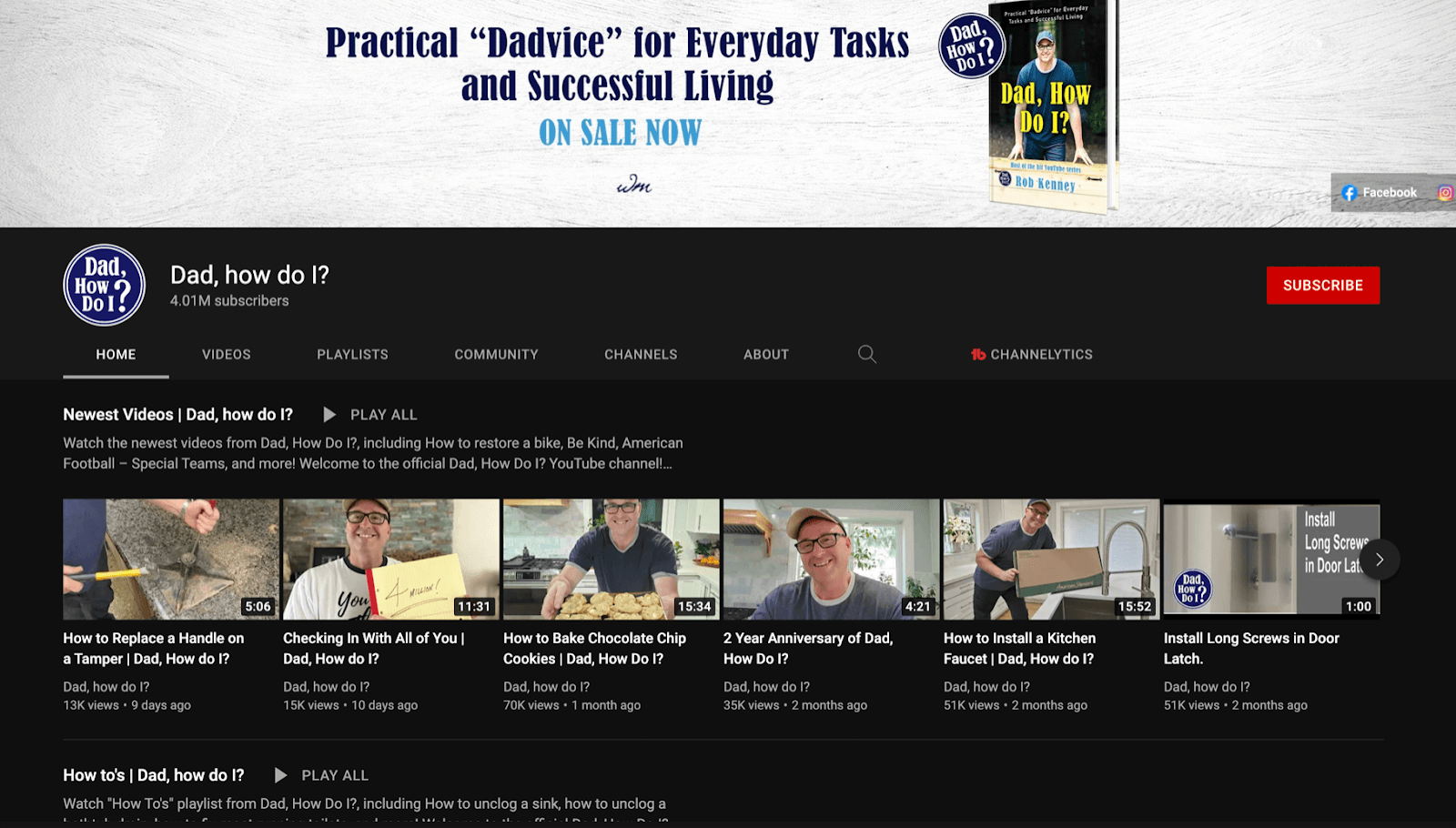
The most common point of failure for new YouTube channels is the lack of a defined niche. In the early era of the platform, broad "lifestyle" content could achieve virality through novelty. However, the contemporary algorithm favors topical authority and audience specificity. The "riches are in the niches" philosophy is now a fundamental business requirement. By narrowing the focus—whether to business entrepreneurship, specific hobbyist markets like Pokémon card collecting, or technical tutorials—creators reduce direct competition and increase their relevance to a high-intent audience.
Competitive Analysis and Value Proposition
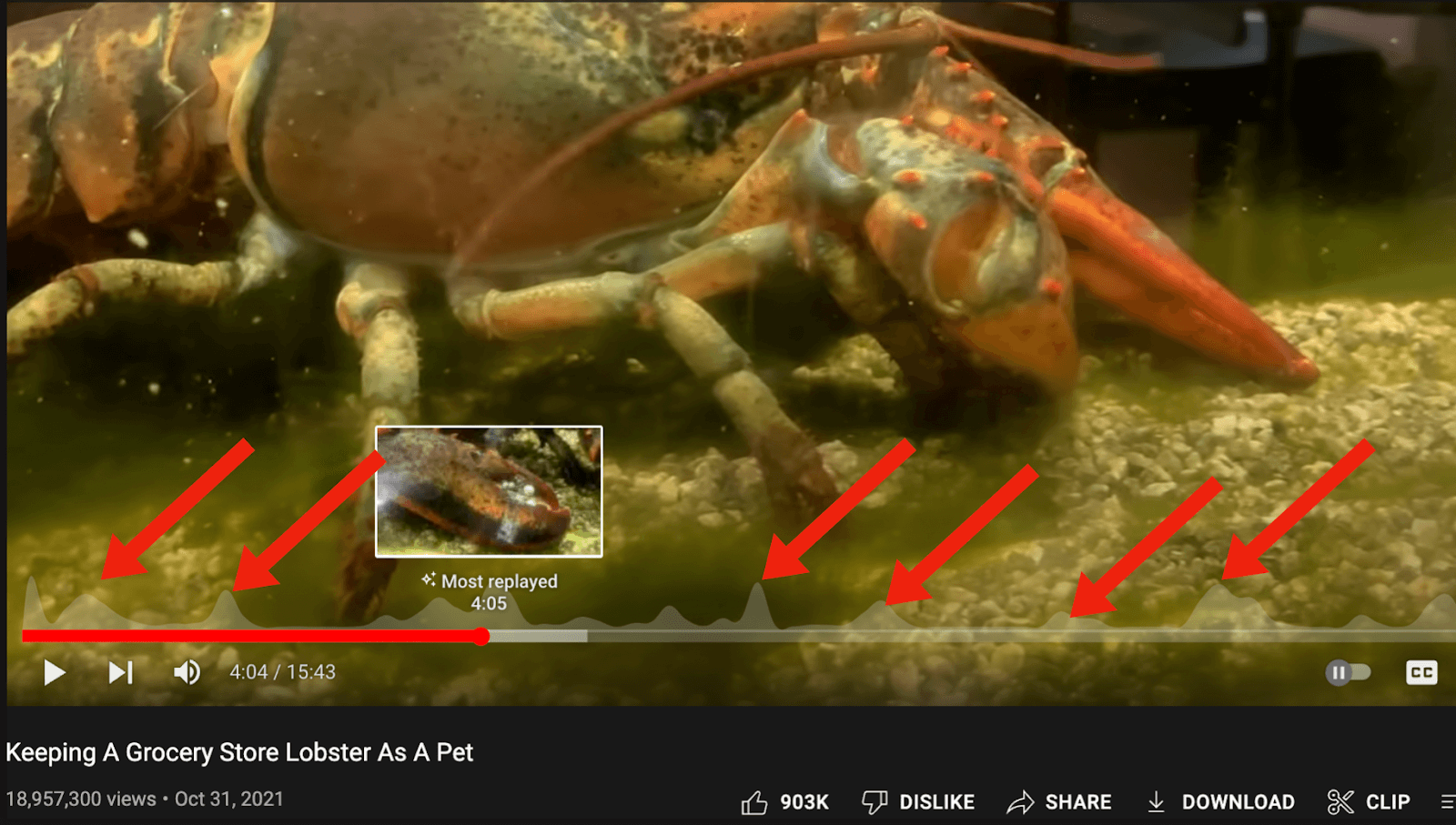
Once a niche is selected, the next step involves rigorous competitive research. This is not merely about observing what others are doing, but identifying "content gaps"—areas where existing creators are failing to meet audience needs. Analysts suggest using retention data as a primary research tool. On many high-performing videos, YouTube provides a public retention graph; spikes in these graphs indicate segments that viewers find most engaging. By analyzing these data points across a competitor’s library, a new creator can identify the specific information or entertainment styles that resonate with their target demographic.
Brand Development and Visual Identity
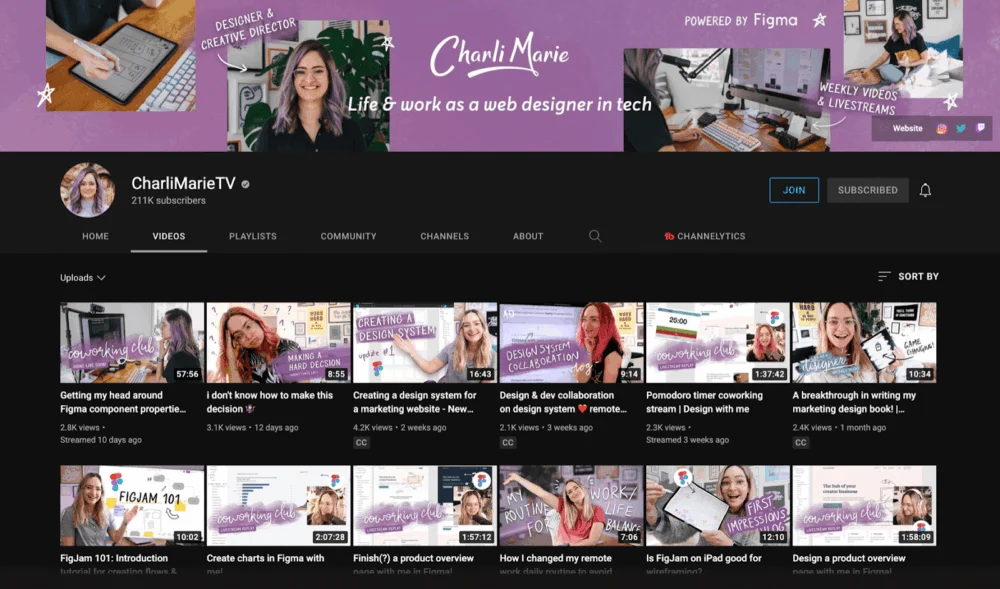
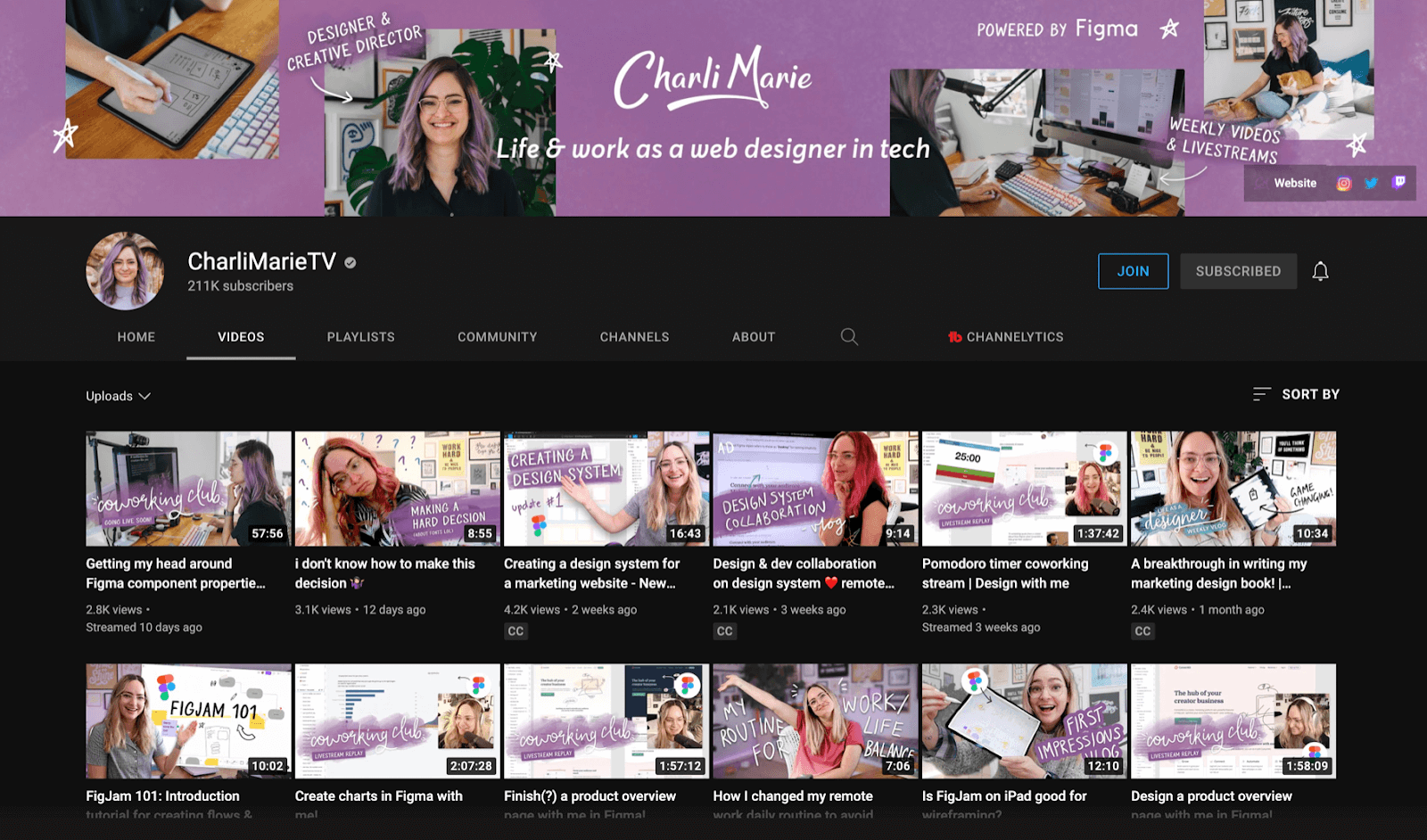
A channel’s brand is its promise to the viewer. This encompasses the channel name, logo, and a "value proposition"—a concise statement explaining the benefit of the content. For instance, a channel focused on financial literacy might use a slogan like "Make more money. Save more time." This clarity informs the visual identity, including consistent color palettes and typography, which helps in building brand recognition across the platform’s crowded "Recommended" feeds.
Phase II: Technical Infrastructure and Initial Deployment
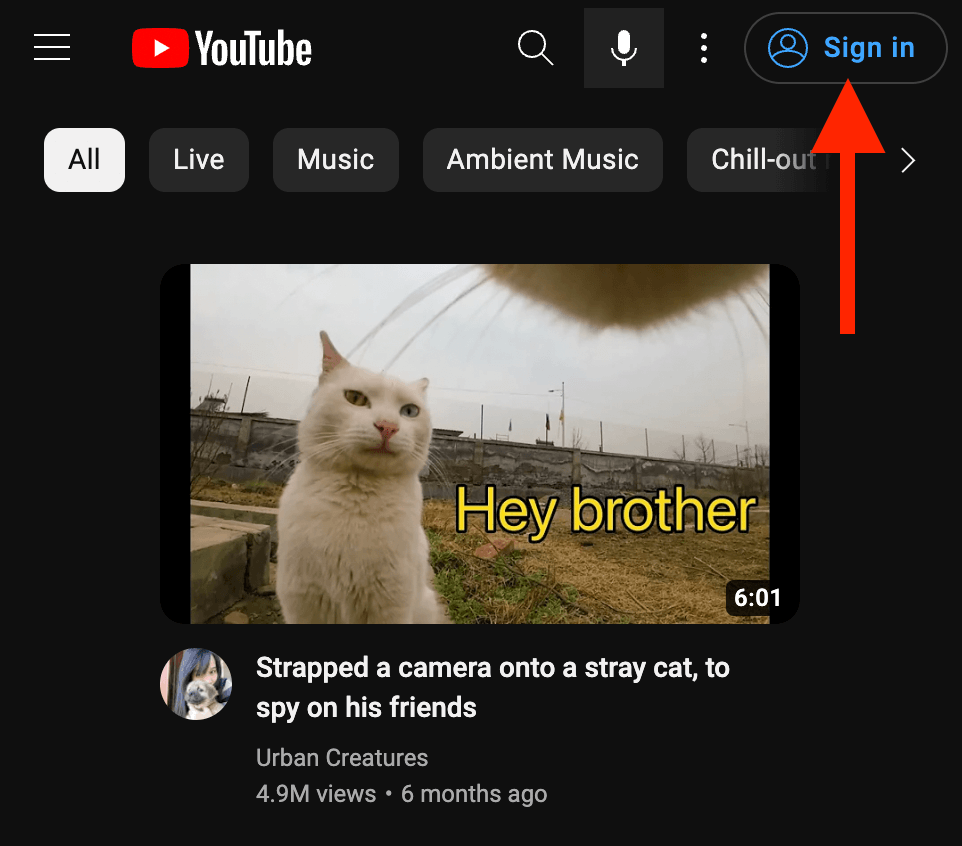
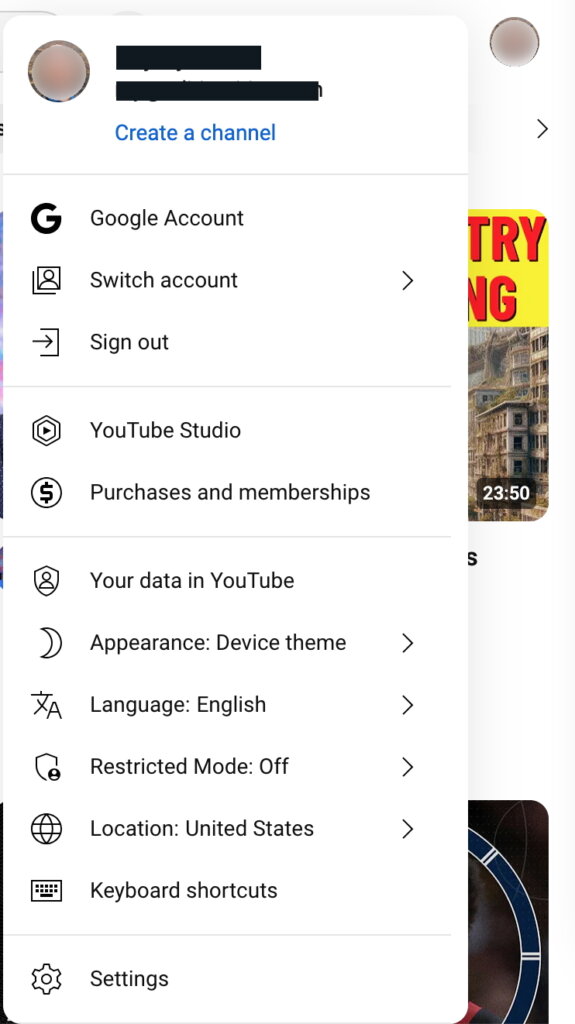
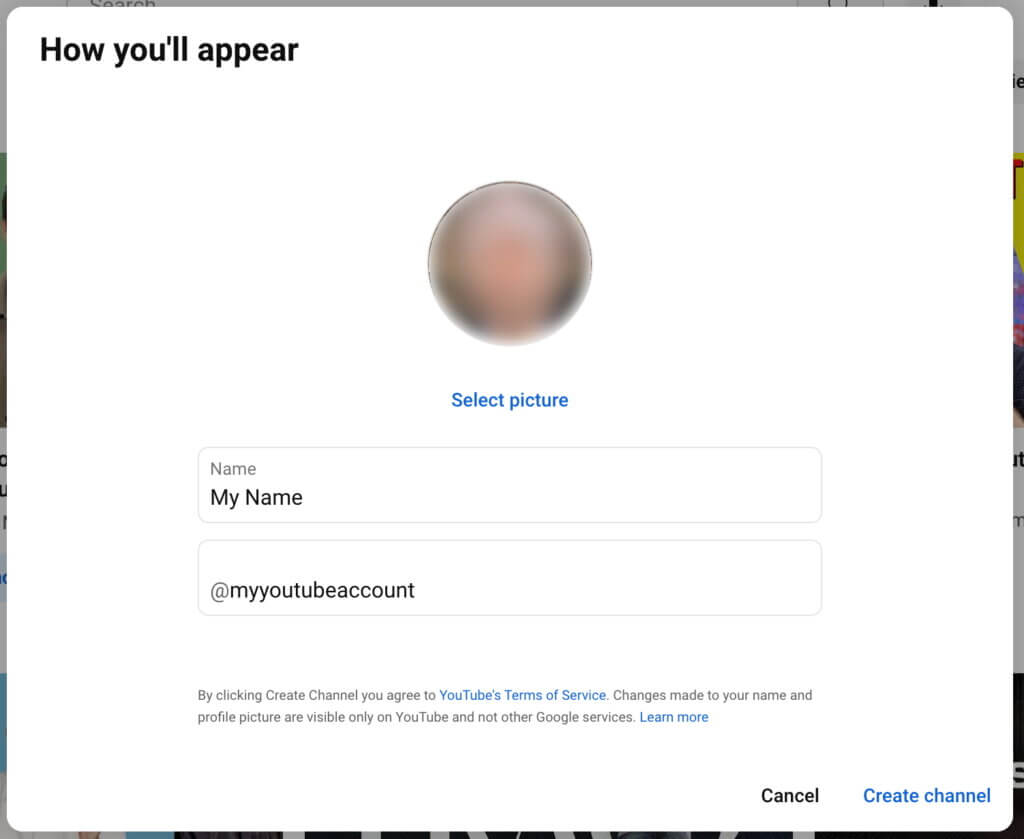
The technical setup of a YouTube channel is a multi-step process that bridges the gap between a personal Google account and a professional business entity. While the barrier to entry is low, the requirements for professional-grade features are specific.
Account Verification and Feature Access
Standard account creation allows for basic uploads, but "Intermediate" and "Advanced" features require phone verification. This is a critical step for any creator intending to scale, as it unlocks the ability to upload videos longer than 15 minutes, use custom thumbnails, and engage in live streaming. Without these tools, a channel is significantly handicapped in its ability to compete for clicks and engagement.
The Content Production Threshold
Data from successful creators suggests that the quality of the first 100 videos is less important than the consistency of their delivery. Marques Brownlee, who currently commands over 18 million subscribers, famously produced his first 100 videos for an audience of fewer than 100 people. This "incubation period" is essential for refining on-camera presence and technical editing skills.
While high-end equipment—such as 4K mirrorless cameras, XLR microphones, and professional lighting—is the eventual goal, the current market reality is that modern smartphone cameras are sufficient for initial growth. The focus for new creators should remain on audio quality and lighting, as viewers are statistically more likely to abandon a video with poor sound than one with average visual fidelity.
Phase III: The Mechanics of Growth and Optimization
Success on YouTube is governed by two primary metrics: Click-Through Rate (CTR) and Average View Duration (AVD). These metrics form the basis of the "YouTube System," a repeatable workflow designed to satisfy the platform’s recommendation algorithm.
The CTR-AVD Formula
- Click-Through Rate (CTR): This is driven by the synergy between the video title and the thumbnail. The thumbnail acts as a visual "hook," while the title provides the "context." Successful creators often spend as much time designing the thumbnail as they do editing the video itself.
- Average View Duration (AVD): Once a viewer clicks, the goal shifts to retention. The "retention graph" in YouTube Analytics provides a second-by-second breakdown of where viewers drop off. Creators use this data to identify "boring" segments, leading to tighter editing and more engaging "hooks" in subsequent uploads.
Search Engine Optimization (SEO)
As the second-largest search engine, YouTube relies on metadata to categorize and serve content. This includes keyword-rich descriptions, relevant tags, and closed-captioning files. However, modern SEO on the platform has shifted toward "user intent." The algorithm now prioritizes videos that satisfy a user’s search query by keeping them on the platform longer, rather than those that simply use the correct keywords.
Phase IV: Monetization Pathways and Financial Sustainability
For a channel to transition from a hobby to a sustainable business, it must meet the requirements of the YouTube Partner Program (YPP). As of 2024, the standard threshold for ad revenue sharing remains 1,000 subscribers and 4,000 valid public watch hours within the past 12 months.
Diversified Revenue Streams
Relying solely on AdSense (advertising revenue) is often insufficient for full-time creators, particularly in niches with low CPMs (Cost Per Mille, or cost per thousand views). Professional creators typically employ a "multi-stack" monetization strategy:
- Affiliate Marketing: Earning commissions by recommending products in video descriptions.
- Sponsorships: Direct partnerships with brands that align with the channel’s niche.
- Digital Products: Selling courses, e-books, or access to private communities (e.g., platforms like Patreon or SPI All-Access).
- Merchandise: Selling physical goods directly to a loyal fanbase.
Chronology of the YouTube Creator Journey (Typical 12-Month Outlook)
- Month 1-2: Exploration Phase. Focus on niche selection, channel branding, and uploading the first 5-10 "low-stakes" videos to learn the software.
- Month 3-6: The Consistency Grind. Establishing a content calendar (e.g., one video per week). Focus on improving AVD and responding to every comment to build a community.
- Month 7-10: Data Optimization. Using Analytics to identify top-performing topics. This is often where "breakout" videos occur, leading to a surge in subscribers.
- Month 11-12: Monetization and Scaling. Reaching the YPP threshold, seeking initial sponsorships, and potentially upgrading equipment or hiring a freelance editor to increase output.
Broader Impact and Future Implications
The rise of professional YouTube channels has democratized education and entertainment, but it has also created a highly competitive "attention economy." The emergence of YouTube Shorts—vertical, short-form videos—has introduced a new variable into the growth equation. Shorts allow for rapid brand awareness and subscriber acquisition, while long-form videos remain the primary vehicle for deep engagement and high-ticket monetization.
Furthermore, the integration of Artificial Intelligence (AI) into the creator workflow is currently a point of significant industry discussion. AI tools for scriptwriting, voiceovers, and automated editing are lowering the barrier to entry even further, but they also increase the volume of content on the platform. This suggests that in the coming years, "human-centric" elements—personality, authenticity, and unique lived experiences—will become the most valuable assets a creator can possess.

In conclusion, starting a YouTube channel in 2024 is a viable path to financial independence and brand building, provided it is approached as a professional endeavor. By combining strategic niche selection with data-driven optimization and a diversified revenue model, creators can navigate the complexities of the algorithm to build a lasting digital legacy.

