
What began as an innocuous five-star review for a heated vest on Amazon last winter unexpectedly propelled financial independence guru Mr. Money Mustache (MMM) into the exclusive Amazon Vine program, initiating a nine-month journey that profoundly challenged his long-held principles of frugality and exposed the subtle, yet powerful, psychological mechanisms underpinning modern consumer culture. Far from a simple procurement of "free stuff," his experience became a compelling case study in behavioral economics, demonstrating how even the most disciplined individuals can fall prey to the allure of novelty and variable rewards, leading to unintended consumption and a reevaluation of what truly constitutes value.
Understanding Amazon Vine: A Gateway to ‘Free’ Goods

Amazon Vine, a program by invitation only, recruits top Amazon reviewers—dubbed "Vine Voices"—to provide honest and unbiased feedback on new or pre-release products. The core premise is straightforward: members receive products from participating vendors at no cost, in exchange for agreeing to review at least 80% of the items they order. This system is designed to generate early reviews, crucial for new products seeking visibility and credibility in Amazon’s vast marketplace. For Amazon, it ensures a steady stream of "helpful" reviews, bolstering consumer trust and facilitating purchasing decisions. For vendors, it’s a critical marketing tool, offering a fast track to product validation and market acceptance. Membership tiers, typically Silver and Gold, often dictate the maximum value of items a reviewer can request, with Gold members usually having access to higher-priced goods.
Mr. Money Mustache, known for his ardent advocacy of extreme frugality, early retirement, and conscious consumerism, initially perceived the invitation as a benign opportunity. He had already been writing product reviews out of genuine satisfaction, so the prospect of being "rewarded" for this existing habit, potentially saving money on items he would genuinely purchase, seemed like a logical extension of his resourceful lifestyle. He accepted the terms and conditions with little hesitation, envisioning a practical way to acquire tools and materials for his construction business and the MMM-HQ Coworking space without incurring cost.
The Unfolding Experiment: From Curiosity to Quagmire

The initial phase of MMM’s involvement largely aligned with his expectations. Over the nine-month period, he estimates saving several thousand dollars on legitimate business expenses, including light fixtures, tools, and plumbing parts, which were genuinely utilized in his projects. The experiment also served its intended purpose of generating content for his popular blog, offering a unique perspective on a consumer-facing program. Furthermore, he found joy in sharing the "bounty" with friends and coworkers, allowing them to request and keep items they desired, fostering a sense of shared experience and amusement at some of the program’s more eccentric offerings.
However, the seemingly innocent pursuit of free goods soon began to manifest unforeseen psychological costs. What started as a rational acquisition strategy gradually morphed into a daily ritual of checking the Vine page, driven by a subtle yet persistent urge. MMM observed a noticeable hijacking of his inherent frugality instincts, leading to a significant diversion of time and energy towards activities that felt increasingly misaligned with his core values. He found himself spending time he would "rather spend doing something else" and, more disturbingly, contributing to a cycle of consumption that generated "pollution and trash from its manufacturing and packaging"—a direct contradiction to the environmental consciousness central to his philosophy.
The Behavioral Economics of ‘Free’: Scarcity, Variability, and Addiction

MMM’s experience provides a vivid illustration of principles outlined in books like Michael Easter’s Scarcity Brain, which explores how modern platforms exploit evolutionary weaknesses in human psychology. The Vine program, as he describes it, mirrors the addictive patterns of online casinos and social media feeds by leveraging two primary psychological triggers: scarcity and unpredictable rewards.
- Scarcity: The "exclusive" nature of the Vine website, coupled with the constantly changing, limited inventory, creates a powerful sense of urgency and fear of missing out (FOMO). Reviewers never know what "scores" might appear, and desirable items are often claimed quickly. This intermittent availability of valuable goods ensures that even long periods of "nothing worthwhile" are punctuated just often enough by a genuine find to keep users engaged and checking frequently. The perception of obtaining something "free" further amplifies its perceived value, even if the item itself holds little intrinsic worth.
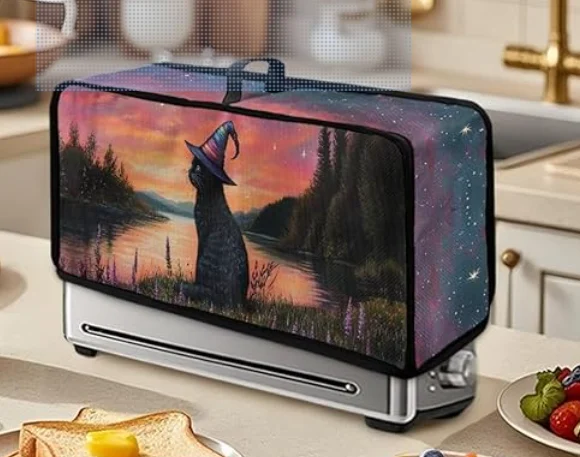
- Unpredictable Rewards (Variable Reinforcement): This is a cornerstone of addictive design. Like a slot machine that doesn’t pay out every time but offers enough intermittent wins to keep the player pulling the lever, Amazon Vine presents a variable reinforcement schedule. Logging in daily often yields "endless pages of pink plastic disposable party plates" or "a toaster cover with a cat wearing a witch hat." Yet, occasionally, a genuinely useful item—an EV charger, nice light fixtures, or tools—appears. This unpredictable nature of rewards is far more effective at sustaining behavior than consistent rewards, as it keeps the user in a state of hopeful anticipation, constantly chasing the next potential "win." The dopamine rush associated with "scoring" a desirable item reinforces the checking behavior, creating a self-perpetuating loop.
MMM vividly describes this cycle: "I was checking the Vine page every day for scores, even when I didn’t actually need anything. It would usually be a bust, but just often enough, something I actually wanted would come up, and I’d order it before it was too late. Scarcity and unpredictable rewards at work." This daily engagement, the "assembly-line speed" of unpacking and photographing, and the batch-writing of reviews illustrate a classic behavioral trap, where the perceived benefits of "free" items outweigh the cumulative cost of time and cognitive load.
Beyond the Bargain: Hidden Costs and Environmental Footprint

The "free" nature of Vine products masks several hidden costs, both personal and environmental. On a personal level, MMM lamented the diversion of his valuable time and mental energy. The daily browsing, the processing of packages, and the writing of reviews became a form of "procrastination," a low-effort activity that provided a false sense of productivity while distracting from more meaningful pursuits like exercise, construction projects, and creative writing. His observation that he "found myself discreetly tucking away the boxes when they were around to evade scrutiny" from his son and girlfriend highlights the internal conflict and cognitive dissonance arising from this newfound consumerism.
Environmentally, the program contributed directly to increased waste. MMM noted his recycling bin "overflowing with cardboard" from daily package deliveries. This phenomenon is a broader concern within the e-commerce landscape. According to industry reports, e-commerce packaging waste is a significant environmental issue, with millions of tons of cardboard and plastic generated annually. While individual items might seem small, the cumulative effect of a program like Vine, with thousands of reviewers ordering hundreds of thousands of items, contributes substantially to this waste stream and the carbon footprint associated with manufacturing and shipping. The paradox of "saving money" by acquiring items that generate waste, especially for an advocate of sustainable living, underscores the deceptive nature of perceived bargains.
The "Work" of Reviewing: A Microcosm of the Gig Economy

Beyond the psychological and environmental costs, MMM’s experience also offered insights into the nature of modern "work," particularly within platforms that rely on user-generated content or gig labor. He described the Vine program as having "deliberately reviewer-unfriendly features," such as "crap" search functionality and a complete absence of filtering or sorting options. This design, he inferred, was intentional: Amazon wants reviewers to sift through everything, valuing their time minimally, effectively treating them as "low-wage workers rather than any form of VIP."
The "hilariously bureaucratic AI-based evaluation system" that would flag "tame, factual reviews" without explanation further cemented this feeling of being an anonymous cog in a larger machine. This lack of transparency and arbitrary enforcement mechanisms are common complaints in many gig economy platforms, where workers operate under algorithms they don’t understand and have no power to influence. MMM drew a direct parallel to his 2017 Uber Driving experiment, where he quickly identified systemic improvements but found no avenue for input, reinforcing his preference for "being the boss" and controlling his own work environment. This realization underscored a core benefit of financial independence: the freedom from being dictated by systems designed without consideration for individual well-being or efficiency.
Navigating the Tax Landscape: The True Price of ‘Free’

A critical, often overlooked, aspect of programs like Amazon Vine is the tax implication. The "free" items are not truly free in the eyes of the IRS. Amazon is legally obligated to report the estimated retail value of all products received by Vine Voices via a 1099 form at the end of the year. This means the value of the items is considered taxable income. For MMM, who received approximately $7,000 worth of goods in 2025, this initially translated to a potential tax liability of up to $1,750, assuming his marginal tax rate of 25%.
He meticulously categorized his acquisitions: about 75% were for commercial use (construction supplies, HQ renovations), which could be offset as business expenses, converting the tax burden into "real income." However, approximately $1,000 worth of items fell into the category of "pure nonsense," leading to an initial estimated tax bill of $250. This figure, while seemingly modest, represents the direct financial cost of impulse, non-essential consumption disguised as "free."
An important clarification, shared by "wise readers" in his comments section, highlighted a critical tax nuance: in many cases, the estimated value of opened and reviewed products can be marked down by 80% for tax purposes. This "50/200 rule" or similar interpretations allow reviewers to account for the significant reduction in resale value once a product is opened, used for review, and potentially less marketable. This adjustment significantly reduces the taxable income, lowering MMM’s tax bill on the "pure nonsense" from $250 to a more manageable $50. This detail underscores the complexities of navigating such programs and the importance of understanding the fine print, even for seasoned financial experts.

Reclaiming Frugality: Lessons in Self-Correction
MMM’s recovery from his "consumerism bender" was not marked by an explicit cancellation of his Vine account but by a strategic behavioral intervention. Recognizing that the habit had become a form of "laziness" and "procrastination," he employed a "Keystone Habit" trick. Instead of simply relying on willpower, he remapped his browser bookmark for the Vine page to his "Badassity Tracker"—a personal chart designed to remind him of daily habits that genuinely contribute to his well-being, such as exercise and productive work. This simple yet effective environmental redesign redirected his impulse to check Vine into an impulse to engage in more beneficial activities, effectively breaking the addictive loop.
This self-correction process provided a deeper understanding of human habits and the insidious nature of addiction, even for seemingly innocuous activities. He drew a powerful parallel to "One More Year Syndrome," a phenomenon he has observed in many financially independent individuals who continue working long past the point of necessity. Just as the allure of an extra paycheck or career momentum can trap individuals in unfulfilling jobs, the psychological pull of "free stuff" and unpredictable rewards can override rational decision-making, even for those who could easily opt out.

Broader Implications and a Call for Critical Self-Reflection
Mr. Money Mustache’s Amazon Vine experiment serves as a compelling contemporary parable for the challenges of intentional living in a digitally saturated, consumer-driven world. It highlights:
- The Power of Behavioral Design: How platforms are expertly engineered to leverage psychological biases (scarcity, variable rewards) to maximize engagement and consumption, often at the expense of individual well-being and environmental sustainability.
- The Deception of "Free": The concept of "free" is rarely without hidden costs, whether in terms of time, cognitive load, environmental impact, or even direct financial (tax) liabilities.
- The Importance of Self-Awareness: Even highly disciplined individuals can be susceptible to these forces. Continuous self-reflection, questioning one’s assumptions, and seeking feedback from trusted sources are crucial for aligning actions with values.
- Autonomy vs. Compliance: The experience reinforced the value of financial independence not just for monetary freedom, but for the autonomy it grants over one’s time and choices, freeing one from systems that devalue individual effort and creativity.
While the future of his Vine account remains uncertain—writing about the program could potentially violate its terms and conditions—the insights gleaned from this nine-month saga offer invaluable lessons. It underscores that personal finance and fulfillment are not merely about accumulating wealth but about consciously managing one’s habits, resisting manipulative influences, and consistently steering one’s life towards a path of genuine purpose and contentment. The journey, as MMM concludes, is a "very long" one, where even "a tiny course correction can make a huge difference in where we end up."

