
The transition from urban centers to rural homesteads has become a prominent trend in the United States over the last decade, driven by a desire for sustainability, food security, and a departure from the "rat race" of corporate environments. Among those who documented this shift extensively are the founders of the Frugalwoods project, who relocated to a 66-acre homestead in rural Vermont in May 2016. Seven years after this migration, a comprehensive review of their agricultural output and lifestyle adjustments reveals a significant divergence between initial expectations of total self-sufficiency and the practical realities of managing a large-scale garden while maintaining a modern work-life balance.
The Myth of Total Food Autonomy
Upon their arrival in Vermont, the Thames family—the principals behind the Frugalwoods homestead—operated under the assumption that they would eventually grow and raise the entirety of their food supply. This vision included not only seasonal vegetables but also meat chickens, pigs, goats, and a dairy cow for milk and butter production. This "idyllic vision," as described in their retrospective documentation, was rooted in a romanticized view of 19th-century agrarian life, modernized by the availability of contemporary medicine and technology.
However, after seven years of trial and error, the reality of subsistence farming proved to be an "all-consuming, full-time job" during peak harvest seasons. The labor required to plant, weed, water, harvest, and preserve food at a scale necessary for total self-sufficiency often exceeds the capacity of individuals who also maintain professional careers or care for young children. By 2023, the family officially debunked the assumption of total food autonomy, opting instead for a hybrid model that prioritizes personal well-being and local economic support over the pursuit of a closed-loop food system.

Chronology of the Homesteading Transition (2016–2023)
The evolution of the Vermont homestead can be categorized into three distinct phases: the Infrastructure Phase, the Production Peak, and the Equilibrium Phase.
Phase I: Infrastructure and High Expectations (2016–2017)
The move took place on May 18, 2016. The first year was defined by significant capital and labor investments. The family established the "big" vegetable garden, which required the installation of fencing to protect crops from local wildlife. Initial experiments focused on learning the specific microclimate of their 66-acre plot, which is characterized by the short growing seasons typical of USDA Plant Hardiness Zone 4.

Phase II: The Production Peak and the "Kale Apocalypse" (2018–2019)
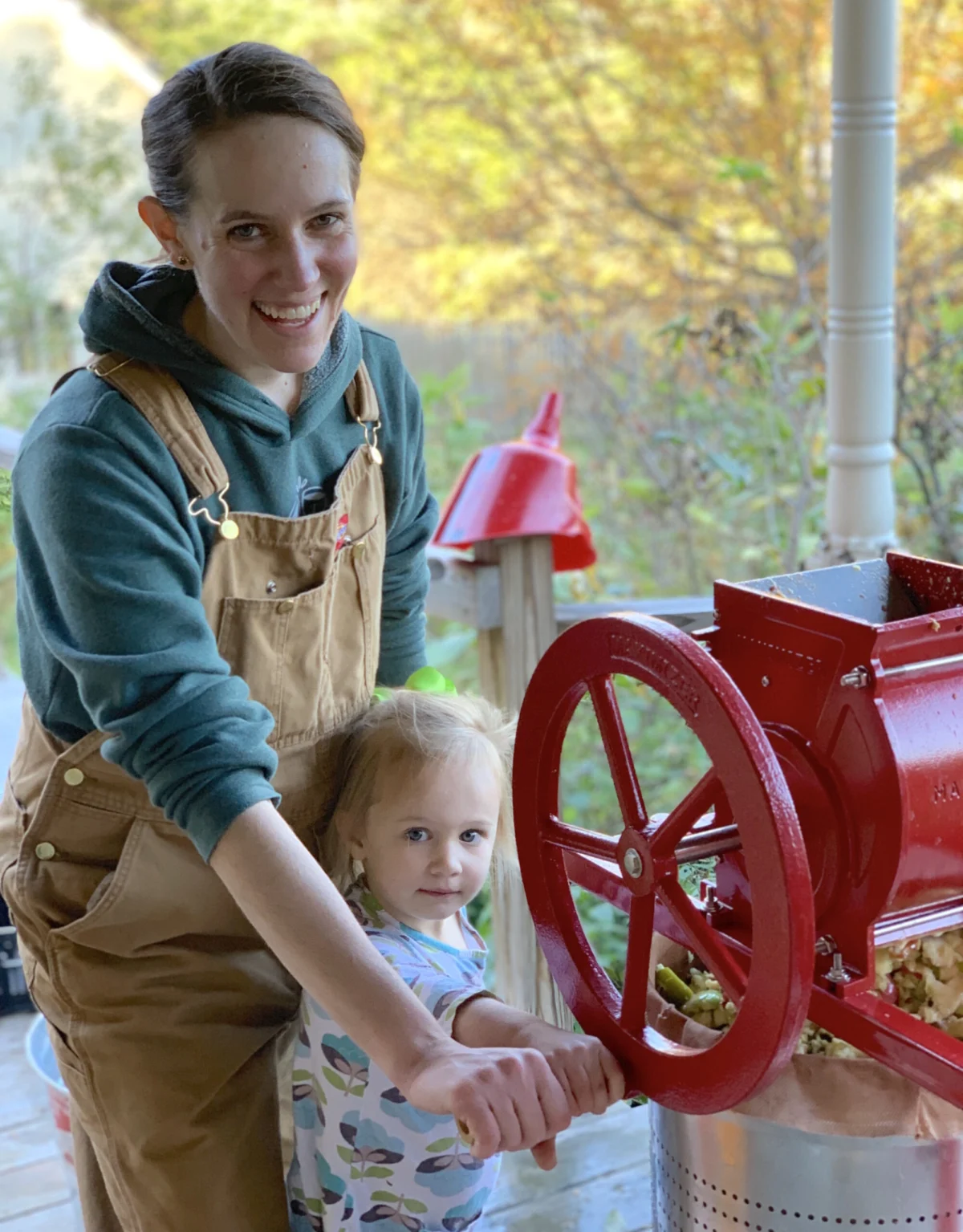
By 2018, the homestead’s output reached its zenith. This period was marked by the "Kale & Chard Apocalypse," an event where the family successfully grew 80 kale and chard plants from seed. The resulting harvest was so massive that it required industrial-scale processing, including the use of a child’s wading pool for rinsing the greens. The family spent multiple days harvesting, blanching, and freezing the crop. Despite the success of the harvest, the experience highlighted the logistical bottlenecks of home preservation. Much of the preserved food was never consumed before it expired, leading to the realization that over-production can be as wasteful as under-production.
Phase III: The Equilibrium Phase (2020–2023)
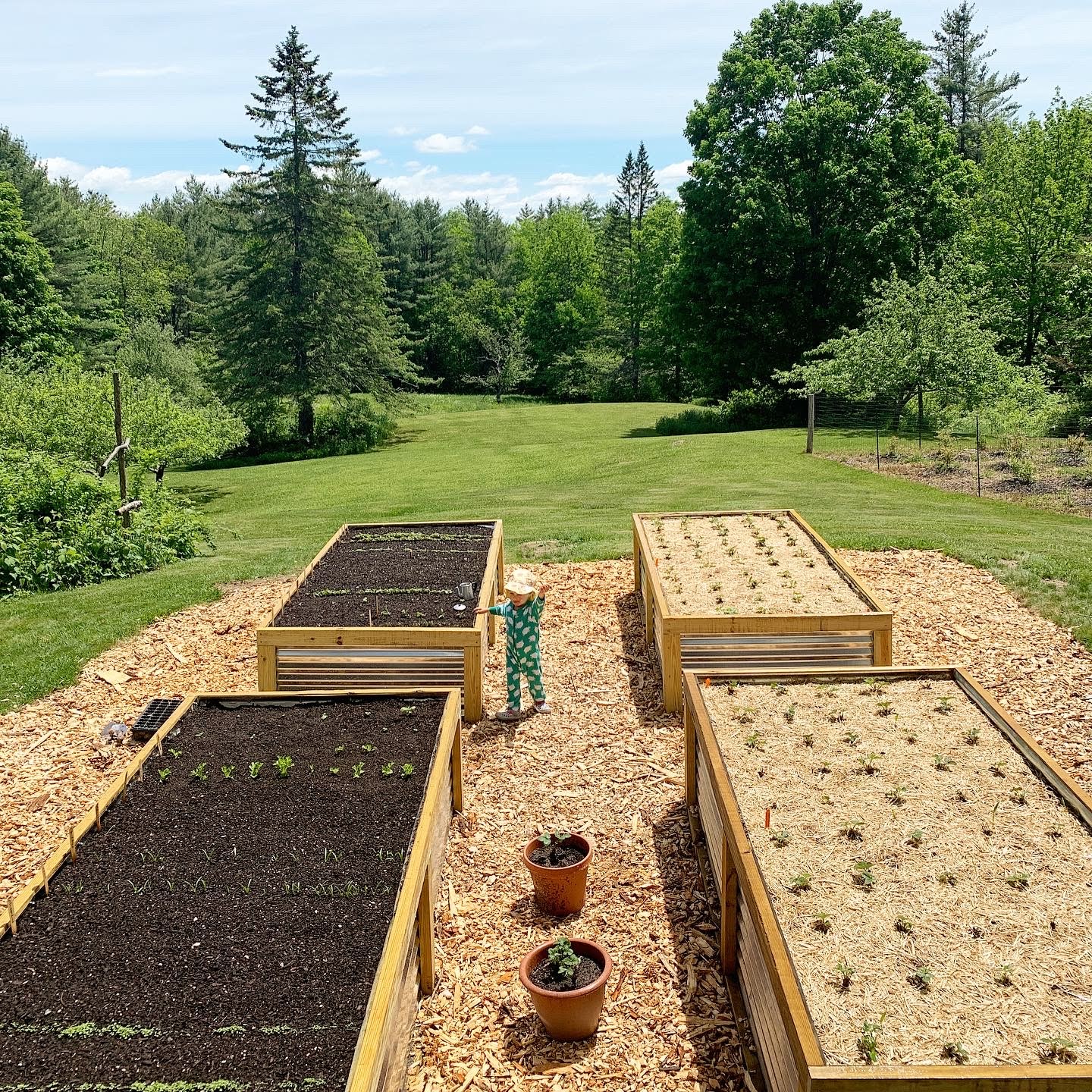
In 2020, the homestead underwent a design shift to improve efficiency. Nate Thames constructed four raised beds near the main residence to allow for "kitchen gardening"—the practice of growing high-use herbs and greens within easy reach of the house. By 2023, the family had moved away from the goal of total self-sufficiency, choosing instead to focus on manageable yields and supporting neighboring professional farmers for their primary caloric needs.

Agricultural Data and Management Strategies
The current state of the Vermont homestead reflects a curated selection of crops that balance yield with labor requirements. The management is divided into three distinct areas:
1. Proximate Raised Beds
These beds are used for high-rotation crops. Two beds are dedicated to strawberries, while the remaining two house herbs (cilantro, dill, chives, parsley) and greens (lettuce, spinach, and limited quantities of kale and chard). This setup minimizes the time spent "commuting" to the larger garden for daily meal components.

2. The Primary Vegetable Garden
The larger, fenced-in garden utilizes cattle panels for vertical integration. This method allows vining plants like tomatoes, snap peas, and cucumbers to grow upward, reducing the labor associated with individual trellising. Other crops include beans, squash, peppers, and pumpkins. This garden also serves an educational purpose, with specific rows allocated to the children for independent management.
3. Perennial Fruit Production
The homestead includes an extensive list of perennial plants, which require several years to reach maturity:

- Apple Trees: Approximately six years to reach production.
- Blueberry Bushes: Two years for initial edible yields.
- Other Fruits: Elderberries, raspberries, blackberries, plums, cherries, and peaches.
Data from the homestead indicates that perennial production is highly volatile. For instance, the "Clever Varmint Patrol" (CVP)—a term used to describe local wildlife such as deer, birds, and turkeys—frequently consumes entire crops of cherries and plums the moment they ripen. Furthermore, the 2023 report noted that flight-enabled birds, specifically wild turkeys, have occasionally trapped themselves within fenced blueberry patches, requiring manual intervention.
The Economic and Psychological Impact of Preservation
A critical component of the homesteading reality is the labor of food preservation. The family noted that "chaining myself to my vegetable garden is really no different than chaining myself to my desk and computer." This sentiment reflects a growing recognition in the homesteading community regarding "homestead burnout."

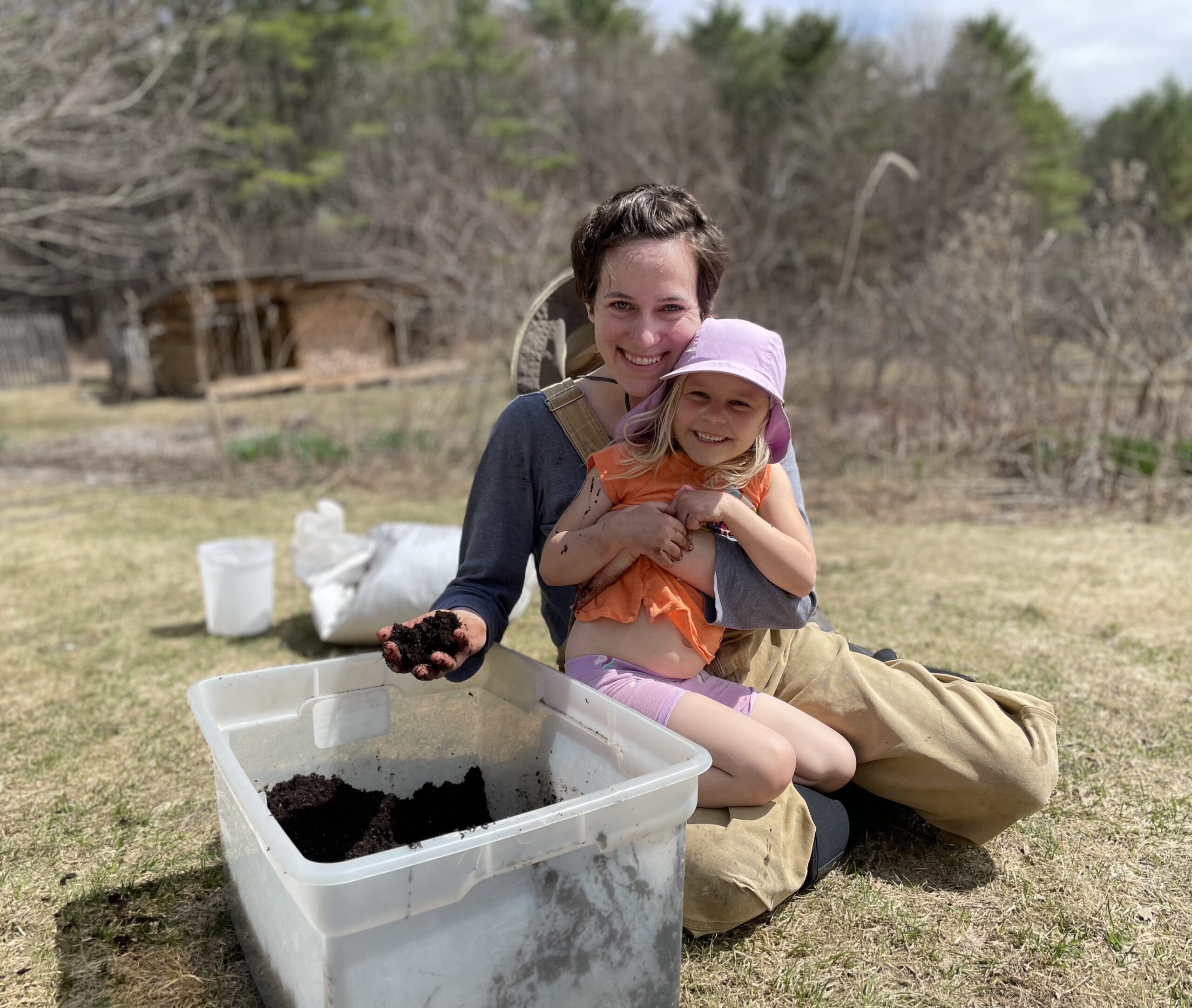
The process of canning and freezing requires not only time but also specialized equipment and storage space. The Thames family documented that high-volume canning—such as producing 100 quarts of pickles or dozens of jars of applesauce—can become a source of stress rather than a source of savings. In 2023, the family transitioned to a "moderation" model. Preservation is now limited to:
- Freezing: Berries, pesto, and shredded zucchini.
- Canning: Limited batches of applesauce, tomato sauce, and pickles.
- Raw Storage: Apples stored in the basement for short-term winter use.
Broader Implications for the Modern Homesteading Movement
The experiences of the Frugalwoods homesteaders align with broader agricultural trends in the Northeastern United States. According to the USDA Census of Agriculture, while the number of small farms has seen fluctuations, the "lifestyle farm" or "residential farm" category remains a significant portion of rural land use. However, the economic viability of these farms often depends on off-farm income.

The Thames family’s decision to support local professional farmers represents a shift toward "community-supported agriculture" (CSA) logic. By purchasing meat and bulk vegetables from neighbors who farm full-time, homesteaders can contribute to the local rural economy while avoiding the "subsistence trap"—the point where the labor cost of growing food outweighs the financial savings.
Analysis of the "Homesteading Paradox"
The "Homesteading Paradox" refers to the phenomenon where individuals move to the country to find freedom but find themselves enslaved by the biological demands of their land. Plants and livestock do not adhere to human schedules; they ripen, require water, or fall ill regardless of the owner’s professional or personal commitments.
For the Thames family, the resolution of this paradox involved a psychological shift. They moved from a "perfectionist" model of homesteading—where success was measured by the percentage of food grown on-site—to a "joy-based" model. In this current iteration, gardening is viewed as a hobby and an educational tool rather than a survival necessity. This shift allows for the "balance and freedom" that originally prompted their move to Vermont in 2016.
Conclusion: A Sustainable Middle Ground
As of May 2023, the Frugalwoods homestead serves as a case study in the maturation of the modern back-to-the-land movement. The transition from the "gargantuan assumption" of total self-sufficiency to a managed, realistic gardening practice highlights the importance of adaptability. While the dream of the 19th-century larder remains a powerful cultural image, the 21st-century reality often requires a compromise between agrarian ideals and the desire for personal time and community integration. The family continues to reside on their 66-acre property, maintaining their infrastructure but acknowledging that their role in the local food system is that of both a small-scale producer and a grateful consumer of their neighbors’ professional harvests.

