
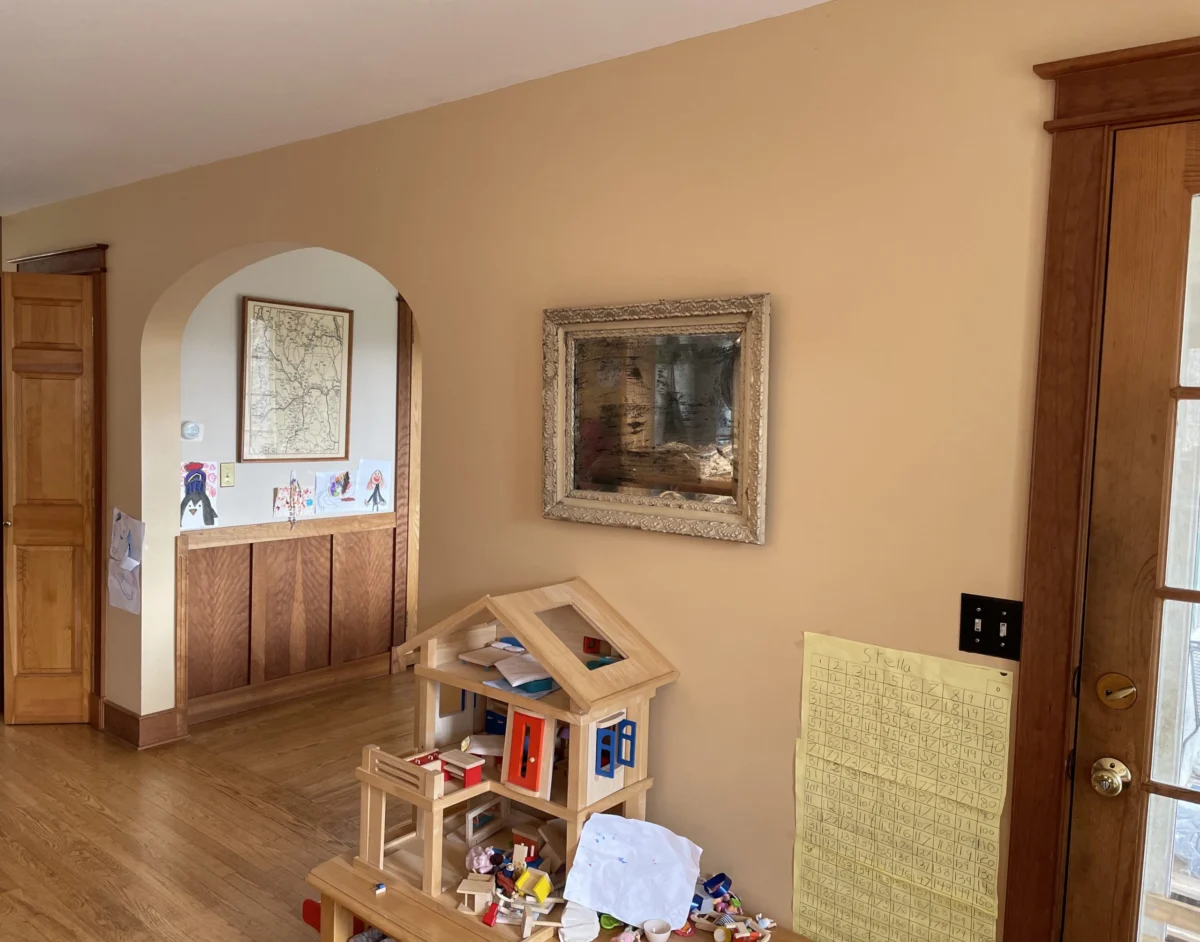
The completion of a complex structural renovation project within a 1991-built residential property marks a significant milestone in a multi-year modernization effort aimed at improving architectural flow and long-term asset value. The project, centered on the removal of a primary load-bearing wall separating the kitchen and dining areas from the living room, highlights the intricate balance between DIY labor and the necessity of professional specialized services. This structural modification was accompanied by a rigorous monthly fiscal analysis, revealing a total June expenditure of $5,044.63, which reflects the high costs of infrastructure investment tempered by aggressive frugal management in recurring overhead.
Structural Engineering and Project Execution
The residential property, constructed in the early 1990s, featured a layout typical of the era, characterized by segmented living spaces. The central obstacle to an open-concept floor plan was a load-bearing wall that housed critical infrastructure, including the primary plumbing stack and the main electrical hub for the ground floor. Furthermore, the wall featured an aesthetic archway that limited vertical clearance and visual continuity.
The removal process was categorized into four distinct phases: demolition, utility rerouting, structural stabilization, and finishing. While the homeowners performed the initial demolition to reduce labor costs, the complexity of the internal systems necessitated the hiring of licensed professionals. A plumber was contracted to execute a sophisticated "zig-zag" rerouting of the plumbing stack through the ceiling and into a pantry corner. To maintain aesthetic standards and utilize surplus materials, a secondary enclosure was constructed around the new plumbing route using reclaimed siding from a previous farm-based project.
Electrical work proved equally intensive. A licensed electrician was required to relocate the main electrical box and reroute wiring previously housed within the wall. This phase included the installation of recessed lighting in the dining area, addressing a significant deficit in the original 1991 design, which lacked overhead illumination in the primary living spaces.
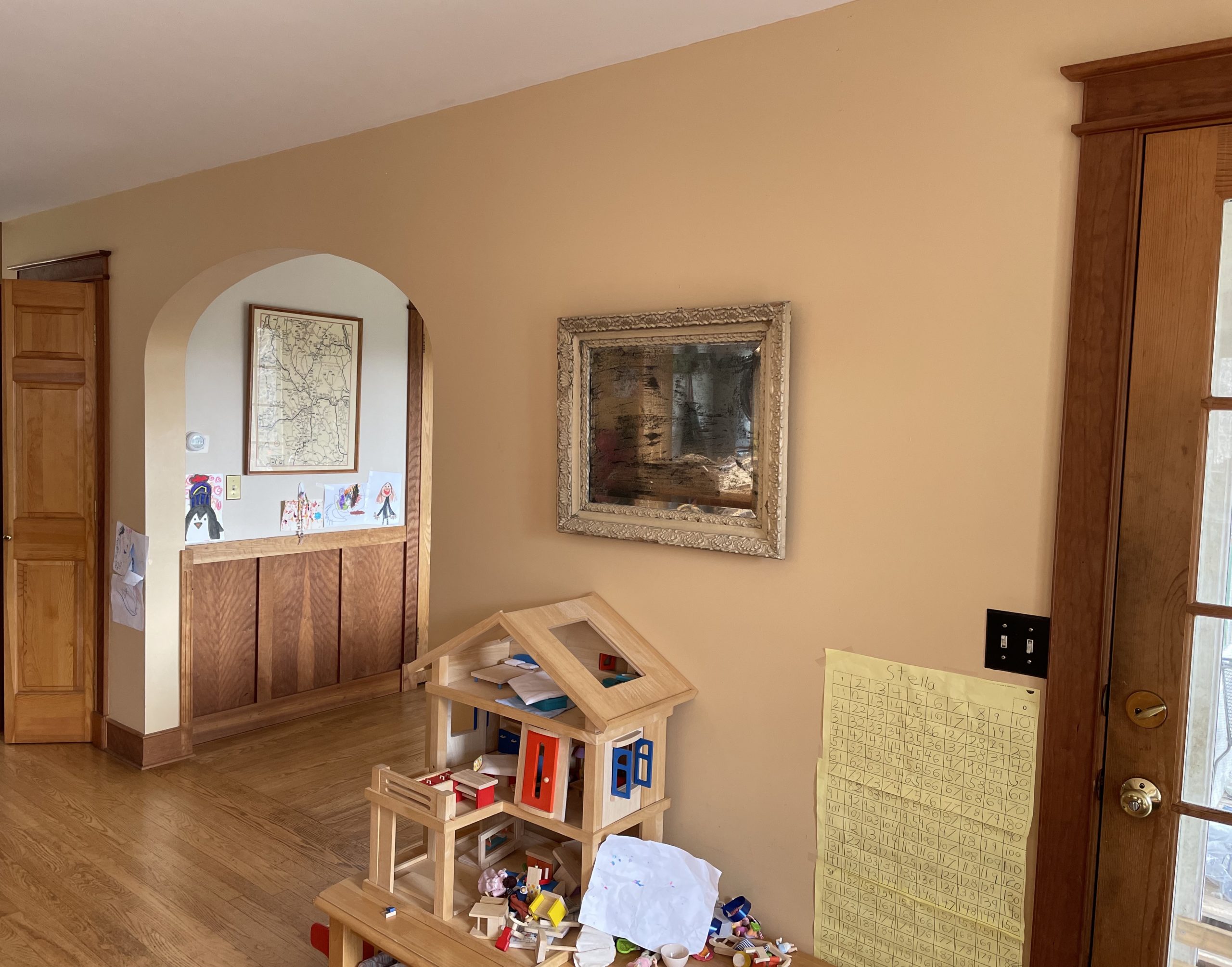
The most technically demanding aspect of the renovation involved the installation of a recessed support beam to replace the load-bearing wall. To ensure the structural integrity of the home, the owners consulted an architect for precise load-bearing calculations. The execution involved the construction of a temporary "ladder" support wall to hold the ceiling’s weight while the new beam was maneuvered into place. This method allowed the beam to be recessed into the ceiling joists, creating a seamless transition between rooms rather than a dropped header, which is often used in less intensive renovations.
Financial Analysis of June Expenditures
The total expenditure for June reached $5,044.63, a figure driven primarily by renovation costs and bulk procurement. The following data provides a breakdown of the primary spending categories:
| Category | Expenditure | Percentage of Total |
|---|---|---|
| Groceries & Bulk Foods | $1,281.92 | 25.4% |
| Renovation Materials (Lumber/Drywall) | $703.53 | 13.9% |
| Tools & Construction Supplies | $600.61 | 11.9% |
| Professional Electrical Services | $494.98 | 9.8% |
| Household Supplies & Misc | $302.53 | 6.0% |
| Medical/Healthcare (Co-pays) | $250.38 | 5.0% |
| Dining & Restaurants | $251.94 | 5.0% |
| Automotive Fuel & Maintenance | $254.35 | 5.0% |
| Seasonal Recreation (Beach Pass) | $150.00 | 3.0% |
| Other Utilities & Subscriptions | $754.39 | 15.0% |
The grocery category remains a significant portion of the budget, totaling $1,147.44 in standard purchases and an additional $134.48 for bulk organic oats. The renovation-specific costs—comprising lumber, drywall, specialized tools (including a bottle jack and heavy-duty squares), and the electrician’s fee—totaled approximately $1,799.12. This represents a strategic investment in the property’s capital value, which experts suggest can yield a significant return on investment (ROI) in the current real estate market, where open-concept layouts remain highly desirable.
Optimization of Recurring Costs
A critical component of the broader fiscal strategy involves the minimization of fixed monthly expenses. The June data highlights several areas where the homeowners have successfully reduced overhead through the use of alternative service models and technology.
Telecommunications and MVNO Adoption
The monthly cost for cellular service for two lines was recorded at $28.24, or $14.12 per person. This was achieved through the use of a Mobile Virtual Network Operator (MVNO). Unlike traditional carriers that own and maintain national towers, MVNOs purchase excess capacity at wholesale prices and pass the savings to consumers. Market analysis suggests that switching from a major carrier to an MVNO can save the average household between $600 and $1,200 annually.

Energy Efficiency and Solar Integration
The utility bill for electricity was limited to a $36.42 grid-tie fee. This is the result of a previous investment in a solar photovoltaic system. By generating their own power, the residents have effectively hedged against rising energy costs, leaving only the mandatory connection fee required by the utility provider.
Credit Card Arbitrage and Cash-Back Rewards
The homeowners utilize a disciplined credit card strategy, routing all possible expenses through high-yield rewards cards. In June, total spending on a 2% cash-back Fidelity Rewards Visa resulted in a $88.90 rebate. This strategy, while effective for cost-offsetting, requires the total balance to be paid in full each month to avoid high-interest debt, which would otherwise negate the rewards earned.
High-Yield Savings and Asset Management
In an environment of fluctuating interest rates, the management of liquid assets has become a priority. The homeowners advocate for the use of High-Yield Savings Accounts (HYSA) rather than traditional low-interest checking or savings accounts. For example, a $5,000 balance in a standard account earning 0.01% interest generates negligible returns. Conversely, the same balance in an account earning a 4% Annual Percentage Yield (APY) generates approximately $200 in passive income over twelve months.
This focus on "passive earning" is a cornerstone of the residents’ financial philosophy. By automating the tracking of net worth and investments through tools like Empower (formerly Personal Capital), the household maintains a holistic view of its financial health, allowing for informed decisions regarding capital expenditures like the June wall removal.
Broader Implications and Market Context
The project serves as a microcosm of the current "improve-in-place" trend observed in the national housing market. As interest rates for new mortgages remain elevated, many homeowners are choosing to renovate existing properties rather than upgrade to new homes. This has led to increased demand for building materials and professional tradespeople.
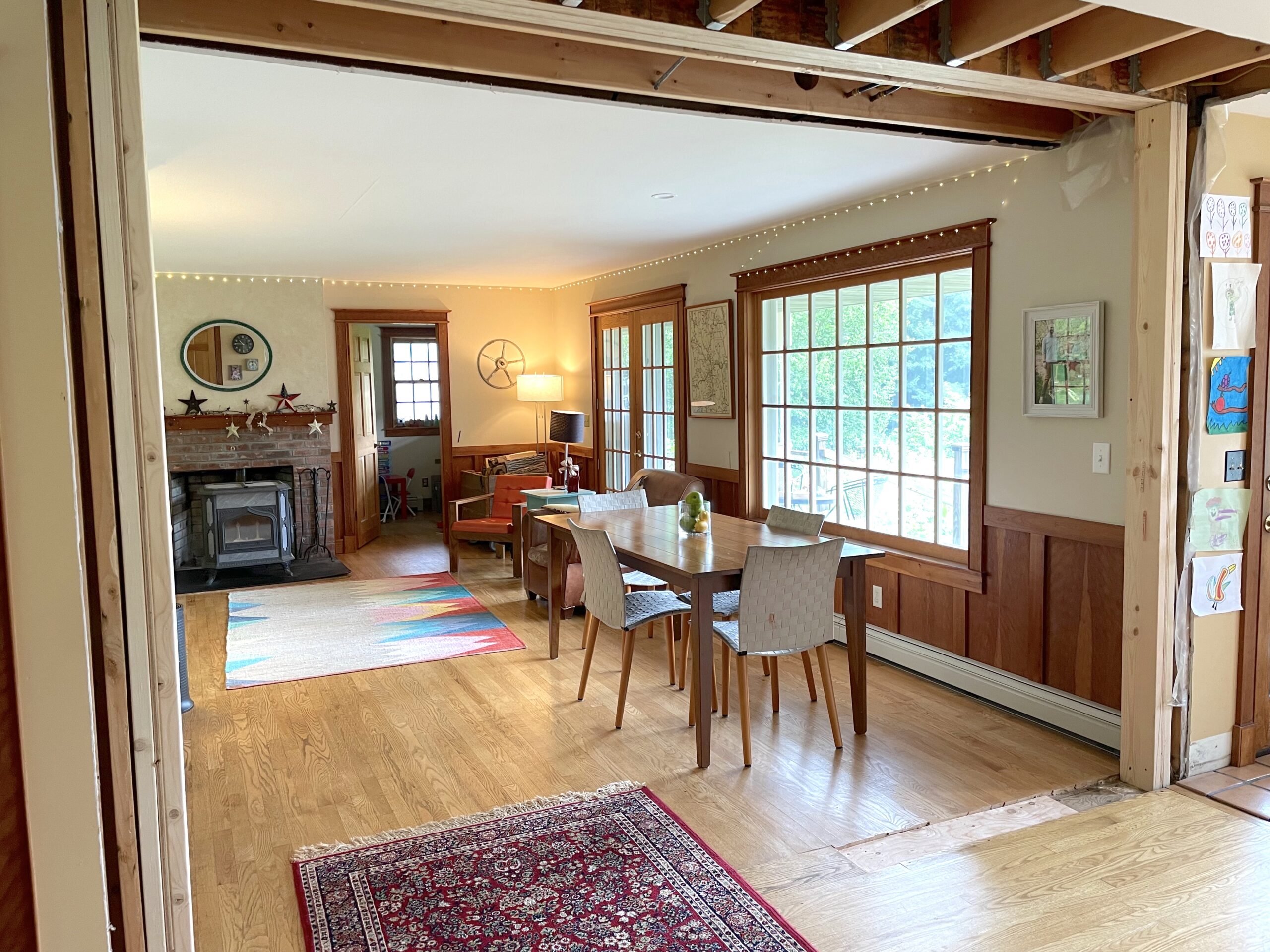
The decision to perform much of the labor in-house—specifically the carpentry and demolition—reflects a growing DIY economy. However, the project also underscores the limits of self-taught skills. The reliance on an architect for structural calculations and a licensed electrician for high-voltage rerouting demonstrates a sophisticated approach to risk management. Structural failure in a load-bearing wall removal can lead to catastrophic property damage and a total loss of asset value, making professional oversight a non-negotiable expense for complex renovations.
Future Outlook
With the primary structural work completed, the project enters a holding phase. The final drywalling and flooring updates are being delayed to coincide with a planned kitchen remodel. This integrated approach prevents redundant labor; by keeping the ceiling open, the residents can install future kitchen lighting without additional demolition costs.
The pace of the renovation—described by the owners as a "slow, years-long process"—is a deliberate choice designed to manage cash flow and avoid the accumulation of debt. By funding renovations through current income and savings rather than home equity lines of credit (HELOCs), the household remains insulated from market volatility while steadily increasing the intrinsic value of their residence.
As the property transitions from its segmented 1991 origins to a modern, open-concept home, the project remains a testament to the efficacy of combining technical self-sufficiency with rigorous financial oversight. The subsequent phases of the renovation will likely continue to reflect this balance of high-impact structural change and disciplined fiscal restraint.

