
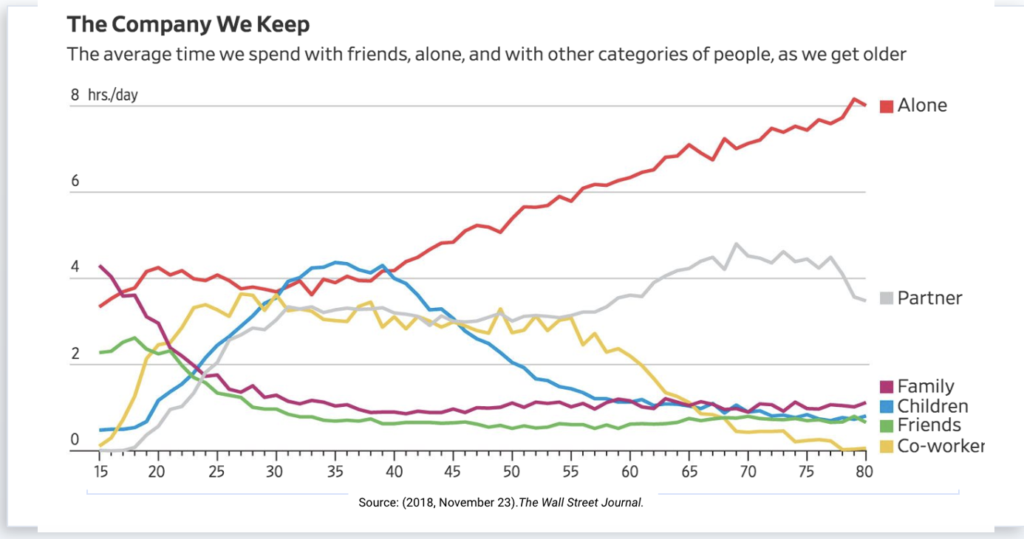
Retirement, a period often characterized by newfound freedom and a significant shift in daily routines, presents individuals with a unique challenge: an abundance of time spent in solitude, accompanied by an amplified inner dialogue. This internal conversation, often unnoticed or unexamined, becomes a critical factor in navigating the complexities of post-career life. As experts in self-talk and cognitive psychology highlight, the nature of these private dialogues can either foster personal growth and a sense of purpose or contribute to anxiety and a feeling of being stuck. The prevailing wisdom suggests that mastering this internal discourse is not about silencing it, but about understanding and skillfully directing it, transforming it from a potential source of distress into a powerful tool for well-being and intentional living.
The Unseen Conversations Shaping Retirement
The transition into retirement is far more than a change in professional status; it represents a profound life alteration that reshapes an individual’s identity, social connections, and daily structure. While the liberation from professional demands is often eagerly anticipated, the accompanying increase in solitary hours can be a surprising adjustment for many. This increased time alone inevitably leads to a heightened awareness of one’s own thoughts. These are not merely passive mental occurrences; they constitute ongoing, internal conversations that play a pivotal role in shaping an individual’s experience of retirement.
These internal dialogues encompass a wide spectrum of cognitive activity. They can involve forward-looking aspects such as planning future activities, imagining new possibilities, and reflecting on past experiences. Conversely, they can also manifest as negative patterns, including worrying about the future, ruminating on past events, questioning one’s choices, self-criticism, and blame. Research presented on platforms like "The Retirement Wisdom Podcast" underscores the significant impact of these inner conversations, suggesting they can either constrict one’s life or serve as a catalyst for embracing the next chapter with greater intentionality and optimism.
The Power of Inquiry: Shifting Mindsets Through Questioning
Dr. Marilee Adams, founder and CEO of The Inquiry Institute and author of the recently updated fifth edition of Change Your Questions, Change Your Life, has dedicated her work to understanding the profound influence of self-directed questioning. Her core thesis posits that the questions we ask ourselves are instrumental in shaping our mindset. Adams outlines a foundational model that distinguishes between two primary operational mindsets: the "Judger" and the "Learner."
The "Judger" mindset is characterized by questions that tend to be backward-looking or self-focused, often laced with criticism or blame. Examples include queries such as, "What’s wrong with me?", "Why did this happen?", or "Why bother?" These questions tend to reinforce a sense of inadequacy or helplessness. In contrast, "Learner" questions are designed to propel individuals toward curiosity, agency, and possibility. They often take the form of inquiries like, "What do I want now?", "What can I contribute?", or "How else can I think about this?" These questions foster a proactive and exploratory approach to life’s challenges and opportunities.
The timing of Adams’ insights is particularly relevant as individuals enter retirement. This major life transition often strips away established structures, identities, and feedback mechanisms that were present in the professional world. In the absence of these external anchors, "Judger" questions can gain significant momentum, leading to a cycle of negative self-appraisal. Conversely, adopting "wise questions" can effectively redirect attention toward what truly matters, such as seeking greater meaning, cultivating joy, contributing to others, nurturing relationships, and fostering personal growth. This intentional shift in questioning is crucial for a fulfilling retirement.
Understanding and Managing "Chatter"
Dr. Ethan Kross, director of the Emotion & Self Control Laboratory at the University of Michigan and author of Chatter: The Voice in Our Head, Why It Matters, and How to Harness It, offers a scientific perspective on inner dialogue. Kross’s research delves into the science of self-talk, differentiating between ordinary negative thoughts and what he terms "chatter." Chatter is defined as a repetitive, often unproductive, loop of worry, rumination, and catastrophizing. Kross’s central argument is not that negative emotions are inherently detrimental. In measured doses, they can serve as valuable learning experiences. The issue arises when individuals become trapped in these negative emotional cycles, preventing forward movement and problem-solving.
Converging Insights: Awareness and Choice
The work of both Dr. Adams and Dr. Kross converges on a critical point: the objective is not to eliminate one’s inner voice, but to engage with it more skillfully. Both researchers emphasize the universal presence of an inner critic and the importance of accepting this aspect of human psychology. A fundamental tenet of their work is that heightened awareness of one’s internal dialogue creates a space for choice. This awareness allows individuals to move from automatic, often reactive, responses to more intentional and considered actions.
Dr. Adams’ contribution is particularly notable for its elegant framework, "The Choice Map." This model provides a clear and practical pathway for navigating inner conversations. It encourages individuals to recognize when they are operating from a "Judger" mindset, to pause and create a mental space, and then to actively shift into a "Learner" mindset. One of Adams’ most powerful "switching questions" is, "Who do I choose to be in this moment?" This question empowers individuals to take ownership of their present experience and to define their role and response.
Dr. Kross, on the other hand, offers a "toolbox" approach to managing internal dialogue, recognizing that different situations call for distinct strategies. His recommendations include "distance self-talk," where individuals use their own name and speak to themselves as they would a trusted friend or coach. Another effective technique is "mental time travel," which involves considering a current problem from a future perspective, asking how significant it will seem in six months or a year. Kross also suggests incorporating simple rituals, such as a walk in nature, to help regulate emotions and gain perspective, thereby becoming a more adept "chatter advisor" with a personalized toolkit.
Practical Strategies for Navigating Inner Dialogue
To cultivate a more constructive inner dialogue, individuals can begin by increasing their awareness of their internal conversations. This foundational step is crucial for initiating any meaningful change.
Drawing from Dr. Adams’ work, a simple yet effective practice is to physically pause. This action can disrupt the momentum of a negative thought cycle. A technique she learned from Dr. Aditi Nerurkar involves a three-step process: Stop. Breathe. Be. This brief interlude allows for a reset, creating space for more deliberate thought.
Following this pause, the next step is to actively "catch" one’s questions. Pay close attention to the inquiries one is posing to oneself. Are these questions indicative of a "Judger" mindset, perpetuating negativity and blame, or do they reflect a "Learner" mindset, fostering curiosity and possibility?
If one finds themselves caught in what Adams describes as the "Judger Pit" – a state of being stuck in a negative loop – it is time to engage her "Switching Lane" strategy. This involves consciously posing a "Learner" question and actively shifting into that more empowering mindset.
From Dr. Kross’s research, several practical tools can be employed. One effective method is to "change the voice" of your internal dialogue. Instead of using "I," try using your own name. For instance, ask yourself, "What advice would [Your Name] give to a good friend facing this situation?" This simple linguistic shift can create psychological distance and facilitate a more objective perspective. Another technique is to "shift the time frame." Ask yourself, "How important will this issue feel six months from now?" This practice can help to contextualize current problems and reduce their perceived magnitude.
Finally, it is important to recognize when venting, while sometimes cathartic, can inadvertently perpetuate negative loops. While seeking empathy from others is valuable, it is also beneficial to engage with individuals who can help broaden your perspective and offer constructive insights, rather than simply reinforcing existing concerns.
Broader Implications for Well-being
The freedom offered by retirement is most profoundly experienced when it is coupled with a more discerning and skillful approach to one’s thoughts and emotional landscape. Through consistent practice, the inner voice can evolve from a persistent critic into a valuable ally and a wise coach. This transformation is not merely about managing negative thoughts; it is about cultivating a mindset that supports well-being, personal growth, and a richer, more intentional life. The ability to consciously direct one’s internal narrative is a crucial skill for navigating not only retirement but all of life’s transitions, empowering individuals to approach challenges with resilience and to embrace opportunities with enthusiasm.
Learn More:
-
Podcast Conversation: Listen to the podcast featuring Dr. Marilee Adams on "Change Your Questions, Change Your Life in Retirement."
-
The Choice Map: Take the survey and download "The Choice Map" from The Inquiry Institute for a practical guide to questioning.
-
Book Recommendation: Change Your Questions, Change Your Life, 5th Edition by Marilee Adams, PhD.
-
Podcast Conversations: Explore two podcast episodes with Dr. Ethan Kross:
- "Chatter & Your Inner Voice"
- "Shift"
-
Book Recommendations:
- Chatter: The Voice in Our Head, Why It Matters, and How to Harness It by Ethan Kross, PhD.
- Shift: Managing Your Emotions—So They Don’t Manage You by Ethan Kross.

